Is It Hard to Keep Betta Fish Alive

No, it is not hard to keep betta fish alive if you know the basics. Bettas are hardy tropical fish that can thrive in a simple setup with the right betta fish care routine. This guide covers everything you need to know about keeping betta fish healthy, from tank setup and water temperature to feeding and common mistakes.
You have probably seen those beautiful betta fish in small cups at the pet store. They look amazing with their flowing fins and bright colors. But then you wonder, is it hard to keep betta fish alive? The short answer is no. Bettas are actually quite resilient fish. But they do need the right environment and a little attention. In this article, we will break down everything you need to know. You will learn how to set up a proper tank, what to feed your betta, and how to spot problems early. By the end, you will feel confident about caring for your betta fish.
Many people believe that bettas are easy to keep in a tiny bowl. That myth has caused a lot of unnecessary suffering for these beautiful creatures. The truth is, bettas need a proper habitat to truly thrive. They are tropical fish that come from warm, slow-moving waters in Southeast Asia. Understanding their natural needs makes all the difference. Once you know what they require, keeping them healthy becomes much simpler. Let us dive into the details and make betta fish care easy for you.
Key Takeaways
- Bettas are not as fragile as people think: With proper care, they can live 3 to 5 years or even longer.
- A minimum 5-gallon tank is essential: Small bowls lead to poor water quality and stress.
- Water temperature matters a lot: Keep it between 76°F and 82°F for optimal health.
- Feeding the right way prevents illness: Overfeeding is one of the biggest mistakes new owners make.
- Regular water changes keep your betta happy: A simple weekly routine goes a long way.
- Know the warning signs: Recognizing early symptoms of disease can save your betta’s life.
📑 Table of Contents
- So, Is It Hard to Keep Betta Fish Alive?
- Setting Up the Right Tank for Your Betta
- Water Quality and Temperature
- Feeding Your Betta the Right Way
- Common Health Problems and How to Prevent Them
- Can You Keep Bettas With Other Fish?
- Common Mistakes That Shorten a Betta’s Life
- How Long Do Betta Fish Live?
- Final Thoughts
So, Is It Hard to Keep Betta Fish Alive?
The honest answer depends on what you already know. If you have never owned a fish before, there is a learning curve. But it is not steep at all. Bettas are considered one of the hardier freshwater fish. They can tolerate a range of conditions that would stress other species. However, that does not mean you can just ignore them. They still need clean water, proper warmth, and good food.
Think of it this way. Keeping a betta is like taking care of a houseplant. You do not need to be a gardener. You just need to water it regularly and give it sunlight. Similarly, your betta needs a clean tank, warm water, and regular meals. Once you build these simple habits, keeping betta fish becomes second nature. Most people find that the routine takes only minutes each day.
Why Bettas Get a Bad Reputation
You may have heard stories about bettas dying within days of purchase. This happens, but it is usually because of poor care at the store or at home. Pet stores often keep bettas in tiny cups with dirty water. This weakens their immune system before you even bring them home. When people continue that setup at home, the fish struggles. It is not that bettas are hard to keep. It is that they start life at a disadvantage.
The good news is that you can change that story. By giving your betta a proper start and consistent care, you set them up for success. Many bettas live 3 to 5 years, and some even reach 7 years with excellent betta fish care. That is a long time to enjoy these wonderful fish.
Setting Up the Right Tank for Your Betta
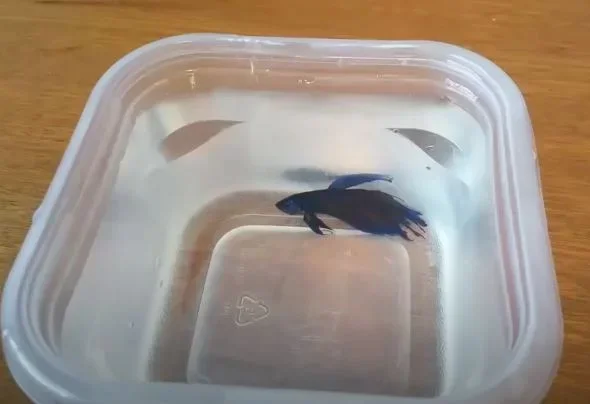
The foundation of keeping betta fish alive starts with the tank. A proper setup makes everything else easier. Many beginners make the mistake of buying a tiny bowl or a vase. These look cute but they are terrible for your fish. A small container means the water quality drops fast. Toxins build up quickly, and your betta gets stressed.
Tank Size Matters
The minimum tank size for a single betta is 5 gallons. This gives your fish room to swim and explore. It also makes it easier to maintain stable water conditions. A 5-gallon tank is easy to manage and fits on most desks or shelves. If you can go bigger, a 10-gallon tank is even better. More water means more stable parameters and a happier fish.
Here is a quick comparison of tank sizes:
- 1-gallon bowl: Too small. Hard to keep clean. Not recommended.
- 3-gallon tank: Better than a bowl but still very small. Requires frequent water changes.
- 5-gallon tank: The minimum recommended size. A good balance of space and manageability.
- 10-gallon tank: Ideal for a single betta. More stable water conditions.
- 20-gallon tank: Great if you want to add tank mates or plants.
Essential Equipment
You do not need a lot of fancy equipment. Here is what your betta tank really needs:
- A filter: Choose a gentle sponge filter. Bettas do not like strong currents, and a hang-on-back filter can be too powerful for them.
- A heater: Bettas are tropical fish and need warm water. An adjustable heater set to 78°F works perfectly.
- A thermometer: This helps you monitor the temperature daily. You want to keep it steady between 76°F and 82°F.
- A lid: Bettas are jumpers. They can leap out of open tanks, so always keep a lid on.
If you worry about electricity costs or prefer a simpler approach, you can keep betta fish warm without a heater by placing the tank in a warm room away from drafts. However, a heater is the most reliable option for consistent warmth.
Water Quality and Temperature
Clean water is the single most important factor in betta fish care. Bettas are sensitive to ammonia and nitrite, even in small amounts. These toxins build up from waste and uneaten food. In the wild, bettas live in warm, slow-moving waters with stable conditions. Your job is to recreate that environment as closely as possible.
The Importance of Water Changes
Regular water changes are your best friend. In a 5-gallon tank, aim to change 25 to 30 percent of the water every week. This removes waste buildup and refreshes essential minerals. Use a gravel vacuum to clean the substrate at the same time. Always treat new water with a water conditioner before adding it to the tank. This removes chlorine and chloramine, which are harmful to fish.
Some people think they can skip water changes if they have a filter. That is not true. Filters remove debris and break down some toxins, but they do not remove dissolved waste completely. Water changes are still necessary. Think of it like changing the air filters in your home. You still need fresh air, even with a good ventilation system.
Keeping the Water Warm
Temperature stability is crucial for bettas. Cold water slows their metabolism and makes them sluggish. It also weakens their immune system. Warm water keeps them active and healthy. The ideal range is between 76°F and 82°F. If the temperature drops below 74°F, your betta may become stressed and prone to illness.
In colder months, you might need to pay extra attention to the tank temperature. You can keep betta fish warm in winter by moving the tank away from windows and drafty areas. A reliable aquarium heater with a thermostat takes the guesswork out of this entirely.
Feeding Your Betta the Right Way
Feeding seems simple, but it is where many new betta owners go wrong. Overfeeding is the most common mistake. Bettas have small stomachs, about the size of their eye. Giving them too much food leads to bloating, constipation, and poor water quality. Uneaten food decays in the tank and raises ammonia levels.
What to Feed Your Betta
A high-quality betta pellet should be the staple of your fish’s diet. Look for pellets with a high protein content and minimal fillers. You can also offer variety with frozen or freeze-dried foods like bloodworms, brine shrimp, and daphnia. These make excellent treats and add nutritional variety.
Here is a simple feeding schedule:
- Morning: Feed 2 to 3 pellets. Soak them in tank water first to prevent bloating.
- Evening: Offer one or two small pieces of frozen or freeze-dried food as a treat.
- Once a week: Skip a feeding day. This helps prevent constipation and gives the digestive system a break.
Your betta should eat everything within two minutes. If food falls to the bottom and sits there, you are giving too much. Remove any uneaten food promptly to keep the water clean.
Common Health Problems and How to Prevent Them
Even with the best care, bettas can sometimes get sick. The good news is that most common problems are preventable. Understanding the signs early gives you the best chance to help your fish recover. Many issues stem from poor water quality, stress, or sudden temperature changes.
Signs Your Betta Is Unhealthy
Watch for these warning signs that something is wrong:
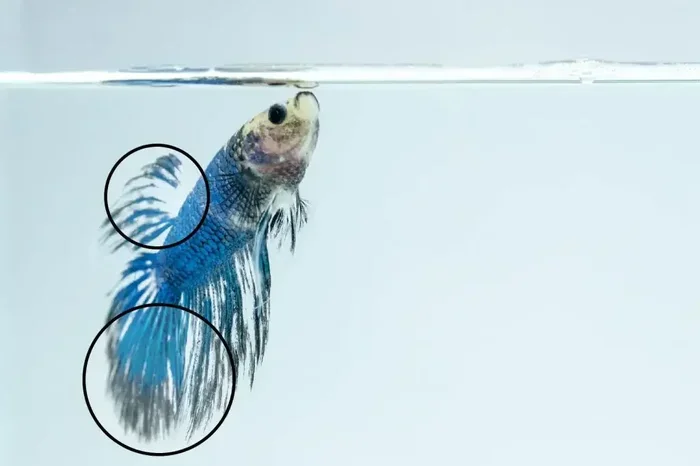
- Clamped fins: The fish holds its fins close to its body instead of spreading them. This often signals stress or illness.
- Loss of color: A healthy betta should have vibrant colors. Fading can indicate stress or disease.
- Not eating: Skipping an occasional meal is normal. Refusing food for more than two days is a red flag.
- Labored breathing: If your betta is breathing hard or gasping at the surface, the water quality may be poor or the oxygen level too low.
- White spots or patches: These could indicate ich, a common parasitic infection that spreads quickly in stressed fish.
Prevention Tips
The best medicine is prevention. Keep the tank clean, maintain stable temperatures, and avoid sudden changes. Quarantine any new fish before adding them to your betta’s tank. This prevents the spread of diseases. Also, avoid placing the tank in direct sunlight or near heating vents. Both can cause temperature swings that stress your fish.
If you notice any symptoms, act quickly. Test the water parameters first. Often, a water change alone can resolve the issue. For more serious cases, consult a fish veterinarian or experienced aquarist. Remember, how to keep a betta fish alive comes down to catching problems early and responding fast.
Can You Keep Bettas With Other Fish?
This is a question many beginners ask. The short answer is: it depends. Bettas can be territorial, especially males. A male betta should never be kept with another male betta. They will fight and may injure or kill each other. However, some community tanks can work with the right setup.
If you want to add tank mates, choose peaceful, non-fin-nipping species. Small schooling fish like corydoras or kuhli loaches can work well. Avoid fish with bright colors or long fins, as your betta may see them as rivals. Always provide plenty of hiding spots and plants so each fish has its own territory.
If you are unsure about compatibility, check out our guide on which fish to keep with betta for detailed recommendations. The right tank mates can enrich your betta’s environment and give it exercise through natural behavior.
Common Mistakes That Shorten a Betta’s Life
Learning what not to do is just as important as learning what to do. Here are the most common mistakes that keep people from successfully keeping betta fish alive:
- Keeping them in a tiny bowl: This is the number one mistake. A bowl provides no room, no filtration, and unstable water conditions.
- Skipping water changes: Even with a filter, waste builds up. Weekly water changes are non-negotiable.
- Overfeeding: Excess food rots in the tank and poisons the water. Feed small amounts and remove leftovers.
- Ignoring water temperature: Cold water makes bettas sluggish and sick. A heater is not optional for bettas.
- Not cycling the tank: A new tank needs to establish beneficial bacteria before adding fish. This process takes about 2 to 4 weeks.
- Using the wrong tank mates: Aggressive or fin-nipping fish will stress and harm your betta.
Avoiding these mistakes puts you ahead of most beginner betta owners. It is not about being perfect. It is about being consistent and paying attention to your fish’s needs.
How Long Do Betta Fish Live?
With proper care, a betta fish typically lives between 3 and 5 years. Some well-cared-for bettas have been known to reach 7 years or more. The key factors that influence lifespan include water quality, diet, tank size, and stress levels. Fish kept in small bowls with poor water conditions often live less than a year. Those in properly maintained 5-gallon or larger tanks thrive for many years.
If you want your betta to live a long and healthy life, focus on the basics. Keep the water clean, maintain the right temperature, feed a balanced diet, and minimize stress. These simple steps make a huge difference. You can also read more about how to keep betta fish alive longer for advanced tips on maximizing your fish’s lifespan.
Final Thoughts
So, is it hard to keep betta fish alive? Now you know the answer. It is not hard. It just requires a little knowledge and consistency. A proper tank, clean water, warm temperatures, and good food are all you need. Bettas are rewarding pets that bring color and life to any space. They are curious, interactive, and each one has its own unique personality.
Start with the basics and build from there. Do not let the fear of making mistakes hold you back. Every experienced betta owner once started as a beginner. The most important thing is that you care enough to learn and do better. Your betta will thank you with vibrant colors, active swimming, and years of companionship.
Remember, keeping betta fish is a journey, not a destination. Enjoy the process, observe your fish daily, and never stop learning. With the right approach, you will have a happy, healthy betta that thrives under your care.
Frequently Asked Questions
Is it hard to keep betta fish alive for beginners?
No, it is not hard at all. Bettas are hardy fish that tolerate a range of conditions. As long as you provide a clean tank, warm water, and proper food, you can keep your betta healthy. Start with a 5-gallon tank and follow a simple weekly routine.
How long do betta fish live with proper care?
With good care, bettas typically live 3 to 5 years. Some can even reach 7 years. The key factors are clean water, stable temperature, and a balanced diet. Avoiding common mistakes like overfeeding and keeping them in small bowls helps maximize their lifespan.
Can betta fish survive in cold water?
Bettas are tropical fish and need warm water between 76°F and 82°F. Cold water makes them sluggish and weakens their immune system. If you do not have a heater, make sure the room stays consistently warm. You can also explore ways to keep betta fish warm without a heater by placing the tank in a warm area of your home.
Do betta fish need a filter?
Yes, a filter is important for maintaining clean water. However, choose a gentle sponge filter because bettas do not like strong currents. A filter reduces the frequency of water changes and helps keep toxins at bay. Combine it with regular weekly water changes for the best results.
What is the easiest way to keep a betta fish alive?
The easiest way is to set up a 5-gallon tank with a heater, gentle filter, and lid. Feed small amounts once or twice a day and perform weekly water changes. Keep the water temperature stable and watch for signs of stress or illness. Simple, consistent care is the secret to a healthy betta.
Are betta fish hard to kill?
Bettas are tougher than they look, but they are not indestructible. Poor water quality, cold temperatures, and overfeeding can all shorten their life. With a proper setup and routine maintenance, your betta should thrive. Learn more about are betta fish hard to kill to understand what makes them resilient and what can go wrong.