Is It Better to Merge Fish Ponds

Merging fish ponds can improve water quality, reduce maintenance, and create a healthier habitat for your fish. However, it is not always the right move. This guide covers the real benefits, risks, and step-by-step advice to help you decide if combining ponds is the best choice for your setup.
Is it better to merge fish ponds? This is a question many pond owners and aquarists face at some point. Whether you are managing a small backyard setup or a larger aquatic system, the idea of combining two ponds into one can feel both exciting and risky.
The short answer is: it depends. Merging ponds can offer real advantages like better water quality and less upkeep. But it can also introduce dangers like disease outbreaks and fish stress. In this article, we break down everything you need to know to make the right call for your setup.
We will walk you through the benefits, the risks, and the exact steps to merge ponds safely. You will also learn when keeping ponds separate is actually the smarter choice. Let us dive in.
Key Takeaways
- Better Water Quality: Merging ponds can stabilize temperature and dilute toxins more effectively.
- Reduced Maintenance: A larger water volume means fewer water changes and easier parameter management.
- Risks Exist: Disease spread, aggression, and incompatible species can cause serious problems.
- Proper Acclimation Is Critical: You must follow a slow transition process to keep fish safe.
- Not Every Setup Benefits: Small or overcrowded ponds may do better staying separate.
- Filtration Matters: Your filter system must handle the increased bioload of a merged pond.
📑 Table of Contents
What Does It Mean to Merge Fish Ponds?
Merging fish ponds means combining two or more separate pond systems into a single larger body of water. This can involve connecting ponds with channels, removing barriers, or physically reshaping the pond layout. The goal is usually to create a bigger, more stable aquatic environment.
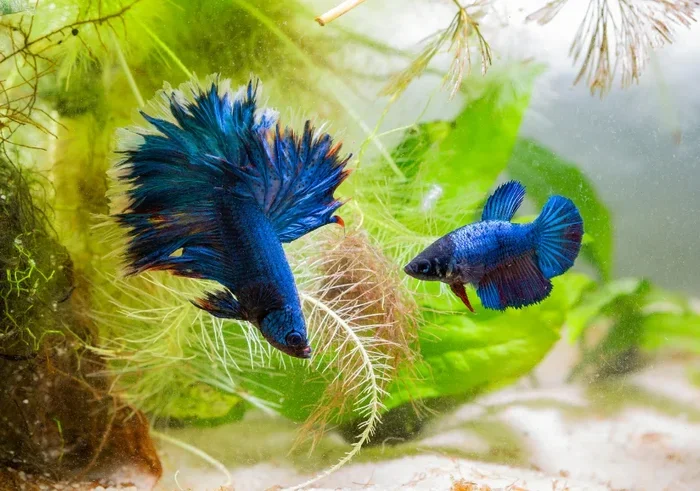
People merge ponds for many reasons. Some want to give their fish more swimming space. Others hope to improve the overall health of the water. In betta fish setups, merging can mean moving fish from a small tank into a larger pond environment, which is closer to their natural habitat. If you are considering keeping betta fish at home in a pond, merging could be part of that plan.
The process is not as simple as just opening a gate between two ponds. Water parameters, temperature, and fish compatibility all need careful attention. A rushed merge can cause more harm than good.
Benefits of Merging Fish Ponds
Improved Water Stability
A larger body of water is more stable than a small one. Think of it like this: a small puddle heats up fast in the sun, but a large lake stays cool and steady. The same principle applies to fish ponds. When you merge ponds, the combined volume dilutes harmful substances like ammonia and nitrite more effectively.
Temperature swings also become less dramatic in a larger pond. This is especially helpful in outdoor setups where weather changes can be sudden. Stable water conditions mean less stress for your fish and a healthier overall ecosystem.
Better Filtration and Waste Dilution
More water volume gives your filtration system more room to work. Waste products are spread out instead of concentrated in a small space. This makes it easier for beneficial bacteria to break down toxins. Your filter does not have to work as hard, which can extend its lifespan.
For those keeping freshwater fish in ponds, dilution is a huge win. Ammonia spikes become less likely, and you can go longer between water changes. This saves time and keeps your fish happier.
More Space for Fish to Thrive
Fish need room to swim and explore. Overcrowding is one of the biggest causes of stress and illness in pond systems. When you merge two ponds, you instantly increase the available swimming area. This can reduce aggression and territorial behavior among fish.
More space also means more room for plants and decorations. Aquatic plants help absorb nitrates and provide natural hiding spots. A well-planted merged pond looks better and functions better too.
Potential Risks of Merging Fish Ponds
Disease and Parasite Spread
This is the biggest risk when merging ponds. If one pond has fish carrying a disease or parasites, combining the water spreads the problem to all the fish. Illness can move fast in a shared environment. Before you merge, you should quarantine and inspect all fish carefully.
Look for signs like white spots, redness, lethargy, or loss of appetite. If anything seems off, treat the fish first. Never merge ponds with sick fish. A few days of observation can save your entire fish population.
Aggression and Territorial Conflicts
Not all fish get along. Some species are territorial and will fight when forced into a shared space. Betta fish, for example, are known for their aggression toward other bettas. Merging ponds with incompatible species can lead to injuries or death.
Even peaceful fish can become territorial when space suddenly changes. The key is to research each species carefully. Understand their temperament and space needs before combining them. When in doubt, keep ponds separate.
Water Parameter Shock
Two ponds rarely have identical water conditions. One might be slightly acidic while the other is alkaline. Temperature differences can also shock fish. Sudden changes in pH, hardness, or temperature can stress fish and weaken their immune systems.
Always test the water in both ponds before merging. If the parameters are far apart, you need to gradually adjust them first. A slow transition is always safer than a sudden swap.
How to Safely Merge Fish Ponds
Step 1: Test and Balance Water Parameters
Start by testing both ponds for pH, ammonia, nitrite, nitrate, and temperature. Write down the results. If the numbers are close, you are in good shape. If they differ significantly, you need to adjust one pond to match the other gradually.
Use a liquid test kit for the most accurate readings. Test strips can be convenient but are less precise. Aim for pH levels within 0.2 of each other and temperature differences under 2 degrees Fahrenheit.
Step 2: Quarantine New Fish
If you are adding fish from one pond to another, quarantine them first. Set up a separate tank or container and keep the fish there for at least two weeks. Watch for any signs of illness during this time.
Quarantine gives you time to treat any problems before they spread. It also helps the fish adjust to new food and conditions. This step is especially important when merging ponds with fish from different sources or environments.
Step 3: Gradual Water Mixing
Do not dump one pond into another all at once. Instead, start by flowing a small stream of water from one pond into the other. Increase the flow slowly over several hours or even days.
This gradual approach lets fish adjust to changing conditions. It also gives beneficial bacteria time to adapt to the new volume. Patience here pays off big time. Rushing this step is one of the most common mistakes pond owners make.
Step 4: Monitor Closely After the Merge
After the merge, test the water daily for at least a week. Watch your fish closely for signs of stress like rapid breathing, hiding, or loss of appetite. If anything looks off, test the water immediately.
Keep a log of your readings. This makes it easy to spot trends or problems early. Most issues that arise after a merge show up within the first 48 hours, so stay extra alert during that window.
When Should You Keep Ponds Separate?
Sometimes the best decision is to not merge at all. Here are situations where keeping ponds separate makes more sense.
- Different Species: If the ponds house fish that do not get along, separation is the safest option.
- Disease Outbreaks: Never merge ponds during or right after an illness. Wait until all fish are fully healthy.
- Very Small Ponds: If both ponds are tiny, merging may not provide enough benefit to justify the risk.
- Incompatible Water Conditions: If you cannot adjust the parameters to match, keeping them separate avoids shock.
- Breeding Projects: If you are breeding fish, separate ponds give you better control over genetics and fry survival.
There is no shame in keeping ponds separate. Sometimes the simplest solution is the best one. Evaluate your specific situation honestly before making a decision.
Expert Tips for Pond Management After Merging
Once your ponds are merged, ongoing maintenance becomes even more important. Here are some tips to keep your combined pond thriving.
Upgrade Your Filtration. A larger pond needs a stronger filter. Make sure your system can handle the increased volume and bioload. If your current filter is undersized, now is the time to upgrade.
Add Aquatic Plants. Plants are nature’s best water purifiers. They absorb excess nutrients, produce oxygen, and provide shelter for fish. Popular choices for merged ponds include water lilies, hornwort, and water lettuce.
Establish a Regular Maintenance Schedule. Even with a larger pond, you still need routine care. Test water weekly, remove debris, and clean filters monthly. Consistency prevents small problems from becoming big ones.
Watch Your Stocking Levels. More space does not mean you can add unlimited fish. Follow the general rule of one inch of fish per ten gallons of water. Overstocking a merged pond defeats the purpose of the upgrade.
Consider Beneficial Bacteria Supplements. After a merge, your biological filter needs time to adjust. Adding a quality bacteria supplement can speed up the nitrogen cycle and keep water crystal clear.
Common Mistakes to Avoid When Merging Ponds
Even experienced pond owners make mistakes. Here are the most common ones and how to avoid them.
- Skipping the Quarantine: Never merge fish without a quarantine period first. This single step prevents most disease problems.
- Ignoring pH Differences: A small pH gap might seem harmless, but it can stress fish over time. Always match pH before merging.
- Rushing the Process: Merging should happen over days, not hours. Slow and steady keeps fish safe.
- Forgetting to Turn Off Pumps: During the actual merge, shut down pumps and filters temporarily. This prevents debris and fish from being pulled into unwanted areas.
- Overfeeding After the Merge: Fish eat less when stressed. Reduce feeding for the first few days after merging to keep water clean.
Avoiding these mistakes saves you time, money, and heartbreak. A successful merge is all about preparation and patience.
Final Thoughts
So, is it better to merge fish ponds? The answer depends on your specific situation. If your ponds house compatible fish, have similar water conditions, and you follow a careful process, merging can be a great move. You get a larger, more stable habitat with easier maintenance and happier fish.
But if your ponds have sick fish, incompatible species, or vastly different water parameters, keeping them separate is the smarter choice. There is no one-size-fits-all answer. The best decision is the one that puts your fish’s health and safety first.
Take your time, do your research, and never rush the process. A well-planned merge can transform your pond into a thriving aquatic ecosystem. Your fish will thank you for it.
Frequently Asked Questions
Can I merge ponds with different fish species?
Yes, but only if the species are compatible. Research each fish’s temperament, size, and water needs before combining them. Aggressive or territorial species should never be merged with peaceful ones.
How long does it take to safely merge two fish ponds?
A full merge should take anywhere from two days to a week, depending on how different the water parameters are. Rushing the process can shock your fish and cause health problems. Patience is the key to a successful merge.
Do I need to remove fish during the merge process?
Yes, it is best to temporarily house fish in a separate container during the merge. This protects them from sudden water changes and allows you to clean both ponds before refilling. It also makes the transition smoother for the fish.
What should I do if fish show signs of stress after merging?
Test the water immediately for ammonia, nitrite, and pH levels. Perform a partial water change if any readings are off. Reduce feeding and add extra aeration to help your fish recover. Most stress signs resolve within a few days if water conditions are stable.
Is merging ponds expensive?
The cost depends on your setup. You may need to upgrade your filter, buy plants, or make minor landscaping changes. However, the long-term savings from reduced maintenance often outweigh the initial investment. A well-done merge can actually save you money over time.
Can I merge indoor aquarium ponds with outdoor fish ponds?
It is possible, but it requires extra care. Indoor and outdoor ponds often have very different temperatures and water chemistry. You must gradually match the conditions before any merge. Start by floating a container of pond water in the indoor tank to equalize temperature slowly.
=== CONCLUSION ===
Merging fish ponds is a decision that can greatly improve your aquatic setup when done right. The benefits of better water quality, more space, and easier maintenance are real and meaningful. But the risks of disease, aggression, and water parameter shock should never be ignored.
The key to a successful merge is preparation, patience, and close monitoring. Test your water, quarantine your fish, and make changes gradually. If you follow these steps, you can create a thriving combined pond that your fish will love.
Remember, every pond setup is different. Trust your knowledge of your fish and their environment. When in doubt, take it slow. A thoughtful merge today can lead to years of a healthy, beautiful pond system.