Is It Better for the Environment to Eat Fish
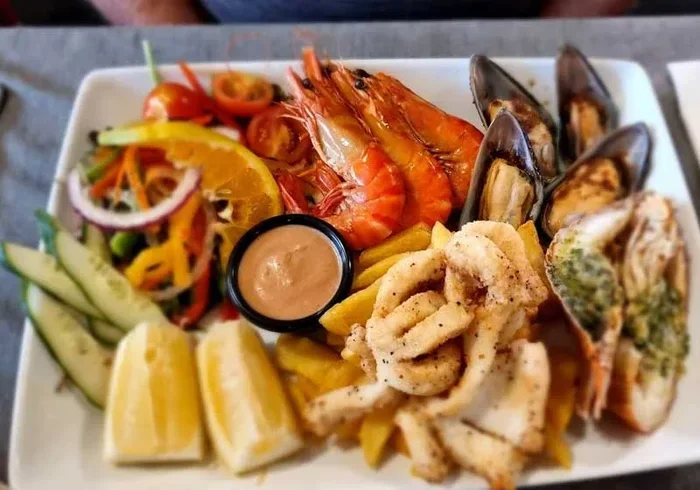
Is it better for the environment to eat fish? The answer is more nuanced than you might think. Eating fish can be a low-carbon protein source compared to land animals, but overfishing and poor farming practices harm our oceans. Choosing sustainable seafood and understanding the environmental impact of eating fish helps you make greener choices every meal.
Is it better for the environment to eat fish? This is a question many people ask as they try to live more sustainably. The environmental impact of eating fish is a hot topic right now. People want to know if their dinner plate helps or hurts the planet.
The truth is not black and white. Eating fish has clear environmental benefits compared to some other meats. But it also comes with serious risks if we are not careful. In this article, we break down the real impact of seafood on our world.
Whether you love wild-caught fish or prefer farmed options, understanding the environmental cost of fish production helps you make smarter choices. Let us dive into the details and find out what really happens when we pull seafood from our oceans and rivers.
Key Takeaways
- Fish generally has a lower carbon footprint than beef or pork, making it a more eco-friendly protein choice.
- Overfishing threatens marine ecosystems and depletes fish populations faster than they can recover.
- Farmed fish can be better or worse for the environment depending on how it is raised and what it is fed.
- Choosing sustainable seafood certified by trusted organizations makes a real difference.
- Wild-caught fish from well-managed fisheries supports ocean health and marine biodiversity.
- Your seafood choices affect the aquatic food chain and the overall health of our oceans.
📑 Table of Contents
Why Fish Is Considered Eco-Friendly Protein
Many people choose fish because it seems like a greener protein. And in many ways, they are right. Compared to beef or pork, fish has a much smaller carbon footprint. This means it produces fewer greenhouse gases during production.
Lower Greenhouse Gas Emissions
Raising cattle releases a lot of methane and carbon dioxide. Fish, on the other hand, requires far less energy to produce. Sustainable seafood from well-managed fisheries often has the smallest environmental impact of any animal protein.
Here are some key facts about the carbon footprint of fish:
- Wild-caught fish produce very few emissions during the catch itself.
- Farmed fish can vary widely depending on the species and farming methods.
- Small fish like sardines and anchovies have an especially low environmental cost.
- Large predatory fish like tuna require more resources to harvest.
Fish vs Land Meat: The Comparison
When you compare fish vs meat environmental impact, fish usually wins. It takes less land, less water, and less feed to produce fish protein. This makes eco-friendly fish options attractive for people who want to reduce their environmental footprint.
But this does not mean all fish is created equal. The way fish is caught or farmed changes everything. A responsibly sourced fish is worlds apart from one caught using destructive methods.
The Hidden Environmental Costs of Eating Fish
While fish has benefits, there are real downsides too. The environmental impact of eating fish goes beyond just carbon emissions. Several hidden costs make certain seafood choices harmful.
Overfishing and Marine Ecosystem Damage
Overfishing is one of the biggest threats to our oceans. When we take too many fish from the sea, we disrupt the entire aquatic food chain. Fish populations cannot recover fast enough, and this throws off the balance of marine life.
Some species are already dangerously overfished. Bluefin tuna, for example, has seen massive population declines. When we overfish, we also catch other sea creatures by accident, which is called bycatch. This wastes marine life and damages ocean health.
Fish Farming: Good or Bad?
Fish farming, also called aquaculture, is growing fast. But is it good for the planet? The answer depends on how it is done.
Some fish farms use open net pens in the ocean. These can pollute surrounding waters with waste and chemicals. They may also spread diseases to wild fish populations. However, responsible fish farming practices can be much better.
Closed-containment farms and sustainable aquaculture methods reduce pollution and protect wild fish. If you want to eat farmed fish, look for certifications that prove the farm follows sustainable fishing practices.
How Your Seafood Choices Affect the Planet
Every time you buy fish, you are casting a vote for the kind of ocean future you want. Your seafood choices directly influence fishing practices around the world.
Supporting Sustainable Fisheries
When you choose wild-caught fish from well-managed fisheries, you support marine biodiversity. Healthy fish populations keep ocean ecosystems balanced. They also support coastal communities that depend on fishing for their livelihoods.
Look for labels like MSC (Marine Stewardship Council) or ASC (Aquaculture Stewardship Council). These certifications tell you the seafood was caught or farmed responsibly. They verify that fishing methods do not harm the environment.
The Role of Consumers in Ocean Health
As a consumer, you have more power than you think. By choosing sustainable seafood, you encourage fisheries to adopt better practices. When demand shifts toward responsibly sourced fish, the whole industry changes.
Here are simple steps you can take:
- Check sustainability guides before buying seafood.
- Choose local fish when possible to reduce transport emissions.
- Try underused species to reduce pressure on popular ones.
- Avoid fish from fisheries with known overfishing problems.
Is Farmed Fish Better or Worse for the Environment?
This is one of the most debated questions in seafood sustainability. The answer is not simple. Some farmed fish is excellent for the planet, while other types cause real harm.
Is eating farmed fish better for the environment? The key is in how it is raised. Some farms use feed made from wild fish, which just shifts the problem. Others use plant-based feeds or insect-based proteins, which are much more sustainable.
Species like tilapia and catfish raised in responsible aquaculture systems can be a very eco-friendly choice. They grow fast, eat efficiently, and have a low environmental cost. On the other hand, farmed salmon from poorly managed operations can harm wild salmon populations and pollute ocean floors.
The best approach is to research where your fish comes from. Is it better to eat fish that is farmed sustainably or wild-caught responsibly? Both can be great options when done right.
What Is the Most Environmentally Friendly Fish to Eat?
If you want to make the greenest choices, some fish stand out as top picks. These species have low environmental impact and come from healthy populations.
Best Eco-Friendly Fish Choices
Small, fast-growing fish are usually the best choice. They reproduce quickly and are less likely to be overfished. Sardines, anchovies, mackerel, and herring are excellent eco-friendly fish options.
For white fish, look for Pacific cod or farmed barramundi from certified sources. These choices support responsible seafood choices and help keep marine ecosystems healthy.
Fish to Avoid or Choose Carefully
Some fish should be eaten less often or avoided altogether. Bluefin tuna, shark, and swordfish are often overfished or caught using destructive methods. These choices hurt ocean health and the broader marine ecosystem.
If you love these species, look for alternatives from well-managed fisheries. The goal is to enjoy fish without contributing to the decline of our oceans.
Conclusion
So, is it better for the environment to eat fish? The short answer is yes, when done right. Sustainable seafood can be one of the most environmentally friendly proteins you can eat. It has a lower carbon footprint than most land meats and requires fewer resources.
But the key word is sustainable. Overfishing, poor farming practices, and irresponsible sourcing all damage our oceans. By making informed choices, you can enjoy fish while protecting marine biodiversity and ocean health.
The next time you shop for seafood, think about where it came from. Choose responsibly sourced fish and support fisheries that care about the planet. Your choices matter more than you think.
Frequently Asked Questions
Is eating fish better for the environment than eating meat?
In most cases, yes. Fish generally has a lower carbon footprint and requires fewer resources than beef or pork. However, the environmental impact depends on how the fish is caught or farmed. Choosing sustainable seafood makes the biggest difference.
What is the most sustainable fish to eat?
Small fish like sardines, anchovies, and mackerel are among the most sustainable choices. They reproduce quickly and are less likely to be overfarmed. Look for MSC-certified wild-caught fish or farmed fish with ASC certification for the greenest options.
Does fish farming harm the environment?
It depends on the farming method. Open net pen farms can pollute waters and spread disease. However, closed-containment systems and responsible aquaculture practices minimize environmental harm. Always check for sustainability certifications when buying farmed fish.
How does overfishing affect ocean ecosystems?
Overfishing disrupts the aquatic food chain and depletes fish populations. It also leads to high levels of bycatch, which wastes other marine life. Healthy fish populations are essential for maintaining marine biodiversity and overall ocean health.
Can eating fish help reduce my carbon footprint?
Yes, replacing red meat with fish can lower your carbon footprint. Fish protein production generates fewer greenhouse gases. But the environmental cost of fish production varies, so choosing sustainably sourced options is key.
What should I look for when buying sustainable fish?
Look for certifications like MSC for wild-caught fish and ASC for farmed fish. Choose local fish when possible to reduce transport emissions. Avoid species known to be overfished, and use sustainability guides to make informed responsible seafood choices.