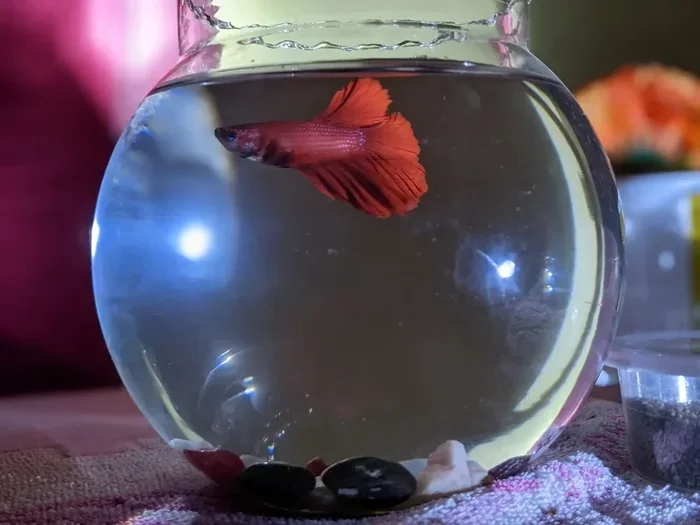
Is It Bad to Breed Betta Fish
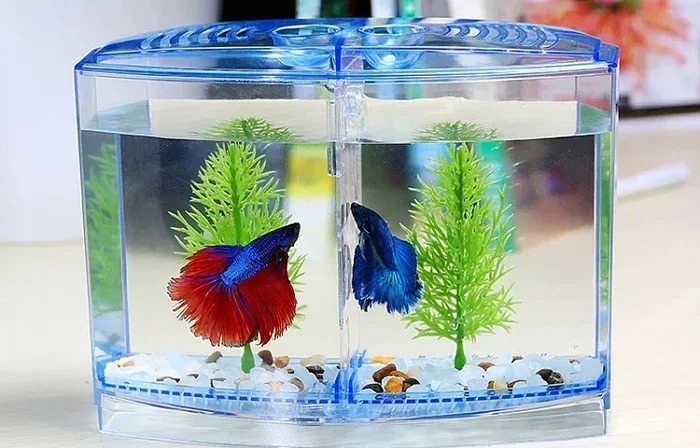
Is it bad to breed betta fish? The answer depends on your knowledge, setup, and commitment. Breeding betta fish can be rewarding but comes with real challenges like aggression, fry survival, and proper tank management. This guide covers everything you need to know before deciding to breed your bettas.
Key Takeaways
- Breeding betta fish requires preparation: You need the right tank setup, water conditions, and knowledge before starting.
- Health and genetics matter: Only healthy, mature fish should be bred to avoid passing on weak traits.
- Fry survival is challenging: Bettas can be aggressive toward their own offspring, and raising fry demands extra effort.
- Overbreeding is a real risk: Breeding too frequently harms the parent fish and reduces lifespan.
- Responsible breeding helps the hobby: Ethical practices improve betta fish genetics and welfare overall.
📑 Table of Contents
Is It Bad to Breed Betta Fish?
Many fish lovers wonder, is it bad to breed betta fish. The short answer is no — but only when done responsibly. Breeding bettas can be a fun and educational experience. However, it also comes with serious responsibilities that many beginners overlook.
If you are thinking about breeding your betta fish, you need to understand what is involved. It is not just about putting two fish together and waiting for eggs. There are tank requirements, health considerations, and ethical questions to address. This guide will walk you through everything you need to know.
Betta fish breeding is a topic that sparks strong opinions. Some people love the idea of raising new fish. Others worry about the welfare of the parent fish and their offspring. Both sides have valid points. The key is to be informed and make decisions that prioritize the fish.
Understanding Betta Fish Breeding Basics
Before you decide to breed, you need to understand the basics. Bettas are known as Siamese fighting fish. They are labyrinth fish, which means they breathe air from the surface. This unique trait affects how they breed and what they need to thrive.
Male bettas build bubble nests at the water surface. These nests hold the eggs during fertilization. The male guards the nest and the fry until they can swim on their own. This behavior is fascinating but also demanding for the fish.
When Is a Betta Ready to Breed?
Knowing how old betta fish to breed is critical. Bettas should be at least 4 to 6 months old before breeding. Breeding too young can cause health problems. The female should have a visible white egg spot on her belly. The male should show strong colors and build bubble nests regularly.
You also need to make sure both fish are healthy. Look for signs of active swimming, good appetite, and bright colors. If either fish looks sick or weak, breeding is not a good idea. You can learn more about keeping your fish healthy by checking how to know if your betta fish is happy and active.
The Breeding Process Step by Step
The betta fish breeding process has several stages. Here is a simple breakdown:
- Conditioning: Feed both fish high-quality food for 1 to 2 weeks before breeding.
- Introduction: Place the male and female in a separate breeding tank together.
- Spawning: The male wraps around the female to collect eggs. This process can last several hours.
- Egg Collection: The male places fertilized eggs into the bubble nest.
- Fry Care: The male guards the fry until they are free-swimming. Then he must be removed to prevent aggression.
Each stage requires close monitoring. Skipping steps or rushing the process can lead to problems. For more detailed guidance on the full breeding process, check out our how to breed betta fish guide.
Why Some People Say Breeding Betta Fish Is Bad
There are real concerns about betta fish breeding. These concerns come from both experienced hobbyists and animal welfare advocates. Understanding these issues helps you make better decisions.
Health Risks to Parent Fish
Breeding takes a toll on betta fish. The female can become exhausted from egg production. The male may stop eating while guarding the nest. Both fish experience stress during the breeding process. If they are not properly cared for afterward, their health can decline quickly.
Overbreeding is one of the biggest problems. Some breeders produce multiple batches in a short time. This practice weakens the fish and shortens their lifespan. A betta fish that is bred too often may develop diseases or lose its vibrant colors.
Genetic Problems from Poor Breeding
When people breed bettas without planning, genetic issues can arise. Fish may develop curved spines, weak immune systems, or poor color quality. These problems pass down to future generations. Betta fish genetics matter a lot. Irresponsible breeding harms the entire hobby.
Many pet store bettas come from mass breeding facilities. These facilities often prioritize quantity over quality. The result is fish that are more prone to illness and shorter lifespans. Ethical breeders focus on health, color, and fin quality instead.
Fry Survival and Ethical Concerns
Raising betta fry is harder than most people expect. Many fry do not survive the first few weeks. Some males may eat their own eggs or fry. This behavior is natural but distressing for hobbyists who want to raise healthy fish.
There is also the question of what happens to all the fry. Hundreds of baby fish need homes. Many end up in overcrowded tanks or are given away without proper care instructions. This creates a cycle of poor conditions for the fish.
The Benefits of Responsible Betta Fish Breeding
Despite the challenges, breeding bettas has real benefits. When done correctly, it can improve fish health and support the hobby. Here are some positive aspects of betta fish breeding.
Improving Betta Fish Genetics
Responsible breeders select parent fish with strong traits. They focus on color, fin shape, and overall health. Over time, this produces stronger, more beautiful fish. Betta fish colors can become more vibrant through careful selection.
Good breeding practices also reduce the risk of genetic diseases. Healthy parent fish produce healthier offspring. This is a major benefit for the entire betta fish community.
Supporting the Hobby and Education
Breeding bettas teaches patience and attention to detail. It helps hobbyists understand fish behavior and water chemistry better. Many experienced aquarists say breeding was the best thing they did to improve their fish-keeping skills.
Breeders also help preserve rare color varieties and fin types. Without dedicated breeders, some beautiful betta strains would disappear. This is especially true for specialty fish like giant betta fish or unique koi patterns.
Creating a Rewarding Experience
Watching betta fry grow from tiny eggs to active swimmers is incredibly satisfying. It gives hobbyists a deeper connection to their fish. For families, it can be an educational experience that teaches responsibility and biology.
If you want to start breeding, make sure your setup is right. A proper betta fish tank with stable water parameters is essential. Learn how to set up a breeding tank correctly before introducing any fish. For tips on aquarium breeding setups, visit our guide on how to breed betta fish in aquarium.
How to Breed Betta Fish Responsibly
If you have decided to breed your bettas, follow these guidelines to do it the right way. Responsible breeding protects both the parent fish and their offspring.
Step 1: Set Up a Proper Breeding Tank
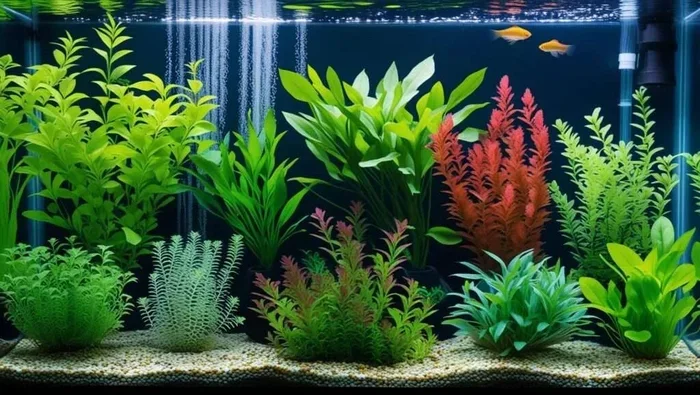
The breeding tank should be at least 10 gallons. Use a sponge filter to keep the water clean without creating strong currents. Add floating plants or a breeding mop for the fry to hide in. The water temperature should be around 80 to 82 degrees Fahrenheit.
Keep the water clean and stable. Test ammonia, nitrite, and nitrate levels regularly. Poor water quality is one of the top reasons breeding attempts fail.
Step 2: Choose Healthy Parent Fish
Select fish that are at least 4 to 6 months old. Both the male and female should show bright colors and active behavior. Avoid fish with visible signs of illness like clamped fins, white spots, or lethargy.
Condition the fish with live or frozen food for 1 to 2 weeks before breeding. This helps prepare their bodies for the spawning process. High-quality betta fish food makes a big difference in breeding success.
Step 3: Monitor the Breeding Process
Watch the fish closely during introduction. Some aggression is normal, but remove the female if the male bites too hard. Once the bubble nest forms, the male will guide the female to release eggs.
After spawning, remove the female immediately. The male may become aggressive toward her. He will focus on guarding the eggs and caring for the fry.
Step 4: Care for the Fry
Once the fry are free-swimming, remove the male from the tank. He may eat the fry if left too long. Feed the fry infusoria or liquid fry food for the first week. Gradually introduce baby brine shrimp as they grow.
Keep the water changes small but frequent. Fry are very sensitive to water quality. Use a turkey baster to remove uneaten food and waste gently.
Common Mistakes to Avoid
Many new breeders make avoidable mistakes. Here are some to watch out for:
- Breeding too young: Fish under 4 months old are not ready.
- Skipping conditioning: Poor nutrition leads to weak eggs and fry.
- Overcrowding the tank: Too many fish causes stress and disease.
- Ignoring water quality: Dirty water kills fry quickly.
- Breeding too frequently: Give parent fish time to recover between batches.
If your betta fish starts showing unusual behavior during breeding, pay attention. Some bettas may try to jump out of the tank when stressed. Learn more about why bettas jump and how to prevent it by reading our article on why is my betta fish trying to jump out.
Is Breeding Betta Fish Right for You?
So, is it bad to breed betta fish? Not if you approach it with knowledge and care. The decision to breed should never be taken lightly. You are responsible for the health of two adult fish and potentially hundreds of fry.
Ask yourself a few questions before starting:
- Do I have the right equipment and tank setup?
- Am I prepared to care for the fry if they survive?
- Can I find good homes for all the offspring?
- Am I breeding for the right reasons — health and quality, not just profit?
If you can answer yes to these questions, breeding can be a positive experience. If not, it may be better to focus on enjoying your current fish. You can learn more about keeping your bettas healthy and happy by reading how to know if your betta fish is happy and thriving.
Remember that every fish deserves a good life. Whether you breed or not, the most important thing is to care for your fish properly. Happy, healthy bettas make the hobby worthwhile for everyone.
Expert Insights on Betta Fish Breeding
Experienced breeders and aquatic veterinarians agree on a few key points. First, never breed fish that show signs of disease or poor genetics. Second, always give parent fish time to recover between breeding cycles. Third, prioritize fish welfare over profit or collection goals.
Many experts recommend limiting breeding to 2 or 3 batches per year per fish pair. This allows the female to recover from egg production and the male to regain strength. Some breeders also rotate breeding pairs to reduce inbreeding and maintain genetic diversity.
If you notice your betta fish showing signs of stress like sinking to the bottom or struggling to swim, stop the breeding process and focus on recovery. You can find helpful information on common betta health issues in our articles on why is my betta fish sinking to the bottom and why is my betta fish struggling to swim.
Good breeding practices also involve proper betta fish water parameters. Keep the pH between 6.5 and 7.5, and maintain a stable temperature. Use a heater and thermometer to avoid sudden changes. Clean water is the foundation of successful breeding and healthy fish.
Conclusion
Is it bad to breed betta fish? The answer is clear: it is not bad when done responsibly. Breeding bettas can be a rewarding part of the hobby. It allows you to contribute to better genetics, support the fish community, and enjoy the fascinating process of new life.
However, irresponsible breeding causes real harm. Overbreeding, poor genetics, and neglect lead to unhealthy fish and wasted lives. Every hobbyist has a role to play in making sure breeding practices are ethical and sustainable.
Take the time to learn, prepare, and care for your fish at every stage. Whether you decide to breed or simply enjoy your current bettas, the goal is the same: happy, healthy fish. Start with the right knowledge, and you will make the best decisions for your aquatic pets.
Frequently Asked Questions
Is breeding betta fish cruel?
Breeding is not cruel if done responsibly. The key is to provide proper care, healthy parent fish, and suitable tank conditions. Overbreeding or ignoring fish health is what makes the process harmful.
How many times can you breed a betta fish?
Most experts recommend breeding a pair no more than 2 to 3 times per year. This gives both the male and female time to recover physically and reduces stress on their bodies.
Do betta fish eat their own babies?
Yes, sometimes. Male bettas may eat eggs or fry if they are not removed in time. Female bettas can also show aggression after spawning. This is a natural behavior, not a sign of a bad fish.
What is the best age to breed betta fish?
The ideal breeding age is 4 to 6 months for both males and females. Breeding fish that are too young or too old can lead to health problems and weak offspring.
Can you breed betta fish in a community tank?
No, breeding bettas should always happen in a separate tank. Male bettas are highly aggressive and will attack other fish, including the female after spawning. A dedicated breeding tank ensures safety for all fish involved.
Do I need a license to breed betta fish?
In most places, you do not need a license to breed bettas as a hobby. However, commercial breeding may require permits depending on your local laws and regulations. Always check your area’s rules before starting a breeding operation.