Is It Bad Luck to Keep Betta Fish

Is it bad luck to keep betta fish? The short answer is no. Betta fish superstition varies across cultures, but most traditions see these vibrant fish as symbols of good luck, fortune, and positive energy. In feng shui and Southeast Asian folklore, betta fish are believed to attract wealth and harmony. Whether you care for them in a home aquarium or a small bowl, these beautiful creatures bring joy and calm to any space.
You have probably heard the whispers. “Don’t keep a betta fish. It brings bad luck.” Maybe a friend warned you. Maybe you saw it online. The idea that is it bad luck to keep betta fish has floated around for years. But where does this belief come from? And is there any truth behind it?
The truth might surprise you. Most people who know anything about betta fish symbolism will tell you the opposite. These stunning creatures are seen as lucky in many parts of the world. Their bright colors and graceful fins have made them symbols of good fortune, prosperity, and positive energy for centuries.
In this article, we will dig deep into the myths and the facts. We will explore betta fish superstition, cultural beliefs, and what science and experience actually say. By the end, you will know exactly whether keeping a betta fish is something to celebrate or fear.
Key Takeaways
- Betta fish are not bad luck: Most cultures view them as symbols of fortune and prosperity.
- Superstitions vary by region: Some beliefs claim bad luck, but these are rooted in folklore, not facts.
- Proper betta fish care matters: A healthy, happy fish reflects positive energy in your home.
- Feng shui favors betta fish: Their colors and movement are thought to attract wealth and balance.
- Keeping betta fish at home is beneficial: They reduce stress and add life to any room.
- Myths die hard: Understanding the truth helps you enjoy your fish without worry.
📑 Table of Contents
The Origins of Betta Fish Superstition
Every superstition has a story behind it. The belief that betta fish bring bad luck does not come from nowhere. It traces back to cultural traditions and old folklore that people passed down through generations.
Where Did the Bad Luck Myth Start?
In some Asian cultures, people believed that betta fish bad luck came from the fish’s aggressive nature. Bettas are known for fighting each other. Because of this, some folks thought the fish carried a “warrior energy” that could bring conflict into a home. The idea was simple: a fighting fish equals fighting in the household.
But this logic has a big flaw. A betta fish fighting in a store tank is not the same as bringing conflict into your living room. Fish behave according to their environment, not your personal life. Keeping betta fish at home does not magically start arguments. That is just how the story got twisted over time.
Betta Fish in Thai and Cambodian Culture
In Thailand and Cambodia, betta fish are actually called plakat, which means “biting fish.” The locals have bred them for fighting for hundreds of years. Yet, even with this history, many Thai and Cambodian families consider bettas to be lucky animals. They believe the fish bring protection and good fortune to the home.
Buddhist monks in Southeast Asia have also kept betta fish in temples. They see the fish as symbols of peace, balance, and spiritual energy. So the same fish that some call unlucky others treat as sacred.
Betta Fish Symbolism Across Cultures
Symbolism plays a huge role in why people think the way they do about pets. When it comes to betta fish meaning, the picture is actually very positive in most traditions.
The Feng Shui Connection
If you have ever explored feng shui, you know that water and living creatures carry strong energy. Feng shui practitioners love betta fish aquarium setups because water represents wealth and flow. A betta fish swimming gracefully in a tank is thought to attract positive chi, or life force energy, into a space.
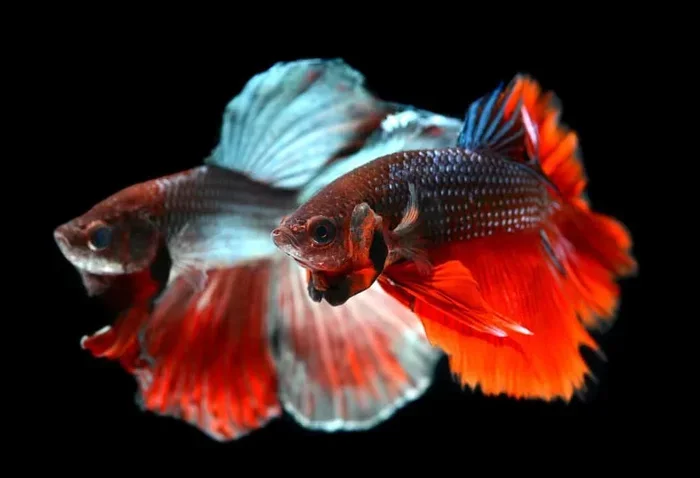
The color of the fish matters too. Red and gold bettas are considered the luckiest. Blue and purple ones are also seen as calming and protective. No matter the color, a healthy betta fish is believed to boost the energy of any room.
Colors and Their Meanings
Different betta fish colors carry different symbolism:
- Red bettas: Represent fire, passion, and good fortune.
- Gold bettas: Symbolize wealth and prosperity.
- Blue bettas: Stand for calmness and serenity.
- Green bettas: Are linked to growth and healing.
- Black bettas: Are believed to ward off negative energy.
So when someone asks, is it bad luck to keep betta fish, the color alone can flip the answer to good luck.
What Science and Experts Say
Superstitions are fun to explore, but what does actual evidence say? Science does not support the idea that any pet fish brings bad luck. There is no data, no study, and no logical mechanism that connects a betta fish to misfortune.
Betta Fish as Stress Relievers
Studies on pets and mental health show that watching fish swim has a calming effect. People who keep aquariums often report lower stress levels and better sleep. A betta fish home setup can become a small meditation point in your day.
When you feel stressed, just watching your betta glide through the water can ease your mind. That is not bad luck. That is good for your well-being.
How a Healthy Fish Reflects Positive Energy
When you take good care of your betta, the fish thrives. A happy, active betta with bright colors makes any space feel alive. This sense of life and movement in your home creates what many people call positive energy.
On the flip side, if a fish gets sick, some people blame it on bad luck. But the truth is simple: the fish needs better care. Check the water temperature, clean the tank, and feed properly. How to keep betta fish alive is really about understanding their basic needs, not worrying about superstition.
Common Myths About Betta Fish and Luck
Let us clear up some of the most common myths floating around. These false beliefs stop people from enjoying beautiful pets.
Myth 1: Bettas Are Too Aggressive to Keep at Home
Yes, male bettas fight each other. But that does not mean they are aggressive toward humans. A betta fish kept in a proper home aquarium with the right setup is gentle and curious. They often recognize their owners and swim to the front of the tank when they see you.
Myth 2: A Dead Betta Fish Means Bad Luck
This is one of the saddest myths. When a betta fish passes away, some people assume it brought bad fortune. In reality, betta fish have a lifespan of about three to five years with proper care. A fish dying simply means it lived a full life or faced health issues that could have been prevented with better betta fish care.
Instead of blaming luck, focus on what you can control. How to keep your betta fish warm, maintain clean water, and feed a balanced diet. These actions matter far more than any superstition.
Myth 3: You Should Not Buy a Betta Fish If You Want Good Fortune
This myth is completely unfounded. Many people who keep bettas report feeling happier and more relaxed. The fish adds beauty and movement to a room. That is the opposite of bad luck. If anything, keeping betta fish at home is a small act of self-care that improves your daily mood.
How to Keep Your Betta Fish Happy and Healthy
Whether you believe in luck or not, a healthy betta is a joy to have. Here are some simple tips to make sure your fish thrives.
1. Give Them Enough Space
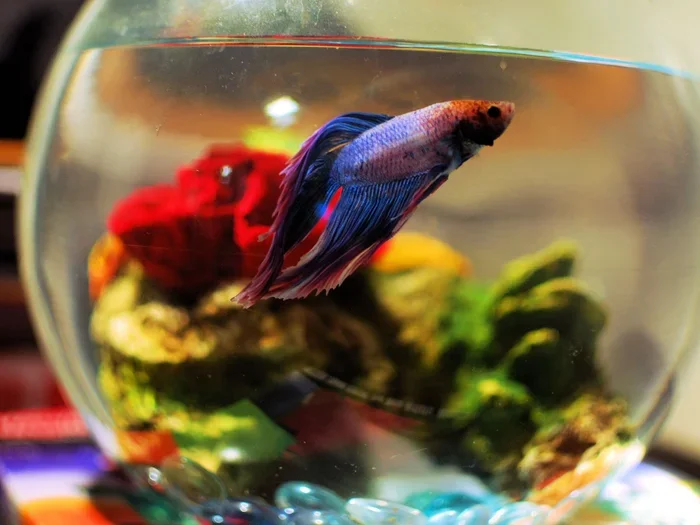
A common mistake is keeping a betta in a tiny bowl. Bettas need at least a 5-gallon tank to stay healthy. A larger tank with a filter and heater gives them room to swim and explore. Where to keep betta fish matters more than people think.
2. Keep the Water Warm
Betta fish come from warm climates in Southeast Asia. The ideal water temperature is between 76 and 82 degrees Fahrenheit. If the water gets too cold, the fish becomes sluggish and may get sick. How to keep my betta fish warm without a heater is a common question, and the answer is simple: use a good aquarium heater designed for small tanks.
3. Feed Them Properly
Overfeeding is one of the fastest ways to make a betta sick. Feed small amounts twice a day. High-quality betta pellets or frozen bloodworms make great meals. Remove any uneaten food after a few minutes to keep the water clean.
4. Watch for Signs of Illness
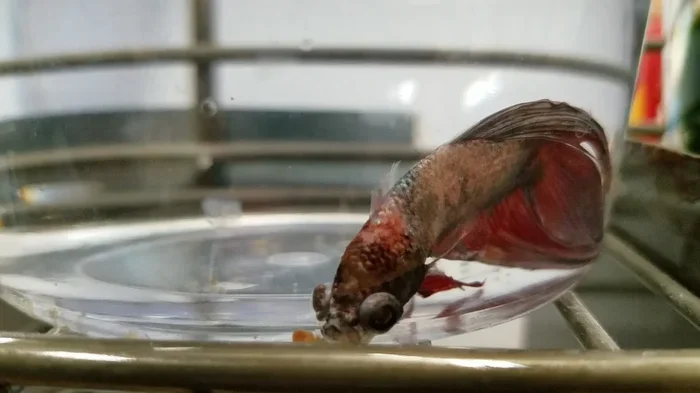
Knowing how to tell if my betta fish is sick can save its life. Look for clamped fins, loss of color, refusal to eat, or staying at the bottom of the tank. Catching problems early gives you the best chance to help your fish recover.
5. Add Plants and Decorations
Betta fish love places to hide and rest. Live or silk plants give them a natural feel. A few smooth rocks or a small log create a cozy environment. A well-decorated tank also looks beautiful and adds to the positive energy in your home.
Expert Insight: Many experienced betta keepers say their fish seem to recognize them. They swim to the glass when the owner walks by. This connection between human and fish creates a bond that feels anything but unlucky. It feels like companionship.
Do Betta Fish Bring Good Luck?
After all the myths, let us focus on the positive side. Many cultures and traditions believe that betta fish good luck is very real. Let us look at why.
The Warrior Spirit
In Thai culture, the betta fish is called the “warrior fish.” But this warrior spirit is seen as protective, not harmful. People believe that having a betta in the home shields the family from negative forces. The fish stands strong and proud, and that energy is thought to protect the household.
The Money Fish Belief
In some Asian countries, people call betta fish “money fish.” The belief is that the fish’s vibrant colors attract wealth. Red and gold bettas are especially popular in businesses and homes where people want to invite prosperity. Placing a betta fish near the entrance of a home or office is thought to welcome good fortune inside.
Emotional Well-Being as a Form of Luck
Even if you do not believe in spiritual luck, the emotional benefits are real. A pet fish reduces anxiety. The gentle movement of water and the quiet beauty of a betta create a peaceful atmosphere. Many people say their betta fish helped them through stressful times. That kind of comfort feels like luck in itself.
If you are still wondering, is it bad luck to keep betta fish, the answer from every angle is clear. The superstition is outdated, the symbolism is positive, and the real-world benefits are genuine.
What to Do If You Already Believe in Bad Luck
Sometimes beliefs run deep. If you have been told that betta fish are unlucky, it can be hard to shake the feeling. Here are a few things to help you reframe your thinking.
- Learn the real history: Understanding where the myth came from helps you see it for what it is. Folklore is not fact.
- Talk to experienced keepers: Join online communities or local fish clubs. Real betta owners will share their positive experiences.
- Focus on care, not fear: When you invest time in how to keep a betta fish alive and healthy, you build a relationship based on love, not superstition.
- Trust your own experience: Your betta fish is not magic. It is a living creature that responds to your care. Give it good conditions, and it will thrive.
Do betta fish bring bad luck only if you believe they do. The power of belief is strong, but it should not control your decisions about caring for a pet. Choose knowledge over fear.
Final Thoughts
The question of is it bad luck to keep betta fish comes down to old stories and misunderstandings. The truth is that betta fish are beautiful, peaceful creatures that bring joy to millions of homes around the world. Their symbolism across cultures points toward luck, prosperity, and positive energy.
Whether you keep your betta in a small tank or a larger aquarium, you are inviting life and color into your space. Taking proper care of your fish, maintaining clean water, and feeding a healthy diet will keep your betta thriving for years.
So the next time someone tells you betta fish are bad luck, smile. You know better. These magnificent fish are a gift, not a curse. Embrace the betta fish meaning of strength, beauty, and good fortune, and enjoy every moment with your colorful companion.
Keep learning, keep caring, and let your betta fish remind you every day that good things come in small, vibrant packages.
Frequently Asked Questions
Is it bad luck to keep betta fish at home?
No, keeping betta fish at home is not bad luck. In most cultures, bettas are seen as symbols of good fortune, prosperity, and positive energy. The idea that they bring bad luck comes from old folklore about their aggressive nature, which has no basis in fact.
Why do some people think betta fish bring bad luck?
Some people believe bettas bring bad luck because they are known for fighting each other. This led to the old superstition that a fighting fish brings conflict into a home. However, this belief is not supported by any evidence, and bettas kept in proper aquarium setups are peaceful and gentle.
What does a betta fish symbolize in feng shui?
In feng shui, betta fish are considered symbols of wealth, protection, and positive energy. Their vibrant colors and graceful movement in water are believed to attract good chi and promote harmony in a space. Red and gold bettas are especially prized for their luck-bringing properties.
Can a dead betta fish really mean bad luck?
No, a dead betta fish does not mean bad luck. Fish have natural lifespans and can pass away from health issues, poor water conditions, or old age. Focusing on proper betta fish care, including clean water and appropriate temperature, gives your fish the best chance at a long and healthy life.
Are betta fish good pets for beginners?
Yes, betta fish are excellent pets for beginners. They are relatively low-maintenance compared to many other fish species. With a properly set up tank, regular feeding, and basic care, a betta fish can live a happy and healthy life for several years.
How can I make sure my betta fish stays healthy?
To keep your betta fish healthy, maintain clean water, keep the temperature between 76 and 82 degrees Fahrenheit, feed small amounts twice a day, and provide a tank of at least 5 gallons. Regular water changes and a good filter go a long way in preventing illness. For more tips, check out our guide on how to keep betta fish alive.