Is Fishing for Walleye Better in the Morning
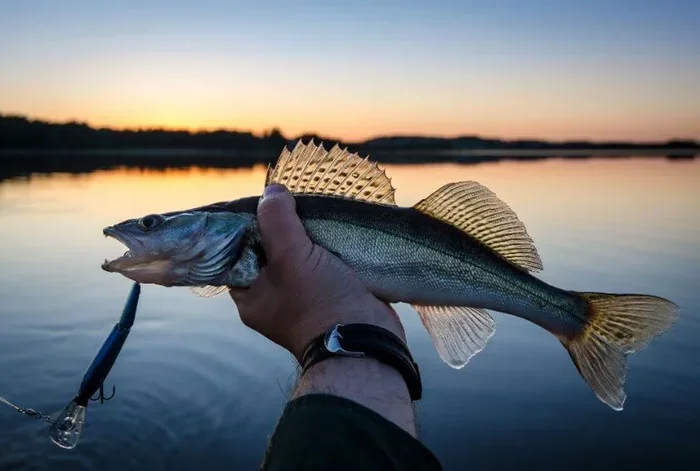
Yes, fishing for walleye is often better in the morning. Walleye are most active during dawn hours when light levels are low and water temperatures are cool. Understanding the morning walleye bite can dramatically improve your catch rate and make every trip more productive.
Key Takeaways
- Walleye feed aggressively at dawn: Low light conditions trigger their natural feeding instincts, making morning the prime time to fish.
- Water temperature matters: Walleye are most active when water temperatures range between 55°F and 68°F, which often occurs in the morning.
- Light sensitivity gives walleye an edge: Their eyes are built for low-light environments, so early morning hours give them a hunting advantage that anglers can exploit.
- Seasonal patterns shift the bite: Spring, summer, and fall mornings all offer different walleye fishing opportunities and techniques.
- Weather and pressure play a role: Stable or slightly falling barometric pressure in the morning often produces the best results.
📑 Table of Contents
- Is Fishing for Walleye Better in the Morning?
- Why Walleye Are More Active in the Morning
- Best Morning Techniques for Walleye Fishing
- How Seasons Affect Morning Walleye Fishing
- Weather and Conditions That Boost the Morning Bite
- Common Mistakes to Avoid When Morning Walleye Fishing
- Expert Tips for Maximizing Your Morning Walleye Catch
- When the Morning Bite Slows Down
- Final Thoughts
Is Fishing for Walleye Better in the Morning?
If you have ever wondered whether fishing for walleye is better in the morning, the short answer is yes. Walleye are crepuscular feeders, which means they are most active during twilight hours. Dawn is one of the best windows of the day to target these prized freshwater gamefish.
But “better” is a relative term. The morning bite depends on many factors, including the season, water conditions, and weather patterns. In this article, we will break down everything you need to know about targeting walleye at dawn. You will learn why the morning works, what techniques to use, and how to adjust your approach based on conditions.
Whether you are a weekend angler or a serious walleye hunter, understanding the morning walleye bite can transform your fishing trips. Let us dive in.
Why Walleye Are More Active in the Morning
Walleye have a unique biological advantage that makes them natural predators during low-light periods. Their eyes contain a special layer of cells called the tapetum lucidum. This layer reflects light back through the retina, giving walleye superior night vision. During the morning, this adaptation gives them a clear edge over their prey.
Here is why the morning bite is so strong:
- Low light conditions: Walleye feel safer moving into shallow water when the sun is low. They can hunt without the bright overhead light making them visible to predators.
- Cooler water temperatures: Morning water is typically cooler, which increases walleye metabolism and feeding drive.
- Prey movement: Baitfish and insects are most active at dawn, drawing walleye into feeding mode.
- Reduced fishing pressure: Many anglers sleep in, so the water is often less pressured in the early hours.
As Do Fish Bite Better in the Morning suggests across many species, the early hours consistently produce stronger bites. Walleye are no exception to this pattern.
The Science Behind the Morning Bite
Walleye vision is optimized for dim light. Their large pupils let in more light, and their reflective eye layer amplifies whatever is available. When the sun first rises, the world is still dim enough for walleye to feel confident feeding in areas they would avoid during midday.
Research also shows that walleye feeding peaks during two windows each day. The first is the pre-dawn and early morning period. The second is the evening twilight window. This means if you want to maximize your catch, the morning bite deserves your full attention.
Best Morning Techniques for Walleye Fishing
Now that you understand why the morning works, let us talk about how to fish for walleye during those golden hours. The right technique can make all the difference between a limit and a limitless morning.
Trolling in the Early Morning
Trolling is one of the most effective methods for covering water at dawn. Use crankbaits or spinner rigs that run at the right depth for the lake you are fishing. Slow troll along shoreline structures, points, and drop-offs where walleye like to hold.
Pro Tip: Start trolling just before sunrise. The low light will put walleye in an active feeding mood, and your lures will be moving through the strike zone at the perfect time.
Jigging for Walleye at Dawn
Jigging is a hands-on approach that works incredibly well in the morning. Use a light jig tipped with a live minnow or soft plastic. Work the jig slowly along the bottom, pausing frequently. Walleye in the morning tend to be less aggressive, so a slow presentation is key.
This technique is especially effective when fishing for walleye in the morning over rocky or sandy bottoms where walleye like to patrol.
Using Live Bait in the Morning
Live bait is hard to beat during the early hours. Minnows, leeches, and nightcrawlers all produce well at dawn. Rig them on a slip sinker setup or a simple bobber and wait for the bite.
Live bait works because it mimics the natural prey that walleye are actively feeding on during morning hours. The movement of a live minnow in the water is irresistible to a hungry walleye looking for an easy meal.
How Seasons Affect Morning Walleye Fishing
The morning bite changes with the seasons. Understanding these seasonal patterns helps you adjust your expectations and techniques throughout the year.
| Season | Morning Conditions | Best Technique | Walleye Location |
|---|---|---|---|
| Spring | Cool water, walleye moving shallow | Jigging with live bait | Shallow flats and spawning areas |
| Summer | Warm water, early bite starts earlier | Trolling deep structure | Deep points and humps |
| Fall | Cooling water, aggressive feeding | Crankbait trolling | Transition zones and feeder creeks |
| Winter | Very cold, slow bite | Slow jigging through ice | Deep basins and channels |
Spring mornings are arguably the most exciting time to fish for walleye. The fish are moving into shallow water to spawn, and they are hungry. A morning walleye fishing trip in spring can produce some of the biggest fish of the year.
In summer, the morning bite starts earlier because the water is warmer. Walleye feed aggressively before the heat of the day drives them deeper. If you can get on the water before sunrise, you will have a real advantage.
Fall mornings bring cooling water temperatures and some of the most aggressive walleye feeding of the year. The fish are bulking up for winter, and they feed heavily at dawn.
Weather and Conditions That Boost the Morning Bite
Not all mornings are created equal when it comes to walleye fishing. Certain weather conditions make the morning bite even stronger.
Is Low Pressure Better for Fishing? Yes, and this applies to walleye as well. When barometric pressure is stable or slowly falling, walleye tend to feed more actively. A morning with low or stable pressure is a prime time to get on the water.
Here are the weather conditions that improve your morning walleye fishing:
- Overcast mornings: Cloud cover extends the low-light period, keeping walleye active longer into the morning.
- Light wind: A gentle breeze creates surface ripple that reduces light penetration and makes walleye feel more comfortable in shallow water.
- Cool mornings after a warm front: The temperature drop triggers feeding activity.
- Light rain: Rain can wash insects and baitfish into the water, triggering a feeding response in walleye.
On the other hand, bright sunny mornings can make walleye retreat to deeper water. If the sun is already high and the water is clear, you may need to adjust your depth and location.
Wind and Wave Action
Light wind creates wave action that breaks up the surface and reduces visibility underwater. This makes walleye feel safer moving into shallower areas. A windy morning can be one of the best times to fish for walleye, especially along windblown shorelines where baitfish get pushed against the structure.
Common Mistakes to Avoid When Morning Walleye Fishing
Even experienced anglers make mistakes during the morning bite. Avoiding these common errors will help you catch more walleye at dawn.
Mistake 1: Arriving too late. The morning bite often starts before the sun rises. If you arrive at sunrise, you may have already missed the peak activity window. Get to the lake early and be ready to fish.
Mistake 2: Fishing too fast. Walleye in the morning are often less aggressive. If you are reeling in and moving constantly, you will spook fish and miss bites. Slow down your presentation and give the fish time to find your lure.
Mistake 3: Ignoring the depth. In the morning, walleye may be shallower than you expect. Do not start by dropping your lure to the bottom immediately. Work through the water column and find where the fish are holding.
Mistake 4: Using the wrong lure color. In low-light morning conditions, bright and flashy colors often outperform natural patterns. Chartreuse, white, and fire tiger colors can be especially effective at dawn.
Mistake 5: Not checking the conditions. Just like you would check Is It Better to Fish in the Sun or Shade for bass fishing, checking conditions matters for walleye too. A quick weather check before you head out can save you a lot of frustration.
Expert Tips for Maximizing Your Morning Walleye Catch
Here are some expert-level tips that will help you get the most out of every morning fishing trip for walleye.
Tip 1: Use a fish finder. A good fish finder helps you locate walleye holding structures before you start fishing. This saves time and puts you right on the fish.
Tip 2: Match the hatch. Look at what baitfish are in the lake and choose lures that imitate them. If the lake has shad, use silver-colored crankbaits. If there are perch, try yellow and green jigs.
Tip 3: Stay patient. The morning bite can have slow periods followed by sudden bursts of activity. Stay ready and keep your rod in the water during those quiet moments.
Tip 4: Anchor upwind. Position your boat upwind of the structure you want to fish. This keeps your boat from drifting over the spot and spooking fish.
Tip 5: Pay attention to water clarity. In stained water, use brighter lures. In clear water, go with more natural colors and lighter line.
When the Morning Bite Slows Down
The morning bite does not last forever. As the sun climbs higher and the water warms, walleye often become less active and move to deeper structure. Understanding when and how to adjust is key to a successful day on the water.
If the morning bite slows, try switching to deeper presentations. Drop your lures to where the walleye have moved. You can also target the evening bite, which follows a similar pattern to the morning. Many anglers find success by fishing both dawn and dusk on the same day.
Remember that fishing for walleye is not just about the time of day. It is about reading the water, understanding the fish behavior, and adapting your approach. The morning gives you a great head start, but the fish are still there to catch throughout the day if you know where to look.
Final Thoughts
Is fishing for walleye better in the morning? The evidence strongly points to yes. The combination of low light, cool water, active prey, and reduced fishing pressure makes dawn one of the most productive times to target walleye. Whether you are trolling, jigging, or fishing with live bait, the morning hours give you a real advantage.
Use the techniques and tips outlined in this article to plan your next morning walleye trip. Pay attention to the conditions, adjust your approach based on the season, and most importantly, enjoy the experience. There is something special about being on the water at dawn, waiting for that first bite.
The morning walleye bite is real, and it is waiting for you. Get up early, get to the water, and make the most of those golden morning hours. Tight lines!
Frequently Asked Questions
What time should I start fishing for walleye in the morning?
The best time to start is about 30 to 60 minutes before sunrise. This pre-dawn window is when walleye begin moving into shallow water to feed. Arriving early gives you time to set up and get your lures in the water before the bite peaks.
Can I catch walleye in the afternoon if I miss the morning bite?
Yes, walleye can still be caught in the afternoon, especially during summer when they move to deeper structure. However, the morning bite is generally stronger and more consistent. If you can fish early, you will have better results.
What is the best lure color for morning walleye fishing?
Bright and flashy colors work best in the low light of early morning. Chartreuse, white, fire tiger, and silver are excellent choices. These colors stand out in dim conditions and trigger walleye to strike.
Does weather affect the morning walleye bite?
Absolutely. Overcast skies, light wind, and stable or falling barometric pressure all improve the morning bite. Bright sunny conditions can push walleye deeper and make them less active near the surface.
Is morning walleye fishing better from a boat or the shore?
Both can work, but a boat gives you more flexibility to cover water and reach offshore structures. Shore fishing can be excellent in the morning when walleye move close to the bank, especially in spring and fall.
What depth should I fish for walleye in the morning?
Start shallow in the morning, especially in spring and fall. Walleye often feed in water 5 to 15 feet deep during dawn. If you are not getting bites, gradually work deeper until you find where the fish are holding.