Is Bettas Tropical Fish
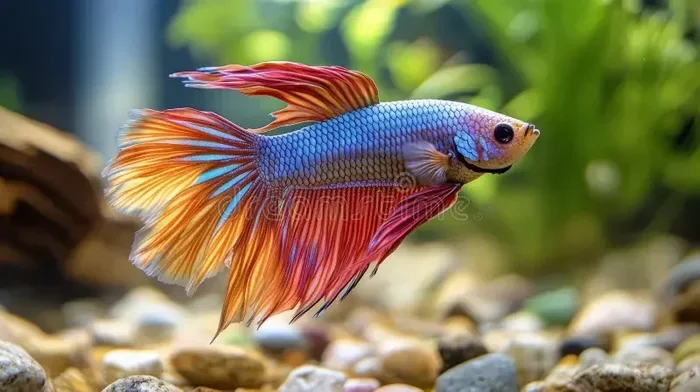
Yes, bettas are tropical fish that thrive in warm water environments. Understanding their tropical nature is essential for proper betta care, from setting the right betta tank temperature to choosing the best tropical fish tank setup. This guide covers everything you need to know about keeping your betta fish healthy and happy.
So, is a betta a tropical fish? The short answer is yes. Betta fish are tropical freshwater fish that come from the warm waters of Southeast Asia. They are not coldwater fish, and they definitely cannot survive in chilly temperatures. If you are thinking about adding a betta to your aquarium, understanding their tropical roots is the first step toward giving them a great life.
Many new fish owners get surprised by this. They see bettas sold in small cups at pet stores and assume these fish can live in simple bowls with no heating. But that is far from the truth. Bettas come from places like Thailand, Cambodia, and Vietnam, where the water stays warm year-round. These warm conditions shape everything about how bettas behave, eat, and grow.
In this article, we will dive deep into the world of betta tropical fish. You will learn about their natural habitat, the ideal tank setup, the right water temperature, and how to care for them properly. Whether you are a complete beginner or someone looking to improve your betta fish care, this guide has you covered.
Key Takeaways
- Bettas are tropical fish: They originate from warm climates in Southeast Asia and need heated water to thrive.
- Ideal temperature matters: Bettas need water between 76-82°F (24-28°C) to stay healthy and active.
- Not all bettas are the same: Different betta species have slightly varying needs based on their tropical origins.
- Tank setup is critical: A proper tropical aquarium setup with a heater makes a huge difference in betta lifespan.
- Bettas can live with other tropical fish: With the right conditions, you can find compatible tank mates for your betta.
- Diet plays a big role: Feeding your betta the right tropical fish food keeps them vibrant and energetic.
📑 Table of Contents
- What Makes a Fish Tropical?
- The Natural Habitat of Betta Fish
- Why Bettas Need Warm Water
- Setting Up the Perfect Tropical Betta Tank
- Can Bettas Live With Other Tropical Fish?
- Feeding Your Betta the Right Tropical Fish Food
- Common Mistakes New Betta Owners Make
- Are Bettas Hardy Tropical Fish?
- Conclusion
What Makes a Fish Tropical?
Before we go further, let us talk about what it actually means to be a tropical fish. A tropical fish is any species that lives in warm, tropical regions around the equator. These areas have warm water temperatures, plenty of vegetation, and specific water conditions that differ from temperate or coldwater environments.
Key Traits of Tropical Fish
- Warm water dependency: Tropical fish need water temperatures between 74°F and 82°F (23°C to 28°C).
- Origin in warm climates: They naturally live in tropical regions like the Amazon, Southeast Asia, and Central America.
- Sensitivity to temperature changes: Sudden drops in temperature can stress or even kill tropical species.
- Specific water parameters: Most tropical fish need stable pH, hardness, and cleanliness levels.
- Bright coloration: Many tropical fish, including bettas, develop vivid colors in warm, well-maintained water.
Bettas check every single one of these boxes. They are native to the warm, slow-moving waters of rice paddies, floodplains, and streams in Southeast Asia. This is why they are classified as tropical freshwater fish and not coldwater fish.
If you are wondering is a betta a tropical fish, the answer is a clear yes. Their entire biology is built around warm water living. Without proper heat, bettas become sluggish, lose their color, and fall victim to diseases. An aquarium heater is not optional for bettas — it is a must-have.
The Natural Habitat of Betta Fish
Understanding where bettas come from helps you understand how to care for them. Bettas are native to the shallow, warm waters of Thailand, Vietnam, Laos, and Cambodia. They are also known as Siamese fighting fish because of their origins in the Siam region of Southeast Asia.
Where Bettas Live in the Wild
In the wild, bettas live in shallow bodies of water. They are often found in rice paddies, slow-moving streams, ponds, and even flooded rice fields. These environments are warm and humid, with plenty of plants and hiding spots. The water is typically still or moves very slowly, and the temperature stays consistently warm.
Here is what a natural betta habitat looks like:
- Warm, shallow water: Usually between 6 to 12 inches deep.
- Still or slow-moving: Bettas have a special organ called the labyrinth that lets them breathe surface air, which helps in low-oxygen, stagnant water.
- Plenty of vegetation: They hide among plants, leaves, and debris in their natural surroundings.
- Warm temperatures year-round: The tropical climate keeps the water warm without any seasonal drops.
Replicating these conditions in a home aquarium is the key to keeping a healthy betta. Many people think bettas can survive in tiny bowls, but that is a myth. Bettas need a properly heated tropical fish tank with stable water conditions to truly thrive.
Why Bettas Need Warm Water
The betta tank temperature is one of the most important factors in betta care. Bettas are tropical fish, and their bodies are designed to function in warm water. When the water gets too cold, their metabolism slows down, they become inactive, and they get sick more easily.
Ideal Temperature Range for Bettas
The sweet spot for betta water temperature is between 76°F and 82°F (24°C to 28°C). Keeping the water in this range ensures your betta stays active, eats well, and displays its full color potential.
Here is a quick breakdown of what happens at different temperatures:
- Below 72°F (22°C): The betta becomes lethargic, stops eating, and is at high risk for diseases like ich and fin rot.
- 72°F to 76°F (22°C to 24°C): The betta is uncomfortable and stressed. It may stay near the bottom of the tank.
- 76°F to 82°F (24°C to 28°C): The ideal range. The betta is active, colorful, and eating well.
- Above 84°F (29°C): The betta becomes stressed from overheating, and oxygen levels in the water drop.
An aquarium heater with a thermostat is the best way to maintain a steady temperature. Fluctuations are just as dangerous as temperatures that are too low or too high. Investing in a good heater is one of the easiest ways to improve your betta fish lifespan.
Some people ask, can bettas live with tropical fish in the same tank? Absolutely. Since bettas are tropical fish themselves, they share similar temperature needs with many other tropical species. This makes it easier to create a community tank with compatible fish.
Setting Up the Perfect Tropical Betta Tank
Now that you know bettas are tropical fish, let us talk about how to set up the right tank. A proper betta fish tank setup goes far beyond a small bowl with a plastic plant. A well-designed tropical aquarium helps your betta feel safe, eat well, and show off its beautiful fins.
Tank Size and Shape
The minimum tank size for a single betta is 5 gallons. However, bigger is always better. A 10-gallon tank gives your betta more room to swim and makes it easier to maintain stable water conditions. Bettas are not tiny fish — they need space to explore and stay healthy.
Here are some quick tips for tank setup:
- Choose a tank with a lid: Bettas can jump, so a secure lid is essential.
- Use a gentle filter: Strong currents stress bettas. Sponge filters work great.
- Add a heater: This is non-negotiable for any betta tropical fish setup.
- Include live or silk plants: They provide hiding spots and make the tank feel natural.
- Keep the substrate soft: Smooth gravel or sand prevents damage to delicate fins.
Water Quality and Maintenance
Tropical fish are sensitive to water quality, and bettas are no exception. Regular water changes, proper cycling, and testing for ammonia, nitrite, and nitrate levels are all part of good betta care. A well-maintained tropical aquarium keeps your fish healthy and vibrant.
You should also consider using a betta water conditioner to remove chlorine and chloramine from tap water. These chemicals are harmful to all tropical fish and can cause serious health problems over time.
Can Bettas Live With Other Tropical Fish?
One of the most common questions fish owners ask is whether bettas can share a tank with other species. Since bettas are tropical fish, they can often live alongside other tropical species that enjoy similar water conditions.
Good Tank Mates for Bettas
Not all fish get along with bettas, but many do. The key is choosing peaceful species that do not nip at betta fins or compete too aggressively for food. Some great options include:
- Neon tetras: Small, peaceful, and colorful.
- Corydoras catfish: Bottom-dwellers that stay out of the betta’s way.
- Snails: Great algae eaters that do not bother bettas.
- Ghost shrimp: Inexpensive and helpful for tank cleanup.
- Harlequin rasboras: Schooling fish that add movement without aggression.
Always research any potential tank mate before adding them to the tank. Every fish has its own personality, and even peaceful species can sometimes clash. If you are unsure, start by checking out resources on can bettas live with tropical fish to learn more about compatible species.
Female bettas are generally more social than males and can sometimes be kept in small groups called sororities. However, this requires careful planning and a tank of at least 20 gallons with plenty of hiding spots.
Feeding Your Betta the Right Tropical Fish Food
Diet is another important part of betta fish care. Bettas are carnivorous by nature, and they need protein-rich food to stay healthy. In the wild, they eat insects, larvae, and small crustaceans. In a home aquarium, you can replicate this diet with high-quality pellets and occasional treats.
Best Food Options for Bettas
- Betta-specific pellets: These are formulated to meet the nutritional needs of bettas.
- Frozen or live brine shrimp: A great protein-rich treat.
- Bloodworms: Another favorite that provides essential nutrients.
- Daphnia: Helps with digestion and makes a good occasional meal.
Some owners wonder do bettas eat tropical fish flakes. While bettas can eat them, flakes are not ideal because they often lack the protein levels bettas need and can expand too much in the stomach. Pellets are a better staple food choice.
Feed your betta 2 to 3 small meals per day. Overfeeding is a common mistake that leads to bloating and poor water quality. Remove any uneaten food after a few minutes to keep the tank clean.
Common Mistakes New Betta Owners Make
Every fish keeper makes mistakes, especially when starting out. Here are some common errors that affect bettas and how to avoid them:
1. Keeping Bettas in Cold Water
Bettas are tropical fish and need warm water. Putting them in an unheated bowl or near a drafty window can make them sick. Always use a heater to maintain the right temperature.
2. Using Too Small a Tank
A 1-gallon bowl is not enough for a betta. These fish need at least 5 gallons of space to stay healthy and active. Smaller tanks also cause faster spikes in ammonia and nitrite levels.
3. Skipping Water Changes
Even with a filter, waste builds up over time. Regular water changes — about 25% per week — keep the water clean and your betta happy.
4. Overfeeding
Bettas have small stomachs. Feeding them too much leads to constipation, bloating, and dirty water. Stick to small portions twice a day.
5. Adding Aggressive Tank Mates
Not all fish are compatible with bettas. Avoid fin-nippers and overly aggressive species. Research carefully before adding any new fish to the tank.
By avoiding these mistakes, you give your betta the best chance at a long, healthy life. A well-cared-for betta can live 3 to 5 years, and some even reach 7 years with excellent care.
Are Bettas Hardy Tropical Fish?
One thing that makes bettas special is their relative hardiness compared to many other tropical fish. Bettas can tolerate a range of conditions better than some species, thanks to their labyrinth organ that allows them to breathe atmospheric air. But this does not mean they are indestructible.
While they are more forgiving than delicate species like discus or neon tetras, bettas still need proper care. They need warm water, clean conditions, and a good diet. Calling them “hardy” should not be an excuse to neglect their needs.
If you want to learn more about this topic, check out our article on are bettas hardy tropical fish for a deeper dive into their resilience and care requirements.
Conclusion
So, is bettas tropical fish? Yes, without a doubt. Bettas are tropical fish that come from the warm, shallow waters of Southeast Asia. They need heated water, a proper tank setup, and a protein-rich diet to thrive. Understanding their tropical nature is the foundation of good betta fish care.
By providing the right temperature, clean water, compatible tank mates, and quality food, you can give your betta a happy and healthy life. Whether you are keeping a betta alone or building a community tropical aquarium, these beautiful fish reward attentive care with vibrant colors and lively behavior.
Take what you have learned from this guide and apply it to your aquarium setup. Your betta will thank you with years of color, personality, and joy. And remember, every great betta tropical fish journey starts with the right knowledge and a little bit of care.
Frequently Asked Questions
Is a betta fish considered a tropical fish?
Yes, betta fish are tropical fish. They originate from the warm waters of Southeast Asia and need heated water between 76°F and 82°F to stay healthy. They are not coldwater fish and require a tropical aquarium setup.
Can bettas survive in cold water?
No, bettas cannot survive in cold water. As tropical fish, they need warm water temperatures. Cold water slows their metabolism, makes them lethargic, and leaves them vulnerable to diseases. An aquarium heater is essential for betta care.
What is the best tank temperature for a betta fish?
The ideal temperature for a betta fish tank is between 76°F and 82°F (24°C to 28°C). Keeping the water in this range ensures your betta stays active, colorful, and healthy. Use a reliable aquarium heater with a thermostat.
Can bettas live with other tropical fish?
Yes, bettas can often live with other tropical fish that share similar water conditions. Peaceful species like neon tetras, corydoras catfish, and snails make good tank mates. Always research compatibility before adding new fish.
Why are bettas called tropical fish?
Bettas are called tropical fish because they are native to the warm, tropical regions of Southeast Asia, including Thailand, Vietnam, and Cambodia. Their natural habitat consists of warm, shallow, slow-moving waters with consistent temperatures year-round.
Do bettas need a heater in their tank?
Yes, bettas need a heater. As tropical fish, they require stable warm water temperatures to stay healthy. Without a heater, the water temperature can drop too low, causing stress, illness, and a shortened lifespan.