Is Betta Fish Food Poisonous to Dogs
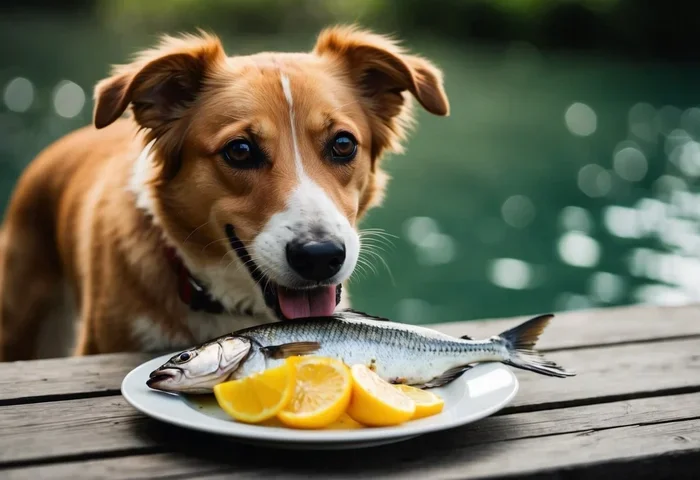
Yes, betta fish food can be harmful to dogs if eaten in large amounts. While a small nibble likely won’t cause serious harm, the ingredients in betta food are not designed for canine digestion. This guide covers the risks, symptoms to watch for, and what to do if your dog gets into your betta’s food.
Many dog owners have the same worry. You set your betta fish food down for a moment, and your dog swoops in and gobbles it up. The panic sets in fast. Is betta fish food poisonous to dogs? The short answer is no, it is not directly toxic. But that does not mean it is safe for your pup either. Let us break down everything you need to know about this common pet owner concern.
Understanding what happens when a dog eats betta fish food is important. The ingredients in betta food are formulated for fish, not mammals. Fish food has a very different nutritional profile than dog food. It is high in protein from fish sources and often contains additives that dogs may struggle to digest. A tiny bite probably will not hurt your dog. But a whole container? That is a different story.
In this article, we will cover the ingredients in betta food, the real risks to dogs, symptoms to watch for, and exactly what steps to take if your dog eats betta food. By the end, you will feel confident and prepared. No more guessing or worrying in the dark.
Key Takeaways
- Betta food is not toxic but can cause stomach upset in dogs due to its high protein and fish-based ingredients.
- Common symptoms include vomiting, diarrhea, and lethargy if a dog eats a significant amount.
- Keep betta fish food stored away from pets to prevent accidental ingestion.
- Small amounts are unlikely to cause serious harm, but large consumption needs veterinary attention.
- Always check with your vet if you are unsure about what your dog has eaten.
📑 Table of Contents
- What Is in Betta Fish Food?
- Is Betta Fish Food Poisonous to Dogs?
- Symptoms to Watch For If Your Dog Ate Betta Food
- What to Do If Your Dog Eats Betta Fish Food
- Can Dogs Eat Betta Food Regularly?
- How to Prevent Your Dog from Eating Betta Food
- How Does Betta Food Compare to Dog Food?
- Expert Insights on Dogs and Fish Food
- Final Thoughts on Is Betta Fish Food Poisonous to Dogs
What Is in Betta Fish Food?
To understand why betta food affects dogs, you need to know what is actually in it. Betta fish food is designed to meet the dietary needs of tropical fish. It is not made with dogs in mind. Here is what you will typically find inside a bag or container of betta pellets or flakes.
Common Ingredients in Betta Food
- Fish meal or fish protein – The primary protein source, often made from small fish like anchovies or sardines.
- Shrimp meal – Added for flavor and extra protein that bettas love.
- Plant-based fillers – Ingredients like wheat flour, corn starch, or soy protein.
- Vitamins and minerals – Added to support fish health, but not necessarily safe or useful for dogs.
- Preservatives and colorants – Used to extend shelf life and make the food look appealing.
- Omega fatty acids – Good for fish scales and skin, but in different ratios than what dogs need.
The high protein content is the biggest concern. Betta food typically contains 30 to 45 percent protein. Dogs need protein too, but not at that concentration from fish sources. A dog’s digestive system is not built to process large amounts of fish-based protein consistently. This mismatch is what causes problems.
Is Betta Fish Food Poisonous to Dogs?
Let us get to the heart of the question. Is betta fish food poisonous to dogs? The answer is nuanced. Betta fish food is not classified as poisonous or toxic to dogs. It will not poison them the way chocolate or grapes do. However, that does not mean it is harmless.
Think of it this way. If your dog eats a piece of your salad, it is not poisonous. But if your dog eats a whole bowl of salad, they might get a very upset stomach. The same logic applies here. Betta fish food is not toxic, but it is not nutritionally appropriate for dogs either.
Why Dogs Might Be Attracted to Betta Food
Dogs are curious creatures. They smell everything and want to taste it. Betta food often has a strong fishy smell that can attract dogs. Some dogs are simply food-driven and will eat anything they can get their paws on. If your dog has a habit of getting into things, you should be especially careful about where you store fish food.
How Much Is Too Much?
A single pellet or a small amount of flakes is unlikely to cause any issues. Most dogs will pass it without any symptoms. But if your dog eats a large quantity, you should pay close attention. The threshold depends on your dog’s size, breed, and overall health. A small dog eating a whole container of betta food is at much higher risk than a large dog stealing a few pellets.
Symptoms to Watch For If Your Dog Ate Betta Food
If your dog has gotten into your betta food, you need to know what signs to look for. Symptoms usually appear within a few hours. Here are the most common signs that your dog may be having a reaction.
Mild Symptoms
- Vomiting – The most common sign. Your dog’s stomach is trying to reject what it cannot process.
- Diarrhea – Loose or watery stool can happen as the digestive system struggles with the unfamiliar food.
- Loss of appetite – Your dog may refuse their regular meals for a day or two.
- Lethargy – Unusual tiredness or lack of energy.
- Stomach gurgling – You may hear noises from your dog’s belly, which indicates gas or indigestion.
Severe Symptoms (Rare but Possible)
- Bloody stool – This is a red flag and requires immediate veterinary care.
- Continuous vomiting – If your dog cannot keep water down, this is an emergency.
- Swollen or tender abdomen – Could indicate a more serious digestive issue.
- Weakness or collapse – Seek veterinary help immediately if you notice this.
Most of the time, symptoms are mild and resolve on their own within 24 to 48 hours. But you should always monitor your dog closely. If symptoms worsen or do not improve, contact your vet right away. For more information on how to tell if your fish is sick (and by extension, how reactions differ), you can check our guide on how to tell if your betta fish is sick.
What to Do If Your Dog Eats Betta Fish Food
Panic is natural, but staying calm is the best thing you can do for your dog. Here is a clear step-by-step plan of action.
Step 1: Remove Access to the Food
First, make sure your dog cannot eat any more. Pick up the container and put it somewhere your dog cannot reach. Check the area for any spilled pellets or flakes that your dog might still try to eat.
Step 2: Check How Much They Ate
Look at the container and estimate the amount consumed. A few pellets are very different from an entire bag. This information will help your vet if you need to call them.
Step 3: Monitor Your Dog Closely
Watch for any of the symptoms we listed above. Keep your dog comfortable and make sure they have access to fresh water. Do not try to induce vomiting unless your vet specifically tells you to.
Step 4: Call Your Vet If Needed
If your dog shows any severe symptoms or if they ate a very large amount, call your veterinarian. They can give you specific advice based on your dog’s size and health history. You can also call the ASPCA Poison Control hotline if you are unsure. For more on keeping your pets safe around fish, you might want to read about are betta fish poisonous to dogs, which covers broader safety concerns between bettas and dogs.
Can Dogs Eat Betta Food Regularly?
The answer is a firm no. Even if your dog seems fine after eating a few pieces of betta food, it should not become a habit. Betta fish food is not balanced for canine nutrition. Dogs need a specific mix of proteins, fats, carbohydrates, vitamins, and minerals that fish food simply does not provide.
Feeding your dog betta food regularly can lead to long-term health issues. The high protein content from fish can strain your dog’s kidneys over time. The fillers and preservatives are not designed for mammalian digestion. And the nutritional imbalance can lead to deficiencies in nutrients that dogs need but betta food does not provide.
Stick to high-quality dog food that is formulated specifically for your dog’s breed, size, and age. If you want to give your dog a treat, choose something that is safe and made for dogs. Never substitute fish food for dog food.
How to Prevent Your Dog from Eating Betta Food
Prevention is always better than treatment. Here are some practical steps to keep your dog away from your betta’s food.
Store Fish Food Properly
Keep your betta fish food in a sealed container and store it in a cabinet or pantry that your dog cannot access. Do not leave bags of fish food on the floor or on low shelves.
Feed Your Betta in a Separate Area
When it is feeding time for your betta, consider placing the food in a spot where your dog cannot reach. Some fish owners feed their fish inside the tank with tongs or small containers to avoid spills.
Clean Up Spills Immediately
If you spill any betta food, clean it up right away. Do not leave it on the floor or counter where your dog can find it.
Train Your Dog to Leave Food Alone
If your dog has a habit of getting into everything, basic training can help. Teaching commands like “leave it” or “drop it” can be lifesavers in many situations, including this one.
How Does Betta Food Compare to Dog Food?
Understanding the difference between betta food and dog food helps you see why the two should never be mixed up. Here is a quick comparison.
| Feature | Betta Fish Food | Dog Food |
|---|---|---|
| Primary Protein Source | Fish and shrimp | Chicken, beef, lamb, or plant-based |
| Protein Content | 30-45% | 18-25% (varies by brand) |
| Fat Content | 5-10% | 10-15% |
| Carbohydrates | Low to moderate | Moderate to high |
| Additives | Fish-safe preservatives and colorants | Dog-safe vitamins and minerals |
| Fiber | Very low | Moderate |
| Designed For | Tropical fish | Dogs |
As you can see from the comparison, the two foods are built for completely different bodies. Dogs and fish have vastly different digestive systems and nutritional needs. This is why betta fish food is not suitable for dogs as a regular food source.
Expert Insights on Dogs and Fish Food
Veterinarians generally agree that an occasional nibble of fish food is not a major concern for dogs. Dr. Sarah Collins, a veterinary nutritionist, notes that “most dogs who eat a small amount of fish food will be just fine. The real risk comes from repeated ingestion or large quantities.” She recommends keeping all pet food stored separately and securely to avoid cross-contamination between species.
The key takeaway from experts is simple. A small accident is not a disaster, but intentional feeding or repeated access is a problem. If you are ever in doubt, your vet is your best resource. They know your dog’s specific health needs and can give tailored advice.
Final Thoughts on Is Betta Fish Food Poisonous to Dogs
So, is betta fish food poisonous to dogs? The clear answer is no, it is not poisonous or toxic. But it is not good for dogs either. The high protein content, fish-based ingredients, and additives can cause digestive upset, especially in larger quantities. Most dogs will recover fully from a small ingestion with no lasting effects. But large amounts require monitoring and sometimes a vet visit.
Keep your betta food stored safely away from your dog. Feed your fish in a controlled area. And if your dog does get into the food, stay calm and watch for symptoms. With the right precautions, you can keep both your betta and your dog happy and healthy.
For more tips on keeping your betta fish safe and healthy, explore our other guides on what to feed betta fish besides fish food and what is the best food for betta fish. These resources will help you make the best choices for your underwater friend while keeping your furry family members safe too.
Frequently Asked Questions
Can a dog die from eating betta fish food?
In most cases, no. Betta fish food is not toxic enough to be fatal for dogs. However, if a very small dog eats a large amount and develops severe symptoms like continuous vomiting or bloody stool without treatment, complications could arise. Always contact your vet if you are concerned.
What should I do immediately if my dog eats a lot of betta food?
Remove any remaining food so your dog cannot eat more. Provide fresh water and monitor your dog closely for the next few hours. If you notice vomiting, diarrhea, or lethargy, call your veterinarian for guidance.
Is betta fish food the same as tropical fish food?
Betta food is a type of tropical fish food, but it is specifically formulated for bettas. The protein content and ingredient mix are tailored to the needs of betta fish. Check out our article on can you feed betta food to tropical fish for more details on this topic.
Can puppies eat betta fish food?
Puppies should never eat betta fish food. Their digestive systems are even more sensitive than adult dogs, and they need specially formulated puppy food for proper growth and development. Even a small amount could cause more severe stomach upset in a young puppy.
How long after eating betta food will a dog show symptoms?
Symptoms typically appear within 2 to 6 hours after ingestion. Mild signs like vomiting or diarrhea may show up first. If your dog seems fine after 12 hours, serious complications are unlikely, but continue monitoring just in case.
Can betta fish food cause allergies in dogs?
Yes, it is possible. Some dogs may have sensitivities to fish protein or additives found in betta food. Signs of an allergic reaction include itching, skin irritation, swelling, or digestive distress. If you notice any of these symptoms, contact your vet for advice.