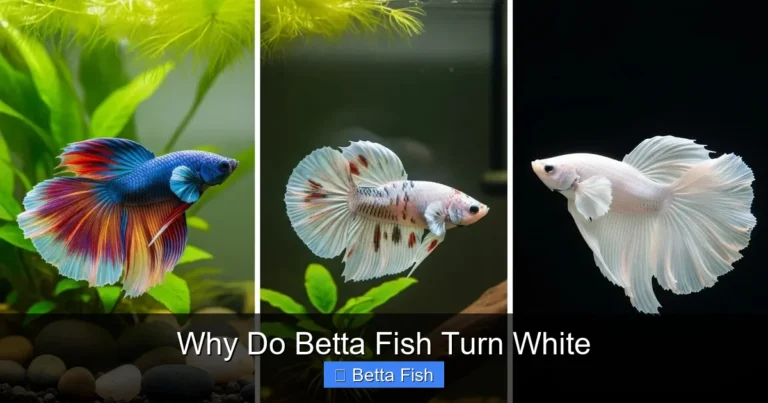
Is Betta Fish Euryhaline
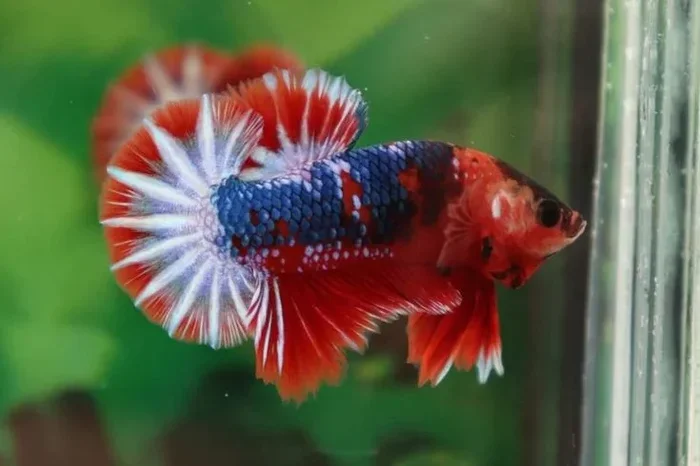
Is betta fish euryhaline? No, betta fish are not euryhaline. They are stenohaline freshwater fish that thrive in stable, warm water conditions. While they can handle small salinity changes like salt baths for treatment, they cannot survive long-term in brackish or saltwater environments. Understanding this is key to keeping your betta healthy and happy.
Key Takeaways
- Betta fish are stenohaline, not euryhaline: They need stable freshwater conditions and cannot tolerate wide salinity changes.
- Salt baths can help temporarily: Small amounts of aquarium salt are sometimes used to treat parasites and infections.
- Osmoregulation is a big deal: Betta fish work hard to balance salt and water inside their bodies. Wrong salinity throws this process off.
- Watch for warning signs: Clamped fins, lethargy, and color changes can signal salinity stress.
- Keep water conditions stable: Temperature, pH, and salinity all matter for your betta’s long-term health.
- Never put bettas in saltwater: Unlike some fish, bettas cannot adapt to ocean-like conditions.
📑 Table of Contents
- What Does Euryhaline Mean?
- Is Betta Fish Euryhaline? The Honest Answer
- How Betta Fish Handle Salinity Changes
- When to Use Salt for Betta Fish
- Signs Your Betta Fish Is Struggling with Salinity
- How to Maintain the Right Water Conditions for Your Betta
- Quick Tips for Betta Fish Water Care
- Common Mistakes About Betta Fish and Salinity
- Expert Insights on Betta Fish and Salinity Tolerance
- Conclusion
What Does Euryhaline Mean?
Before we answer the big question, let’s break down the term euryhaline. In simple terms, a euryhaline fish is one that can live in a wide range of salinity levels. Think of salmon. They swim from the ocean into freshwater rivers to spawn. That’s euryhaline ability in action.
On the flip side, some fish are stenohaline. These fish can only survive within a narrow salinity range. They can’t handle big changes. Most freshwater fish fall into this category.
Understanding this difference matters a lot. It shapes how you set up your betta fish tank and how you care for your fish day to day. Just like water temperature and pH levels, salinity plays a big role in your betta’s comfort and health. If you want to learn more about ideal water conditions, check out our guide on what the ideal temperature for betta fish is.
Is Betta Fish Euryhaline? The Honest Answer
So, is betta fish euryhaline? The short answer is no. Betta fish (Betta splendens) are stenohaline freshwater fish. They evolved in the warm, shallow rice paddies and slow-moving streams of Southeast Asia. These environments have very little salt.
Bettas are built to live in freshwater full-time. Their bodies are designed to push out excess water and hold onto salt. When you toss them into salty or brackish water, their system gets confused. They simply cannot adjust the way a euryhaline fish can.
That doesn’t mean bettas can’t handle any change. In small doses, aquarium salt can actually help them. But that’s a far cry from being euryhaline. It’s like how you might handle a light drizzle, but you wouldn’t survive a hurricane.
How Betta Fish Handle Salinity Changes
Let’s get a little science-y here. But don’t worry, we’ll keep it simple. Every fish has a process called osmoregulation. This is how they balance the salt and water inside their bodies.
Freshwater Osmoregulation
In freshwater, the water outside a betta’s body has less salt than inside. So water naturally flows into the fish through its skin and gills. To fight this, bettas produce a lot of dilute urine. Their gills actively pump out excess water. Meanwhile, they absorb salt through their gills to stay balanced.
This system works great as long as the water stays fresh. The moment salinity spikes, the whole process gets thrown off balance.
What Happens When Salinity Spikes?
If you put a betta in slightly salty water, here’s what happens:
- Water starts leaving the fish’s body instead of entering it.
- The fish loses moisture faster than it can replace it.
- Salt floods into the bloodstream, overwhelming the system.
- The betta becomes stressed and fatigued.
Over time, this can lead to organ damage or even death. Unlike a euryhaline fish that has special cells to handle both environments, bettas just aren’t built for it. If you notice your betta acting strange after water changes, it might be worth checking if something is off. Sometimes stress from water parameters shows up as unusual behavior like betta fish changing color.
When to Use Salt for Betta Fish
Wait, if bettas aren’t euryhaline, why do people talk about using salt? Great question. Aquarium salt is a common tool in betta care. But the key word is small amounts and short term.
Salt Baths for Treatment
Fish keepers often use salt to treat common betta issues like:
- External parasites (like ich or velvet)
- Fungal infections
- Bacterial flare-ups
- Fin rot
A typical salt bath uses about 1 tablespoon per 3 gallons of water. You soak your betta for 10 to 30 minutes. This draws out fluid from parasites and creates a hostile environment for them. It’s a short-term fix, not a lifestyle change.
Preventive Salt Addition
Some hobbyists add a tiny pinch of salt to the main tank. This can support your betta’s immune system and help with mild stress. But again, this is a very small amount. Think of it like a vitamin, not a meal.
Important note: Never use table salt or iodized salt. Stick to pure aquarium salt or non-iodized sea salt. Also, not all bettas respond well to salt. If your fish seems uncomfortable, skip it. If you’re dealing with a sick betta, learn more in our guide on whether your betta fish is sick.
When NOT to Use Salt
There are times to avoid salt altogether:
- If your betta has open wounds
- If you have live plants in the tank (salt can harm them)
- If you’re using certain medications that conflict with salt
- If your betta is a long-term tank resident (no need for ongoing salt)
Signs Your Betta Fish Is Struggling with Salinity
Since bettas can’t tell us when something’s wrong, we have to watch carefully. Salinity stress can show up in some obvious ways. Here are the red flags to look out for:
- Clamped fins: Fins held close to the body signal discomfort or stress.
- Lethargy: If your betta stops swimming and exploring, something’s off.
- Rapid gill movement: This means the fish is struggling to breathe.
- Loss of color: Dulling or fading colors often point to stress.
- Loss of appetite: A hungry betta is a happy betta. Skipped meals are a warning.
- Scratching against objects: This “flashing” behavior can signal irritation from parasites or poor water quality.
If you spot any of these, test your water immediately. Check temperature, pH, and salinity. Remember, bettas are sensitive creatures. Even a small change in water conditions can upset them. For more on catching health issues early, see our article on betta fish looking at you and other behavioral signs to watch for.
How to Maintain the Right Water Conditions for Your Betta
Now that you know is betta fish euryhaline (they’re not), let’s talk about how to keep things perfect. The right water setup is the foundation of great betta care.
Temperature
Bettas love warm water. Aim for 76 to 82 degrees Fahrenheit (24 to 28 degrees Celsius). Use a small aquarium heater to keep things consistent. Cold water weakens their immune system and slows their metabolism.
pH Levels
The ideal pH range for bettas is 6.5 to 7.5. They prefer slightly acidic to neutral water. Sudden pH swings are just as dangerous as wrong salinity. To dig deeper into this, check out our detailed guide on the correct pH level for betta fish.
Water Hardness
Bettas do well in moderately hard water. A general hardness (GH) of 3 to 4 dGH is a sweet spot. Very soft water can leach minerals from their bodies over time.
Salinity
Keep it at 0 parts per thousand. Freshwater. That’s it. The only exception is a temporary salt bath for treatment. Even then, keep it brief and at a low concentration.
Quick Tips for Betta Fish Water Care
- Test your water weekly with a reliable liquid test kit.
- Do 25% water changes every week to keep things clean.
- Use a gentle filter. Bettas are weak swimmers and hate strong currents.
- Avoid placing the tank near windows or heaters that cause temperature swings.
- Never add salt to a community tank without checking if tank mates can handle it.
Common Mistakes About Betta Fish and Salinity
Let’s clear up some myths that float around the hobby:
- “Bettas can live in saltwater.” False. They cannot. Saltwater will kill them over time.
- “Salt is a cure-all.” Salt helps with some issues, but it’s not a replacement for proper treatment and clean water.
- “A little salt won’t hurt.” True in tiny amounts, but habitually adding salt builds up in the tank and can cause long-term harm.
- “All fish handle salt the same way.” Nope. Euryhaline fish handle it fine. Bettas and most freshwater fish do not.
Avoiding these mistakes goes a long way. A healthy betta can live 3 to 5 years or even longer with proper care. And that care starts with understanding their needs at a fundamental level.
Expert Insights on Betta Fish and Salinity Tolerance
Most experienced hobbyists and aquatic biologists agree on one thing: bettas are strictly freshwater fish. Dr. Heok Hee Ng, a well-known ichthyologist, has noted that Betta splendens evolved in freshwater environments. Their physiology reflects that origin. There is no scientific evidence suggesting bettas have developed euryhaline traits.
What experts do support is the judicious use of salt in specific situations. Short-term salt baths are widely recommended for parasite control. But long-term salt addition? That’s a different story. The general rule is simple: when in doubt, keep it fresh.
Another tip from seasoned breeders: always quarantine new fish before adding them to your main tank. This protects your betta from potential diseases and avoids the temptation to dose the whole tank with salt prematurely. If you’re wondering about tank setups, our guide on the best tank for betta fish offers great suggestions.
Conclusion
So, is betta fish euryhaline? Absolutely not. Betta fish are stenohaline freshwater fish that need stable, warm, and low-salinity water to thrive. While they can handle a brief salt bath for treatment, they are not equipped to survive in brackish or saltwater environments long-term.
Understanding your betta’s limits is the first step toward giving them a great life. Keep your water clean, warm, and fresh. Watch for signs of stress. Use salt only when truly needed. Follow these principles and your betta will reward you with vibrant colors, active swimming, and a long, healthy life.
Every fish is unique, and paying attention to your betta’s behavior is the best way to know what works. Now you have the knowledge to create the perfect freshwater home for your finned friend. Go ahead and put it to good use.
Frequently Asked Questions
Can betta fish survive in saltwater?
No, betta fish cannot survive in saltwater long-term. They are stenohaline freshwater fish, meaning their bodies can only handle a very narrow range of salinity. Prolonged exposure to saltwater causes dehydration, organ failure, and eventually death. Only short-term salt baths for treatment are safe.
How much salt can a betta fish tolerate?
Bettas can tolerate very small amounts of salt, usually about 1 tablespoon per 3 gallons of water. This is typically used for short-term treatment of parasites or infections. Anything beyond that concentration can cause stress and harm. Always monitor your betta closely during a salt bath.
Why is my betta fish acting strange after a salt bath?
If your betta seems stressed after a salt bath, it may be reacting to the concentration being too high or the duration being too long. Remove the salt by doing a water change right away. Make sure the temperature is stable and your betta is comfortable. If behavior doesn’t improve within 24 hours, consider other causes of stress.
Are there any euryhaline fish that can live with bettas?
Very few. Most community fish suitable for bettas are also freshwater species. If you want to keep your betta in a community tank, choose tank mates that share similar water needs. Good options include corydoras, neon tetras, and ghost shrimp. Always research compatibility before adding new fish.
Does salinity affect betta fish color?
Yes, salinity stress can cause a betta fish to lose color or appear dull. When a betta is stressed by wrong water conditions, its body diverts energy away from maintaining vibrant pigmentation. Once water conditions are corrected and stress is reduced, most bettas regain their original color within a few days to a week.
What is the difference between euryhaline and stenohaline fish?
Euryhaline fish can tolerate a wide range of salinity levels, moving between freshwater and saltwater easily. Salmon and bull sharks are examples. Stenohaline fish can only survive within a narrow salinity range. Betta fish are stenohaline, meaning they need stable freshwater conditions and cannot adapt to significant changes in salt concentration.