Is Beach Fishing Better at High or Low Tide
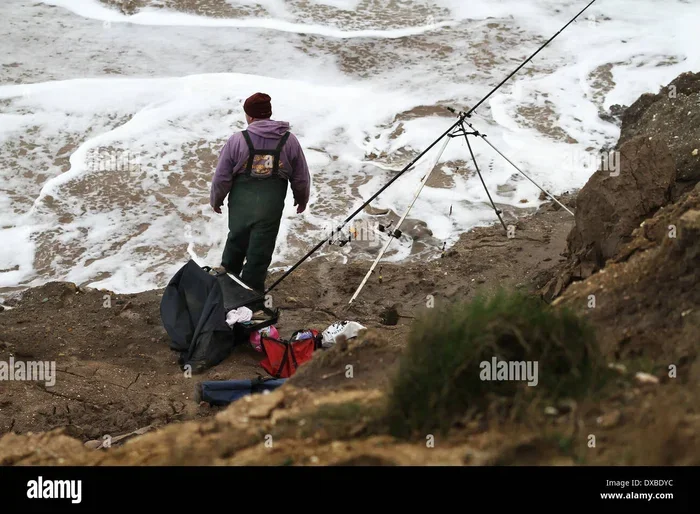
Beach fishing success often comes down to one thing: the tide. Whether you fish during high tide or low tide can make or break your day on the shore. High tide pushes fish closer to the beach, while low tide exposes new fishing spots and food sources. Understanding how tidal changes affect fish behavior helps you pick the right time and place to cast your line.
There is something magical about beach fishing. The sound of waves, the salty breeze, and the thrill of a tug on your line make it one of the best ways to spend a day outdoors. But if you want to catch more fish, you need to understand one critical factor: the tide.
So, is beach fishing better at high or low tide? The honest answer is that both have their perks. The right choice depends on what you are targeting, where you are fishing, and how the water is moving. In this guide, we will break down everything you need to know about tide fishing so you can plan your next trip with confidence.
Whether you are a beginner just getting started or a seasoned angler looking for an edge, understanding tidal changes will transform your approach to shore fishing. Let us dive in.
Key Takeaways
- High tide brings fish closer to shore: Rising water allows fish to reach areas they cannot access during low tide.
- Low tide reveals prime fishing spots: Exposed sandbars, channels, and pools become hotspots for feeding fish.
- Incoming tide is often the best time: Moving water stirs up bait and triggers active feeding behavior.
- Tide charts are essential tools: Planning your trip around tidal movements increases your chances of success.
- Both high and low tide have advantages: The best choice depends on your target species and beach conditions.
- Wind and weather also matter: Combining tide knowledge with weather awareness boosts your fishing strategy.
📑 Table of Contents
- How Tides Work and Why They Matter for Fishing
- High Tide Fishing: What You Need to Know
- Low Tide Fishing: What You Need to Know
- High Tide vs Low Tide: Which Is Better for Beach Fishing?
- Best Tide Strategies for Beach Fishing Success
- Common Mistakes to Avoid When Tide Fishing
- Expert Tips to Maximize Your Beach Fishing Catch
- Final Thoughts
How Tides Work and Why They Matter for Fishing
Before we answer whether high tide or low tide is better, let us quickly cover how tides actually work. Tides are caused by the gravitational pull of the moon and sun on Earth’s oceans. This creates a regular cycle of rising and falling water levels along coastlines.
Most coastal areas experience two high tides and two low tides every day. This cycle repeats roughly every 24 hours and 50 minutes. The difference between high and low tide can vary depending on your location, the moon phase, and weather conditions.
For beach fishing, this cycle is incredibly important. Fish are creatures of habit. They follow the water as it rises and falls, moving into shallow areas to feed and then retreating to deeper channels when the water drops. This movement directly affects where fish are at any given time.
If you have ever wondered why some days on the beach produce amazing results and other days leave you empty-handed, the tide is almost always the answer. Checking tide charts before your trip is one of the simplest things you can do to improve your fishing success.
What Is the Best Tide for Beach Fishing?
Many anglers agree that fishing during an incoming tide is one of the most productive times. As water moves toward the shore, it carries baitfish, nutrients, and food sources with it. This triggers fish feeding activity and draws predatory species closer to the beach.
The rising water also covers sandbars and shallow areas that were previously dry. Fish use these newly flooded zones to hunt for prey. This makes the incoming tide a prime window for catching fish from the shore.
According to experienced anglers, the two hours before and after high tide are often the most productive. This is when the water is actively moving and fish are in a feeding frenzy. If you can time your trip around this window, you are setting yourself up for a great day.
High Tide Fishing: What You Need to Know
High tide is when the water reaches its highest point along the shore. For many beach anglers, this is the go-to time to fish. But why exactly is high tide fishing so popular?
When the water rises, it floods areas that are normally dry. This includes sandbars, rocky ledges, tidal pools, and grassy flats. Fish follow the rising water into these areas to feed on small crabs, shrimp, worms, and other prey hiding in the sand and seaweed.
High tide also means you can fish closer to the water’s edge without worrying about getting stuck. The extra water depth allows you to cast further and reach deeper channels where bigger fish tend to hold.
Pros of Fishing at High Tide
- Fish are closer to shore: Rising water brings predators into beach zones they cannot reach during low tide.
- More fishing spots become accessible: Areas that are normally too shallow fill up with water and become fishable.
- Better bait presentation: Your bait moves more naturally with the current, making it more attractive to fish.
- Easier casting: Deeper water near the shore means fewer snags and a cleaner cast.
- Active feeding windows: Fish are more likely to be actively hunting during the incoming high tide.
Cons of Fishing at High Tide
- Crowded spots: Popular beach fishing locations get packed during high tide because everyone knows it is a good time.
- Stronger currents: Moving water can make it harder to keep your bait in the right spot.
- Less visibility: Stirred-up sand and sediment can make it harder to see your line and bait.
- Safety concerns: Sneaker waves can be more dangerous during high tide, especially on exposed beaches.
If you are planning to fish during high tide, look for spots where the water meets structure. Points, jetties, rocks, and channels are all excellent locations. The combination of rising water and underwater structure creates a natural ambush point for hungry fish.
Low Tide Fishing: What You Need to Know
Low tide is when the water recedes to its lowest point along the shore. Some anglers avoid beach fishing during low tide, while others swear by it. The truth is that low tide fishing has its own unique advantages.
When the water pulls back, it exposes areas that are normally underwater. You can see sandbars, troughs, channels, and rock formations that are hidden during high tide. This gives you a bird’s-eye view of the beach structure and helps you identify the best fishing spots for your next trip.
At low tide, fish tend to concentrate in deeper channels and pools. They wait for the water to rise again before moving into shallower feeding areas. If you can locate these deep spots, you can find fish holding there even during low tide.
Pros of Fishing at Low Tide
- Easy spot scouting: You can walk the beach and identify underwater structures before the next high tide.
- Less crowded: Fewer people fish during low tide, giving you more space and peace on the beach.
- Better visibility: Clearer water and calmer conditions make it easier to see fish and adjust your approach.
- Access to beach structure: You can place your bait right next to rocks, channels, and drop-offs.
- Good for sight fishing: Exposed areas let you spot fish moving in shallow water.
Cons of Fishing at Low Tide
- Limited casting range: Less water near the shore means you cannot cast as far.
- Fish may be less active: Without the incoming water pushing bait toward shore, fish can be lethargic.
- Snag risks: Exposed rocks, shells, and seaweed can cause frequent snags on your rig.
- Fish may be deeper: Target species move far from the beach into deeper water during low tide.
If you are fishing during low tide, focus on deeper channels and pools where fish are likely to be holding. Use tide charts to time your session so you can fish the last few hours of low tide and transition into the incoming tide. This is often the sweet spot for beach fishing success.
High Tide vs Low Tide: Which Is Better for Beach Fishing?
Now that we have covered the basics of both high tide and low tide, let us compare them side by side. This table breaks down the key factors to help you decide which is better for your next beach fishing trip.
| Factor | High Tide | Low Tide |
|---|---|---|
| Fish proximity to shore | Fish are very close to the beach | Fish are deeper and farther out |
| Fishing spot accessibility | More areas are covered by water | Structure is exposed and visible |
| Fish activity level | High during incoming tide | Lower unless fish are in channels |
| Casting range | Longer casts possible | Shorter casts due to shallow water |
| Crowd levels | Usually more crowded | Typically less crowded |
| Best for beginners | Yes, easier to find fish | Requires more knowledge of beach structure |
| Bait movement | Natural current carries bait | Limited water movement |
So, which is better? For most beach fishing situations, high tide wins. The combination of fish moving closer to shore, deeper water for casting, and active feeding behavior makes it the preferred choice for many anglers. However, low tide can be incredibly productive if you know where to look and time your trip correctly.
The best approach is to fish the transition period between low and high tide. This is when the water starts moving and fish begin feeding aggressively. Many top anglers consider this the golden window for shore fishing.
You might also want to check out our guide on whether high or low tide is better for surf fishing for more detailed insights on how tides affect surf fishing specifically.
Best Tide Strategies for Beach Fishing Success
Knowing when to fish is only half the battle. You also need the right strategy to make the most of every tidal phase. Here are proven tactics that will help you catch more fish from the beach.
1. Plan Around the Tide Schedule
Always check the tide chart for your local beach before heading out. Look for the times of high tide, low tide, and the periods in between. The two hours before and after high tide are generally the most productive windows for beach fishing.
Many fishing apps provide real-time tide data with color-coded alerts. These tools make it easy to plan your trips around the best fishing windows without guesswork.
2. Fish the Moving Water
Fish are much more active in moving water than in still water. The incoming tide pushes baitfish, crabs, and other food toward the shore, triggering a feeding response in predatory species. Focus your efforts during the incoming phase for the best results.
Even during low tide, fishing near channels where water is still flowing can produce great catches. Look for areas where the tide is still moving even if the overall water level is low.
3. Match Your Bait to the Conditions
During high tide, fish are closer to shore and actively hunting. Use lively baits like live shrimp, sand fleas, or small mullet to match the natural prey in the area. During low tide, fish may be less willing to chase, so use slower presentations like cut bait or shrimp on the bottom.
You can also check out our article on whether raw or cooked shrimp is better for fishing to choose the right bait for your next session.
4. Position Yourself Correctly
During high tide, stand closer to the waterline and cast into the shallows where fish are feeding. During low tide, move to deeper channels and drop-offs where fish are holding. Always fish near structure like rocks, piers, and sandbars because these are natural holding spots.
If you are unsure about beach structure, walk the shore during low tide to identify channels, holes, and drops. Mark these spots on a map so you can return during the next high tide when fish are actively feeding in those areas.
5. Watch the Wind and Weather
Wind direction and speed affect how waves push water along the beach. Onshore winds push water higher, effectively creating a higher tide than what the chart predicts. Offshore winds pull water away, making the actual tide lower than expected.
After storms, fishing conditions can change dramatically. Check our guide on whether fishing is better or worse after a storm to learn how post-storm conditions affect beach fishing.
Common Mistakes to Avoid When Tide Fishing
Even experienced anglers make mistakes when fishing by the tide. Here are the most common ones to avoid:
- Ignoring the tide schedule: Arriving at the beach without checking the tide is a recipe for a slow day.
- Fishing at the wrong time: The middle of a dead low tide or a dead high tide is often the least productive time. Focus on the moving water instead.
- Not scouting the beach: Walking the shore during low tide helps you find the best spots for your next session.
- Using the wrong bait: Matching your bait to the current conditions and target species makes a huge difference.
- Fishing too shallow during low tide: When the water is very low, fish retreat to deeper areas. Do not waste time in shallow water that has no fish.
- Ignoring safety: Sneaker waves are especially dangerous during high tide. Always keep an eye on the water and stay aware of your surroundings.
Avoiding these mistakes will save you time, frustration, and help you stay safe while enjoying your time on the beach.
Expert Tips to Maximize Your Beach Fishing Catch
Want to take your tide fishing to the next level? Here are some expert tips that serious beach anglers use to consistently catch more fish.
- Fish the first two hours after high tide. This is when the water starts moving again and fish are actively feeding on freshly deposited food.
- Use a longer fishing rod for better casting. A longer rod gives you more distance, which is crucial when fishing from the beach where you need to reach deeper water.
- Bring multiple rod setups. Having both a heavy setup for larger species and a lighter setup for smaller fish lets you adapt to changing conditions.
- Watch for bird activity. Seabirds diving into the water is a strong sign that baitfish are near the surface, and bigger fish are feeding below them.
- Keep a fishing journal. Note the tide conditions, time of day, weather, and catches for each trip. Over time, you will identify patterns that lead to better results.
- Be patient. Some of the best beach fishing happens when you least expect it. Stay alert and keep your line in the water.
If you want to learn more about how different conditions affect your chances, check out our article on whether fishing is better when water is rising or falling for more insights on reading water movement.
Final Thoughts
The answer to whether beach fishing is better at high tide or low tide is not a simple one. Both have their strengths, and the best choice depends on your target species, local beach conditions, and the time of day. That said, high tide and the incoming phase leading into it is generally the most productive time for most beach anglers.
Low tide is not to be overlooked either. It offers excellent opportunities for scouting beach structure and targeting fish that hold in deeper channels. The key is to understand how tidal changes affect fish behavior and adjust your strategy accordingly.
Use tide charts, watch the weather, match your bait to the conditions, and always prioritize safety. With the right knowledge and a bit of patience, you can have a fantastic beach fishing experience no matter what the tide is doing.
So grab your gear, check the tide schedule, and head to the beach. The next great catch could be waiting for you just beyond the waves. Tight lines and tight lines!
Frequently Asked Questions
Is beach fishing better at high tide or low tide?
For most anglers, high tide is better because fish move closer to shore and become more active. However, low tide can be excellent for scouting spots and targeting fish in deeper channels. The best approach is to fish during the incoming tide when water is actively moving.
What is the best tide to fish from the beach?
The incoming tide is widely considered the best time for beach fishing. As water moves toward the shore, it brings food and triggers feeding activity. The two hours before and after high tide are especially productive for catching fish from the shore.
Can you catch fish at low tide on the beach?
Yes, you can still catch fish at low tide, but you need to adjust your strategy. Focus on deeper channels, pools, and drop-offs where fish are holding. Fish are less active during low tide, so use slower bait presentations and target areas with remaining water flow.
How do tides affect fish behavior at the beach?
Tides directly affect where fish can access along the beach. Rising water pushes fish into shallow feeding areas, while falling water drives them back to deeper channels. Fish follow the food, and tides control where food is available at any given time.
What time of day is best for beach fishing?
Early morning and late evening are generally the best times, but combining these with the right tidal phase is even better. Fishing during the incoming tide at dawn or dusk gives you the best of both worlds. Check local tide charts and plan accordingly.
Do I need special gear for beach fishing at different tides?
Your basic gear stays the same, but you may want a longer rod during high tide to cast further into deeper water. During low tide, use heavier sinkers to keep your bait in the deeper channels. Always bring a variety of rigs to adapt to changing tide conditions.