How to Wash a Betta Fish Bowl
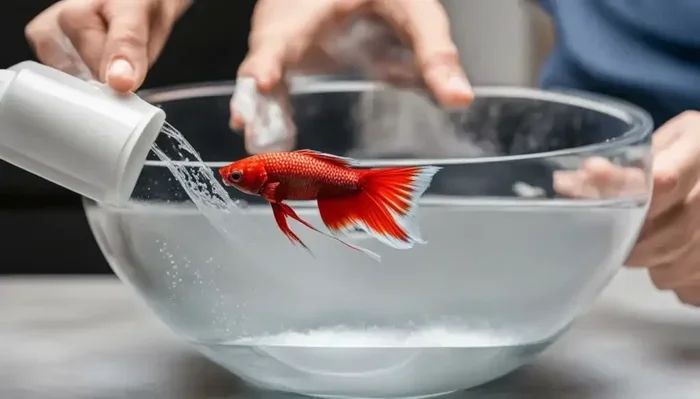
Washing a betta fish bowl the right way keeps your fish healthy and your tank crystal clear. You’ll learn safe cleaning methods, what supplies to use, and how often to wash a betta fish bowl without harming your pet. This guide covers everything from rinsing gravel to removing algae the gentle way.
Keeping a betta fish bowl clean is one of the most important things you can do for your fish. A dirty bowl leads to stress, disease, and a unhappy betta. But here’s the thing — washing a betta fish bowl the wrong way can be just as harmful as not cleaning it at all.
Maybe you’ve noticed your bowl looks a little cloudy. Or perhaps there’s green algae creeping up the sides. Whatever the reason, this guide will walk you through exactly how to wash a betta fish bowl safely and effectively. You’ll learn what products to avoid, what supplies to grab, and the step-by-step process that keeps your betta thriving.
We’ll also cover how often you should clean the bowl, common mistakes to dodge, and pro tips that make the whole process faster and easier. Whether you’re a first-time betta owner or a seasoned fish keeper, this guide has something useful for you.
Key Takeaways
- Never use soap or chemicals: Residue can be deadly to your betta fish.
- Use warm water only: A gentle rinse with dechlorinated warm water is all you need.
- Clean your bowl every 1-2 weeks: Regular maintenance prevents harmful buildup.
- Keep some old water: Retaining a portion of old water preserves beneficial bacteria.
- Gentle scrubbing is key: Use a soft sponge or cloth to avoid scratching the bowl.
- Match water temperature: Always use water close to the bowl’s current temperature.
📑 Table of Contents
- Why Washing Your Betta Fish Bowl Matters
- Supplies You Need to Wash a Betta Fish Bowl
- Step-by-Step Guide to Washing a Betta Fish Bowl
- How Often Should You Wash a Betta Fish Bowl?
- Common Mistakes People Make When Washing a Betta Fish Bowl
- Tips for Keeping Your Betta Bowl Clean Longer
- Expert Insights on Betta Bowl Cleaning
- Conclusion
Why Washing Your Betta Fish Bowl Matters
A betta fish bowl is a closed environment. That means everything your fish produces — waste, excess food, bacteria — stays in that water. Over time, ammonia and nitrite levels rise. These toxins are invisible but dangerous. They can damage your betta’s gills, weaken its immune system, and even lead to death.
Regular washing removes harmful buildup before it becomes a problem. But it’s not just about removing dirt. A proper wash preserves the good bacteria that help cycle the water. This balance is what keeps your betta healthy day after day.
Think of it this way. You wouldn’t want to bathe in water that hadn’t been refreshed in weeks. Your betta feels the same way. A clean bowl means a happy betta fish that shows off its vibrant colors and active personality.
What Happens When You Skip Bowl Cleaning
Neglecting your betta bowl maintenance leads to a cascade of problems. First, algae starts growing on every surface. Then the water turns cloudy or yellow. Ammonia levels spike. Your betta may start showing signs of stress — clamped fins, lethargy, loss of appetite.
In severe cases, untreated water causes infections and diseases like ich or fin rot. The good news is that most of these issues are completely preventable with a simple cleaning routine. A few minutes of work each week can save you a lot of heartache — and vet bills.
Supplies You Need to Wash a Betta Fish Bowl
Before you start, gather everything you need. Having the right supplies makes the process smooth and stress-free for both you and your fish. Here’s what to grab:
- A clean bucket or container — dedicated only to fish water.
- A soft sponge or cloth — no soap, no detergents, ever.
- Dechlorinated water — tap water treated with a conditioner.
- A small net — to safely transfer your betta.
- A bowl scraper or soft brush — for removing algae.
- A thermometer — to match water temperatures.
Pro tip: Never use household cleaners on your bowl. Even a tiny amount of residue can be fatal. Stick to plain warm water and a soft cloth. If you need to remove tough algae, a dedicated aquarium sponge works perfectly.
What NOT to Use
This deserves its own mention because it’s so important. Never use soap, bleach, or chemical cleaners on a betta fish bowl. These substances leave behind residues that are toxic to fish. Even rinsing them off thoroughly doesn’t remove all traces.
Also avoid using hot water. Extreme temperature changes shock your betta’s system. Always stick to warm water that matches the bowl’s current temperature. And please don’t use distilled water alone — it lacks the minerals your betta needs to thrive.
Step-by-Step Guide to Washing a Betta Fish Bowl
Now let’s get into the actual process. Follow these steps carefully, and your bowl will be sparkling clean in no time.
Step 1: Prepare the New Water
Start by filling your bucket with fresh, dechlorinated water. Let it sit for about 15 minutes so it reaches room temperature. Use your thermometer to check that it matches the temperature of the water currently in the bowl. A difference of more than 2 degrees can stress your betta.
If you’re unsure about water temperature, aim for around 78–80°F (25–27°C). This is the sweet spot for betta fish health. Treat the new water with a water conditioner to remove chlorine and chloramine.
Step 2: Transfer Your Betta Safely
Use a small net to gently move your betta into the bucket of prepared water. Be slow and gentle — sudden movements scare fish. Keep the net submerged to prevent your betta from flopping around.
Once your betta is safely in the bucket, you’re ready to start cleaning the bowl. This is the perfect time to check your betta for any signs of illness or stress while you work.
Step 3: Remove the Old Water
Pour out about 60–70% of the old water from the bowl. You want to keep some of the original water because it contains beneficial bacteria. These tiny organisms help break down waste and keep the water cycle stable.
Use a siphon or cup to remove water slowly. Don’t rush this step. If you have gravel or substrate in the bowl, gently rinse it in the removed water to dislodge debris. Avoid using soap here — warm water is all you need.
Step 4: Scrub the Bowl Gently
Now take your soft sponge or cloth and gently scrub the inside walls of the bowl. Focus on areas with algae buildup. Use circular motions and light pressure. You’re not trying to strip the bowl — just remove the grime.
For stubborn algae spots, a dedicated aquarium scraper works well. Go slow and be patient. If you’re washing a betta fish bowl with rocks, gently rinse the rocks in the old water you removed. This keeps the beneficial bacteria alive.
Step 5: Rinse and Refill
Once the bowl is clean, rinse it with a small amount of your prepared fresh water. This removes any last bits of debris. Then pour the fresh water back into the bowl slowly — avoid disturbing any remaining substrate or decorations.
Use your thermometer one more time to confirm the water temperature is stable. When everything looks good, carefully transfer your betta back into the clean bowl using the net. Discard the bucket water — don’t pour it back into the bowl.
Step 6: Check and Observe
After the wash, give your betta some time to settle. Watch for normal behavior — swimming actively, exploring the bowl, eating well. If your betta seems stressed or stays hidden, check the water temperature again. Sometimes a small temperature mismatch causes temporary stress.
Within a few hours, your betta should be back to its usual self. This is also a great time to check your betta fish bowl setup — make sure decorations are secure and the water level is appropriate.
How Often Should You Wash a Betta Fish Bowl?
Frequency depends on several factors. A bowl without a filter needs more frequent cleaning than one with filtration. Here’s a general guide:
- Small bowls (under 2 gallons): Clean every 5–7 days.
- Medium bowls (2–5 gallons): Clean every 10–14 days.
- Bowls with a filter: Clean every 2–3 weeks.
These are guidelines, not rigid rules. Watch your water quality. If it looks cloudy or smells bad, clean it sooner. Test kits can help you track ammonia and nitrite levels. Staying on top of your betta bowl maintenance schedule prevents problems before they start.
Signs Your Betta Bowl Needs Cleaning
Your betta will tell you when the bowl needs attention. Look for these warning signs:
- Cloudy or yellowish water
- Algae covering the bowl walls
- A strong or unpleasant odor
- Your betta staying near the surface more than usual
- Clamped fins or reduced activity
- Uneaten food accumulating at the bottom
If you notice any of these, it’s time for a cleaning session. Catching problems early makes the whole process easier and less stressful for your fish.
Common Mistakes People Make When Washing a Betta Fish Bowl
Even well-meaning fish owners make mistakes. Here are the most common ones and how to avoid them.
Using Soap or Detergent
This is the number one mistake. Soap residue is lethal to fish. Even “natural” or “gentle” soaps leave behind chemicals that damage fish gills and skin. If you accidentally washed your bowl with soap, rinse it at least five times with clean water before using it again.
Replacing All the Water
Some people dump out all the old water and fill the bowl fresh. This is a big no-no. Removing all the water kills the beneficial bacteria that keep the nitrogen cycle going. Always keep 30–40% of the old water when you do a cleaning.
Using Water That’s Too Hot or Too Cold
Temperature shock is a real danger. If the new water is significantly warmer or colder than the bowl water, your betta can go into shock. Always match temperatures as closely as possible. A difference of 1–2 degrees is fine. Anything more is risky.
Scrubbing Too Hard
You want a clean bowl, not a scratched one. Aggressive scrubbing can scratch the glass or plastic, creating tiny crevices where bacteria and algae hide. Use gentle circular motions and let the soft sponge do the work.
Forgetting to Wash Your Hands
Your hands carry oils, lotions, and bacteria that can contaminate the bowl. Always wash your hands thoroughly with plain water (no soap) before handling your betta or its equipment.
Tips for Keeping Your Betta Bowl Clean Longer
Washing the bowl is only half the battle. Here are some smart habits that reduce how often you need to clean:
- Don’t overfeed your betta. Uneaten food decays and pollutes the water. Feed small amounts once or twice a day.
- Add live plants. Plants absorb nitrates and compete with algae for nutrients. A healthy betta fish bowl with a plant stays cleaner longer.
- Use a gravel vacuum during water changes. This removes waste from the substrate without disturbing the good bacteria.
- Keep the bowl out of direct sunlight. Sunlight promotes algae growth. A shaded spot reduces how fast the bowl gets dirty.
- Consider upgrading to a filtered tank. A filter does a lot of the heavy lifting for you. If you’re interested, check out how to set up a fish tank for betta fish for more details.
These small changes add up over time. A well-maintained bowl means less frequent deep cleanings and a healthier environment for your betta.
Quick Tips for a Stress-Free Cleaning Session
Here are some extra tips to make washing your betta fish bowl quick and easy:
- Keep a dedicated cleaning kit handy — sponge, bucket, thermometer, and net.
- Clean during a calm time of day when your betta is less active.
- Work in a well-lit area so you can spot algae and debris easily.
- Prepare the new water at least 15 minutes before you start.
- Have everything ready before you remove your betta from the bowl.
The goal is to finish the cleaning as quickly as possible so your betta spends minimal time out of its bowl. A smooth, organized process benefits everyone involved.
Expert Insights on Betta Bowl Cleaning
Experienced betta keepers agree on a few key principles. First, consistency matters more than perfection. A regular cleaning schedule that you stick to beats an occasional deep clean. Second, observe your fish. Every betta is different, and some need more frequent attention than others.
Third, don’t be afraid to ask for help. Online communities like Reddit have active betta forums where you can find advice and support. If you’re dealing with a specific issue, learning how to treat ich on a betta fish or how to treat a stressed betta fish can complement your cleaning routine.
Finally, remember that a clean bowl is just one piece of the puzzle. Proper nutrition, stable water parameters, and a stress-free environment all contribute to your betta’s overall health. Washing your bowl regularly is a great foundation — but pair it with good husbandry practices for the best results.
Conclusion
Washing a betta fish bowl doesn’t have to be complicated or stressful. With the right supplies, a gentle approach, and a consistent schedule, you can keep your betta’s home clean and healthy. Remember to always use warm, dechlorinated water, avoid all soaps and chemicals, and preserve some of the old water to maintain beneficial bacteria.
Your betta depends on you for a clean environment. Taking a few minutes each week to wash the bowl properly shows your fish that you care. Follow the steps in this guide, avoid the common mistakes, and you’ll have a sparkling clean bowl and a thriving betta fish.
Start today. Your betta will thank you with vibrant colors, active swimming, and a long, healthy life. A clean bowl is the foundation of great betta fish care, and it all starts with the right washing technique.
Frequently Asked Questions
Can I use regular tap water to wash my betta fish bowl?
You can use tap water, but you must treat it with a water conditioner first. Tap water contains chlorine and chloramine that are harmful to betta fish. Always let the water reach room temperature before adding it back to the bowl.
How long does it take to wash a betta fish bowl properly?
A thorough cleaning session takes about 15–20 minutes. Having all your supplies ready beforehand helps you work efficiently. The more often you clean, the faster each session becomes.
Is it safe to wash a betta fish bowl with just water?
Yes, warm water and a soft sponge are all you need. Never use soap, bleach, or chemical cleaners. Plain water is the safest and most effective way to clean a betta bowl.
What’s the best way to remove algae from a betta fish bowl?
Use a soft sponge or dedicated aquarium scraper with warm water. Gently scrub the affected areas in circular motions. Reducing sunlight exposure and avoiding overfeeding also help prevent algae from returning.
Should I remove my betta fish during bowl cleaning?
Yes, always transfer your betta to a separate container of prepared water. This keeps your fish safe during the cleaning process and prevents accidental injury from cleaning tools.
Can I reuse the water I remove from the betta bowl?
It’s best not to reuse old bowl water. That water contains high levels of waste and toxins. Instead, use it to rinse your sponge or clean decorations, and always refill with fresh, treated water.
=== FAQS END ===