How to Warm Tank Without Heater for Betta Fish
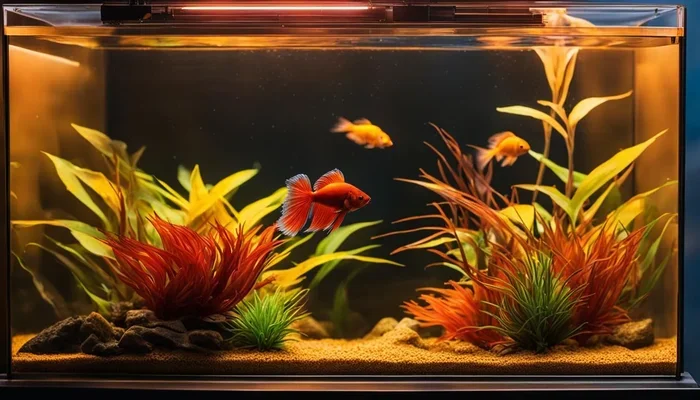
Need to warm your betta tank without a heater? Learning how to warm tank without heater for betta fish is easier than you think. These simple methods keep your betta healthy and comfortable using everyday items and smart setup choices.
Keeping your betta fish warm without a heater is something many fish owners face. Maybe your heater broke, or you are traveling and need a backup plan. Perhaps you simply want a more natural approach to betta fish tank warmer solutions. Whatever the reason, this guide covers everything you need to know.
Betta fish come from warm, tropical waters in Southeast Asia. They thrive in water temperatures between 76 and 82 degrees Fahrenheit. When the water drops below this range, your betta can become stressed, sluggish, and even sick. Keeping betta warm without a heater is totally doable with the right approach.
In this article, we will walk you through proven methods to maintain the right betta fish temperature using simple household items and smart tank placement. You will learn how to heat betta tank naturally, what tools to avoid, and how to monitor the warmth in your tank safely.
Before we dive in, it helps to understand why temperature control matters so much for your betta. Once you see the science behind it, these methods will make a lot more sense.
Key Takeaways
- Room temperature matters: Keeping your betta’s water between 76-82°F is essential for their health and happiness.
- Natural methods work well: Moving the tank to a warmer spot or using a hood can raise the temperature without any equipment.
- Monitor the temperature: A simple thermometer is your best friend when keeping a betta tank warm without a heater.
- Avoid common mistakes: Never use boiling water, direct sunlight alone, or hot plates to warm your betta tank.
- Winter needs extra care: Seasonal temperature drops require extra attention to keep your betta safe and comfortable.
- Small tanks cool faster: Consider tank size when choosing your warming method, as smaller tanks lose heat quickly.
📑 Table of Contents
- Why Betta Fish Need Warm Water
- Natural Ways to Warm Your Betta Tank Without a Heater
- Equipment Alternatives to Traditional Heaters
- How to Monitor Your Betta Tank Temperature
- Common Mistakes to Avoid When Warming a Betta Tank
- Keeping Your Betta Warm During Winter Months
- Quick Tips for Keeping Your Betta Warm Without a Heater
- Expert Insights on Betta Tank Warming
- Key Takeaways
- Conclusion
Why Betta Fish Need Warm Water
Betta fish are tropical creatures. Their bodies are designed to function best in warm water. When the temperature drops, their metabolism slows down. This affects everything from their digestion to their immune system.
Here is what happens when your betta’s water gets too cold:
- Sluggish behavior: Your betta will swim less and seem uninterested in food.
- Weakened immune system: Cold water makes bettas more vulnerable to diseases like fin rot and ich.
- Digestive problems: Bettas digest food slower in cold water, which can lead to bloating and constipation.
- Color fading: A cold betta often loses its vibrant colors and looks dull.
- Shorter lifespan: Prolonged exposure to cold water can significantly shorten your betta’s life.
The ideal betta fish temperature range is 76 to 82 degrees Fahrenheit. Keeping your tank in this zone is the single most important thing you can do for your fish’s health. If you are setting up a new tank, make sure you understand the full how to set up a fish tank for betta fish process to get the temperature right from day one.
Now that you know why warmth matters, let us explore the different ways to maintain it without a heater.
Natural Ways to Warm Your Betta Tank Without a Heater
There are several effective methods to keep your betta tank warm using natural techniques. These approaches work well for smaller tanks and bowls where heaters might not be practical anyway.
Place the Tank in a Warm Room
The simplest way to warm a betta tank is to move it to a warmer part of your home. Avoid rooms with drafts, like near windows or doors. Instead, choose an interior room that stays consistently warm throughout the day.
Here are some good spots to consider:
- Near a radiator or heating vent (but not directly on it)
- In a bathroom where hot water raises the ambient temperature
- On a shelf in a warm living area away from exterior walls
- In a room with a space heater during colder months
Just make sure the room temperature stays above 70 degrees Fahrenheit. If the room itself is cold, no placement trick will save your betta. This is why many owners ask about how to keep my betta fish warm without a heater as their go-to strategy.
Use a Tank Lid or Hood
Heat escapes from the surface of the water. A simple tank lid or hood traps that heat and keeps the water warmer for longer. This is one of the easiest and cheapest betta fish heater alternative methods available.
You can use:
- A fitted plastic hood from a pet store
- A glass canopy designed for aquariums
- Even a piece of plastic wrap loosely placed over the top (with small holes for air exchange)
A lid also prevents your betta from jumping out. Bettas are known jumpers, so this is a double benefit. Just make sure there is still some airflow so your fish gets enough oxygen.
Use Warm Water During Water Changes
When you do a water change, the temperature of the new water matters a lot. If you add cold tap water to your tank, it will lower the overall temperature. Instead, warm the water first before adding it to the tank.
Here is how to do it safely:
- Let your tap water sit for 24 hours to remove chlorine.
- Use a separate container to warm the water to about 78 degrees Fahrenheit.
- Test the temperature with a thermometer before adding it to the tank.
- Add the warm water slowly to avoid shocking your betta.
This method works best as a supplement to other warming techniques rather than a standalone solution. For more on water preparation, check out our guide on how to prepare water for a betta fish.
Use Warm Towels or Blankets Around the Tank
Wrapping the outside of your tank with warm towels or blankets can help insulate it and retain heat. This works especially well at night when room temperatures drop.
Here is how to do it:
- Use a towel warmed in a dryer (not hot, just warm).
- Wrap it around the back and sides of the tank.
- Leave the front exposed so you can still see your betta and monitor the light cycle.
- Remove the towel during the day to allow natural light in.
Do not cover the tank completely. Your betta needs light and air circulation to stay healthy. Think of this as a nighttime insulation trick, not a permanent solution.
Use a Heat Lamp or Desk Lamp
A desk lamp or small heat lamp positioned above the tank can add warmth. However, you need to be careful with this method. The light should not be too strong or too close to the water, as it can overheat the tank or disrupt your betta’s sleep cycle.
Tips for using a lamp safely:
- Use a low-wattage bulb (15-25 watts).
- Position the lamp at least 12 inches above the water surface.
- Use a timer to limit light exposure to 8-10 hours per day.
- Monitor the water temperature closely to avoid overheating.
This method works best in combination with a tank lid. The lid traps the heat from the lamp and keeps the water warmer. Without a lid, much of the heat will escape into the room.
Equipment Alternatives to Traditional Heaters
If natural methods are not enough, there are some equipment alternatives that can warm your betta tank without a traditional submersible heater. These options are great for tanks under 5 gallons.
Thermal Insulating Mats
Thermal insulating mats are designed to retain heat. You place them under or around the tank, and they help maintain a stable temperature. These are especially useful in cooler rooms or during winter months.
Look for mats rated for aquarium use. They are safe, energy-efficient, and easy to set up. Pair them with a tank lid for the best results.
Warm Water Bottles
Some betta owners use warm water bottles placed near the tank to gently raise the temperature. This is a short-term fix, not a long-term solution, but it can help during sudden temperature drops.
Just make sure the bottles are not too hot. Test them against your wrist before placing them near the tank. You want warm, not hot.
Aquarium Hoods with Built-In Heating
Some aquarium hoods come with built-in heating elements. These are not as powerful as a full heater, but they can maintain warmth in small tanks. If you are looking for a betta fish heater alternative that does the job automatically, this is worth considering.
How to Monitor Your Betta Tank Temperature
No matter which method you use, monitoring the temperature is critical. Without a heater, the temperature can fluctuate throughout the day. You need to know what is happening in your tank at all times.
Here is what you need:
- A reliable aquarium thermometer: Stick-on thermometers are cheap and easy to read. Digital thermometers are more accurate but cost a bit more.
- Regular temperature checks: Check the temperature at least twice a day, once in the morning and once in the evening.
- A temperature log: Write down the readings to spot patterns and catch drops early.
If you notice the temperature dipping below 74 degrees, take action immediately. Even a few hours in cold water can stress your betta. The goal is to keep the temperature stable within the 76-82 degree range.
For more tips on maintaining the right conditions, see our article on how to keep your betta fish warm.
Common Mistakes to Avoid When Warming a Betta Tank
Many beginners make mistakes when trying to warm their betta tank without a heater. Avoiding these pitfalls will save your fish a lot of stress and health problems.
Do Not Use Boiling Water
Some people think adding boiling water to the tank will quickly raise the temperature. This is dangerous. Boiling water can shock your betta, kill beneficial bacteria, and even crack the tank. Always bring the water to room temperature or slightly warm before adding it.
Do Not Rely Solely on Direct Sunlight
Placing the tank in direct sunlight might seem like a good idea. But sunlight creates uneven heating. One side of the tank can be much warmer than the other. This temperature gradient stresses your betta. Direct sunlight also promotes algae growth, which creates its own set of problems.
Do Not Use Hot Plates or Heating Pads
Never place a hot plate, heating pad, or any electrical device directly under or against the tank. These are not designed for aquarium use and can create dangerous hot spots or even start a fire.
Do Not Overinsulate
While insulation helps retain heat, too much of it can trap too much heat and raise the temperature above 82 degrees. Overheating is just as dangerous as being too cold. Always monitor the temperature when using insulation methods.
Keeping Your Betta Warm During Winter Months
Winter brings a big challenge for betta owners. Room temperatures drop, and keeping the tank warm becomes harder. If you live in a colder climate, you need extra strategies to keep betta fish warm in winter.
Here are some winter-specific tips:
- Move the tank away from windows: Cold drafts near windows can lower the tank temperature quickly.
- Use a thicker tank lid: A heavier lid traps more heat than a thin plastic cover.
- Wrap the tank at night: Use a warm towel or insulating blanket around the tank during the coldest hours.
- Consider a smaller tank: Smaller tanks warm up faster and hold heat better when insulated properly. Learn more about how big of a fish tank for betta to find the right size.
- Do smaller water changes: Large water changes in winter can drop the temperature suddenly. Stick to small, frequent changes with pre-warmed water.
For a complete guide on winter care, check out our article on how to keep betta fish warm in the winter.
| Method | Cost | Effectiveness | Best For |
|---|---|---|---|
| Warm Room Placement | Free | Moderate | Rooms above 72°F |
| Tank Lid or Hood | $5-$15 | Good | All tanks, especially small ones |
| Warm Water Changes | Free | Moderate | Supplementing other methods |
| Towel/Blanket Insulation | Free | Good (nighttime) | Winter and cold rooms |
| Desk Lamp | $10-$25 | Moderate | Small tanks with hoods |
| Thermal Insulating Mat | $10-$30 | Very Good | Cool rooms and winter use |
| Heated Aquarium Hood | $20-$50 | Very Good | Small tanks under 5 gallons |
Quick Tips for Keeping Your Betta Warm Without a Heater
Here are some fast tips you can start using today:
- Always use a thermometer. You cannot manage what you do not measure.
- Keep the tank away from exterior walls. These walls let in cold air during winter.
- Do water changes with pre-warmed water. This prevents temperature shocks.
- Use a fitted lid. It traps heat and keeps your betta safe.
- Check the temperature twice daily. Morning and evening checks catch problems early.
- Keep the tank in a stable environment. Avoid rooms with frequent temperature swings.
- Have a backup plan. If your main method fails, know what you will do immediately.
These tips might seem simple, but they make a huge difference. Consistency is key when keeping your betta warm without a heater. For more essential care tips, see our guide on how to properly care for betta fish.
Expert Insights on Betta Tank Warming
Experienced betta keepers agree that maintaining a stable temperature is more important than reaching a specific number. Fluctuations stress bettas more than a slightly lower but consistent temperature. The goal is stability.
Many experts also recommend combining two or more methods. For example, using a tank lid along with warm room placement creates a much more stable environment than either method alone. Think of it as layers of warmth working together to protect your betta.
If you are new to betta keeping, start with the simplest methods first. A good tank lid and a warm room might be all you need. As you gain experience, you can add more techniques like insulation and thermal mats.
Remember, every tank is different. What works for one betta owner might not work for another. The key is to observe your fish, monitor the temperature, and adjust your approach as needed.
Key Takeaways
- Betta fish need warm water: Keep the temperature between 76 and 82 degrees Fahrenheit for optimal health.
- Natural methods are effective: Tank placement, lids, warm water changes, and insulation can all raise the temperature without a heater.
- Monitor the temperature regularly: Use a thermometer and check the water temperature at least twice a day.
- Avoid common mistakes: Do not use boiling water, direct sunlight alone, or electrical heating devices not designed for aquariums.
- Winter requires extra care: Cold months demand additional insulation and closer temperature monitoring.
- Combine methods for best results: Using two or more techniques together creates a more stable and warm environment for your betta.
- Stability matters most: A consistent temperature within the ideal range is better than fluctuating between hot and cold.
Conclusion
Learning how to warm tank without heater for betta fish is an essential skill for every betta owner. Whether your heater broke, you are traveling, or you simply prefer a more natural approach, the methods in this guide will help you keep your betta comfortable and healthy.
From simple tricks like moving the tank to a warmer room and using a fitted lid, to more advanced techniques like thermal mats and insulated wraps, there are plenty of options available. The most important thing is to monitor the temperature consistently and respond quickly to any drops.
Your betta fish depends on you to maintain the right environment. By following the tips and methods outlined in this guide, you are giving your betta the best chance at a long, happy, and healthy life. Start implementing these strategies today, and you will see the difference in your betta’s energy, appetite, and colors.
Remember, a warm betta is a happy betta. Keep that tank at the right temperature, and your fish will thrive for years to come.
Frequently Asked Questions
Can I keep my betta fish warm without any equipment at all?
Yes, you can. The simplest method is placing the tank in a warm room away from drafts. Using a tank lid also helps retain heat without any equipment. These two steps alone can keep the water warm enough for your betta in most situations.
What is the lowest temperature a betta fish can survive?
Betta fish can survive in water as low as 65 degrees Fahrenheit, but they will become stressed and prone to illness. The ideal range is 76 to 82 degrees. Temperatures below 74 degrees should be addressed quickly to avoid health problems.
How often should I check my betta tank temperature without a heater?
Check the temperature at least twice a day, once in the morning and once in the evening. During winter or when room temperatures fluctuate more, check it every few hours. Consistency is the key to keeping your betta healthy without a heater.
Is it safe to use a hair dryer to warm a betta tank?
No, this is not safe. A hair dryer can create hot spots in the water and blow contaminants into the tank. It can also startle and stress your betta with the noise and airflow. Stick to safer methods like tank lids, warm water changes, and insulation.
How long can a betta fish survive in cold water?
A betta can survive short periods in cold water, but prolonged exposure weakens its immune system and leads to illness. Even a few hours below 70 degrees can cause stress. If you notice your betta becoming sluggish in cold water, take action immediately to raise the temperature.
What size tank is best for keeping a betta warm without a heater?
Smaller tanks warm up faster and hold heat better when insulated, making them easier to maintain without a heater. Tanks under 5 gallons are ideal for this purpose. Learn more about how big a tank for betta fish needs to be for the best results.