How to Tell What Gender Your Betta Fish Is
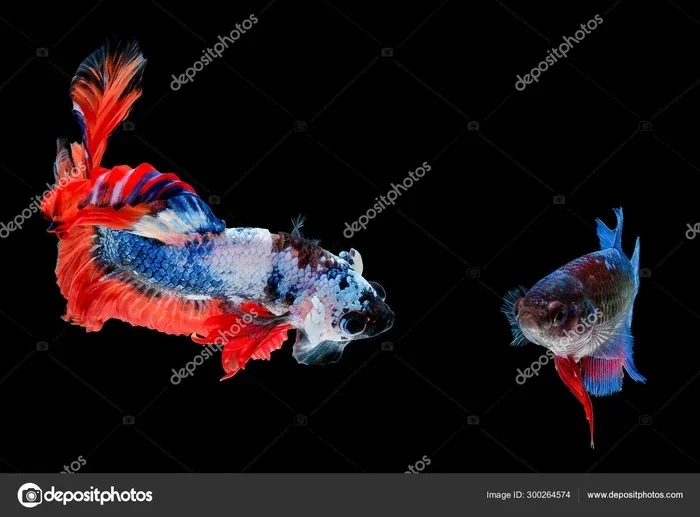
Knowing your betta fish’s gender is essential for creating a healthy tank and preventing unwanted aggression. Male bettas have long, flowing fins and vibrant colors, while females are smaller with shorter fins and a white egg spot. This guide will teach you how to tell what gender your betta fish is using simple visual cues and behavior clues.
Key Takeaways
- Master how to tell what gender your betta fish is: Inspect the vent, beard, and fins.
- Spot the egg spot: Males have a small white dot near the vent.
- Observe the beard: Males display a thicker, colorful beard when flaring.
- Check body shape: Females appear rounder and wider, especially near the belly.
- Compare fin length: Males typically have longer, flowing fins and tails.
- Watch for bubble nests: Males build bubble nests to attract females.
📑 Table of Contents
- Why Knowing Your Betta Fish’s Gender Matters
- Physical Differences Between Male and Female Betta Fish
- How to Tell What Gender Your Betta Fish Is by Checking the Vent
- Behavioral Clues That Reveal Your Betta’s Gender
- Comparing Male and Female Betta Fish: A Quick Reference
- Common Mistakes When Determining Betta Fish Gender
- Expert Insights and Key Takeaways
Why Knowing Your Betta Fish’s Gender Matters
So you want to learn how to tell what gender your betta fish is? Great question! Whether you’re a new betta owner or have had these gorgeous fish for a while, figuring out your betta’s gender is super important. It affects everything from tank setup to feeding routines and even their personality.
Knowing the gender of your betta fish helps you make smarter choices about their care. For example, male betta fish and females live very different lifestyles. Males are typically more colorful and have longer fins. Females tend to be smaller and calmer. If you plan on breeding, you need to know the difference. Even if you just want a happy, healthy fish, gender matters.
Here’s the good news. Telling your betta fish’s gender is easier than you think. You don’t need fancy equipment or a biology degree. A few simple observations will do the trick. Let’s break it all down together.
Physical Differences Between Male and Female Betta Fish
The easiest way to figure out how to tell what gender your betta fish is starts with looking at their body. Males and females have some pretty clear physical differences. Once you know what to look for, you’ll spot them every time.
Body Size and Shape
Male betta fish are usually longer and leaner. They have a slim, torpedo-like body shape. Their bodies stretch out to support those flowing fins. Female bettas are shorter and slightly wider. They often look more round around the belly area, especially when they’re carrying eggs.
Here’s a quick tip. If your betta looks thick around the midsection, it’s likely a female. Don’t confuse this with being sick, though. A round belly can also mean a healthy, gravid female ready to spawn.
Fin Length and Flow
This is probably the biggest giveaway. Male bettas are famous for their long, dramatic fins. Think flowing tail fins that trail behind them like silk. Their dorsal fins and anal fins are also much longer. Female betta fish have noticeably shorter fins. They still look nice, but nothing like the showy display of a male.
If your betta’s fins drag behind it like a wedding dress, you’ve got a male. Short and practical fins point to a female. This difference becomes even more obvious as the fish matures.
Color Intensity
Betta fish colors differ a lot between genders. Males tend to show off bold, vibrant colors. Think deep blues, fiery reds, and bright purples. They really ramp up their color to attract mates and show dominance. Females are usually more muted. Their colors can look pastel or dull compared to males.
That said, color alone isn’t always foolproof. Some female bettas can be surprisingly colorful. Always look at multiple physical signs together. How to tell a female betta fish from a male often involves checking several traits at once.
How to Tell What Gender Your Betta Fish Is by Checking the Vent
This method is hands-down one of the most reliable ways to determine gender. The vent is a small opening on the underside of your betta, right near the tail. It’s where waste and eggs pass through. Let’s look at what makes male and female vents different.
Male Betta Vent
A male betta’s vent looks like a small, flat slit. It stays pretty flush with the body. You might notice a tiny bump, but it’s not protruding. Males don’t carry eggs, so there’s no need for a larger opening. This small, neat opening is a strong sign you’re looking at a male.
Female Betta Vent
A female betta fish has a slightly different vent. It looks a bit more round or puffy. Sometimes it sticks out just a tiny bit from the body. This is because the female body is preparing to release eggs. If you see a slightly white or clear spot near the vent, that’s a good sign she’s gravid, or carrying eggs.
Checking the vent works best with fish that you can hold gently or view from below. It takes a bit of practice, but once you see the difference, it clicks right away. For more detailed guidance, check out how to check betta fish gender for step-by-step tips.
Behavioral Clues That Reveal Your Betta’s Gender
Looks aren’t everything. Betta fish behavior also gives away their gender. Watching how your fish acts daily can help confirm what you already suspect from their physical traits.
Male Betta Behavior
Male bettas are known for being aggressive. This is especially true toward other males. They flare their gills, spread their fins, and may even fight their reflection. Males are also more territorial. They like to claim a specific spot in the betta fish tank and guard it fiercely.
Males also build bubble nests. If you see a cluster of tiny bubbles near the water’s surface, congratulations, you have a male. He builds these to prepare for breeding. Even without a female around, males will still make these nests. It’s just in their nature.
Female Betta Behavior
Female betta fish are generally much calmer. They don’t flare as often and tend to swim more casually. They’re social too. Many females can live together in a group called a sorority, as long as the tank is big enough. Males can never share a tank with another male. Ever.
Females also show different feeding habits. They tend to eat at a steadier pace. Males can get so excited during feeding that they gulp food quickly. A betta fish care routine should always account for these personality differences.
Egg Spot Indicator
One behavior clue that really stands out is the egg spot. Also called the ovipositor, this is a small white dot near the vent of a female. It becomes visible when she’s ready to breed. Males don’t have this spot at all. Seeing an egg spot is basically a sure thing that you’re dealing with a female.
Comparing Male and Female Betta Fish: A Quick Reference
Let’s make this super simple. Here’s a comparison table that sums up the main differences. Use this as your go-to reference whenever you’re unsure.
| Trait | Male Betta | Female Betta |
|---|---|---|
| Body Shape | Long and slim | Short and slightly wide |
| Fin Length | Very long and flowing | Shorter and practical |
| Color | Bold and vibrant | Muted or pastel |
| Vent | Flat, small slit | Slightly round or puffy |
| Behavior | Aggressive, territorial | Calm, social |
| Bubble Nests | Yes | No |
| Egg Spot | No | Yes (white dot near vent) |
| Size | Slightly larger | Slightly smaller |
This table covers the basics of betta fish identification. Keep it in mind next time you peer into your tank. Most of the time, two or three of these traits together will give you a clear answer.
Quick Tips for Examining Your Betta
- Use a clear tank. Tanks with decorations blocking your view make it harder to spot differences.
- Watch your betta swim. Males often swim with their fins fully spread. Females swim more tucked in.
- Be patient. Sometimes a male betta shows off his colors only during certain times of day.
- Try feeding them. Males often show more excitement and display behaviors during feeding time.
- Use a flashlight gently. Shining a soft light from below can help you see the vent more clearly.
Common Mistakes When Determining Betta Fish Gender
Even experienced fish keepers can mix things up. Let’s clear up the most common betta fish differences people get wrong.
Relying on Color Alone
This is the biggest mistake. Not all male bettas are bright, and not all females are dull. Some female bettas can have surprisingly strong colors, especially certain breed types. Always combine color with other signs like fin length and body shape.
Confusing a Young Betta’s Gender
Baby bettas look very similar. How to tell betta fish age also plays a role here. Young males and females don’t show full differences until they mature. A juvenile male may look a lot like a female at first. Give it a few weeks. The fins and colors will start to show the truth.
If you’re wondering how to tell the age of a betta fish, check their fin development. Fully developed fins usually mean a mature fish, which makes gender easier to spot.
Thinking All Short-Finned Bettas Are Female
Some male bettas belong to breeds like the plakat variety. These males have shorter fins compared to show-style males. They can trick you into thinking they’re female. Look at the vent and body shape instead. A plakat male will still have a flat, narrow vent and a longer body.
Ignoring Behavioral Signs
Physical traits are great, but don’t ignore behavior. A male betta that never flares might still be male. He could just be relaxed. Pair what you see with physical signs for the best results. How to determine betta fish gender works best when you use all available clues together.
Expert Insights and Key Takeaways
So you’ve made it to the end. Let’s wrap everything up with a few expert-backed tips. These will help you feel confident every time you need to figure out your betta’s gender.
Expert Tips from Experienced Keepers
Professional aquarists always say the same thing. Don’t rush the process. Watch your fish over a few days. Here’s what the pros recommend:
- Start with the fins. Long fins almost always mean male. Short fins lean toward female.
- Check the vent. This is the most reliable single indicator. Take your time and look closely.
- Watch behavior over time. Aggression and bubble-building point to a male. Calmness and social swimming point to a female.
- When in doubt, look at multiple signs. One trait alone can be misleading.
- Keep a journal. Note what you see daily. Patterns emerge that you might miss otherwise.
Key Takeaways
Here’s what to remember about how to tell what gender your betta fish is:
- Body shape matters. Males are longer, females are wider.
- Fin length is a big clue. Long, flowing fins signal a male.
- Color intensity helps. Bright colors usually belong to males.
- The vent is your best friend. A flat slit means male; a rounder opening means female.
- Behavior confirms everything. Aggression and bubble nests mean male. Calmness means female.
- The egg spot is a dead giveaway for females.
Knowing your betta’s gender isn’t just trivia. It shapes how you care for them. It affects tank mates, feeding, and even tank decoration choices. A betta fish species like the halfmoon looks different from a plakat, and each gender shows unique traits within those breeds. The more you know, the better you care for these amazing creatures.
Now you have everything you need. Grab a snack, sit by your tank, and take a good long look at your betta. You’ll probably spot the signs right away. Once you know how to tell what gender your betta fish is, you’ll feel more connected to your little friend. That bond makes fish keeping so much more rewarding. Happy fish keeping!
Frequently Asked Questions
How Can You Tell If a Betta Fish Is Male or Female?
The easiest way to tell is by looking at the body shape and fin length. Males typically have longer, flowing fins and a more streamlined body, while females are shorter and rounder, especially when carrying eggs.
What Are the Key Differences Between Male and Female Betta Fish?
Male bettas display vibrant colors and long, dramatic fins, whereas females have shorter fins and a duller color palette. Females also have a visible white egg spot on their underside, which males usually lack.
How to Tell What Gender Your Betta Fish Is by Looking at the Fins?
Male bettas have significantly longer dorsal, tail, and anal fins that trail behind them as they swim. Females have much shorter, less elaborate fins, which makes their body shape appear more compact and stout.
Do Female Betta Fish Have Egg Spots?
Yes, female bettas have a small white spot called an ovipositor on their underside, which is used for releasing eggs. This egg spot is one of the most reliable indicators that your betta is female, though it can sometimes be hard to spot on darker-colored fish.
At What Age Can You Tell a Betta Fish’s Gender?
You can usually determine the gender of a betta fish once it reaches about 2 to 3 months old. At this age, differences in fin length, body shape, and color become clearly visible between males and females.
Can You Keep Male and Female Betta Fish Together?
Male and female bettas can sometimes live together temporarily, especially during breeding, but it requires careful monitoring. Most of the time, males are highly aggressive toward other males, and even females can be territorial, so separate tanks are usually the safest choice.