How to Tell If My Betta Fish Is Bloated
Knowing how to tell if my betta fish is bloated is essential for every fish owner. A bloated belly can signal serious health issues like constipation, swim bladder disease, or even dropsy. This guide covers the top signs, causes, and treatments so you can act fast and save your betta.
You stare into your betta fish tank one morning and notice something looks off. Your beautiful fish has a round, swollen belly that wasn’t there yesterday. If you’ve ever wondered how to tell if my betta fish is bloated, you’re in the right place.
Betta fish bloating is one of the most common health concerns among fish keepers. It can look scary, but the good news is that many causes are treatable at home. The key is knowing what to look for and acting quickly. This guide walks you through every sign, cause, and solution in plain, simple language.
Whether your betta has a slightly round belly or a dangerously swollen stomach, understanding the root cause makes all the difference. Let’s dive in and help your fish feel better.
Key Takeaways
- Early detection matters: Spotting bloating early gives your betta the best chance of recovery.
- Multiple causes exist: From overfeeding to serious diseases, bloating has many triggers.
- Diet plays a big role: Proper feeding habits prevent most digestive bloating issues.
- Treatment varies by cause: What works for constipation won’t help dropsy, so diagnosis is key.
- Water quality is critical: Poor tank conditions can directly cause bloating and illness.
- When in doubt, see a vet: Some conditions need professional care to resolve safely.
📑 Table of Contents
- How to Tell If My Betta Fish Is Bloated: The Top Signs
- Common Causes of Bloating in Betta Fish
- How to Diagnose the Cause of Bloating
- Treatment Options for a Bloated Betta Fish
- Prevention Tips to Keep Your Betta Healthy
- When to Seek Professional Help
- Quick Tips for Betta Fish Bloating
- Common Mistakes to Avoid
- Final Thoughts
How to Tell If My Betta Fish Is Bloated: The Top Signs
Recognizing bloating early is the single most important step. A healthy betta fish should have a sleek, slightly rounded body. When bloating sets in, the changes are usually visible fast. Here are the signs you need to watch for.
1. Visibly Swollen Belly
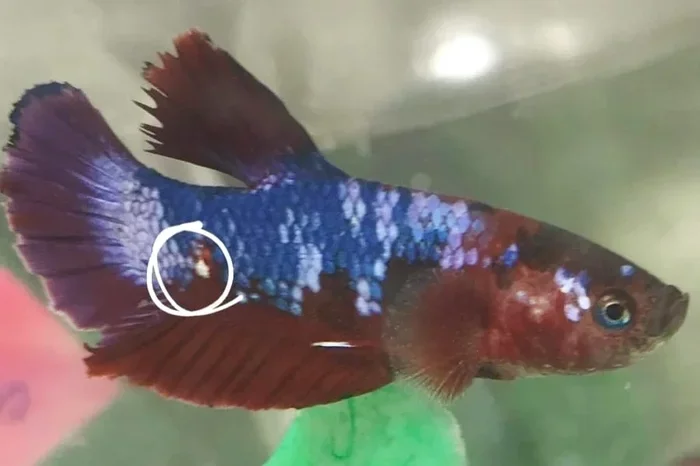
The most obvious sign is a belly that looks much larger than normal. Your betta’s body may appear stretched or tight. In some cases, the scales may even stick out slightly, giving the fish a pinecone-like look. This is never normal and needs attention right away.
2. Loss of Appetite
A bloated betta often refuses food. If your fish ignores pellets or flakes it normally devours eagerly, something is wrong. Appetite loss usually accompanies bloating and can worsen quickly if the underlying cause isn’t addressed.
3. Lethargy and Swimming Changes
A healthy betta is active and curious. A bloated fish may swim slowly, hover near the bottom, or struggle to stay upright. Some bettas float at the top while others sink to the floor. These swimming changes often point to digestive discomfort or swim bladder issues tied to bloating.
4. Curved or Crooked Spine
In severe cases, the spine may appear curved or the fish may swim in a tilted position. This is a serious sign and often indicates advanced bloating or a condition like dropsy. Immediate action is critical at this stage.
5. Clamped Fins
When a betta holds its fins close to its body instead of spreading them, it’s a stress response. Clamped fins combined with a swollen belly strongly suggest your fish is unwell and needs care.
Common Causes of Bloating in Betta Fish
Understanding why your betta fish is bloated is just as important as recognizing the signs. Different causes require different treatments, so let’s break them down clearly.
Overfeeding
This is the number one cause of bloating in pet bettas. Many owners feed too much or too often. Betta fish have small stomachs, roughly the size of their eye. Overfeeding fills the stomach quickly and leads to digestive buildup, gas, and constipation. The result? A swollen, uncomfortable belly.
Constipation
Constipation and bloating go hand in hand. When food sits in the digestive tract too long, it creates blockages and pressure. You may notice your betta has not produced waste in a while. This is a clear signal that something needs to change in the feeding routine.
Swim Bladder Disease
The swim bladder controls buoyancy and balance. When it becomes compromised, often due to bloating or constipation, your fish struggles to swim normally. Swim bladder disease can stem from overfeeding, poor diet, or sudden temperature changes in the tank.
Dropsy
Dropsy is a serious condition where fluid builds up inside the fish’s body. It causes extreme swelling and pinecone-like scales. Dropsy is often a symptom of kidney failure or severe bacterial infection. It requires urgent care and has a lower survival rate than other causes of bloating.
Poor Water Quality
Dirty water stresses betta fish and weakens their immune system. When water parameters like ammonia, nitrite, or nitrate spike, fish become more vulnerable to illness and bloating. Regular water changes and proper filtration are essential for prevention.
Internal Parasites
Parasites can invade the digestive system and cause swelling, waste buildup, and appetite loss. These are harder to spot without a microscope but often present alongside other bloating symptoms. If you’ve ruled out overfeeding and water quality, parasites may be the culprit.
How to Diagnose the Cause of Bloating
Not all bloating is the same. Figuring out the cause helps you choose the right treatment. Here’s a simple way to narrow it down.
Check the Belly Shape
A soft, evenly swollen belly often points to constipation or overfeeding. A hard, tight belly with protruding scales may indicate dropsy. A belly that changes shape with swimming position could signal swim bladder problems.
Observe Eating Habits
Is your betta still eating? If yes, the cause is likely mild and diet-related. If your fish refuses food entirely, the issue may be more serious. Watch for how your fish responds to food over 24 to 48 hours.
Test the Water
Use a liquid test kit to check ammonia, nitrite, nitrate, and pH levels. Poor water quality is a hidden cause of many fish health problems. If any parameter is off, water changes should come first.
Look for Other Symptoms
Combine bloating with other signs. Clamped fins, white spots, redness, or unusual discharge all point toward infection or disease. A single symptom like bloating is easier to treat than a combination of issues.
Treatment Options for a Bloated Betta Fish
Once you identify the likely cause, treatment becomes much simpler. Here are the most effective approaches, organized by the type of bloating.
For Constipation and Mild Bloating
Fasting: Stop feeding your betta for two to three days. This gives the digestive system time to clear out any buildup. Many fish owners are surprised how effective a simple fast can be.
Pea Method: After fasting, offer a single thawed, skinless pea. Peas are high in fiber and help push waste through the digestive tract. This is one of the most trusted home remedies for betta fish bloating.
Warm Water: Slightly raising the tank temperature to around 80°F can boost your betta’s metabolism and aid digestion. A small heater or temporary temperature adjustment makes a big difference.
For Swim Bladder Issues
Treat constipation first, since swim bladder problems often stem from digestive blockages. If the issue persists, check for physical injury or infection. In some cases, adjusting the feeding schedule and food type resolves swim bladder symptoms completely.
For more detailed guidance on swim bladder problems, check out our article on how to cure my betta fish swim bladder disease.
For Dropsy and Serious Conditions
Dropsy is difficult to treat at home. Epsom salt baths can help draw out excess fluid in mild cases. Mix one teaspoon of Epsom salt per gallon of tank water and let your betta soak for 15 to 30 minutes. However, if the condition worsens, consult a veterinarian who specializes in fish health.
For Poor Water Quality
Perform a 25 to 50 percent water change immediately. Use dechlorinated water at the same temperature as the tank. Test parameters again after 24 hours and repeat water changes if needed. Keeping up with regular maintenance prevents this cause of bloating from returning.
Prevention Tips to Keep Your Betta Healthy
Preventing bloating is far easier than treating it. A few simple habits can keep your betta fish happy and bloat-free for years.
Feed Smaller, More Frequent Meals
Instead of one large feeding, offer two small meals per day. A pinch of food or two to three pellets per meal is plenty. This mimics natural eating patterns and keeps the digestive system running smoothly.
Maintain Clean Water
Test water parameters weekly and perform partial water changes every one to two weeks. Clean water reduces stress and supports a strong immune system. A well-maintained tank is your first line of defense against bloating and many other health issues.
Choose High-Quality Food
Not all betta pellets are created equal. Look for foods with real protein sources and minimal fillers. Frozen or live foods like brine shrimp and bloodworms make excellent supplements. Avoid feeding human food, which can cause digestive problems.
Monitor Your Fish Daily
Spend a few minutes each day watching your betta. Early detection of bloating or other symptoms gives you a head start on treatment. The sooner you notice something off, the easier it is to fix.
Avoid Overcrowding the Tank
Betta fish need space to swim and explore. A tank of at least five gallons is recommended. Overcrowding increases stress, wastes build up faster, and disease spreads more easily. A calm, clean environment keeps bloating risks low.
When to Seek Professional Help
Some cases of bloating go beyond home treatment. If your betta shows no improvement after three to five days of fasting and dietary changes, it’s time to seek help. Also, if you notice pinecone scales, open sores, or rapid decline in health, a fish veterinarian can provide targeted treatment options that go beyond what home care offers.
Remember, trusting your instincts matters. You know your fish better than anyone. If something feels wrong, don’t wait too long to act.
Quick Tips for Betta Fish Bloating
- Fast your betta for 2 to 3 days at the first sign of bloating.
- Feed a single thawed pea after fasting to aid digestion.
- Keep tank temperature steady between 78 and 80 degrees Fahrenheit.
- Test water parameters weekly and never skip partial water changes.
- Avoid feeding live food from unknown sources to prevent parasites.
- Watch for combined symptoms like clamped fins and bloating together.
- Keep a log of feeding amounts and fish behavior for easier tracking.
Common Mistakes to Avoid
Don’t skip fasting. Many owners panic and feed more when they see bloating. This only makes it worse. Let the digestive system rest first.
Don’t ignore water quality. Even if the bloating seems diet-related, poor water can slow healing and cause secondary infections.
Don’t wait too long. Mild bloating can escalate fast, especially in smaller tanks where water parameters shift quickly. Early action is always better than late intervention.
Don’t self-diagnose dropsy. Pinecone scales are a clear sign, but only a professional can confirm the underlying cause and prescribe proper medication.
Final Thoughts
Learning how to tell if my betta fish is bloated empowers you to protect your fish’s health. From swollen bellies to appetite changes, the signs are there if you know what to look for. Most cases of bloating stem from overfeeding, constipation, or poor water quality, and all of these are preventable with the right care routine.
Act early, treat appropriately, and never underestimate the power of a clean tank and a proper feeding schedule. Your betta fish depends on you for its well-being, and with the knowledge you’ve gained from this guide, you’re well equipped to keep it healthy and thriving.
Stay observant, stay proactive, and your betta will reward you with vibrant color and lively behavior for years to come. If bloating does strike, you now have the tools to respond with confidence and care.
Frequently Asked Questions
How long can a betta fish live with bloating?
It depends entirely on the cause. Mild constipation-related bloating can resolve within days with proper treatment. However, dropsy or severe infection may shorten a betta’s life significantly if not treated quickly. Early intervention always improves the prognosis.
Can overfeeding really cause bloating in bettas?
Yes, absolutely. Overfeeding is the leading cause of bloating in betta fish. Their stomachs are tiny, and excess food leads to digestive blockages, gas buildup, and constipation. Feeding small amounts twice a day is the ideal routine.
Is Epsom salt safe for betta fish?
Epsom salt is generally safe when used correctly. It helps draw out excess fluid and relieve constipation-related bloating. Always use one teaspoon per gallon and limit soak time to 15 to 30 minutes. Never use table salt as a substitute.
What’s the difference between a fat betta and a bloated betta?
A healthy betta has a slightly rounded but smooth belly. A bloated betta shows sudden swelling, tight scales, and often behavioral changes like lethargy or loss of appetite. If the belly feels hard or the fish looks uncomfortable, bloating is likely the cause.
Can poor water quality alone cause bloating?
Yes, poor water quality stresses betta fish and weakens their immune system. This makes them more susceptible to digestive issues and infections that lead to bloating. Regular water changes and parameter testing are essential for prevention.
Should I isolate a bloated betta fish?
Isolation is a good idea if you suspect infection or parasites, as it prevents spread to other fish. For mild constipation or overfeeding, treatment in the main tank is usually fine. If you use a hospital tank, keep conditions calm and warm to aid recovery.