How to Take Care of a Fish Betta
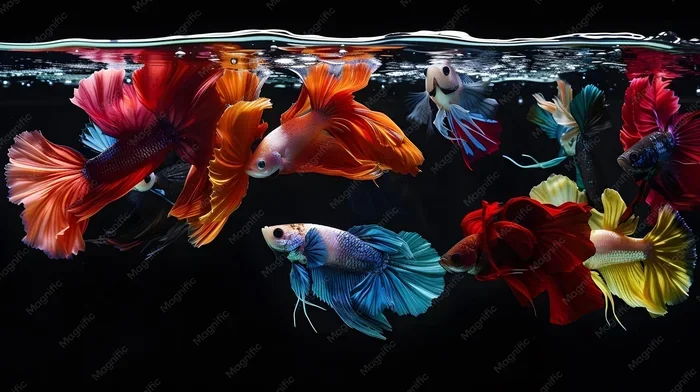
Learning how to take care of a fish betta is easier than most people think. This guide covers everything you need to know, from setting up the perfect tank and maintaining clean water to feeding the right diet and keeping your betta healthy. Whether you are a complete beginner or looking to improve your current routine, you will find practical tips and actionable steps to give your betta fish the best life possible.
If you have ever seen a betta fish shimmering in a tank, you know how captivating they can be. These vibrant little creatures with their flowing fins and bold personalities have won the hearts of fish keepers around the world. But here is the truth many beginners learn the hard way: betta fish need more than just a bowl and some food. They need proper care, the right environment, and a little bit of knowledge to truly thrive.
So, what does it really take to care for a betta fish? The answer is simpler than you might expect. With the right setup, a consistent routine, and a bit of attention, you can keep your betta healthy and happy for three to five years. In this guide, we will walk you through every essential step. We will cover tank setup, water quality, feeding, common health issues, and so much more. By the end, you will feel confident and ready to give your betta the care it deserves.
Key Takeaways
- Tank Size Matters: A minimum of 5 gallons is essential for a healthy betta fish to thrive and swim freely.
- Water Temperature is Critical: Keep the water between 76-82°F using a reliable aquarium heater to prevent stress and illness.
- Diet Affects Health: Feed your betta high-quality pellets and occasional treats like bloodworms, but avoid overfeeding.
- Regular Water Changes: Perform weekly partial water changes to remove toxins and maintain clean, safe water conditions.
- Watch for Warning Signs: Learn to recognize common betta fish illness symptoms early so you can act fast and save your fish.
- Plants and Decor Help: Adding live plants and hiding spots reduces stress and creates a natural, comfortable environment.
📑 Table of Contents
Understanding Your Betta Fish
Before you dive into the day-to-day care routine, it helps to understand what makes betta fish unique. Native to the warm, shallow waters of Southeast Asia, bettas (also called Siamese fighting fish) have evolved to survive in challenging environments. They have a special organ called the labyrinth that allows them to breathe air from the surface. This is why you will often see your betta gulping at the water surface.
Knowing this background matters because it shapes everything about how you care for them. Betta fish care is not just about feeding them flakes. It is about recreating the conditions they naturally thrive in. When you understand their origins, you make better decisions about tank size, water temperature, and even the type of food you offer.
How Long Do Betta Fish Live?
With proper care, most betta fish live between three and five years. Some well-cared-for bettas have even reached six or seven years. The key factors that influence lifespan include water quality, diet, stress levels, and tank conditions. If you want your betta to live a long and vibrant life, consistency in care makes all the difference.
Setting Up the Perfect Betta Tank
The single most important thing you can do for your betta is to set up the right tank. Many people mistakenly keep bettas in tiny bowls or vases. While a betta can survive in a small container short term, it will not thrive. A proper tank gives your fish room to explore, swim, and express natural behaviors.
If you are new to fish keeping, consider reading our guide on how to set up a fish tank for betta fish for a detailed walkthrough. The steps below give you a solid foundation to start with.
Tank Size Requirements
The minimum tank size for a single betta fish is 5 gallons. Here is why this matters:
- 5 gallons or more: Provides stable water parameters and enough space for swimming.
- Under 5 gallons: Water conditions fluctuate rapidly, which stresses your fish.
- 10 gallons or more: Ideal for adding gentle tank mates or live plants.
A larger tank is always better. It gives you more room for error and makes maintenance easier. Think of it this way: the more water volume, the more diluted toxins become, and the safer your betta stays.
Essential Equipment
Every betta tank needs a few key pieces of equipment. Here is what you should have ready before bringing your fish home:
- Aquarium Heater: Betta fish are tropical and need warm water. A heater rated for your tank size keeps the temperature steady.
- Filter: A gentle sponge filter works great for bettas. Avoid strong hang-on-back filters because the current can stress them out.
- Thermometer: You need to monitor the water temperature daily. A simple stick-on thermometer works perfectly.
- Water Conditioner: Tap water contains chlorine and chloramine that are harmful to fish. Always treat water before adding it to the tank.
- Substrate: Soft gravel or sand is ideal. Avoid rough substrates that can damage delicate betta fins.
Water Quality and Maintenance
Clean water is the foundation of betta fish care. Betta fish are sensitive to ammonia, nitrite, and nitrate buildup. Poor water quality leads to stress, faded colors, and serious illness. Keeping the water clean does not have to be complicated, but it does require consistency.
For detailed guidance on preparing safe water for your betta, check out our article on how to prepare water for a betta fish. It covers the exact steps you need to follow every time you do a water change.
Ideal Water Parameters
Here are the target water parameters for a healthy betta tank:
- Temperature: 76-82°F (24-28°C)
- pH Level: 6.5-7.5 (slightly acidic to neutral)
- Ammonia: 0 ppm (parts per million)
- Nitrite: 0 ppm
- Nitrate: Below 20 ppm
These numbers might look technical, but they are easy to manage with the right tools. A liquid test kit gives you accurate readings. Test strips work in a pinch, but liquid kits are more reliable and worth the small investment.
Water Change Schedule
Consistency is everything when it comes to water maintenance. Here is a simple routine that works for most betta tanks:
- Weekly: Change 25-30% of the tank water. Use a gravel vacuum to remove debris from the substrate.
- Bi-Weekly: If your tank is heavily planted or has a good filter, you can stretch to a 20% change every two weeks.
- Monthly: Clean the glass, rinse filter media in old tank water (never tap water), and check equipment function.
Always match the temperature of the new water to the tank water. Sudden temperature drops are one of the most common causes of betta stress. And never forget to add water conditioner to remove harmful chemicals from tap water.
Feeding Your Betta Fish Properly
Feeding your betta might seem straightforward, but there is more to it than dropping flakes into the tank. Betta fish are carnivores by nature. They need a protein-rich diet to maintain their energy, vibrant colors, and overall health. Many commercial fish foods are filled with fillers like wheat and corn that offer little nutritional value.
Best Foods for Betta Fish
Here are the top food options for your betta, ranked by nutritional value:
| Food Type | Nutritional Value | Feeding Frequency |
|---|---|---|
| High-Quality Betta Pellets | Excellent | Daily staple |
| Frozen Bloodworms | Good | 2-3 times per week |
| Freeze-Dried Brine Shrimp | Good | 1-2 times per week |
| Live Daphnia | Excellent | 1-2 times per week |
| Betta Flakes | Fair | Occasional treat only |
The best approach is to use high-quality pellets as the base of the diet. Then supplement with frozen or freeze-dried treats a few times a week. This variety keeps your betta interested in food and provides a well-rounded nutritional profile.
Common Feeding Mistakes
Overfeeding is the number one mistake betta owners make. Here is what to avoid:
- Feeding too much at once: A betta’s stomach is about the size of its eye. Two to three pellets per feeding is plenty.
- Feeding every meal: Skipping one day per week helps prevent constipation and keeps the digestive system healthy.
- Leaving uneaten food: Excess food decays quickly and pollutes the water. Remove any uneaten food after five minutes.
If your betta spits out its food, do not panic. This is a common behavior. The fish is breaking down the pellets by crushing them in its mouth. Try soaking pellets for a few seconds before feeding to make them softer.
Keeping Your Betta Fish Healthy
Prevention is always better than cure when it comes to betta fish health. A well-maintained tank with stable conditions goes a long way in keeping illness away. But even with the best care, problems can still arise. Knowing the early warning signs helps you catch issues before they become serious.
Common Betta Fish Illnesses
Here are the most common health problems betta fish face and how to handle them:
- Ich (White Spot Disease): Small white spots appear on the body and fins. It is caused by stress or sudden temperature changes. Raise the temperature slowly to 82°F and treat with medication.
- Fin Rot: Frayed or discolored fins that seem to be getting worse. Usually caused by poor water quality. Improve water conditions and use antibacterial treatment if needed.
- Constipation: The fish swells up near the belly and stops eating. Fast the fish for one to two days and feed a thawed pea (no skin) as a natural laxative.
- Stress: Clamped fins, hiding, and loss of color are signs of stress. Check water parameters, temperature, and reduce any sources of disturbance near the tank.
If you notice any of these symptoms, act quickly. Early intervention makes a huge difference in recovery. For more information on treating common issues, visit our guide on how to treat ich on a betta fish.
Signs of a Happy, Healthy Betta
How do you know your betta is doing well? Look for these positive signs:
- Bright, vivid colors
- Flowing, undamaged fins
- Active swimming throughout the tank
- Eager response at feeding time
- Building bubble nests (a sign of a content male betta)
When you see these behaviors, you know your care routine is working. A happy betta fish is an active and curious fish. They explore their environment, interact with their surroundings, and show off their beautiful fins.
Creating a Comfortable Environment
A betta fish thrives when its environment feels safe and natural. Adding the right elements to the tank does more than make it look pretty. It directly impacts your fish’s stress levels and overall well-being.
Plants and Decorations
Live plants are one of the best additions you can make to a betta tank. They provide natural hiding spots, improve water quality by absorbing nitrates, and create a more natural feel. Some great plant options for bettas include:
- Java Fern: Easy to grow and does not need high light.
- Anubias: Hardy and attaches to rocks or driftwood.
- Amazon Sword: Larger leaves give your betta plenty of cover.
- Betta Bulbs: Specifically designed for betta tanks and grow quickly.
When choosing decorations, avoid anything sharp or rough. Betta fins are delicate and can tear easily. Smooth rocks, soft substrate, and gentle plastic plants work well too.
Tank Mates for Betta Fish
Many people wonder if bettas can live with other fish. The answer is yes, but it depends on the tank setup and the individual fish. Some bettas are peaceful, while others are aggressive. Here are some safe tank mate options for a 10-gallon or larger tank:
- Neon Tetras
- Corydoras Catfish
- Mystery Snails
- Ghost Shrimp
- Harlequin Rasboras
Always monitor your betta when introducing new tank mates. If you see flaring, chasing, or fin nipping, separate the fish immediately. A peaceful community tank is possible, but it requires careful planning and observation.
Winter Care for Your Betta
Cold weather can be especially challenging for betta fish. As temperatures drop, tank heaters become even more important. If you live in a colder climate, you might want to learn more about how to take care of betta fish in winter. Key winter tips include insulating the tank, avoiding drafts, and checking the heater daily.
Building a Bond With Your Betta Fish
One of the most rewarding parts of betta fish care is the connection you build with your pet. Bettas are smarter than people give them credit for. They can recognize their owners, learn to respond to feeding signals, and even interact with their environment in surprising ways.
If you want to strengthen your bond with your betta, try these simple tips:
- Talk to your fish: Bettas get used to the sound of your voice over time.
- Feed by hand: Once your betta trusts you, it will swim to your hand during feeding time.
- Spend time near the tank: Your presence calms the fish and reduces stress.
- Introduce new elements slowly: New decorations or tank mates should be added gradually to avoid overwhelming your betta.
For more tips on deepening your relationship with your pet, check out our article on how to grow a bond with your betta fish. The trust between you and your fish grows over time with patience and consistency.
Conclusion
Taking care of a betta fish is a rewarding journey that starts with the right knowledge and a commitment to consistency. From setting up a proper 5-gallon tank and maintaining clean water to feeding a balanced diet and watching for signs of illness, every step you take makes a real difference in your fish’s quality of life.
Remember, betta fish care is not about perfection. It is about creating a stable, healthy environment and paying attention to your fish’s needs. Start with the basics, build your routine, and keep learning as you go. Your betta will reward you with vibrant colors, lively behavior, and years of companionship.
Now that you have the tools and knowledge, you are ready to give your betta fish the home it deserves. Enjoy the process, celebrate the small victories, and never stop caring for your little aquatic friend. A well-cared-for betta is a beautiful thing to behold.
Frequently Asked Questions
How often should I feed my betta fish?
Feed your betta once or twice a day, giving only what it can eat in about two minutes. Two to three pellets per feeding is usually enough. Skipping one day per week helps prevent overfeeding and keeps the digestive system healthy.
Can a betta fish live in a bowl without a filter?
A betta can survive in a small unfiltered bowl, but it will not thrive. A 5-gallon tank with a gentle filter provides much better water quality and a healthier environment. Filters help remove harmful toxins and reduce the frequency of water changes needed.
Why is my betta fish staying at the top of the tank?
Betta fish often stay near the surface because they are breathing air through their labyrinth organ. However, if your betta is gasping frequently, it could indicate low oxygen levels or poor water quality. Test your water parameters and check the temperature to make sure everything is within the ideal range.
Do betta fish need a heater?
Yes, betta fish need a heater. They are tropical fish and require a steady water temperature between 76 and 82 degrees Fahrenheit. Without a heater, cold water can weaken their immune system and lead to serious health problems over time.
How can I tell if my betta fish is stressed?
Common signs of stress in betta fish include clamped fins, loss of color, hiding frequently, and refusal to eat. Stress is often caused by poor water quality, incorrect temperatures, or aggressive tank mates. Check your water parameters and tank conditions first when you notice these behaviors.
Can betta fish live with other fish?
Yes, bettas can sometimes live with other fish in a tank of 10 gallons or more. Peaceful species like neon tetras, corydoras catfish, and mystery snails make good tank mates. Always monitor interactions closely and be prepared to separate fish if aggression occurs.