How to Stop Betta Fish from Biting Tail
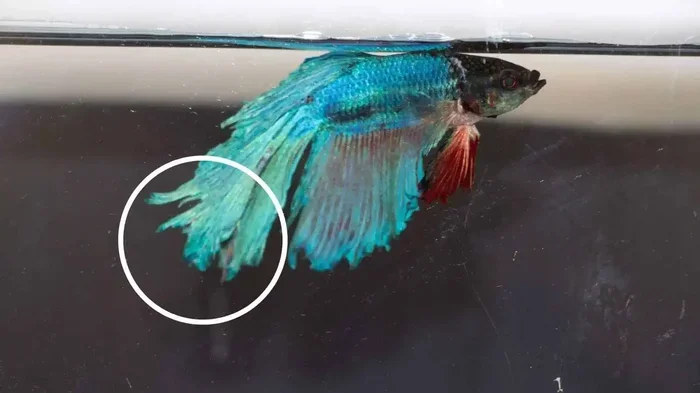
Betta fish biting their own tail is a common but serious problem that can lead to infection and permanent damage. Understanding the root causes — from stress and boredom to poor water conditions — is the first step to stopping this behavior. This guide covers practical, actionable methods to prevent and treat betta fish tail biting so your fish can heal and thrive.
Watching your betta fish nip at its own tail can be heartbreaking. It is one of the most worrying behaviors a fish keeper can witness. The good news is that betta fish biting tail is a problem you can fix. With the right approach, you can stop this behavior and help your fish heal.
This guide walks you through everything you need to know. We cover the real reasons behind tail biting, proven solutions, and simple prevention tips. Whether your betta is just starting or the behavior has gone on for weeks, you will find practical advice here. Let us dive in and give your betta the relief it deserves.
Key Takeaways
- Stress is the #1 cause: Poor water quality, small tanks, and reflective surfaces can trigger tail biting in betta fish.
- Boredom plays a big role: Betta fish need enrichment, hiding spots, and visual barriers to stay calm.
- Water quality matters: Regular water changes and proper parameters prevent irritation that leads to biting.
- Tank setup changes work: Adding plants, caves, and dividers reduces stress and stops the behavior.
- Early action prevents infection: Catching tail biting early saves your betta from fin rot and serious health issues.
- Vet care is sometimes needed: If the tail is already damaged, consult a fish veterinarian for treatment.
📑 Table of Contents
Why Do Betta Fish Bite Their Tails?
Tail biting is not random. Your betta is trying to tell you something. Understanding the “why” behind this behavior is the key to fixing it. Most causes come from the fish’s environment or mental state. Let us look at the biggest reasons below.
Stress and Anxiety
Stress is the number one trigger for betta fish biting tail. Bettas are sensitive creatures. When their environment feels wrong, they become anxious. Common stressors include loud noises near the tank, sudden light changes, and being housed in too small a space. Even the reflection in the glass can terrify a betta.
A stressed betta may also flare at its own reflection for hours. This constant agitation exhausts the fish and can lead to self-harm. If your betta is chasing its tail or nipping at it frequently, stress is likely the culprit.
Boredom and Lack of Stimulation
Bettas are curious fish. They need mental engagement to stay happy. A bare tank with nothing to explore gets boring fast. When a betta is bored, it may start chewing on its own fins and tail out of sheer frustration.
Think of it like a person sitting in an empty room all day. Without stimulation, the mind seeks something to do. For your betta, that “something” is often its own tail. Adding plants, caves, and gentle water flow can make a huge difference.
Poor Water Conditions
Dirty water is a silent killer. Ammonia and nitrite spikes irritate a betta’s sensitive skin and fins. When the water quality drops, the fish becomes uncomfortable. This discomfort can manifest as tail biting.
Even if your tank is cycled, infrequent water changes can cause parameters to drift. High nitrate levels, wrong pH, and temperature swings all contribute. Keeping the water clean and stable is one of the simplest ways to prevent betta fish tail biting.
Overcrowded or Incompatible Tank Mates
Sometimes the problem is not the betta alone. If your tank has aggressive tank mates, your betta may feel threatened. This constant tension can lead to nervous behaviors like tail biting. Even a tank that is too crowded causes stress for a solitary fish like a betta.
Bettas are territorial by nature. They need their own space. If other fish invade their territory or bother them, the betta may redirect that aggression inward.
Common Causes of Tail Biting in Betta Fish
Now that you understand the “why,” let us get specific. Here are the most common causes of betta fish biting tail behavior, listed out so you can check each one against your setup.
1. Small or Improperly Sized Tanks
Many beginners keep bettas in bowls or tanks under 5 gallons. These tiny spaces give the fish nowhere to swim and no room to establish territory. A cramped betta is a stressed betta. Stress leads directly to tail biting. A tank of at least 5 gallons is the minimum recommended size for a single betta.
2. Reflective Surfaces
Glass tanks show reflections clearly. Your betta may see its own reflection and think it is a rival fish. It will flare, chase, and eventually become so agitated that it starts biting its tail. This is especially common in tanks placed near windows or bright lights.
3. Lack of Hiding Spots
Betta fish need places to hide and feel safe. Without plants, caves, or decorations to break up the line of sight, the fish feels exposed at all times. This constant vigilance wears the fish down and triggers self-destructive behaviors.
4. Sharp or Rough Decorations
Rough plastic plants, sharp driftwood, or abrasive gravel can physically irritate a betta’s tail. The fish may then bite at the irritated area, creating a cycle of damage. Always use smooth, silk plants and soft substrates in a betta tank.
5. Illness or Parasites
Sometimes tail biting is a response to pain. If your betta has parasites, a bacterial infection, or early signs of fin rot, it may bite at the affected area. Check for redness, swelling, or fraying of the tail fins. If you suspect illness, address it promptly.
How to Stop Betta Fish from Biting Tail
Now for the part you have been waiting for — the solutions. Stopping betta fish biting tail requires a combination of environmental changes, stress reduction, and sometimes medical treatment. Here is a step-by-step approach that works.
Step 1: Improve Water Quality Immediately
Start with the basics. Test your water for ammonia, nitrite, and nitrate. Ammonia and nitrite should be at zero. Nitrates should be below 20 ppm. If any parameter is off, do a 25-50% water change right away. Use a water conditioner to neutralize chlorine and chloramine from tap water.
Going forward, stick to a regular water change schedule. Weekly 25% changes keep parameters stable. This alone can stop mild tail biting caused by poor water conditions.
Step 2: Increase Tank Size
If your betta is in a bowl or a tank under 5 gallons, upgrade. A larger tank gives your fish room to swim and explore. It also dilutes waste products, making it easier to maintain clean water. A 10-gallon tank is ideal for a single betta.
If upgrading is not possible right now, focus on the other steps below. Even small improvements make a difference.
Step 3: Add Plants and Hiding Spots
Live or silk plants give your betta places to rest and feel secure. Amazon sword plants, java fern, and anubias are great choices. They are soft, safe, and create natural visual barriers that break up the betta’s line of sight.
Caves, driftwood, and ceramic hides also help. The goal is to make the tank feel like a habitat, not an open empty space. This reduces anxiety and gives your betta something to explore besides its own tail.
Step 4: Break Up Reflections
If your betta is flaring at its reflection, you need to break up the view. Place a background on the outside of the tank. You can use a dark poster board or a decorative aquarium background. Reducing the amount of visible glass also helps.
Adjust the lighting so it is not too bright. Avoid placing the tank directly in front of a window where sunlight creates strong reflections. A dimmer, consistent light schedule calms bettas down significantly.
Step 5: Provide Mental Stimulation
Keep your betta’s mind active. You can do this in several simple ways. Float a ping pong ball in the tank. Use a mirror briefly (for 2-3 minutes, not longer) to encourage natural flaring behavior. You can even teach your betta to do tricks using food rewards.
Variety in the tank layout also helps. Rearrange decorations occasionally (being careful not to disturb beneficial bacteria). New shapes and configurations keep the environment interesting for your fish.
Step 6: Treat Any Underlying Illness
If you suspect your betta’s tail biting is caused by pain or infection, treat the condition. Fin rot, bacterial infections, and parasites all need specific treatments. Tetracycline is a common antibiotic used for bacterial infections in bettas. Salt baths can also help with mild fin damage and stress.
For more serious cases, consult a fish veterinarian. They can prescribe the right medication and dosage. Do not guess with treatments, as incorrect medication can make things worse.
Prevention Tips to Keep Your Betta Happy and Tail-Biting Free
Prevention is always better than cure. Once you have stopped the tail biting, you want to make sure it does not come back. Here are long-term habits that keep your betta healthy and relaxed.
Maintain a Consistent Tank Routine
Bettas thrive on routine. Feed at the same times each day. Do water changes on a set schedule. Keep the temperature stable between 78-80°F. Consistency makes your fish feel safe and secure. A properly maintained betta fish tank is the foundation of good health.
Choose Compatible Tank Mates Carefully
If you want tank mates, choose them wisely. Avoid aggressive fish, fin-nippers, and brightly colored species that trigger territorial behavior. Ghost shrimp, snails, and small peaceful bottom dwellers are better options. Always monitor interactions closely when introducing new fish.
Feed a Balanced Diet
Good nutrition supports a strong immune system and healthy fins. Feed high-quality betta pellets as the staple diet. Supplement with frozen or live foods like brine shrimp and bloodworms occasionally. A well-fed betta is a healthier, less stressed betta.
Monitor Your Fish Daily
Spend a few minutes each day watching your betta. Look for signs of stress like clamped fins, rapid breathing, or hiding more than usual. Catching problems early makes them much easier to fix. Daily observation also helps you spot tail biting behavior before it becomes a habit.
When to See a Veterinarian
Sometimes home remedies are not enough. If your betta’s tail is visibly damaged, bleeding, or showing signs of infection, it is time to seek professional help. Redness, pus, fraying that does not improve, and loss of appetite are all warning signs.
A fish veterinarian can diagnose the root cause and prescribe targeted treatment. Do not wait too long. Tail damage can progress quickly to fin rot and systemic infection if left untreated. Early veterinary intervention can save your betta’s life.
Final Thoughts
Betta fish biting tail is a behavior that comes from a specific cause. Once you identify and address that cause, the behavior usually stops. Whether it is stress, boredom, poor water quality, or illness, there is always a solution. The steps in this guide give you a clear roadmap to follow.
Start with the basics: clean water, a proper tank size, and a stimulating environment. Add targeted treatments if needed. And remember, prevention through consistent care is the best long-term strategy. Your betta deserves to live a happy, healthy life without the urge to bite its own tail. Take action today, and you will see the difference in your fish’s behavior and overall well-being.
For more tips on keeping your betta healthy, check out our guides on treating betta fish fin loss and treating a stressed betta fish. You can also learn more about setting up the perfect tank for your betta to prevent behavioral issues before they start.
Frequently Asked Questions
Why is my betta fish biting its own tail?
Betta fish bite their tails most often due to stress, boredom, or poor water conditions. Reflective surfaces, small tanks, and lack of stimulation are common triggers. Sometimes illness or parasites cause the behavior too.
Is tail biting in betta fish dangerous?
Yes, it can be. Constant biting damages the tail and opens the door to bacterial infections and fin rot. If left untreated, severe tail damage can become life-threatening. Early intervention is essential.
How long does it take for a betta’s tail to heal after biting stops?
Mild tail damage usually heals within 2-4 weeks with clean water and proper care. More severe damage may take longer, especially if infection sets in. Treating the root cause speeds up the healing process significantly.
Can I use salt baths to help my betta’s bitten tail?
Yes, salt baths are a popular and effective home remedy for mild fin and tail damage. Use aquarium salt at the correct dosage (1 teaspoon per gallon) and monitor your fish closely. Salt baths reduce stress and promote healing.
Should I remove tank decorations if my betta is biting its tail?
Not necessarily. Instead, replace any sharp or rough decorations with smooth silk plants and soft substrates. Add more hiding spots and plants to reduce stress. The goal is to make the tank more enriching, not more bare.
How can I tell if my betta is stressed?
Common signs of stress include clamped fins, rapid breathing, loss of appetite, hiding constantly, and flaring at reflections. If you notice these behaviors alongside tail biting, your betta is likely stressed and needs environmental improvements.