How to Speak Betta Fish
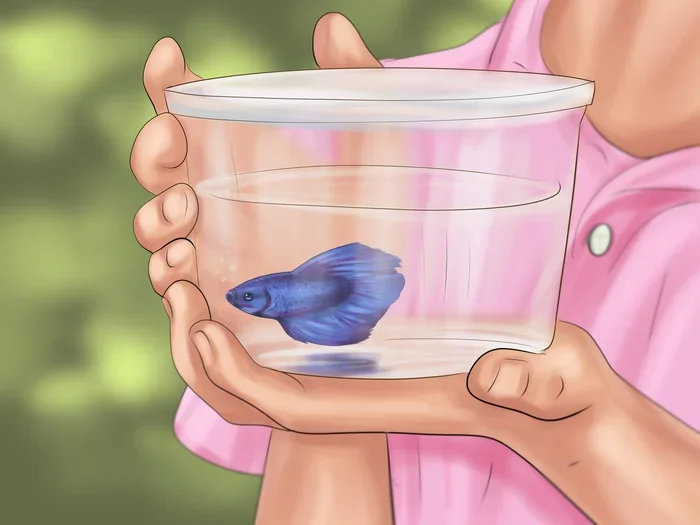
Understanding how to speak betta fish opens up a fascinating window into your pet’s world. Betta fish communicate through body language, fin positions, and color changes that reveal their mood, health, and needs. By learning these subtle signals, you can build a stronger bond with your fish and ensure they thrive in their environment.
How to Speak Betta Fish
Understanding how to speak betta fish is one of the most rewarding skills any fish owner can develop. Bettas are not silent pets. They communicate constantly through body movements, color changes, and unique behaviors. Once you learn their language, you will notice a whole new side of your fish. This guide breaks down everything you need to know about reading and responding to your betta’s signals.
Many fish owners miss the subtle cues their betta sends every day. A flared fin is not just random. A slow swim near the surface has meaning. Betta fish communication is real, and it is easier to understand than you might think. By the end of this article, you will feel confident interpreting what your betta is trying to tell you.
We will cover body language, common behaviors, stress signals, and practical tips for building a stronger bond. Whether you are a beginner or have kept bettas for years, this guide will sharpen your ability to connect with your fish. Let us dive in and start decoding what your betta has been trying to say all along.
Key Takeaways
- Read fin positions carefully: they reveal your betta’s mood and comfort level.
- Vibrant colors mean happiness: a bright betta is a healthy betta.
- Flared gills signal aggression: your betta feels threatened or territorial.
- Lethargic movement warns of stress: check water conditions and health immediately.
- Bubble nests show contentment: a male betta feels safe and secure.
- Watch feeding behavior closely: it reveals appetite and overall wellness.
- Dull fading colors need attention: they often signal illness or poor water quality.
📑 Table of Contents
Understanding Betta Fish Body Language
Betta fish body language is the foundation of understanding how to speak betta fish. Every movement, color shift, and posture tells a story. Fish cannot use words, but they are always communicating. Your job is to pay attention and learn what each signal means.
Reading Fins and Tail Movements
The fins and tail are the most expressive parts of a betta fish. When your betta spreads its fins wide and looks large, that is called flaring. Bettas flare to show dominance or to react to something they see in the mirror or another fish nearby. Some bettas even flare at their own reflection for hours.
Relaxed fins that hang naturally mean your fish feels safe. Curled or clamped fins close to the body are a warning sign. Your betta might feel stressed or unwell. If you notice fin clamping, check the water conditions and look for other stress indicators.
Slow, gentle fin movements show a calm and content fish. Rapid fin fluttering can signal excitement during feeding time or agitation when something in the tank feels wrong. Watch your betta’s fins daily to build a baseline of what normal looks like for your specific fish.
What Eye Movements Tell You
Betta eyes are surprisingly expressive. A betta that tracks your movement outside the tank is alert and curious. This is one of the clearest signs that your fish is engaged with its surroundings. Some bettas even seem to recognize their owners through the glass.
Cloudy or swollen eyes can indicate illness or poor water quality. If your betta keeps its eyes closed for long periods, that is a serious red flag. Healthy eyes should be clear and bright. Regular observation of eye condition helps you catch problems early and keep your fish thriving.
Common Betta Fish Behaviors and What They Mean
Betta fish behavior goes far beyond just swimming around. Each action carries a message. Learning to read these behaviors is the core of how to speak betta fish. Let us look at the most common behaviors and what they reveal about your fish’s mood and health.
Flaring and What Triggers It
Flaring is one of the most dramatic betta behaviors. Your fish will spread its gills, fins, and tail to appear as large as possible. This behavior is rooted in instinct. In the wild, bettas use flaring to intimidate rivals and defend territory.
Common triggers include:
- Seeing another betta fish nearby
- Catching a reflection in the glass
- Noticing a shadow or movement outside the tank
- Feeling stressed by changes in the environment
Occasional flaring is normal. However, constant flaring can exhaust your fish and weaken its immune system. If your betta flares nonstop, try reducing reflections by dimming the room lights or adding plants to break up the tank’s glass edges.
Bubble Nest Building Behavior
Bubble nests are one of the most fascinating signs of a happy, healthy betta. Male bettas build these floating clusters of bubbles at the surface of the water. A well-built bubble nest means your fish feels secure and ready to breed if a female is present.
Even in a single-species tank, your male betta might build bubble nests just because he is content. The size and frequency of nests can vary. Some bettas build large nests daily, while others build small ones occasionally. Both patterns are perfectly normal and show that your fish is comfortable in its environment.
Surface Gasping and What It Signals
If your betta spends a lot of time at the surface gulping air, pay attention. Bettas have a special organ called the labyrinth that allows them to breathe surface air. A quick gulp now and then is normal behavior.
However, constant gasping at the surface can mean low oxygen levels, high ammonia, or incorrect water temperature. This is especially common in winter when room temperatures drop. If you notice persistent surface gasping, test your water parameters and consider using a heater to maintain stable warmth. You can learn more about maintaining the right warmth in our guide on how to keep your betta fish warm.
Signs of a Happy vs Stressed Betta Fish
Telling the difference between a happy betta and a stressed betta is essential. Once you know what to look for, you will quickly become fluent in betta fish communication. Here is a clear breakdown of what each state looks like.
Quick Reference Guide
| Behavior | Happy Betta | Stressed Betta |
|---|---|---|
| Fin Position | Flowing, relaxed, spread out | Clamped close to body |
| Color | Vivid, bright, and intense | Faded, pale, or dull |
| Appetite | Eager eater, finishes food quickly | Refuses food or eats very little |
| Swimming Pattern | Smooth, active, exploring the tank | Lethargic, hiding, or erratic |
| Bubble Nests | Regularly builds and maintains nests | No nest building at all |
| Interaction | Follows your finger, watches you | Avoids movement, stays hidden |
Use this table as a daily checklist. If you notice several stressed signs, take action quickly. Check the water temperature, test for ammonia and nitrites, and consider whether recent changes might be causing anxiety. If your betta shows signs of chronic stress, our article on how to treat a stressed betta fish offers practical steps to help your fish recover.
Color Changes as Communication
Betta fish can change color based on their mood and environment. A bright, vivid betta is usually a content betta. When a fish turns pale or develops vertical stripes, it is often responding to stress or preparing for a territorial display.
Some bettas naturally darken when they feel territorial. Others fade when they are sick or depressed. Color changes are one of the most powerful forms of betta fish body language. Learning your individual fish’s color patterns will help you spot problems before they become serious.
How to Respond to Your Betta Fish Signals
Reading your betta’s signals is only half the equation. The other half is knowing how to respond. How to speak betta fish works both ways. Your fish sends messages, and your actions are your reply. Responsive care builds trust and creates a more engaging environment for both of you.
Adjusting Tank Conditions Based on Behavior
When your betta shows signs of discomfort, the first thing to check is the water. Bettas are tropical fish and need stable warmth. Cold water can slow their metabolism and make them sluggish. If your fish seems less active during colder months, a small tank heater can make a huge difference.
Water quality matters just as much. Ammonia and nitrite spikes cause immediate stress. Test your water weekly and perform regular partial water changes. Adding plants to the tank helps maintain cleaner water and gives your betta places to explore and hide. For more detailed water care guidance, visit our article on how to take care of betta fish water.
Creating a Stimulating Environment
Bettas are curious creatures. A bare tank with nothing to explore leads to boredom and stress. Add gentle plants, smooth decorations, and open swimming space. Live plants are ideal because they also help filter the water and provide natural hiding spots.
Some bettas enjoy watching movement outside their tank. Placing the tank in a quiet area where family activity happens can keep your fish mentally engaged. Just avoid placing the tank in direct sunlight or near drafty windows, as temperature swings can harm your fish.
Building a Bond Through Communication
One of the most enjoyable parts of keeping bettas is the bond you can develop. Learning how to speak betta fish opens the door to a personal connection that many people do not expect from a pet fish. Bettas are intelligent and capable of recognizing their owners over time.
Training and Interaction Tips
Start by feeding your betta at the same time each day. Your fish will quickly learn to associate your presence with food and will begin to watch for you. Over time, many bettas swim to the front of the tank when they see their owner approaching.
You can also try finger training. Hold your finger near the outside of the tank and wait for your betta to approach. Some fish will follow your finger along the glass. This simple interaction is a clear sign that your fish trusts you and recognizes you as part of its environment.
Be patient. Building a bond takes time. Some bettas warm up quickly, while others need several weeks to feel comfortable. Avoid sudden movements or loud noises near the tank, as these can startle your fish and set back the trust-building process.
Seasonal Behavior Changes
Betta behavior changes with the seasons. In colder months, bettas often become less active and may eat less. This is a natural response to lower temperatures. If you live in a cooler climate, adjusting your tank heater settings during winter helps keep your fish comfortable year round.
Warmer months often bring more energy and playful behavior. Your betta may swim more actively and build bubble nests more frequently. Understanding these seasonal patterns helps you provide better care throughout the year. For more tips on seasonal care, check out our guide on how to take care of betta fish in winter.
Key Takeaways for Speaking Betta Fluently
How to speak betta fish comes down to observation, patience, and consistent care. Here are the most important points to remember:
- Body language is everything. Fins, color, and eye movements tell you how your fish feels.
- Flaring has a purpose. It signals territory, stress, or excitement. Occasional flaring is normal, but constant flaring needs attention.
- Bubble nests mean happiness. A building betta is a content betta.
- Color changes are real signals. Fading or darkening tells you something about your fish’s mood or health.
- Respond quickly to stress signs. Test water, adjust temperature, and reduce environmental stressors.
- Bonding takes time. Regular interaction and consistent feeding routines build trust over weeks and months.
The more time you spend watching your betta, the better you will understand its unique personality. Every fish has its own quirks and communication style. Some bettas are dramatic flarers, while others are calm observers. Learning your individual fish’s patterns is the true key to fluency in betta fish communication.
Proper care is the foundation of all good communication. When your fish feels safe and healthy, its behavior becomes clearer and easier to read. For a complete guide to overall care practices, see our article on how to properly care for betta fish. Apply what you have learned here, watch your fish closely, and enjoy the rewarding experience of truly understanding your betta.
Frequently Asked Questions
What does it mean to speak betta fish?
Speaking betta fish means learning to read your fish’s body language and behavioral cues to understand how they feel. It involves observing fin positions, color changes, bubble nests, and swimming patterns. Once you know what to look for, you can respond to their needs more effectively and build a stronger bond with your pet.
How can I learn how to speak betta fish through their body language?
Start by watching your betta’s fins, tail, and overall posture throughout the day. Relaxed fins and smooth swimming usually mean your fish is happy and healthy, while clamped fins or hiding often signal stress or illness. Paying close attention to these small details is the first step toward becoming fluent in betta communication.
Why does my betta fish flare its gills, and what is it saying?
Flaring is a natural behavior where your betta spreads its gills and fins to appear larger, usually in response to a perceived threat or rival. It can also happen when your fish sees its reflection or encounters a new object in the tank. Understanding this display helps you speak betta fish more confidently by knowing when to remove stressors or give your fish space.
What do bubble nests tell me about my betta fish?
Bubble nests are a sign that your male betta feels safe and comfortable in its environment. Building a nest of bubbles at the water’s surface often indicates that your fish is in a good mood and ready to breed if a female is present. If your betta stops building nests, it could be a clue that something in the tank needs adjustment.
How do I know if my betta fish is stressed or unhappy?
Common signs of stress include faded colors, loss of appetite, rapid gill movement, and staying at the bottom of the tank for long periods. You can also watch for glass surfing, where your betta repeatedly swims along the tank walls, which often points to boredom or territorial frustration. Learning to spot these signs early is a key part of how to speak betta fish and keep your companion thriving.
Can I train my betta fish to respond to me, and how does that work?
Yes, bettas are intelligent fish that can learn to associate your presence with feeding time and even recognize their owner over time. You can use consistent cues like tapping gently on the tank or using a feeding ring to create a routine your fish will learn to anticipate. With patience and regular interaction, you will find it much easier to speak betta fish and enjoy a more engaging relationship with your pet.