How to Set Up a Vase for a Betta Fish
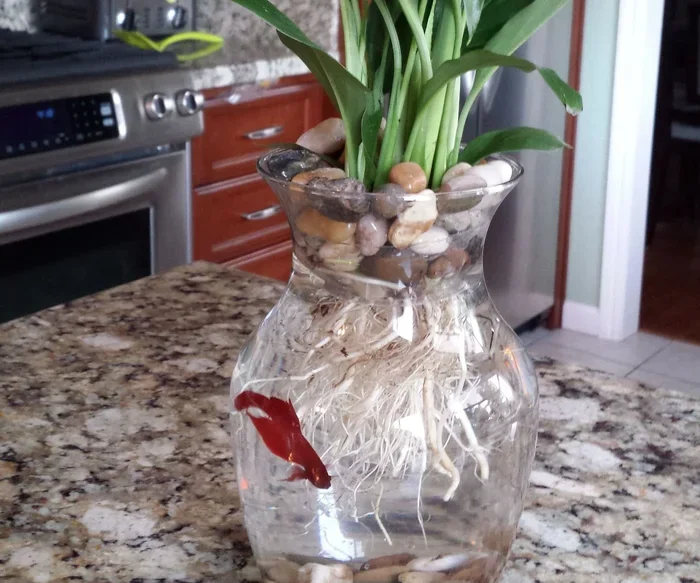
Setting up a vase for a betta fish is a simple and rewarding project. You will learn how to choose the right vase, prepare the water, add plants, and maintain a healthy environment. This guide covers everything you need to keep your betta happy and thriving in a beautiful vase setup.
Setting up a vase for a betta fish can be a fun and creative project. Many fish lovers choose a vase because it looks beautiful and gives their betta a unique home. But a vase is more than just a pretty container. It is a living environment that needs proper setup and care.
In this guide, we will walk you through every step of setting up a betta fish vase. You will learn how to pick the right vase, prepare the water, add plants, and keep the environment clean. Whether you are a beginner or a seasoned fish keeper, this guide has something useful for you.
A vase aquarium setup can work well for bettas, but it does come with some challenges. Vases usually have less water volume than traditional tanks. This means water parameters can change faster. But with the right approach, you can create a healthy and stunning home for your betta fish.
Key Takeaways
- Choose a vase that holds at least 1 gallon: Larger vases give your betta more room to swim and help keep the water stable.
- Prepare the water properly: Use a water conditioner to remove chlorine and match the temperature to 76-82°F.
- Add live plants and gentle decorations: Plants like java moss and anubias create a natural, safe habitat for your betta.
- Keep the water warm and clean: A small heater and regular water changes are essential for vase setups.
- Cycle the vase before adding your fish: Establishing beneficial bacteria prevents ammonia spikes and keeps your betta healthy.
- Maintain a weekly routine: Regular water changes and cleaning prevent buildup and extend your betta’s lifespan.
📑 Table of Contents
- Why Choose a Vase for Your Betta Fish?
- Choosing the Right Vase for Your Betta
- How to Prepare the Vase and Water
- Adding Plants and Decorations
- Cycling the Vase Before Adding Your Betta
- Daily and Weekly Maintenance for a Betta Vase
- How to Add Your Betta Fish to the New Vase
- Common Problems with Vase Setups and How to Fix Them
- Final Thoughts
Why Choose a Vase for Your Betta Fish?
Many people wonder why anyone would put a betta fish in a vase instead of a regular tank. The answer is simple. Vases look gorgeous. They add a natural, elegant touch to any room. Some vases also take up less space than a full aquarium.
But there is more to it than looks. A betta fish vase can work well if you set it up correctly. Bettas are labyrinth fish, which means they can breathe air from the surface. In the wild, they live in shallow, slow-moving waters like rice paddies and ponds. A vase mimics this type of environment.
That said, a vase should never be too small. A tiny jar is not enough for a betta to thrive. You need enough room for swimming, exploring, and maintaining stable water conditions. We will talk more about the right size in the next section.
Benefits of a Vase Setup
- Aesthetic appeal: Vases look stylish and fit well in home decor.
- Compact size: They take up less space than a full aquarium.
- Natural feel: You can add live plants to create a lush, green look.
- Easy to view: A vase lets you enjoy your betta from all angles.
- Affordable: Many vases are inexpensive compared to aquarium kits.
Challenges of a Vase Setup
- Small water volume: Less water means faster changes in temperature and chemistry.
- Limited filtration: Many vases do not come with built-in filters.
- No built-in heater: You may need to add a small heater separately.
- More frequent maintenance: Water changes are needed more often than in a larger tank.
- Less swimming space: Bettas need room to move around freely.
Choosing the Right Vase for Your Betta
Picking the right vase is the most important first step. Not every vase works for a betta fish. You need to think about size, shape, and material. Let us break this down so you can make the best choice.
Vase Size Matters
The bigger the vase, the better. A betta fish tank size of at least 1 gallon is the minimum. But if you can go larger, aim for 2 to 5 gallons. More water means more stable conditions. Your betta will also have more room to swim and explore.
Avoid narrow-necked vases. They make it hard to clean and do water changes. A wide opening is much easier to work with. It also gives your betta better access to the surface for air.
Material and Shape
Glass vases are the best choice. They are easy to clean and do not leach chemicals. Plastic vases can scratch over time and may harbor bacteria in scratches. Avoid vases with painted interiors or chemical coatings.
Round and cylindrical shapes are popular, but they can be tricky. The curved glass distorts the view and makes it hard to clean corners. A wide-mouthed vase with straight sides works best for betta fish care and maintenance.
What to Look For
- Capacity: At least 1 gallon, ideally 2 to 5 gallons.
- Wide opening: Makes cleaning and water changes easier.
- Glass material: Safe, easy to clean, and does not leach chemicals.
- No sharp edges: Protects your betta’s delicate fins.
- Stable base: Prevents the vase from tipping over.
How to Prepare the Vase and Water
Once you have the right vase, it is time to prepare it. This step is crucial. Skipping proper preparation can harm your betta. Let us go through the process step by step.
Cleaning the Vase
Before you use the vase, wash it thoroughly. Use warm water and a soft cloth. Do not use soap or detergent. Soap residue is toxic to fish. Rinse the vase several times until there is no residue left.
If there are hard water stains, use a mixture of vinegar and water. Scrub gently with a soft brush. Rinse the vase very well after cleaning. You want it completely free of any chemicals or cleaning products.
Adding Substrate (Optional)
You can add a thin layer of substrate to the bottom of the vase. Gravel or sand works well. Just make sure it is aquarium-safe. Rinse the substrate before adding it to remove dust and debris.
A thin layer of substrate can look nice and help anchor plants. But it is not required. Many betta vases work perfectly without any substrate at all. The choice is yours based on the look you want.
Preparing the Water
This is one of the most important steps. Tap water contains chlorine and chloramine, which are harmful to fish. You need to treat the water before adding it to the vase.
Use a water conditioner designed for aquariums. Add the right amount based on the volume of water in your vase. Let the water sit for a few minutes after adding the conditioner. This gives it time to neutralize the harmful chemicals.
The water temperature should be between 76 and 82 degrees Fahrenheit. Bettas are tropical fish and need warm water. If your tap water is too cold, you can mix in some warm water. Use a simple thermometer to check the temperature.
For more detailed guidance on preparing water, check out our article on how to prepare water for a betta fish. It covers everything you need to know about getting the water just right.
Adding Water to the Vase
Slowly pour the treated water into the vase. Avoid splashing too much, as it can create excess bubbles. Fill the vase about 80 percent full. This leaves room for air at the top, which your betta needs to breathe.
If you are adding a heater, place it now. Use a small aquarium heater rated for the size of your vase. Set the temperature to around 78 degrees Fahrenheit. Make sure the heater is fully submerged and functioning properly before adding your betta.
Adding Plants and Decorations
One of the best things about a vase setup is the ability to add live plants. Plants make the vase look beautiful and provide real benefits for your betta. They help oxygenate the water, absorb waste, and give your betta places to explore and rest.
Best Plants for a Betta Vase
Not all plants work well in a vase. You need plants that can thrive in a smaller water volume and do not need too much light. Here are some great options:
- Java moss: Easy to grow and very hardy. It provides a natural look and a great place for your betta to explore.
- Anubias: A low-maintenance plant that grows well in low light. It attaches to rocks and driftwood easily.
- Java fern: Another tough plant that does well in vase setups. It adds a lush, green appearance.
- Amazon sword (small varieties): Works well in larger vases and adds a dramatic look.
- Water wisteria: Grows quickly and helps keep the water clean by absorbing nitrates.
Avoid plants with sharp edges or rough textures. Bettas have long, delicate fins that can tear easily. Choose soft, smooth-leaved plants that are safe for your fish.
Decorations and Hideouts
Betta fish love to explore and hide. Adding a few decorations can make your vase feel more like a natural habitat. Use aquarium-safe rocks, driftwood, or caves. Avoid decorations with sharp edges or paint that can chip off.
Do not overcrowd the vase. Leave enough open swimming space for your betta. A good rule of thumb is to keep decorations to about 30 percent of the vase volume. The rest should be open water for swimming.
Lighting Considerations
If your vase has live plants, they will need some light. A small LED aquarium light works well. You do not need anything powerful. In fact, too much light can cause algae to grow out of control.
Provide about 8 to 10 hours of light per day. Use a simple timer to keep the schedule consistent. Too much light can also stress your betta, so make sure the light is not too bright. Some bettas prefer dimmer environments, especially if the vase is placed near a window with natural light.
For tips on lighting, read our guide on can a light be too bright for a betta fish to understand the right lighting levels.
Cycling the Vase Before Adding Your Betta
This step is often overlooked, but it is essential. Cycling the vase means building up beneficial bacteria that break down harmful toxins. Without a cycle, ammonia and nitrite levels can spike, which can be deadly for your betta.
What Is Cycling?
Cycling is the process of establishing a colony of beneficial bacteria in the vase. These bacteria convert toxic ammonia from fish waste into less harmful nitrite, and then into nitrate. Nitrate is much safer and can be removed through regular water changes.
To cycle the vase, you can add a source of ammonia. This can be fish food or a small amount of pure ammonia. Let the vase run for 2 to 4 weeks. Test the water regularly with a liquid test kit. You want to see ammonia spike, then drop to zero, followed by nitrite spiking and dropping, and finally nitrate appearing.
For a detailed walkthrough, see our article on how to cycle a fish tank for betta. It explains the cycling process in simple, easy-to-follow steps.
Speeding Up the Cycle
If you do not want to wait 2 to 4 weeks, you can speed up the process. Add bottled beneficial bacteria from a pet store. This bacteria starter culture can cut the cycling time in half. Also, adding a small piece of filter media from an established tank can introduce bacteria quickly.
Once the cycle is complete, your vase is ready for your betta. Make sure the water parameters are stable before introducing your fish. Ammonia and nitrite should both read zero. Nitrate should be below 20 parts per million.
Daily and Weekly Maintenance for a Betta Vase
Setting up the vase is only half the battle. Keeping it clean and safe for your betta requires regular maintenance. The good news is that maintenance is simple if you stay consistent.
Daily Tasks
- Feed your betta: Give 2 to 3 small pellets or a pinch of flakes once or twice a day. Do not overfeed.
- Check the temperature: Make sure the water stays between 76 and 82 degrees Fahrenheit.
- Observe your betta: Look for signs of stress, illness, or unusual behavior.
- Check the heater: Make sure it is working properly and set to the right temperature.
Weekly Tasks
- Do a water change: Replace 25 to 50 percent of the water with fresh, treated water. For smaller vases, aim for 50 percent weekly.
- Clean the glass: Use a soft sponge or cloth to remove algae from the inside of the vase.
- Rinse the substrate: If you have substrate, gently rinse it during water changes to remove debris.
- Test the water: Use a liquid test kit to check ammonia, nitrite, nitrate, and pH levels.
For more information on water changes, visit our guide on how to do a water change for betta fish. It covers exactly how to do water changes safely and effectively.
Common Mistakes to Avoid
- Overfeeding: Uneaten food rots and raises ammonia levels fast.
- Skipping water changes: Even with plants, waste builds up over time.
- Using soap or chemicals: These are toxic to fish and can kill your betta.
- Placing the vase in direct sunlight: This causes algae blooms and temperature swings.
- Adding too many decorations: This reduces swimming space and makes cleaning harder.
How to Add Your Betta Fish to the New Vase
After all the preparation, it is finally time to add your betta. But do not just pour your betta straight into the new vase. You need to acclimate your fish to the new environment. This reduces stress and helps your betta adjust smoothly.
Float the bag or container your betta came in on the surface of the vase water. Let it sit for 15 to 20 minutes. This allows the temperature to equalize. Then, slowly add small amounts of vase water to the bag over the next 15 to 30 minutes. This helps your betta adjust to the new water chemistry.
Finally, gently net your betta and release it into the vase. Do not pour the bag water into the vase, as it may contain contaminants. Give your betta some time to explore. It is normal for bettas to be shy or hide for the first few hours.
To learn more about moving your betta safely, read our article on how to transfer betta fish to a new tank. The same principles apply when moving a betta into a vase.
Common Problems with Vase Setups and How to Fix Them
Even with the best setup, problems can happen. Here are some common issues and how to solve them.
- Algae growth: Reduce light exposure to 8 to 10 hours per day. Clean the vase regularly and avoid overfeeding.
- Cloudy water: This is usually caused by bacteria blooms. Let the vase run and avoid water changes for a few days. The cloudiness should clear up on its own.
- Temperature drops: Use a reliable heater and insulate the vase if it is in a cool room. Avoid placing the vase near drafts or windows.
- Betta hiding constantly: This can be normal at first, but if it continues, check the water parameters. Poor water quality is the most common cause of stress.
- Plant decay: Remove dead or dying plants immediately. Decaying plant matter can raise ammonia levels and harm your betta.
Final Thoughts
Setting up a vase for a betta fish is a wonderful way to create a beautiful, natural home for your pet. It takes a little effort, but the results are worth it. A well-set-up vase gives your betta room to swim, places to explore, and clean, warm water to thrive in.
Remember to choose the right size vase, prepare the water properly, add safe plants, and cycle the vase before adding your fish. Regular maintenance will keep the environment healthy and your betta happy. With the tips and advice in this guide, you are well on your way to creating a stunning and safe home for your betta.
Take your time, enjoy the process, and watch your betta explore its new home. A happy betta is a healthy betta, and that is the best reward of all.
Frequently Asked Questions
Can a betta fish live in a vase long-term?
Yes, a betta fish can live in a vase long-term as long as the vase is large enough and properly maintained. A vase should hold at least 1 gallon, but 2 to 5 gallons is better. Regular water changes and proper heating are essential for long-term health.
Do betta fish need a filter in a vase?
Bettas do not need a strong filter, but some form of filtration is helpful. A small sponge filter can keep the water cleaner and reduce the frequency of water changes. If you skip a filter, you will need to do more frequent water changes to keep the water quality high.
What kind of vase is best for a betta fish?
A wide-mouthed glass vase with a capacity of at least 1 gallon works best. Avoid narrow-necked or small vases. Glass is safer than plastic because it does not scratch or leach chemicals. A straight-sided vase is easier to clean than a round one.
How often should I do water changes in a betta vase?
For a small vase under 3 gallons, do a 50 percent water change every week. For larger vases, a 25 to 30 percent change weekly is usually enough. Always use treated water that is matched to the correct temperature before adding it to the vase.
Can I put a heater in a small vase for my betta?
Yes, you can use a small aquarium heater in a vase. Choose a heater rated for the size of your vase. Make sure it is fully submerged and has a thermostat to maintain a steady temperature between 76 and 82 degrees Fahrenheit.
Are live plants safe for betta fish in a vase?
Yes, live plants are safe and beneficial for bettas in a vase. Plants like java moss, anubias, and java fern are great choices. They oxygenate the water, absorb waste, and provide natural hiding spots. Just make sure the plants are soft and free of sharp edges.