How to Sell My Betta Fish
Selling your betta fish can be a smooth and profitable experience when you know the right steps to follow. Whether you are upgrading to a new tank or simply need to rehome your betta fish, understanding how to price, photograph, and list your fish for sale makes all the difference. This guide covers everything you need to know about selling betta fish online and locally, from preparing your fish for sale to finding the best buyers and ensuring a safe transaction.
Key Takeaways
- Price fairly: Research local market rates and your fish’s condition.
- Prep your fish: Clean the tank and ensure a healthy, vibrant appearance.
- Pick the right platform: Use online forums, social media, or local fish stores.
- Showcase with quality photos: Take clear pictures and write an honest, detailed description.
- Ship safely online: Use insulated packaging and reliable overnight delivery for live fish.
- Avoid common pitfalls: Don’t overprice or neglect water quality before the sale.
- Build buyer trust: Offer health guarantees and respond quickly to all inquiries.
📑 Table of Contents
- SEO Title
- Meta Title
- Meta Description
- URL Slug
- Opening Summary
- Introduction
- Why Selling Your Betta Fish Can Be a Great Experience
- How to Prepare Your Betta Fish for Sale
- Setting the Right Price for Your Betta Fish
- Where to Sell Your Betta Fish
- Tips for Successfully Selling Your Betta Fish
- Common Mistakes to Avoid When Selling Betta Fish
- Expert Insights on Selling Betta Fish
- Key Takeaways
- Conclusion
SEO Title
How to Sell My Betta Fish: Complete Selling Guide
Meta Title
How to Sell My Betta Fish | Tips to Find a Buyer Fast
Meta Description
Learn how to sell my betta fish with our complete guide. Discover pricing tips, finding buyers, and preparing your betta for sale successfully.
URL Slug
how-to-sell-my-betta-fish
Opening Summary
So you’re thinking about how to sell my betta fish? That is a big decision, and it comes with a lot of responsibility. Whether you have a stunning show-quality betta or a lovely pet that deserves a new home, selling your fish the right way ensures it lands in caring hands. This guide covers everything you need to know, from preparing your fish for sale to finding the perfect buyer. We will walk you through betta fish for sale strategies, proper pricing, health checks, and the best platforms to list your fish. By the end, you will feel confident and ready to make the process smooth for both you and your betta.
Introduction
Selling a pet is never something you do lightly. Your betta fish is more than just a fish. It is a companion that you have cared for and watched grow. But sometimes, the time comes when finding a new home for your finned friend is the best choice for everyone involved. Maybe your tank is overcrowded. Maybe you need to rehome due to a move. Whatever the reason, learning how to sell my betta fish does not have to be stressful.
In this guide, we break down every step of the process. You will learn how to make your betta look its best, how to set a fair price, and where to find buyers who will treat your fish with the love it deserves. Let us get into it.
Why Selling Your Betta Fish Can Be a Great Experience
Before we dive into the how, let us talk about the why. Selling your betta fish can actually be a wonderful experience when done right. You are not just getting rid of a pet. You are giving it a chance to thrive in a new environment where it will be cherished.
Here are a few reasons why selling your betta can be positive:
- You find a committed buyer. People who actively look to buy betta fish are usually passionate about them. They want to provide excellent care.
- You earn some money back. Quality bettas, especially rare varieties, can fetch a decent price. This can help offset the cost of supplies and care.
- You build connections. Selling locally introduces you to other fish keepers. You join a community of people who share your love for pet betta fish.
- Your fish gets a better life. If your current setup cannot fully support your betta’s needs, rehoming it to someone with a better environment is a responsible choice.
The key is to approach the sale thoughtfully. Rushing the process can lead to poor outcomes for your fish. Take your time, and you will find the right match.
How to Prepare Your Betta Fish for Sale
This is arguably the most important part of the entire process. Before you even think about listing your betta for sale, you need to make sure it is healthy, looking great, and ready for its new home. A poorly prepared betta will not only sell for less but may also end up in a bad situation.
Check Your Betta’s Health First
The very first thing you should do is assess your betta’s health. Nobody wants to buy a sick fish, and it is not fair to sell one that is unwell. Take a close look at your betta. Check for signs of disease, discoloration, torn fins, or unusual behavior.
If you are unsure about your betta’s condition, refer to our detailed guide on how to tell if my betta fish is sick. This resource covers common symptoms and helps you identify problems early. A healthy betta sells faster and at a better price.
Here are some health checklist items before selling:
- Fins are intact and flowing, not torn or clamped
- Colors are vibrant and bright
- Eyes are clear, not cloudy
- Belly is rounded, not bloated
- Fish is active and responsive
- No visible spots, lesions, or fungus
If your betta shows any signs of illness, it is best to treat it first. Consider using treatments like tetracycline if needed. You can learn more about this in our article on how to use tetracycline for betta fish. Never sell a fish that is actively sick. It is unethical and can spread disease to other fish in the buyer’s tank.
Optimize Tank Conditions
Your betta’s environment says a lot about how well you care for it. A clean, well-decorated tank makes a strong impression on potential buyers. It also ensures your betta looks and feels its best during the selling process.
Make sure the water parameters are spotless. Perform a water change a few days before you plan to sell. The temperature should be between 76°F and 82°F, which is the ideal range for betta fish care. If you need help maintaining warmth, check out our guide on how to make my betta fish tank warmer.
Add some live or silk plants, a gentle filter, and maybe a small cave or hiding spot. A well-set up tank not only keeps your betta happy but also shows buyers that you are a responsible keeper. For more inspiration, read our article on how to set up a fish tank for betta fish.
Enhance Your Betta’s Appearance
First impressions matter, especially when selling online. Your betta needs to look its absolute best in photos and videos. Here are a few tips:
- Feed high-quality food. A good diet enhances color. High-protein foods like bloodworms and brine shrimp make colors pop. Learn more in our guide on how to feed my betta fish.
- Use a dark background. Betta colors stand out beautifully against a black or dark blue background. This makes photos more striking.
- Good lighting is essential. Natural light or a soft LED light works best. Avoid harsh overhead lights that wash out colors.
- Keep the water clear. Crystal-clear water makes your betta look stunning. Cloudy water gives a poor impression.
Setting the Right Price for Your Betta Fish
Pricing your betta fish correctly is a balancing act. Price it too high, and nobody will buy. Price it too low, and you undervalue your fish or attract the wrong kind of buyer. So how do you find that sweet spot?
Factors That Affect Betta Fish Price
Several things influence what a buyer should pay for your betta:
- Breed and variety. Rare varieties like Plakat, Halfmoon, Crowntail, and Double Tail bettas command higher prices. Show-quality fish with perfect finnage and color are worth more.
- Age. Younger bettas, especially those between 3 and 6 months old, are often priced higher because they have a long lifespan ahead. Older bettas still have value but typically sell for less.
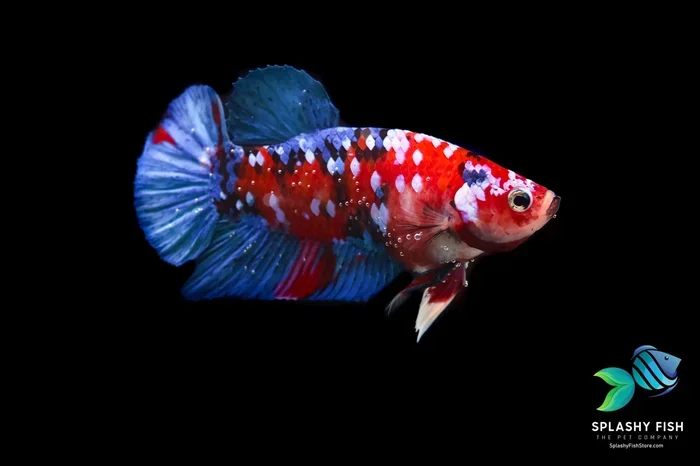
- Color intensity. Deep, rich colors are more desirable. Fish with metallic sheens or multi-colored patterns are especially popular in the betta fish marketplace.
- Fin length and shape. Long, flowing fins with no damage are a major selling point.
- Temperament. A friendly, active betta is easier to sell than a shy or aggressive one.
- Included accessories. If you are selling with a tank, heater, filter, or decorations, you can price the bundle higher.
Price Range Guide
Here is a general pricing guide based on common betta types:
| Betta Type | Typical Price Range |
|---|---|
| Standard Plakat (PKT) | $10 – $25 |
| Halfmoon (HM) | $15 – $35 |
| Crowntail (CT) | $12 – $30 |
| Double Tail (DT) | $15 – $40 |
| Show-Quality / Rare Colors | $25 – $75+ |
| Betta + Tank Setup Bundle | $40 – $100+ |
These are general ranges. Your local market and the specific quality of your fish will affect the final number. Research what similar bettas are selling for in your area or on online platforms. This gives you a realistic baseline.
Quick Tips for Pricing
- Check online listings for comparable bettas before setting your price.
- Be honest about your fish’s condition. Overpricing a flawed fish will backfire.
- Consider including some supplies in the price to make the deal more attractive.
- Factor in your time and effort. If you spent money on food, water conditioners, and tank equipment, do not undersell.
Where to Sell Your Betta Fish
Finding the right platform to sell your betta is just as important as preparing the fish itself. Different platforms attract different types of buyers. Let us explore the best options for selling betta fish.
Local Fish Stores and Hobbyists
Your local fish store (LFS) might buy bettas directly or let you place them on consignment. This is one of the easiest options. Staff at fish stores often know people looking for quality bettas. You can also ask about selling directly to customers who visit the store.
Local fish clubs and hobbyist groups are another excellent avenue. These communities are filled with people who truly appreciate betta fish varieties. They understand what makes a good fish and are willing to pay fair prices. Look for local groups on Facebook, Reddit, or forums dedicated to fish keeping.
Online Marketplaces
The internet opens up a world of possibilities. Here are some popular platforms for online betta sales:
- Facebook Marketplace. Great for local sales. You can list your betta with photos and a description. Buyers can message you directly and arrange pickup.
- Craigslist. Still a go-to for many pet sellers. Be cautious about who you deal with, but it remains effective.
- Instagram and TikTok. Visual platforms work wonders for showcasing beautiful bettas. Post videos and photos, and interested buyers will reach out. Using hashtags like #bettafor sale or #bettafish helps with visibility.
- Specialty fish forums. Sites like AquariaBlu, BettaFishLab, and other dedicated forums have classified sections for selling fish.
- Petco. Some people wonder about selling to larger retailers. If you are curious, you can read our guide on can you sell betta fish to Petco to understand what is involved and what to expect.
Breeding Communities
If your betta is a high-quality specimen, consider reaching out to betta fish breeders. Breeders often pay top dollar for quality fish. They also understand the value of good genetics. Connecting with breeders can lead to great sales and even future collaborations.
Tips for Successfully Selling Your Betta Fish
Now that your fish is ready and you know where to sell, let us talk about how to actually close the deal. These practical tips will help you sell faster and more safely.
Take High-Quality Photos and Videos
Photos sell fish. Most buyers will decide based on what they see before ever meeting your betta in person. Here is how to take great images:
- Use a smartphone with a good camera. You do not need a professional setup.
- Shoot from multiple angles. Show the full finnage, the body, and the face.
- Capture the fish in motion. Short videos showing fin movement and energy are very effective.
- Use natural lighting or a soft ring light. Avoid flash, which can wash out colors.
- Keep the background simple and dark. A black cloth behind the tank works perfectly.
Write an Honest and Detailed Description
Your listing should include the following:
- Species and variety. Is it a Halfmoon, Plakat, Crowntail, etc?
- Age. Be specific about how old the fish is.
- Sex. Males and females are priced differently. Males are usually more expensive due to their vibrant fins.
- Color and pattern. Describe the colors accurately. Mention any unique markings.
- Health status. State clearly that the fish is healthy and free from disease.
- Temperament. Is it active, friendly, or more reserved?
- What is included. Tank, heater, filter, food, or just the fish alone?
Being transparent builds trust. Buyers appreciate honesty, and it leads to faster sales with fewer complaints.
Screen Your Buyers
Not every potential buyer is a good fit. Take the time to ask questions before committing to a sale. Here are some things to consider:
- Do they have a suitable tank ready? A betta should never go into a tiny bowl or an uncycled tank.
- Have they kept bettas before? Experience is a plus.
- Are they willing to pay a fair price? Lowballers often do not value the fish properly.
- Can you meet locally? Meeting in person is safer for both parties.
Remember, you are entrusting a living creature to this person. It is completely reasonable to be selective. A responsible seller protects their fish even after the sale is agreed upon.
Handle Transportation Carefully
If you are selling locally, you need to transport the fish safely. Use a secure container with plenty of oxygenated water. A plastic bag inside a box works well for short trips. Keep the container stable and avoid sudden movements or temperature changes. For longer-distance transport, consider using a well-ventilated cooler with a heater in cold weather. Our guide on how to transport a betta fish long distance has excellent tips for safe travel.
Common Mistakes to Avoid When Selling Betta Fish
Even with good intentions, sellers can make mistakes. Here are some common pitfalls to steer clear of:
Selling a Sick or Stressed Fish
This is the biggest mistake you can make. A sick fish not only sells poorly but can also spread illness to other fish in the buyer’s collection. Always ensure your betta is in top condition before listing it. If your fish seems stressed, take time to destress it before selling. You can learn more about this in our article on how to destress my betta fish.
Overpricing or Underpricing
As we discussed, pricing matters. Overpricing scares buyers away. Underpricing devalues your fish and may attract people who do not plan to provide proper care. Research the market, be realistic, and price your betta fairly.
Vague or Misleading Listings
Do not say your betta is “rare” or “show-quality” if it does not meet those standards. Misleading descriptions lead to unhappy buyers and bad reviews. Stick to what is true, and let the fish speak for itself through your photos.
Ignoring Buyer Questions
When someone expresses interest, respond promptly and helpfully. Ignoring messages makes you look unprofessional and pushes buyers toward other sellers. Be available, be kind, and be informative.
Selling to Just Anyone
Do not feel pressured to sell quickly. It is better to wait for the right buyer than to rush the process. Take your time, ask questions, and make sure your betta is going to a good home. This is part of being a responsible betta fish breeder or keeper.
Failing to Provide After-Sale Support
Offer the buyer a way to reach you if they have questions after the sale. Many new betta owners appreciate guidance on feeding, tank maintenance, and general care. Providing this support builds your reputation and leads to positive word-of-mouth referrals.
Expert Insights on Selling Betta Fish
Experienced betta sellers often share a few pieces of wisdom that can help you succeed:
- Patience pays off. The best sales happen when both parties are comfortable and well-informed. Do not force a deal.
- Invest in presentation. A beautifully photographed betta in a well-maintained tank will always outperform a poorly presented listing.
- Know your fish. Understand the specific variety, its traits, and what makes it special. This knowledge helps you answer buyer questions with confidence.
- Build a reputation. Being honest and caring in every transaction makes you a trusted seller. People will come back to you or recommend you to others in the betta fish community.
- Stay updated on trends. Popular betta varieties change over time. Stay informed about what buyers are looking for in the current market.
Key Takeaways
Selling your betta fish is a process that requires preparation, patience, and care. Here is a quick recap of the most important points:
- Always ensure your betta is healthy and stress-free before selling.
- Take high-quality photos and write detailed, honest descriptions.
- Price your fish fairly based on variety, age, quality, and included items.
- Choose the right platform, whether it is local, online, or through breeding networks.
- Screen your buyers carefully and prioritize your fish’s safety.
- Avoid common mistakes like overpricing, misleading listings, and rushing the sale.
Conclusion
Learning how to sell my betta fish does not have to be overwhelming. With the right preparation, a fair price, and a little patience, you can find a wonderful new home for your fish. The effort you put into making sure your betta is healthy, happy, and well-presented pays off in every successful sale. Remember that you are not just selling a pet. You are passing on a companion that deserves love and proper care. Take your time, follow the tips in this guide, and trust the process. Your betta’s next adventure is in good hands.
Frequently Asked Questions
How to Sell My Betta Fish Safely and Quickly?
The best way to sell your betta fish is to list them on online marketplaces like Facebook Marketplace, Aquarist forums, or local fish clubs. Make sure you provide clear photos, a honest description of the fish’s color and health, and a reasonable price. Always meet buyers in safe public places or arrange for secure shipping with proper packaging.
Where Can I Sell My Betta Fish Near Me?
You can sell your betta fish at local fish stores, reptile and aquarium shops, or through online platforms like Craigslist and Facebook Marketplace. Many aquarium hobbyists also buy and sell fish through dedicated forums and groups on social media. Local fish swaps and swap meets are another great option to find interested buyers quickly.
How Much Can I Sell My Betta Fish For?
Most common betta fish sell for $5 to $20, but rare color morphs or show-quality fish can fetch $50 or more. The price depends on factors like the fish’s color intensity, fin type, age, and overall health. Research similar listings online to set a competitive and fair price for your betta.
How Do I Prepare My Betta Fish for Sale?
Start by ensuring your betta looks its best with clean water, a healthy diet, and a stress-free environment for a few days before the sale. Take high-quality photos in good lighting that clearly show the fish’s colors and finnage. Be ready to answer questions about the fish’s age, feeding habits, and any health history from potential buyers.
Can I Sell My Betta Fish at a Pet Store?
Some pet stores and aquarium shops will buy betta fish from individuals, but many prefer to source from breeders or wholesalers. It is worth calling your local fish stores to ask about their buying policies before bringing your fish in. You may also have better luck selling directly to hobbyists who pay more for healthy, well-cared-for fish.
Is It Legal to Sell My Betta Fish?
In most places, selling pet fish like bettas is perfectly legal for personal owners without any special permits. However, some regions have restrictions on selling certain species or require a business license if you sell fish regularly. Always check your local laws and regulations to make sure you are following the rules in your area.