How to Select Betta Fish for Breeding
Selecting the right betta fish for breeding is one of the most important steps you will take. You need to evaluate physical traits, health, age, and temperament before pairing any fish. This guide walks you through everything you need to know to choose strong, healthy betta fish for breeding success.
Breeding betta fish is one of the most rewarding experiences a fish keeper can have. But before you even think about pairing two fish together, you need to know how to select betta fish for breeding the right way. Choosing the wrong fish can lead to weak fry, health problems, or complete breeding failure.
The process of selecting betta fish for breeding goes far beyond picking two fish that look pretty. You need to evaluate their physical traits, age, health, and behavior. Every detail matters when you are trying to produce healthy, vibrant offspring. This guide will walk you through each step with clear, practical advice.
Whether you are a beginner or an experienced hobbyist, this guide covers everything you need. We will talk about what to look for in a breeding candidate, how to assess health, and how to pair your fish correctly. By the end, you will feel confident in your choices and ready to start your breeding journey.
Key Takeaways
- Choose betta fish with vibrant colors and intact fins: These are signs of good genetics and overall health.
- Age matters: Select betta fish that are between 4 and 12 months old for the best breeding results.
- Temperament is key: Aggressive or stressed fish should never be used for breeding.
- Always quarantine new fish: This prevents disease from spreading to your breeding pair.
- Prepare the breeding tank properly: A clean, warm tank sets the stage for successful spawning.
- Pair fish with complementary traits: This helps produce healthy and visually appealing offspring.
📑 Table of Contents
- Why Selecting the Right Betta Fish Matters
- Physical Traits to Look For in a Breeding Betta
- Age and Size Requirements for Breeding Betta Fish
- How to Evaluate Temperament and Health
- Pairing Your Betta Fish for Breeding
- Preparing the Breeding Tank
- Common Mistakes to Avoid When Selecting Breeding Betta Fish
- Expert Tips for Successful Betta Fish Selection
- Final Thoughts
Why Selecting the Right Betta Fish Matters
Not all betta fish are good candidates for breeding. Some fish carry genetic weaknesses that pass down to their young. Others may look beautiful but have poor immunity or aggressive temperaments. When you choose betta fish for breeding, you are setting the foundation for every generation that follows.
Think of it this way. If you plant weak seeds, you get weak plants. The same principle applies to fish breeding. Strong parent fish produce strong, resilient fry. Weak parent fish often produce offspring that struggle to survive or develop deformities.
Here are the main reasons why proper selection matters so much:
- Genetic health: Good parent fish pass on strong genes. Poor choices lead to weak or deformed fry.
- Disease prevention: Sick fish can spread illness to their mate and future babies.
- Better color and finnage: Well-selected breeding pairs produce offspring with brighter colors and fuller fins.
- Higher survival rates: Healthy parents care for their eggs and fry more effectively.
- Long-term breeding success: Starting with the right fish makes every future breeding attempt easier.
Taking the time to choose wisely saves you from heartbreak later. A little effort upfront goes a long way.
Physical Traits to Look For in a Breeding Betta
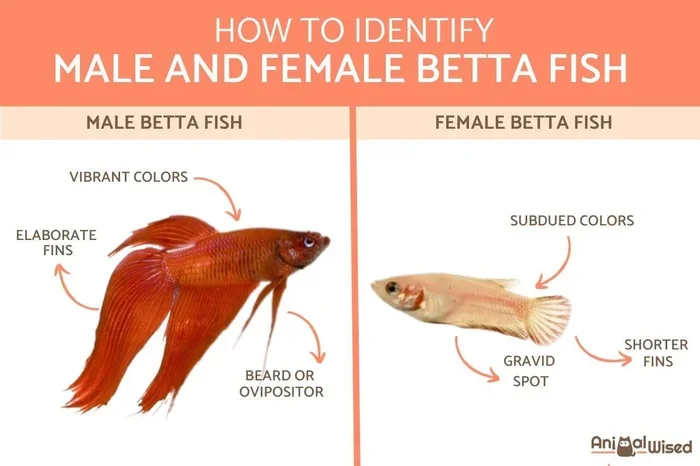
When you select betta fish for breeding, the physical appearance of each fish tells you a lot. You are looking for signs of strong genetics, good nutrition, and overall vitality. Here is what to examine closely.
Color Vibrancy
The first thing most people notice about a betta fish is its color. For breeding purposes, you want fish with deep, vivid colors. Dull or faded coloring can signal poor health, stress, or genetic weakness.
Look for these color qualities:
- Bright, saturated hues: Colors should pop and look rich, not washed out.
- Even color distribution: Patchy or uneven coloring can indicate underlying issues.
- Metallic or iridescent sheen: This is often a sign of premium genetics.
Keep in mind that some color changes are natural. Male bettas often intensify their colors during courtship. So observe the fish over several days before making a final judgment.
Fin and Tail Quality
The fins and tail of a betta fish are like a report card for its genetic health. Long, flowing fins with no tears or holes are ideal. Damaged fins can result from poor water conditions, fighting, or genetic flaws.
Pay attention to these details:
- Symmetry: Both sides of the tail should look even and balanced.
- No nipping or tearing: Torn fins suggest aggression or poor tank mates.
- Thick fin rays: This shows the fish is well-nourished and genetically strong.
When comparing fish, hold them side by side if possible. This makes it easier to spot differences in finnage quality.
Body Shape and Size
A healthy breeding betta should have a plump, streamlined body. Avoid fish that look thin, bloated, or misshapen. The body should feel firm to the touch, not soft or sunken.
For males, a slightly larger size is often preferred because they produce more and healthier eggs. Females should also be full-bodied but not so large that they have trouble carrying eggs.
Scale Condition
Take a close look at the scales. They should lie flat and tight against the body. Raised, discolored, or missing scales are red flags. These can point to bacterial infections, physical injury, or poor living conditions.
Age and Size Requirements for Breeding Betta Fish
Age plays a huge role in breeding success. Too young, and the fish may not be physically ready. Too old, and fertility drops significantly. Knowing the right age to breed betta fish makes a big difference in your results.
The Ideal Age Range
The best age for breeding betta fish is between 4 and 12 months old. At this stage, the fish are fully mature but still young enough to be fertile and energetic. Fish younger than 4 months have not fully developed, and fish older than 2 years may have declining fertility.
Here is a quick breakdown by age:
- Under 4 months: Too young. Let the fish grow more before considering breeding.
- 4 to 12 months: The sweet spot. Fish are at peak breeding condition.
- 12 to 24 months: Still viable but monitor health closely.
- Over 24 months: Fertility drops. Breeding success becomes less predictable.
Size Guidelines
A good breeding betta male should be at least 2 to 3 inches long from nose to tail. Females can be slightly smaller but should still be a healthy, full size. Avoid breeding fish that are significantly smaller than these benchmarks, as they may not have reached full maturity.
If you are unsure about a fish’s age, look for signs of maturity. Males will build bubble nests, and females will develop a visible white egg spot on their underside. These are clear indicators that the fish is ready.
How to Evaluate Temperament and Health
Physical appearance only tells part of the story. You also need to assess the temperament and overall health of each fish. A beautiful fish with a terrible temperament or hidden illness can ruin a breeding attempt.
Behavioral Signs of a Good Breeding Candidate
Watch how the fish moves and behaves in its tank. Healthy breeding candidates display the following traits:
- Active and alert: The fish responds to movement and explores its environment.
- Appetite is strong: A healthy betta fish eats eagerly and enthusiastically.
- Fin display: Males may flare their fins, which shows confidence and vitality.
- No lethargy: Avoid fish that sit at the bottom of the tank or stay hidden constantly.
Warning Signs to Avoid
Some behaviors and physical signs should immediately disqualify a fish from breeding. Watch out for these red flags:
- Loss of appetite: Refusing food for more than a day is a serious concern.
- Labored breathing: Fast or shallow breathing can indicate infection or poor water quality.
- Clamped fins: Fins held close to the body signal stress or illness.
- White spots or patches: These are classic signs of ich or fungal infection.
- Excessive hiding: A betta fish that constantly hides is likely unwell or extremely stressed.
If you notice any of these signs, do not use that fish for breeding. It is better to wait and find a healthier candidate than to risk spreading disease to your entire collection.
The Importance of Quarantine
Before introducing any fish to your breeding setup, always quarantine them first. A quarantine tank lets you observe the fish for 2 to 4 weeks without risking your other fish. During this time, watch for any signs of illness and treat them promptly.
Use a separate tank with basic equipment. Keep the water clean and stable. Feed the fish high-quality food to help them recover and build strength. This step alone can save you from a breeding disaster.
Pairing Your Betta Fish for Breeding
Once you have chosen your fish, the next step is pairing them correctly. Not every male and female will work well together. Compatibility matters just as much as individual quality.
Matching Traits
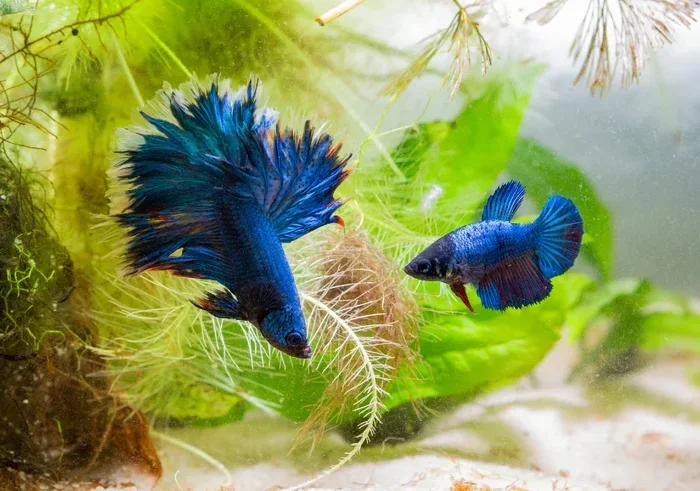
Try to pair fish that complement each other. For example, if your male has brilliant blue coloring, look for a female with similar but slightly different shade tones. This increases the chances of producing offspring with stunning colors.
Here are some pairing tips:
- Match finnage styles: Pair fish with similar fin shapes and lengths.
- Complement colors: Choose a female whose coloring enhances the male’s traits.
- Similar size: Avoid pairing a very large fish with a very small one.
- Same health status: Both fish should be in peak condition before introduction.
The Introduction Process
Introduce the pair slowly. Start by placing them in separate containers within the same tank. This lets them see and smell each other without physical contact. After a day or two, if both fish show interest and no signs of extreme aggression, you can move them into the breeding tank together.
Always supervise the introduction closely. Some chasing and flaring is normal, but serious fighting means you need to separate them immediately.
Preparing the Breeding Tank
The environment where your betta fish breed matters just as much as the fish themselves. A poorly prepared tank can cause stress, disease, or failed spawning. Take the time to set things up correctly.
Tank Setup Essentials
Start with a tank that is at least 10 gallons in size. This gives the fish enough room to establish territories and build bubble nests. Make sure the tank is fully cycled and stable before introducing any fish.
Key setup elements include:
- Gentle filtration: Use a sponge filter or turn off strong filters. Bettas prefer calm water.
- Warm water temperature: Keep the water between 78 and 82 degrees Fahrenheit.
- Low water level: Fill the tank to about 6 inches deep to encourage bubble nest building.
- Floating plants: These provide hiding spots and support bubble nest construction.
- No gravel or sharp decor: Keep the bottom bare to make cleaning easy.
Water Quality and Preparation
Clean, properly treated water is essential for breeding betta fish. Always prepare water for a betta fish ahead of time. Use a quality water conditioner to remove chlorine and chloramine. Test the pH and keep it between 6.5 and 7.0 for the best results.
Perform regular water changes to keep the tank pristine. A clean environment reduces stress and boosts the chances of successful spawning. If you need guidance on maintaining water quality, check out this article on how to care for betta fish for more tips.
Before introducing your pair, make sure the water parameters are stable for at least a week. Sudden changes in temperature or chemistry can shock the fish and ruin the breeding attempt.
Common Mistakes to Avoid When Selecting Breeding Betta Fish
Even experienced hobbyists make mistakes when choosing fish for breeding. Here are the most common errors and how to avoid them.
- Skipping the quarantine period: This is one of the fastest ways to introduce disease into your breeding tank.
- Breeding fish that are too young: Immature fish may not produce viable eggs or sperm.
- Ignoring temperament: A calm male is essential. An overly aggressive male can injure or even kill the female.
- Choosing fish based on looks alone: Beauty matters, but health and genetics matter more.
- Not conditioning the fish properly: Both fish need excellent nutrition before breeding. Learn how to condition betta fish for breeding to get the best results.
- Pairing incompatible fish: Some color or finnage combinations do not mix well genetically. Research before you pair.
Avoiding these mistakes puts you ahead of most beginners. It shows that you take breeding seriously and respect the process.
Expert Tips for Successful Betta Fish Selection
Experienced breeders often share the same advice when it comes to selecting fish. Here are some expert insights that can elevate your breeding program.
Buy from reputable breeders. Pet stores are convenient, but they do not always provide the healthiest or best-quality fish. A trusted breeder can give you detailed information about the fish’s lineage, health history, and breeding potential.
Keep detailed records. Write down the traits of every fish you consider for breeding. Note colors, finnage, size, age, and behavior. Over time, these records become invaluable for making better pairing decisions.
Be patient. The best breeding pairs are not always the most obvious choices. Take your time to observe and evaluate your fish before committing to a pairing.
Invest in proper equipment. A good thermometer, water test kit, and quarantine tank are essential tools. Without them, you are essentially guessing at water conditions, which is a recipe for problems.
Never breed fish with known defects. If a fish has a genetic deformity, do not use it for breeding. You risk passing that defect on to future generations.
Final Thoughts
Learning how to select betta fish for breeding is a skill that improves with practice. Every fish you evaluate teaches you something new about genetics, health, and behavior. The more carefully you choose your breeding candidates, the better your results will be.
Start with healthy, well-matched fish of the right age. Pay attention to physical traits, temperament, and water conditions. Keep your breeding tank clean and stable. And most importantly, be patient and enjoy the process.
Selecting betta fish for breeding is the single most important decision you will make in your breeding journey. Get this step right, and everything else falls into place. Your fish will reward you with vibrant, healthy fry that you can be proud of.
Remember that every successful breeder started exactly where you are now. With the knowledge in this guide and a little dedication, you are well on your way to becoming a confident and successful betta fish breeder. Good luck, and happy breeding!
Frequently Asked Questions
What is the best age to select betta fish for breeding?
The ideal age range is between 4 and 12 months old. At this stage, betta fish are fully mature, fertile, and energetic. Fish younger than 4 months are not ready, and fish over 2 years may have declining fertility.
How can I tell if a betta fish is healthy enough for breeding?
Look for vibrant colors, intact fins, a strong appetite, and active behavior. Avoid fish with torn fins, white spots, clamped fins, or loss of appetite. These are signs of illness or poor health.
Can I breed betta fish from a pet store?
Yes, but it is riskier. Pet store fish may carry hidden diseases or have unknown genetics. Always quarantine store-bought fish for 2 to 4 weeks before introducing them to a breeding setup. Buying from reputable breeders is a safer option.
What should I look for when pairing betta fish for breeding?
Look for complementary colors, similar finnage styles, and matching health status. Both fish should be the same size range and in peak condition. Avoid pairing fish with known genetic defects or aggressive temperaments.
Do I need a separate breeding tank for my betta fish?
Yes, a dedicated breeding tank is highly recommended. It should be at least 10 gallons, with warm water, gentle filtration, and floating plants. A separate tank keeps the breeding pair safe and gives you control over water conditions.
How long should I quarantine a betta fish before breeding?
Quarantine new fish for at least 2 to 4 weeks. This gives you time to observe them for any signs of illness and treat problems before they reach your breeding tank. It also helps the fish adjust to a new environment and recover from any stress.