How to See If Your Betta Fish Is Sick
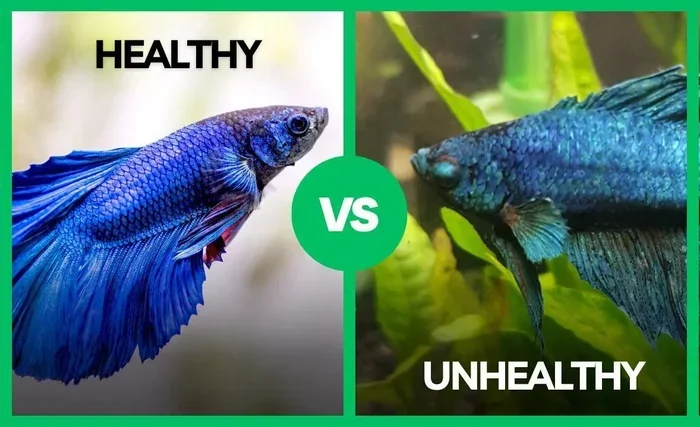
Knowing how to see if your betta fish is sick can save your fish’s life. This guide covers the top symptoms, behavior changes, and physical signs that reveal a sick betta. You will learn simple steps to check your fish daily and act fast when something looks wrong.
Watching your betta fish swim around its tank is one of the most relaxing things you can do. But what happens when your colorful friend starts acting strange? Maybe it stops eating. Maybe its fins look ragged. Maybe it just sits at the bottom of the tank all day. These could all be signs that something is wrong. Learning how to see if your betta fish is sick is one of the most important skills every fish owner needs.
Betta fish are hardy creatures, but they are not invincible. They can get sick from poor water quality, stress, bacteria, parasites, and even bad food. The good news? Most illnesses are treatable if you catch them early. This guide will walk you through every sign, symptom, and step you need to take. By the end, you will feel confident spotting a sick betta and helping it heal.
Key Takeaways
- Watch for behavior changes: Lethargy, hiding, and loss of appetite are the first signs your betta may be unwell.
- Check physical appearance: Faded colors, clamped fins, white spots, and bloating are clear visual warning signs.
- Test your water: Poor water quality is the leading cause of betta fish illness and stress.
- Act quickly: Early detection and treatment greatly improve your betta’s chances of full recovery.
- Isolate sick fish: Quarantining a sick betta protects other fish and makes treatment easier.
- Prevention is key: Clean water, proper diet, and low stress keep your betta healthy long-term.
📑 Table of Contents
- Why Early Detection Matters for Betta Fish Health
- Common Behavior Changes That Signal Illness
- Physical Signs Your Betta Fish Is Unwell
- How Water Quality Affects Betta Fish Sickness
- Step-by-Step: How to Check If Your Betta Fish Is Sick
- What to Do When You Spot Warning Signs
- Prevention Tips to Keep Your Betta Fish Healthy
- When to Seek Help From a Fish Vet
- Final Thoughts
Why Early Detection Matters for Betta Fish Health
Betta fish are experts at hiding illness. In the wild, showing weakness makes them a target for predators. So your pet betta will often try to tough it out even when it feels terrible. This means by the time you notice obvious symptoms, the illness may already be advanced. That is why knowing how to see if your betta fish is sick before it gets serious is so important.
Early detection gives you a huge advantage. A mildly stressed betta might just need a water change. A severely sick betta might need medication or even a visit to a vet. The difference between a quick recovery and a tragic loss often comes down to how fast you spot the problem. Think of it like catching a cold early. You rest and drink fluids, and you feel better in days. But ignore it, and it can turn into something much worse.
Here are a few reasons why staying alert matters so much:
- Faster treatment: The sooner you act, the better the outcome.
- Less suffering: Your fish feels better sooner.
- Lower treatment costs: Catching something early often means simpler fixes.
- Protects other fish: Many illnesses spread quickly in shared tanks.
- Peace of mind: You will feel more confident as a fish owner.
Common Behavior Changes That Signal Illness
Your betta fish communicates mostly through behavior. A healthy betta is curious, active, and interested in its surroundings. A sick betta, on the other hand, will show clear changes in how it acts. Paying close attention to these shifts is one of the best ways to see if your betta fish is sick before physical symptoms even appear.
Lethargy and Low Energy
If your betta suddenly stops swimming around and spends most of the day sitting at the bottom of the tank, something is off. Healthy bettas love to explore. They glide through the water, check out their decorations, and even build bubble nests. A lethargic betta barely moves. It may float in one spot or sink to the substrate and stay there.
Now, bettas do sleep. They often rest on plant leaves or hide behind decorations for short periods. But if your fish stays inactive for hours and does not respond to food or movement, that is a red flag. Lethargy is one of the most common signs of a sick betta fish and should never be ignored.
Loss of Appetite
Betta fish are generally hungry little creatures. They get excited at feeding time and eagerly snap up food. So when your betta refuses to eat, it is a strong signal that something is wrong. A missed meal once in a while is normal. But if your fish skips two or more feedings in a row, you need to pay attention.
Loss of appetite can be linked to many different betta fish diseases. From digestive issues to infections, a picky eater is often a struggling eater. Try offering a favorite food like bloodworms or brine shrimp. If your betta still turns its nose up, it is time to investigate further.
Hiding and Isolation
Betta fish like to have their personal space, and they enjoy hiding spots in their tank. But a healthy betta still comes out to explore and eat. If your fish starts hiding constantly and avoids the open areas of the tank, it may be trying to protect itself because it feels vulnerable. Illness often makes fish feel weak, and hiding is a natural defense mechanism.
Erratic Swimming Patterns
Watch how your betta moves through the water. A sick betta might swim erratically, tilt to one side, rub its body against rocks or gravel, or struggle to stay upright. These movement problems can point to swim bladder disease, parasitic infections, or neurological issues. Any sudden change in how your betta swims deserves a closer look.
Physical Signs Your Betta Fish Is Unwell
Behavior changes tell you something is wrong, but physical signs confirm it. Learning to look at your betta closely during feeding time or tank maintenance is a simple habit that pays off big. Here are the most common physical symptoms of a sick betta fish.
Faded or Discolored Body
A vibrant, healthy betta has bright, vivid colors. Reds should be deep, blues should be rich, and the overall appearance should look lively. When a betta gets sick, its colors often fade. The fish may look washed out, pale, or grayish. Some illnesses cause darkening of the body or unusual blotches. A sudden color change is one of the most visible ways to see if your betta fish is sick.
Clamped Fins
Healthy bettas hold their fins open and flowing. When a betta clamps its fins tightly against its body, it is a sign of discomfort or illness. Clamped fins can indicate bacterial infections, fin rot, or simply that the fish is stressed. If you notice your betta keeping its fins pressed close for more than a few hours, take note.
White Spots and Patches
White spots on a betta fish are a classic sign of ich, a very common parasitic infection. These tiny white dots look like grains of salt on the fins and body. Other white patches could indicate fungal infections or columnaris. Ich spreads quickly and is highly contagious, so acting fast is essential.
Ragged or Rotting Fins
Fin rot is one of the most common betta fish diseases. It causes the edges of the fins to look shredded, ragged, or discolored. In mild cases, the fins may just look a bit rough. In severe cases, the fins recede and the infection can reach the body. Poor water quality is the main culprit behind fin rot, which makes regular tank maintenance so important.
Bloating and Swollen Belly
A betta with a swollen or bloated belly may be dealing with several issues. Dropsy, constipation, or internal infections can all cause bloating. The scales may even stick out and look pinecone-like in serious cases. Bloating should be taken seriously because it often signals a deeper problem inside the fish’s body.
Red or Inflamed Gills and Fins
Redness around the gills or along the fins can indicate bacterial or fungal infections. Inflamed gills make it hard for your betta to breathe properly. If you notice your fish gasping at the surface of the water more than usual, the gills might be the source of the problem. Check the water quality immediately and look for other symptoms.
How Water Quality Affects Betta Fish Sickness
Here is a truth that every betta owner needs to hear: most sick betta fish are actually sick because of bad water. Your betta lives in its tank environment every single moment. If that environment is unhealthy, your fish will get sick over time. Understanding how water quality connects to illness is a huge step in keeping your betta fish healthy.
The Role of Ammonia, Nitrite, and Nitrate
Fish waste, uneaten food, and decaying plants produce ammonia and nitrite in the tank. Both of these chemicals are toxic to bettas, even in small amounts. High nitrate levels are less dangerous but still harmful over time. When these toxins build up, your betta’s immune system weakens, making it easy for bacteria and parasites to take hold.
Testing your water regularly with a simple aquarium test kit is one of the best things you can do. Aim for zero ammonia, zero nitrite, and nitrate levels below 20 ppm. If any of these numbers are off, a water change is your first step to fixing the problem.
Temperature and Stress
Betta fish are tropical fish and need warm water to thrive. The ideal temperature range is between 78 and 80 degrees Fahrenheit. Water that is too cold stresses the fish and slows its immune system. Fluctuating temperatures are just as bad. Use a reliable heater and thermometer to keep the tank stable. A stressed betta is a sickly betta.
How Often to Change the Water
Regular water changes are the backbone of good betta care. For a small tank or bowl, a 25 to 50 percent water change every week works well. For larger tanks with filters, a 20 percent change weekly is usually sufficient. Always use water conditioner to remove chlorine and chloramine from tap water before adding it to the tank. Clean water is the best prevention against illness.
Step-by-Step: How to Check If Your Betta Fish Is Sick
Now that you know what to look for, let us put it all together into a simple daily and weekly routine. Following these steps will help you catch problems early and keep your betta in top shape.
- Watch your betta swim. Does it move freely and actively? Or does it stay in one spot?
- Check the fins. Are they open and flowing? Or clamped and ragged?
- Look at the body color. Is it bright and vibrant? Or pale and faded?
- Observe feeding behavior. Does your betta eat eagerly? Or ignore food?
- Inspect for spots or patches. Look for white dots, redness, or unusual growths.
- Test the water. Check ammonia, nitrite, nitrate, and temperature levels.
- Do a visual tank inspection. Look for leftover food, debris, or algae buildup.
Doing these checks takes only a few minutes each day. But that small effort can make a massive difference in your betta’s health and lifespan. Many experienced fish owners say that spending just five minutes observing their fish every morning has helped them catch problems early more than once.
What to Do When You Spot Warning Signs
You have done your daily check and noticed something is off. Now what? Acting quickly and calmly is the best approach. Panicking will not help your fish, but taking the right steps can make all the difference.
Step 1: Isolate the Sick Fish
If you have a community tank, move the sick betta to a quarantine tank right away. This prevents the illness from spreading to other fish. A simple separate tank with a heater and filter works perfectly for quarantine. Treating a sick fish in the main tank can also harm beneficial bacteria and other inhabitants.
Step 2: Identify the Problem
Use the symptoms you observed to narrow down the possible cause. White spots likely mean ich. Ragged fins suggest fin rot. Bloating could indicate constipation or dropsy. The more accurately you identify the issue, the better you can treat it. When in doubt, how to care for sick betta fish is a great resource to turn to for guidance.
Step 3: Treat the Illness
Treatment depends on the diagnosis. Ich often responds well to aquarium salt and temperature raises. Bacterial infections may require antibiotics or medicated food. Fungal infections need antifungal treatments. Always follow dosage instructions carefully and remove carbon from your filter during treatment, as carbon can absorb medication.
Step 4: Monitor and Improve Conditions
After starting treatment, keep a close eye on your betta. Note any improvements or worsening symptoms. At the same time, focus on improving the tank environment. Do a water change, check the parameters, and make sure the temperature is stable. A clean, stress-free environment gives your betta the best chance to recover.
Prevention Tips to Keep Your Betta Fish Healthy
Preventing illness is always easier than treating it. A healthy betta fish is a happy betta fish, and keeping your fish well is simpler than most people think. Here are some proven tips to reduce the risk of sickness.
- Maintain clean water: Regular water changes and proper filtration are non-negotiable.
- Feed a balanced diet: High-quality betta pellets, frozen bloodworms, and brine shrimp provide great nutrition. Avoid overfeeding.
- Keep the temperature stable: Use a reliable heater and monitor it regularly.
- Reduce stress: Avoid sudden loud noises, aggressive tank mates, and constant tapping on the glass.
- Quarantine new fish: If you add new fish to your tank, keep them separate for two weeks before introducing them.
- Clean the tank regularly: Remove uneaten food and debris during weekly maintenance.
- Observe daily: A few minutes of observation each day goes a long way toward catching problems early.
If you want even more tips on keeping your fish joyful and active, check out this guide on how to know if your betta fish is happy. A happy betta is far less likely to get sick in the first place.
When to Seek Help From a Fish Vet
Most common betta fish illnesses can be treated at home with over-the-counter medications and improved tank conditions. But some situations need professional help. If your betta stops eating entirely for more than three days, if its body becomes severely bloated, if it has open sores, or if it struggles to breathe even after a water change, it is time to consult a veterinarian who specializes in fish health.
Do not wait too long. Fish illnesses can progress rapidly, and every hour counts when your betta is seriously unwell. Having a plan and knowing where to find a qualified aquatic vet before an emergency happens is smart preparation for any responsible fish owner.
Final Thoughts
Learning how to see if your betta fish is sick is a skill that every betta owner should have. Your fish cannot tell you when it feels bad, but it shows you through its behavior, appearance, and swimming patterns. By staying observant, keeping the water clean, and acting fast when you spot warning signs, you give your betta the best possible chance at a long, healthy life.
Remember, prevention is always better than cure. Daily observation, weekly water changes, and a proper diet are the foundation of great betta care. And when illness does strike, your quick response makes all the difference. If you ever feel unsure about what to do, reach out to experienced fish keepers or a trusted online resource for how to help a betta fish that is sick. Your betta depends on you, and with the knowledge you have gained today, you are well equipped to be the best caretaker it could have.
Frequently Asked Questions
What are the first signs my betta fish is sick?
The first signs are usually behavior changes like lethargy, loss of appetite, hiding more than usual, and clamped fins. These early warning signs often appear before any physical symptoms, which is why daily observation is so important for catching illness early.
Can a sick betta fish recover on its own?
Mild stress or a slightly off-water parameter might resolve with a water change and improved conditions. However, most illnesses require treatment. Waiting too long can make the problem worse, so it is always best to act quickly when you notice symptoms.
How do I know if my betta fish has ich?
Ich shows up as tiny white spots that look like grains of salt on the fins and body. Your betta may also scratch against objects in the tank. Ich is very common and treatable, but it spreads fast, so quick action is essential for a full recovery.
Is poor water quality the main cause of sick betta fish?
Yes, poor water quality is the leading cause of most betta fish illnesses. High levels of ammonia, nitrite, and nitrate weaken the immune system and make fish vulnerable to infections. Regular water testing and changes are the best prevention.
Should I separate a sick betta from other fish?
Absolutely. Many betta fish diseases are contagious and can spread quickly in a shared tank. Moving the sick fish to a quarantine tank protects the other inhabitants and makes it easier to treat the illness without disrupting the main tank’s ecosystem.
What should I feed a sick betta fish?
Offer high-quality, easy-to-digest foods like betta pellets or frozen bloodworms. For some illnesses, soaking food in aquarium salt or garlic can boost appetite and support recovery. If your betta refuses all food for more than two days, consult a fish vet for advice.