How to Save a Betta Fish from Shock
Saving a betta fish from shock requires fast action and the right knowledge. This guide covers the top causes of shock, clear symptoms to watch for, and practical treatment steps you can start today. You will also learn prevention tips to keep your betta healthy and stress-free long term.
Every betta fish owner dreads the moment their fish starts acting strange. One minute your betta is swimming happily, and the next it is lying at the bottom of the tank, barely moving. This is often a sign of betta fish shock, and it can happen fast. The good news is that you can take action right away. This guide will walk you through exactly how to save a betta fish from shock, step by step.
Whether your fish is reacting to a sudden water change, a temperature drop, or a new tank environment, the principles are the same. You need to act quickly, stay calm, and make gradual adjustments. Betta fish shock is treatable in most cases if you catch it early. Let us dive into what causes shock and how you can help your fish recover.
Key Takeaways
- Identify shock early: Knowing the symptoms of betta fish shock can save your fish’s life within minutes.
- Fix the environment fast: Temperature swings and poor water quality are the most common shock triggers.
- Use a gradual acclimation process: Slowly adjusting your betta to new water conditions prevents most shock cases.
- Keep water parameters stable: Regular testing and changes reduce the risk of shock dramatically.
- Prevention is easier than treatment: Simple habits like proper tank setup and gentle handling go a long way.
📑 Table of Contents
- What Is Betta Fish Shock?
- Common Causes of Betta Fish Shock
- How to Tell If Your Betta Is in Shock
- Step-by-Step: How to Save a Betta Fish from Shock
- Prevention Tips to Avoid Future Shock
- Common Mistakes That Cause Betta Shock
- Expert Insight: When to Call a Vet
- Quick Tips for a Speedy Recovery
- Final Thoughts
What Is Betta Fish Shock?
Betta fish shock happens when your fish experiences a sudden, severe change in its environment. The body cannot adjust fast enough, and the result is a stress response that can become life-threatening. Think of it like a human jumping into cold water on a hot day. The body goes into survival mode, and normal functions start to shut down.
There are several types of shock that affect bettas. Temperature shock occurs when the water gets too hot or too cold too quickly. Chemical shock happens when harmful substances like chlorine or ammonia spike in the water. Acclimation shock is what happens when you move a betta from one tank to another without giving it time to adjust. Each type needs a slightly different approach, but the general recovery steps overlap significantly.
Why Shock Is So Dangerous
Shock weakens the immune system almost immediately. Once your betta’s defenses drop, diseases like ich and fin rot can take hold quickly. A fish in shock may also stop eating, which leads to energy loss and further decline. The longer shock goes untreated, the harder it becomes to reverse. This is why knowing the early betta fish symptoms matters so much.
Common Causes of Betta Fish Shock
Understanding what triggers shock is the first step in preventing it. Most cases come down to a few predictable causes. Once you know these, you can protect your fish much more effectively.
Temperature Changes
Bettas are tropical fish and need warm, stable water. A sudden drop even of a few degrees can send your fish into shock. This often happens when you do a water change with cold tap water or when the room temperature changes quickly at night. An aquarium heater is essential for keeping the temperature steady between 76 and 82 degrees Fahrenheit.
Poor Water Quality
Dirty water is one of the biggest enemies of betta health. When ammonia levels rise, even slightly, it burns the fish’s gills and skin. This can cause immediate distress and long-term health problems. Water parameters like pH, nitrite, and nitrate all need to stay within safe ranges. A fish tank cycling process helps build beneficial bacteria that keep these toxins under control.
New Tank or Bowl Transfers
Moving a betta to a new environment is stressful. The water chemistry is different, the temperature may vary, and the fish has to explore unfamiliar territory. This is where the acclimation process becomes critical. Skipping this step is one of the most common mistakes new fish owners make. If you are setting up a new home for your betta, always set up the tank properly first and give your fish time to adjust.
Chemical Exposure
Tap water contains chlorine and chloramine, both of which are toxic to bettas. Even small amounts can cause chemical shock. Using a water conditioner every time you add new water to the tank is a simple but vital habit. Never add untreated tap water directly into your betta’s home.
How to Tell If Your Betta Is in Shock
Recognizing shock early gives you the best chance of saving your fish. Betta fish show clear signs when something is wrong. Watch for these betta fish symptoms closely.
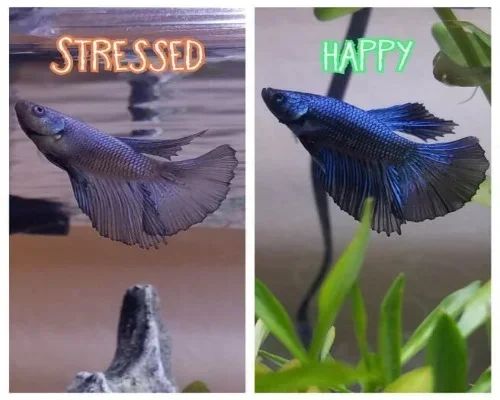
- Lethargy: The fish stays still at the bottom or floats near the top without moving much.
- Rapid breathing: You will notice the gills moving very fast, even when the fish is resting.
- Clamped fins: The fins fold close to the body instead of spreading out naturally.
- Loss of color: A healthy betta is vibrant. A fish in shock looks pale or faded.
- Not eating: If your betta refuses food for more than a day, something is wrong.
- Erratic swimming: Darting around the tank or swimming sideways are red flags.
If you notice two or more of these signs at the same time, treat it as an emergency. The faster you respond, the better the outcome.
Step-by-Step: How to Save a Betta Fish from Shock
Now that you know what shock looks like, here is exactly what to do. Follow these steps in order for the best results.
Step 1: Check the Water Temperature
Grab a thermometer and check the tank water right away. If the temperature is below 74 degrees or above 86 degrees, you need to adjust it slowly. Do not change the temperature by more than 2 degrees per hour. If the water is too cold, turn up the aquarium heater gradually. If it is too hot, float a bag of cool bottled water in the tank to bring the temperature down gently.
Step 2: Test the Water Parameters
Use a liquid test kit to check ammonia, nitrite, nitrate, and pH levels. Ammonia and nitrite should always read zero. Nitrates should be below 20 ppm. If any of these are out of range, do a small water change of about 25 percent using conditioned water. This helps dilute the toxins without shocking the fish further.
Step 3: Remove Any Stressors
Turn off the tank light and reduce noise around the aquarium. Bright lights and loud sounds can add to your fish’s stress. If you have tank mates, consider separating the betta into a quiet recovery tank. A calm environment helps the fish focus its energy on healing.
Step 4: Add Aquarium Salt
A mild salt bath can help your betta recover from shock. Aquarium salt supports the fish’s slime coat and reduces osmotic stress. Use one teaspoon per gallon of water and dissolve it in a separate container before adding it to the tank. Do not use table salt, as it contains additives that harm fish.
You can also give your betta a dedicated salt bath for 10 to 15 minutes in a separate container. This is a gentle way to pull out toxins and ease stress. Just make sure the salt water is the same temperature as the tank water.
Step 5: Feed Carefully
Do not force feed a fish in shock. Wait at least 12 hours after the incident. When you do offer food, give a tiny amount of high-quality pellets or a single frozen bloodworm. If the betta eats it, that is a great sign. If not, remove the food and try again the next day.
Step 6: Monitor Closely for 48 Hours
Watch your betta carefully for two full days after treatment. Look for improvements in color, movement, and appetite. If the fish starts eating and swimming normally again, you are on the right track. If symptoms worsen, consider treating the fish for stress with additional methods like stress coat water conditioner.
Prevention Tips to Avoid Future Shock
The best way to save a betta fish from shock is to prevent it from happening in the first place. These simple habits make a huge difference.
Always Acclimate New Fish
Whether you are bringing home a new betta or moving your current fish to a different tank, take your time. Float the sealed bag in the tank for 15 to 20 minutes to equalize the temperature. Then slowly add small amounts of tank water to the bag over the next 30 minutes. Finally, use a net to gently transfer the fish. This gradual acclimation process prevents most transfer-related shock.
Keep Water Changes Consistent
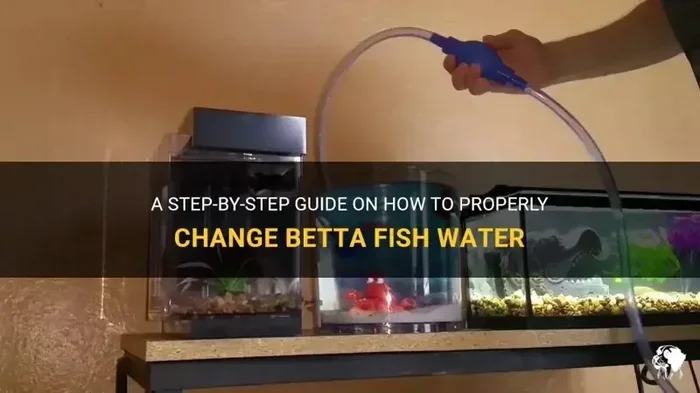
Do not do large water changes all at once. A 25 percent change every week is ideal. Always use water conditioner to remove chlorine and chloramine. Match the temperature of the new water to the tank water before adding it. If you are unsure how to do this safely, check out this guide on how to change betta fish water for detailed instructions.
Maintain Stable Parameters
Test your water at least once a week. Keep a log of your readings so you can spot trends early. A stable betta fish environment with consistent pH (around 6.5 to 7.5) and temperature is the foundation of good health. Prevention through routine care is always easier than treating shock after it happens.
Use the Right Tank Size
A small bowl might look cute, but it makes it harder to maintain stable water conditions. A tank of at least 5 gallons gives your betta room to swim and more stable water parameters. If you are setting up a new home, make sure you set up the fish tank properly before introducing your betta.
Common Mistakes That Cause Betta Shock
Even experienced fish keepers make mistakes. Here are the most common ones that lead to betta shock and how to avoid them.
- Skipping the acclimation period: Never dump your betta directly into a new tank. Always take at least 30 minutes to adjust the fish to new water.
- Using untreated tap water: Chlorine and chloramine are invisible killers. Always condition your water first.
- Overcleaning the tank: Washing all the gravel at once removes beneficial bacteria that keep the nitrogen cycle balanced.
- Placing the tank near a window: Direct sunlight causes temperature swings and algae blooms. Pick a spot with indirect light.
- Ignoring warning signs: If your betta looks off, do not wait. Early intervention makes recovery much easier.
Expert Insight: When to Call a Vet
Most cases of betta shock respond well to home treatment. However, there are times when professional help is the best option. If your betta does not show any improvement after 48 hours of treatment, or if it starts developing white spots, torn fins, or open sores, it may have a secondary infection. A fish veterinarian can prescribe medications that target specific diseases. Do not wait too long. The longer you wait, the harder it becomes to save your fish.
Quick Tips for a Speedy Recovery
- Keep the tank light off or very dim for the first 24 hours.
- Maintain a stable temperature between 78 and 80 degrees Fahrenheit.
- Do not add any new tank mates during the recovery period.
- Perform a small 10 percent water change every other day to keep the water clean.
- Talk softly near the tank to keep noise levels low.
- Be patient. Recovery takes time, and most bettas bounce back within a few days with proper care.
Final Thoughts
Betta fish shock is scary, but it is also very manageable if you know what to do. The key is to act fast, stay calm, and make gradual changes to your fish’s environment. By following the steps in this guide, you give your betta the best possible chance of a full recovery. Prevention through consistent care, proper tank setup, and regular water testing is always the best medicine. Your betta depends on you to keep its world safe and stable. With the knowledge you have gained today, you are well equipped to do just that.
Remember, every fish is different, and recovery times vary. Some bettas bounce back in hours, while others need a few days of gentle care. The most important thing is to keep trying and stay attentive. Your betta will thank you with vibrant colors and happy swimming. Now you know exactly how to save a betta fish from shock, and that is a skill every betta owner should have.
Frequently Asked Questions
How long does it take for a betta fish to recover from shock?
Most bettas show signs of improvement within 12 to 24 hours if treated quickly. Full recovery usually takes two to three days with consistent care and stable water conditions. If there is no improvement after 48 hours, you should seek advice from a fish veterinarian.
Can betta fish die from shock?
Yes, severe or prolonged shock can be fatal. This is why early detection and fast action are so important. The sooner you identify the symptoms and start treatment, the higher the chance of survival. Temperature shock and chemical shock are the most dangerous types.
What is the difference between shock and stress in betta fish?
Stress is a milder, ongoing condition caused by poor water quality, bullying tank mates, or boredom. Shock is a sudden, acute reaction to a dramatic change like a temperature crash or chemical spike. Stress can lead to shock if left unaddressed. You can learn more about treating stressed bettas here.
Should I use salt for betta fish shock?
Yes, aquarium salt is a safe and effective treatment for mild shock. It helps support the fish’s slime coat and reduces osmotic stress. Use one teaspoon per gallon and dissolve it before adding it to the tank. Never use table salt or iodine salt, as these contain harmful additives.
How can I prevent betta fish shock when doing water changes?
Always match the temperature of the new water to the tank water. Use a water conditioner to remove chlorine and chloramine. Change no more than 25 percent of the water at a time. For a detailed guide on water changes, check out how to change betta fish water.
Can a new betta fish go into shock after being brought home?
Absolutely. This is called acclimation shock and it is very common. The change in water chemistry, temperature, and environment can overwhelm the fish. To prevent this, float the bag for 15 to 20 minutes, then slowly mix tank water into the bag over 30 minutes before releasing the fish. Always set up the tank in advance so the water parameters are stable before the fish arrives.