How to Remove Bacteria from Betta Fish
Bacterial infections are a common threat to betta fish health, but you can remove bacteria and restore your fish’s well-being with the right approach. This guide covers how to identify bacterial problems, treat them effectively using medications like tetracycline, and prevent future outbreaks through proper tank maintenance and water quality management.
Your betta fish looks off. Maybe its fins are clamped, or it has white patches on its body. These could be signs of a bacterial infection. Bacteria are everywhere in a fish tank, and sometimes they get out of control. The good news is that you can take action. This guide shows you exactly how to remove bacteria from betta fish and keep your underwater friend healthy.
Bacterial infections in betta fish happen more often than most people think. Poor water quality, stress, and injuries all create the perfect environment for harmful bacteria to thrive. Whether your fish is showing mild symptoms or something more serious, understanding how to tackle bacteria is the first step toward recovery. Let’s dive in and help your betta fish feel better.
Key Takeaways
- Early Detection Matters: Catching bacterial infection signs early makes treatment much easier and more effective for your betta fish.
- Multiple Treatment Options Exist: From antibiotics like tetracycline to salt baths, you have several proven methods to remove harmful bacteria.
- Water Quality Is Everything: Maintaining clean water and proper parameters is the single best way to prevent bacterial infections in betta fish.
- Prevention Beats Cure: A consistent betta fish care routine keeps your fish healthy and reduces the risk of bacterial outbreaks.
- Know When to Get Help: Severe bacterial infections may require professional veterinary care for your betta fish.
📑 Table of Contents
Understanding Bacterial Infections in Betta Fish
Not all bacteria are bad. In fact, your betta fish tank needs some beneficial bacteria to break down waste. The problem starts when harmful bacteria grow out of control. These pathogens attack your fish when its immune system is weak.
Several types of bacteria commonly affect betta fish. Gram-negative bacteria like Pseudomonas and Flexibacter cause fin rot and body ulcers. Gram-positive bacteria like Streptococcus lead to hemorrhagic infections. Knowing which type of bacteria is involved helps you choose the right treatment.
What Causes Bacterial Overgrowth in Betta Fish Tanks?
Bacteria multiply fast in dirty water. Here are the main culprits behind bacterial overgrowth:
- Dirty tank water: Ammonia and nitrite buildup weakens your fish and feeds harmful bacteria.
- Overfeeding: Uneaten food rots and spikes ammonia levels quickly.
- Lack of filtration: Without proper aquarium filtration, waste accumulates fast.
- Stress: A stressed betta fish has a weaker immune system and gets sick more easily.
- New fish additions: Introducing new fish without quarantine can bring bacteria into the tank.
- Low water temperature: Cold water slows your betta’s metabolism and immune response.
Understanding these causes helps you fix the root problem, not just the symptoms. Treating bacteria without improving tank conditions is like putting a band-aid on a wound that needs stitches.
Common Signs Your Betta Fish Has a Bacterial Infection
Spotting the early warning signs of a bacterial infection gives you a big advantage. The faster you act, the better your chances of saving your fish. Watch for these betta fish symptoms carefully.
Visual Symptoms to Look For
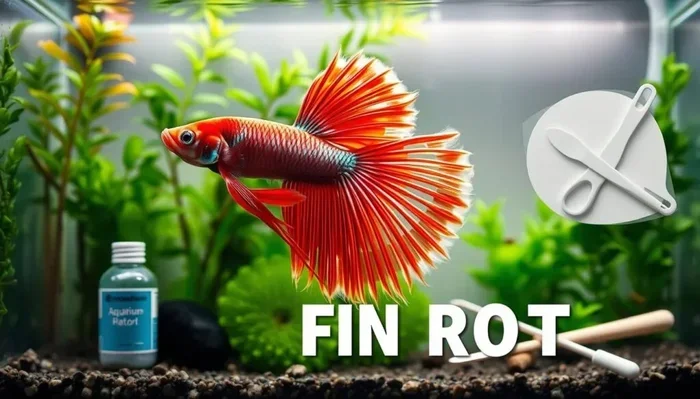
- Fin rot: Fins look ragged, frayed, or have white edges. This is one of the most common signs of bacterial infection in betta fish.
- Ulcers or sores: Red patches or open wounds on the body signal a serious bacterial problem.
- Cloudy eyes: A milky film over the eyes often points to bacterial contamination.
- Swollen belly: Dropsy causes the body to bloat with fluid, and it is often linked to bacterial infection.
- Loss of color: A faded or dull appearance means your fish is fighting something off.
- Clamped fins: Fins held close to the body indicate discomfort and possible illness.
Behavioral Changes That Signal Trouble
Your betta fish tells you how it feels through its behavior. Lethargy, loss of appetite, and hiding at the bottom of the tank are all red flags. If your fish stops eating or stays in one spot for hours, something is wrong. These behavioral shifts often appear before visible symptoms do.
If you notice any of these signs, act quickly. Delaying treatment gives bacteria time to spread. A bacterial infection that starts in the fins can quickly reach the body and become much harder to treat.
How to Remove Bacteria from Betta Fish Tank
Removing bacteria from your betta fish tank requires a two-pronged approach. You need to treat the fish and clean the environment at the same time. Here is a step-by-step plan to get rid of harmful bacteria for good.
Step 1: Test Your Water Parameters
Before you do anything else, test the water. Use a liquid test kit to check ammonia, nitrite, nitrate, and pH levels. Ideal parameters for betta fish are:
- Ammonia: 0 ppm
- Nitrite: 0 ppm
- Nitrate: Below 20 ppm
- pH: 6.5 to 7.5
- Temperature: 78 to 80 degrees Fahrenheit
Bad water parameters make bacterial infections worse. Fixing the water is the foundation of every treatment plan. If your betta fish water quality is poor, no medication will work for long.
Step 2: Do a Partial Water Change
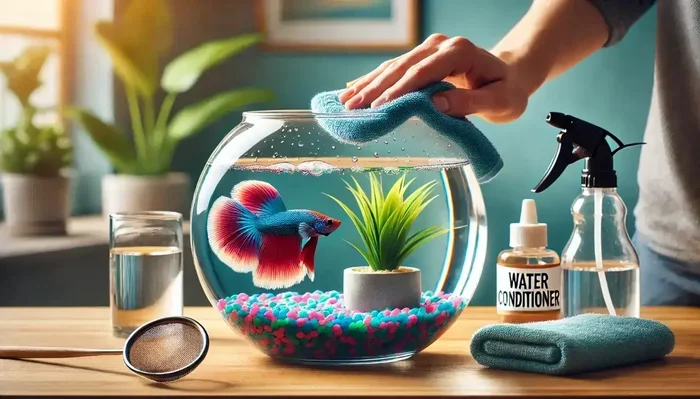
Remove 25 to 50 percent of the tank water and replace it with fresh, dechlorinated water. This immediately dilutes harmful bacteria and reduces toxin levels. Always use a water conditioner to neutralize chlorine and chloramine before adding new water to the tank.
Pro tip: Vacuum the gravel while you change the water. Debris hiding in the substrate is a breeding ground for harmful bacteria. Cleaning it out removes a major source of contamination.
Step 3: Clean the Tank and Decorations
Wipe down the inside glass to remove algae and biofilm. Rinse decorations in old tank water, never tap water. Chlorine in tap water kills beneficial bacteria too, and you do not want that. A clean tank environment supports your betta fish’s recovery and prevents bacteria from returning.
Step 4: Check and Clean Your Filter
Your filter is the heart of a healthy tank. Rinse filter media in old tank water to preserve beneficial bacteria. Never use tap water on filter media because it kills the good bacteria you need. Replace filter cartridges only when they fall apart, not on a schedule.
If your filter is weak, consider upgrading it. Proper aquarium filtration removes excess waste and keeps bacteria levels in check. This is one of the best long-term investments for betta fish health.
Treating Bacterial Infections in Betta Fish
Once you have cleaned the tank, it is time to treat the fish itself. Several effective treatments help remove bacteria and support healing. The right choice depends on the severity of the infection.
Antibacterial Medications
Medications like tetracycline and API Melafix are go-to treatments for bacterial infections in betta fish. Tetracycline works well against gram-negative bacteria and is widely used in the fishkeeping community. Always follow the dosage instructions on the label and complete the full treatment cycle.
Here is how to use antibacterial medication effectively:
- Remove activated carbon from your filter before starting treatment.
- Dose the medication exactly as directed.
- Perform a 25 percent water change before each dose.
- Continue treatment for the full recommended duration, even if symptoms improve.
- Monitor your fish daily for any adverse reactions.
For detailed instructions on using tetracycline specifically, check out our guide on how to use tetracycline for betta fish. It covers dosing, timing, and what to expect during treatment.
Salt Baths as a Natural Treatment
Salt baths are a gentle, effective way to fight mild bacterial infections. Aquarium salt helps draw out fluid from infected areas and supports fin regrowth. It also creates a hostile environment for many harmful bacteria.
To give your betta fish a salt bath, mix one tablespoon of aquarium salt per gallon of dechlorinated water. Place your fish in the solution for 5 to 10 minutes. Watch your fish closely during the bath. If it shows signs of distress, return it to the main tank immediately.
Salt baths are not a cure-all for severe infections, but they work well as a complementary treatment. They also help with recovery after a bacterial infection clears up.
Supporting Your Betta Fish During Recovery
Treatment is only half the battle. Your betta fish needs a supportive environment to heal properly. Here is what you should do during recovery:
- Keep the water warm: Maintain a stable temperature around 80 degrees Fahrenheit. Warm water helps boost the immune system.
- Feed high-quality food: Offer nutrient-rich pellets and occasional live or frozen foods to support healing.
- Reduce stress: Keep the tank in a quiet area away from loud noises and bright lights.
- Avoid tank mates: If your fish is sick, house it alone in a quarantine tank to prevent spreading infection.
For more tips on helping your fish bounce back, read our article on how to make your betta fish tank warmer and how to make your betta fish healthy again. These guides offer practical steps to support recovery.
Preventing Bacteria Buildup in Your Betta Fish Tank
Prevention is always easier than treatment. A solid maintenance routine keeps harmful bacteria under control and your betta fish thriving year-round.
Establish a Consistent Water Change Schedule
Change 20 to 30 percent of your tank water every week. This prevents waste buildup and keeps bacteria levels manageable. Use a gravel vacuum to remove debris from the substrate during each water change. Consistency is key, and setting a reminder on your phone helps you stay on track.
Also, make sure you always treat new water with a conditioner before adding it to the tank. Tap water conditioner removes harmful chemicals that can stress your fish and disrupt the tank’s bacterial balance.
Do Not Overfeed Your Betta Fish
Overfeeding is one of the biggest mistakes new fish owners make. Excess food decomposes quickly and spikes ammonia levels. Feed your betta fish two to three small meals per day, and only give what it can eat in two minutes. If food falls to the bottom, remove it with a net.
Quarantine New Fish and Plants
New additions can introduce bacteria into your established tank. Always quarantine new fish for at least two weeks before adding them to the main tank. Dip plants in a mild salt solution to remove any hitchhiking pathogens. This simple step prevents a world of trouble down the road.
Maintain Proper Filtration and Aeration
A good filter removes physical waste and supports the nitrogen cycle. Choose a filter with adjustable flow because betta fish do not like strong currents. Add an air stone if your tank needs extra oxygenation. Proper water movement keeps the environment healthy and discourages bacterial growth.
When to See a Veterinarian
Most bacterial infections respond well to home treatment. But some situations require professional help. If your betta fish stops eating completely, develops open sores, or shows rapid decline despite treatment, it is time to consult a fish veterinarian. Severe bacterial infections like advanced dropsy or systemic infections need expert care.
A vet can perform cultures to identify the exact bacteria causing the problem. This allows for targeted treatment that is more effective than broad-spectrum medications. Do not wait too long to seek help. Early intervention gives your betta fish the best chance of a full recovery.
Key Takeaways
Removing bacteria from betta fish is a process that combines treatment and prevention. Test your water regularly, keep the tank clean, and treat infections early. Use medications like tetracycline when needed, and support your fish with proper nutrition and a stress-free environment. A little effort every day goes a long way in keeping your betta fish healthy and bacteria-free.
Remember that every betta fish is different. What works for one fish may not work for another. Pay attention to your fish’s behavior and adjust your approach as needed. With patience and consistency, you can keep harmful bacteria under control and enjoy a thriving aquarium for years to come.
For more information on betta fish care, explore our guides on how to properly care for betta fish and how to treat betta fish fin loss. These resources help you tackle common health issues with confidence.
Frequently Asked Questions
What causes bacterial infections in betta fish?
Poor water quality, overfeeding, stress, and injuries are the main causes of bacterial infections in betta fish. When harmful bacteria multiply in dirty water, they attack fish with weakened immune systems. Regular tank maintenance and proper water parameters prevent most bacterial outbreaks.
How long does it take to remove bacteria from a betta fish tank?
With consistent water changes and proper treatment, you can see improvement within 3 to 7 days. Full elimination of harmful bacteria usually takes 2 to 4 weeks of diligent care. The key is staying consistent with your maintenance routine and not stopping treatment too early.
Can I use antibiotics from a pet store to treat my betta fish?
Yes, over-the-counter antibiotics like tetracycline and API Melafix are safe and effective for betta fish when used correctly. Always follow the dosage instructions and remove activated carbon from your filter during treatment. If the infection does not improve after a full course, consult a veterinarian.
Is salt safe for betta fish during bacterial treatment?
Aquarium salt is safe for betta fish in moderate doses and helps fight mild bacterial infections. Use one tablespoon per gallon for short-term baths, and never use table salt or marine salt. Salt baths support healing and create an environment that is less favorable for harmful bacteria.
How can I prevent bacteria from coming back in my betta fish tank?
Maintain a weekly water change schedule, avoid overfeeding, and keep your filter running properly. Test water parameters regularly and quarantine new fish before adding them to the main tank. A clean, stable environment is the best defense against recurring bacterial problems.
Can bacterial infections spread to other fish in the tank?
Yes, many bacterial infections are contagious and can spread to other fish. Infected betta fish should be isolated in a quarantine tank during treatment. This protects other fish and makes it easier to monitor and manage the infection without spreading it throughout the tank.