How to Release a Betta Fish
Releasing a betta fish requires careful preparation to protect the fish and the environment. Whether you are moving your betta to a new tank or considering a pond release, this guide covers every step you need. You will learn proper water preparation, acclimation techniques, and critical mistakes to avoid.
Releasing a betta fish might sound simple on the surface. You just move the fish from one container to another, right? Not quite. A proper release involves careful planning, the right water conditions, and a gentle approach that keeps your fish safe and healthy.
Whether you are transferring your betta to a larger tank, moving it to a temporary bowl, or setting up a new home entirely, the process matters more than most people think. A rushed or careless release can cause serious stress, illness, or even death. This guide walks you through every step to make the process smooth and safe.
We will cover everything from preparing the new environment to acclimating your fish and monitoring its health afterward. By the end, you will feel confident handling the release like a pro.
Key Takeaways
- Always prepare the new environment first before moving your betta fish to minimize stress.
- Acclimate your betta gradually by adjusting water temperature and parameters over 15-30 minutes.
- Never release a pet betta into the wild as it can harm local ecosystems and the fish itself.
- Use clean, treated water that matches the betta’s current tank conditions for a safe transfer.
- Monitor your betta closely after release for signs of stress or illness for the first 48 hours.
📑 Table of Contents
- Why Proper Release Matters for Your Betta Fish
- How to Prepare the New Environment
- The Acclimation Process: Easing Your Betta Into Its New Home
- Common Mistakes When Releasing a Betta Fish
- Monitoring Your Betta After Release
- When to Release a Betta Fish Into a Pond or Outdoor Setup
- Final Thoughts on Releasing Your Betta Fish
Why Proper Release Matters for Your Betta Fish
Betta fish are sensitive creatures. They thrive in stable environments with consistent water parameters. Any sudden change in temperature, pH, or chemical levels can shock their system. This is called osmotic shock, and it can be fatal.
When you release a betta fish without proper preparation, you expose it to risks like:
- Temperature shock from water that is too cold or too warm.
- Chemical stress from chlorine, chloramine, or ammonia in untreated water.
- Behavioral stress from unfamiliar surroundings and new tank mates.
- Physical injury from improper handling during the transfer.
Taking the time to do this right shows that you care about your fish. A well-planned release reduces stress and helps your betta adjust quickly to its new home.
How to Prepare the New Environment
Before you even touch your betta fish, the new environment must be ready. This is the most important step in the entire process. A prepared tank or bowl gives your fish the best chance of a smooth transition.
Step 1: Clean the Container
Start by thoroughly cleaning the new tank or bowl. Rinse it with warm water only. Never use soap or chemical cleaners. These residues are toxic to betta fish and can be deadly even in small amounts. If you are transferring a betta fish to a new tank, make sure there are no leftover residues from previous cleaning products.
Step 2: Set Up the Filtration and Heating
Betta fish need warm water between 76 and 82 degrees Fahrenheit. Install a heater if the new tank does not have one. A gentle filter is also important, but avoid strong currents because bettas prefer calm water. Let the system run for at least 24 hours before introducing your fish.
Step 3: Treat the Water
Tap water contains chlorine and chloramine that harm betta fish. Use a water conditioner like Seachem Prime to neutralize these chemicals. How to prepare water for a betta fish is a skill every owner should master. Let the water sit for a few hours after treatment to allow the temperature to stabilize.
Step 4: Add Plants and Hiding Spots
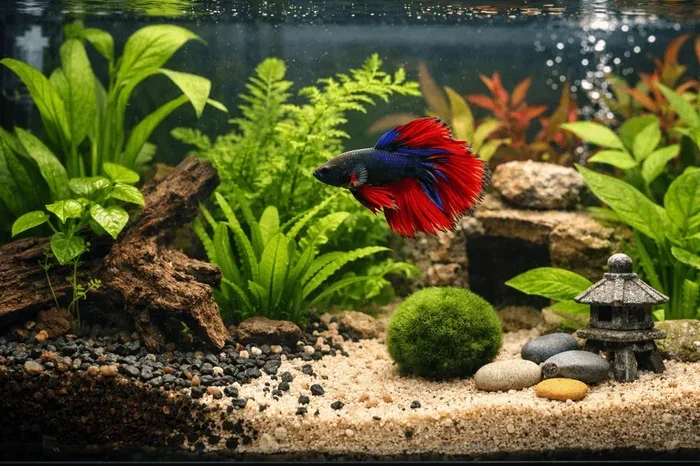
Betta fish feel safer in environments with plants and decorations. Live plants are ideal because they help maintain water quality. Add a few caves or hides so your fish has a place to retreat. This reduces stress during the adjustment period.
The Acclimation Process: Easing Your Betta Into Its New Home
Acclimation is the gradual process of adjusting your betta fish to new water conditions. Skipping this step is one of the most common mistakes new fish owners make. Even if the water parameters seem similar, a slow transition is always safer.
The Float Method
This is the most popular and effective acclimation method. Here is how it works:
- Float the bag containing your betta in the new tank for 15 to 20 minutes. This equalizes the temperature.
- Add small amounts of the new tank water to the bag every 5 minutes. Do this for another 15 to 20 minutes.
- Gently net the fish out of the bag and release it into the new tank. Never pour the bag water into the new tank.
The Drip Method
The drip method is slower but even safer for sensitive fish. You use a airline tube to slowly drip new tank water into the bag. This gradual mixing gives your betta time to adjust to changes in pH and hardness. It takes about 30 to 45 minutes but provides the gentlest transition possible.
Quick Tips for Successful Acclimation
- Turn off the tank lights during acclimation to reduce stress.
- Keep the room quiet and avoid sudden movements near the tank.
- Do not feed your betta for at least 2 hours after the release.
- Watch for signs of distress like rapid gilling or erratic swimming.
Common Mistakes When Releasing a Betta Fish
Even experienced fish keepers make mistakes during the release process. Knowing what to avoid can save your betta from unnecessary stress and health problems.
Mistake 1: Skipping Water Conditioning
Never add untreated tap water directly to a betta tank. Chlorine and chloramine damage the gills and can kill fish within hours. Always use a water conditioner before introducing your betta to new water.
Mistake 2: Rushing the Acclimation
Some people dump the bag water and fish straight into the tank. This is a bad idea. The sudden change in water chemistry can cause immediate stress. Always take at least 30 minutes for the full acclimation process.
Mistake 3: Releasing Into Unsuitable Environments
Never release a pet betta into a pond, lake, or river. Betta fish are tropical species that cannot survive in cold or temperate climates. Releasing them into the wild is also illegal in many areas and harms local ecosystems. If you can no longer care for your betta, contact a local fish rescue or give it to a responsible hobbyist.
Mistake 4: Ignoring Water Parameter Matching
Before releasing your betta, test both the old and new water. Make sure the pH, ammonia, nitrite, and nitrate levels are similar. A sudden shift in any parameter can cause serious health issues. If you are unsure how to test water, check out how to care for a betta fish 101 for a complete beginner guide on water testing.
Monitoring Your Betta After Release
The first 48 hours after a release are critical. Your betta needs close observation to ensure it is adjusting well to the new environment.
What to Watch For
Look for these positive signs in the first day or two:
- Normal swimming behavior with smooth, steady movements.
- Healthy appetite showing interest in food within 12 to 24 hours.
- Bright, vibrant colors indicating comfort and good health.
- Exploration of the tank without hiding constantly.
Watch out for these warning signs that indicate a problem:
- Clamped fins pressed close to the body, which signals stress or illness.
- Loss of color or fading of the fins and body.
- Labored breathing with rapid gill movement at the water surface.
- Lethargy where the fish stays in one spot and refuses to move.
What to Do if Problems Arise
If you notice any warning signs, test the water parameters immediately. Often the issue is poor water quality. Do a small water change of 10 to 20 percent and add conditioner. If symptoms persist, consider isolating the betta in a quarantine tank for closer observation and treatment.
Stress is the leading cause of illness in betta fish after a release. Keeping the environment calm and stable is the best thing you can do during this adjustment period. Avoid loud noises, sudden movements, and tank disturbances for at least 48 hours.
When to Release a Betta Fish Into a Pond or Outdoor Setup
Some betta owners consider outdoor ponds or water gardens. This is only viable in tropical climates where temperatures stay warm year round. In most regions, outdoor conditions are too cold for bettas to survive.
If you live in a warm climate and want to set up an outdoor pond, follow these guidelines:
- Ensure the pond is at least 10 gallons with stable temperatures above 75 degrees Fahrenheit.
- Provide plenty of shade to prevent overheating during summer months.
- Use a filter and heater to maintain consistent water quality.
- Keep the pond free of predators like birds or larger fish that might harm your betta.
Remember that even in ideal conditions, an outdoor release carries risks. Sudden weather changes, predators, and water quality fluctuations can all threaten your fish. An indoor tank setup remains the safest and most reliable option for long-term betta care.
Final Thoughts on Releasing Your Betta Fish
Releasing a betta fish properly is one of the most important responsibilities of fish ownership. It requires patience, preparation, and attention to detail. When you take the time to prepare the environment, acclimate your fish gradually, and monitor its health afterward, you give your betta the best possible start in its new home.
Every step matters. From conditioning the water to choosing the right acclimation method, each detail contributes to a successful release. Your betta fish depends on you for its well-being, and a thoughtful release shows just how much you care.
Start the process today with confidence. Follow the steps in this guide, and you will create a safe, healthy environment where your betta can thrive for years to come.
Frequently Asked Questions
Can I release my betta fish into a nearby pond or lake?
No, you should never release a pet betta into natural bodies of water. Betta fish are tropical species that cannot survive in cold or temperate climates. Releasing them into the wild also harms local ecosystems by introducing a non-native species. It is often illegal as well. Always keep your betta in a proper indoor tank or find it a new home through a rescue or fellow hobbyist.
How long does it take to acclimate a betta fish to a new tank?
The acclimation process typically takes 15 to 45 minutes depending on the method you use. The float method takes about 30 minutes total, while the drip method can take up to 45 minutes. The extra time is worth it because it reduces stress and prevents osmotic shock. Always be patient and never rush the process.
What water temperature is best for releasing a betta fish?
The ideal water temperature for a betta fish is between 76 and 82 degrees Fahrenheit. Before releasing your betta, make sure the new tank water matches this range. Use a reliable aquarium thermometer to check the temperature. A sudden temperature drop or spike is one of the leading causes of stress and illness in bettas.
Should I feed my betta fish right after releasing it?
No, you should wait at least 2 hours after the release before feeding your betta. The fish needs time to settle into its new environment and recover from the stress of the move. Feeding too soon can cause digestive issues and water quality problems. After the waiting period, offer a small amount of food and observe if your betta eats normally.
What should I do if my betta fish shows signs of stress after release?
If your betta shows signs of stress like clamped fins, rapid breathing, or lethargy, start by testing the water parameters. Perform a small water change of 10 to 20 percent and add water conditioner. Keep the tank lights dim and the environment quiet for 48 hours. If symptoms do not improve, consider moving the fish to a quarantine tank for closer observation and treatment.
Can I release a betta fish into a bowl without a filter?
You can release a betta into a bowl without a filter, but it requires more frequent water changes to maintain quality. A filter helps keep the water clean and stable, which reduces stress on your fish. If using a bowl, plan to do 25 to 50 percent water changes every two to three days. Always use treated water that matches the temperature of the bowl. For more guidance on maintaining a bowl setup, explore resources on how to maintain a betta fish bowl.