How to Raise Newborn Betta Fish
Raising newborn betta fish is exciting but requires patience, the right setup, and consistent care. This guide covers everything you need to know about how to raise newborn betta fish, from setting up a safe tank to feeding tiny fry the right food. Whether you are a first-time fish keeper or a seasoned hobbyist, you will find practical tips to help your baby bettas grow strong and healthy.
Welcoming newborn betta fish into your home is a thrilling experience. These tiny, delicate creatures bring so much joy, but they also need special attention. If you have ever wondered how to raise newborn betta fish properly, you are in the right place. This guide walks you through every step with clear, simple advice that anyone can follow.
Betta fish fry are incredibly small. They are barely visible to the naked eye when they first hatch. Because of their size, they have very specific needs. The water temperature, food size, and tank environment all matter a lot. Getting even one thing wrong can put their survival at risk. That is why this guide breaks everything down into easy-to-follow steps.
Whether you bred your bettas intentionally or discovered fry in your tank by accident, this article will help. You will learn about tank setup, feeding schedules, water care, and common challenges. By the end, you will feel confident and ready to give your newborn bettas the best start in life.
Key Takeaways
- Separate the fry immediately: Baby bettas need their own space to avoid being eaten by adult fish.
- Keep water clean and warm: Stable water parameters are the foundation of healthy betta fry growth.
- Feed tiny, frequent meals: Newborn bettas need micro-foods like infusoria and baby brine shrimp several times a day.
- Monitor growth stages closely: Tracking development helps you adjust care as your fry grow.
- Avoid common mistakes: Overfeeding and poor water quality are the top killers of betta fry.
- Plan for the long term: Knowing how to raise a betta fish from birth sets you up for success in the long run.
📑 Table of Contents
- Why Newborn Betta Fish Need Special Care
- Setting Up the Perfect Tank for Newborn Betta Fish
- Feeding Your Newborn Betta Fish the Right Way
- Water Quality and Maintenance for Betta Fry
- Growth Stages and What to Expect
- Common Mistakes to Avoid When Raising Newborn Betta Fish
- When to Separate Male and Female Fry
- Final Thoughts on Raising Newborn Betta Fish
Why Newborn Betta Fish Need Special Care
Baby betta fish are not just tiny versions of adult bettas. They have unique needs that change as they grow. Understanding these needs is the first step toward raising healthy fry. Adult bettas can be aggressive, so keeping fry separate is essential from day one.
Newborn bettas are also very sensitive to water conditions. Even small changes in temperature or pH can stress them out. Their stomachs are tiny, so they need to eat very frequently. Missing a feeding or giving the wrong food can quickly become a problem. This is why many fish keepers refer to how to raise a betta fish as a learning journey that starts from the very beginning.
The First 48 Hours Are Critical
The first two days after hatching are the most important. During this time, the fry still carry a small yolk sac. They do not need food yet because the yolk sac provides nutrients. However, the water must be clean and warm. Any toxins or temperature swings during this window can harm or kill the fry.
Keep the tank in a quiet spot. Avoid moving it around or making sudden changes. Let the fry rest and absorb their yolk sacs fully. Once the sac is gone, it is time to start feeding them.
Setting Up the Perfect Tank for Newborn Betta Fish
A proper tank setup makes all the difference. You want a safe, clean environment where your fry can grow without stress. The good news is that you do not need a huge tank. In fact, a smaller setup is easier to manage for newborn bettas.
Start with a tank that holds at least 5 gallons. A sponge filter is a great choice because it provides gentle filtration without creating strong currents. Baby bettas are weak swimmers, and a powerful filter can push them around and tire them out. Setting up a fish tank for betta fish correctly from the start saves you a lot of trouble later.
Temperature and Lighting
Keep the water temperature between 78 and 80 degrees Fahrenheit. A small heater works well for this. Stable temperature helps the fry stay active and eat well. Avoid placing the tank near windows or drafts, as temperature changes can be harmful.
Lighting should be soft and dim. Newborn bettas are not used to bright light yet. A gentle LED light on a timer set for 8 to 10 hours a day is perfect. Too much light can stress the fry and encourage algae growth, which messes with water quality.
Adding Plants and Hiding Spots
Live or silk plants give your fry places to hide. They feel safer when they have spots to retreat to. Java moss is an excellent choice because it is soft and easy to grow. Avoid sharp plastic decorations that could injure tiny fry.
You can also use a betta fish tank divider if you plan to keep the fry in the same tank as adults. However, a separate tank is always the safest option for newborn bettas.
Feeding Your Newborn Betta Fish the Right Way
Feeding is one of the most important parts of raising newborn betta fish. The food must be tiny enough for their small mouths. If the food is too big, the fry will not eat it, and it will dirty the water.
During the first week, feed your fry infusoria or liquid fry food. These are microscopic and perfect for newborn bettas. You can also use a few drops of hard-boiled egg yolk water, but use it sparingly. Overfeeding at this stage is easy to do, and it can quickly foul the water.
Moving to Solid Foods
After about one to two weeks, your fry will start to grow. At this point, you can introduce baby brine shrimp. This is a nutritious, live food that betta fry love. You can also try microworms or finely crushed flake food.
Feed your fry 3 to 5 times a day. Small portions are better than large ones. Remove any uneaten food within a few minutes to keep the water clean. Making betta fish food at home is a great option if you want to control exactly what your fry eat.
| Age of Fry | Best Food | Feeding Frequency |
|---|---|---|
| 0-7 days | Infusoria / liquid fry food | 3-4 times daily |
| 1-2 weeks | Baby brine shrimp / microworms | 3-4 times daily |
| 2-4 weeks | Crushed flakes / micro worms | 2-3 times daily |
| 4+ weeks | Small pellets / brine shrimp | 2 times daily |
Water Quality and Maintenance for Betta Fry
Clean water is non-negotiable when raising newborn betta fish. Fry are much more sensitive to toxins than adult bettas. Even small amounts of ammonia or nitrite can be deadly. Keeping the water pristine is one of the biggest factors in survival rates.
Test your water regularly with a simple aquarium test kit. Watch for ammonia, nitrite, and nitrate levels. Keep the pH between 6.5 and 7.5. The water should be soft to moderately hard. Betta fish water care is especially important during the fry stage because their tiny bodies react faster to poor conditions.
Water Changes Made Easy
Perform small water changes of about 10 to 20 percent every other day. Use a turkey baster or pipette to suck up debris from the bottom without disturbing the fry. Always match the temperature of the new water to the tank water. Sudden temperature drops can shock and kill baby bettas.
If you use tap water, make sure to treat it with a conditioner first. Using tap water conditioner for betta fish removes harmful chlorine and chloramines that can damage delicate fry gills. Never add untreated tap water directly to the tank.
Common Water Problems and How to Fix Them
Cloudy water is a common issue with newborn betta tanks. It usually happens because of bacteria blooms or excess food. To fix this, reduce feeding slightly and do a small water change. Avoid cleaning the filter media too aggressively, as you want to keep beneficial bacteria in the tank.
Green water from algae is another concern. Limit light exposure to 8 to 10 hours a day and keep the tank out of direct sunlight. If algae still becomes a problem, consider adding a small snail, but only if it is too large to be a threat to the fry.
Growth Stages and What to Expect
Watching your newborn betta fish grow is one of the most rewarding parts of fish keeping. Each stage comes with new milestones and care adjustments. Understanding what to expect helps you stay prepared and confident.
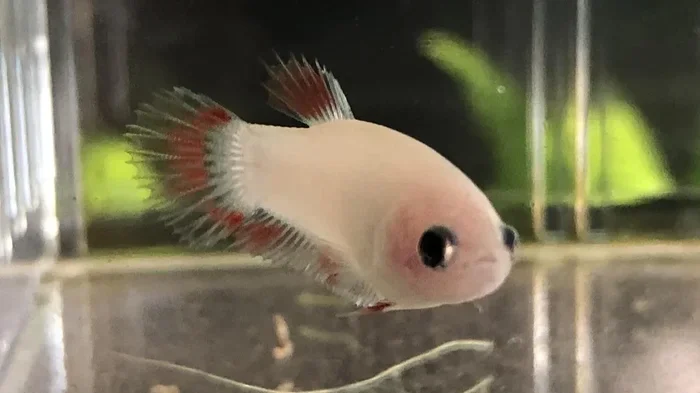
During the first week, your fry will be nearly transparent. You may see their tiny hearts beating. By the end of week two, they start to develop color and begin swimming more actively. Their fins will start to show small nubs.
By week three, the fry look more like miniature bettas. They will have recognizable fin shapes and brighter colors. This is when you can start feeding slightly larger foods like crushed flakes. By week four, most fry are strong enough to be moved to a slightly larger grow-out tank if needed.
It takes about three to four months for a betta fry to reach full maturity. During this time, you will notice personality differences. Some fry grow faster than others, and that is completely normal. The key is to maintain consistent care throughout every stage.
Common Mistakes to Avoid When Raising Newborn Betta Fish
Even experienced fish keepers can make mistakes with newborn bettas. Knowing what to avoid saves time, money, and most importantly, lives. Here are the most common errors and how to prevent them.
Overfeeding the Fry
This is the number one mistake new breeders make. Baby bettas have tiny stomachs. Too much food leads to dirty water, bloating, and even death. Feed small amounts and watch the fry eat. If food is left uneaten after five minutes, you have given too much.
Skipping Water Changes
It is tempting to skip water changes when the tank looks clean. But newborn bettas produce waste quickly, and even small amounts of ammonia build up fast. Stick to your regular water change schedule no matter what.
Keeping Fry with Adult Fish
Adult bettas will eat baby bettas. This is not because they are mean; it is simply instinct. Always separate fry from adults immediately after hatching. Even peaceful adult fish may view tiny fry as food.
Using the Wrong Filter
A hang-on-back filter with strong output can harm or kill newborn fry. The current is too powerful for their tiny bodies. Stick with a gentle sponge filter that provides mechanical and biological filtration without endangering the fry.
When to Separate Male and Female Fry
As your betta fry grow, you will start to notice differences between males and females. Males develop longer fins and more vibrant colors earlier. Females tend to be smaller with shorter fins. Separating them by sex helps prevent fighting as they mature.
You can start separating males into individual containers around 8 to 10 weeks of age. Use small cups or divided containers with sponge filters. Each male needs his own space to avoid territorial aggression. Females can be kept together in groups as long as the tank is large enough with plenty of hiding spots.
Knowing how to tell if a betta fish is female early on helps you plan the right housing setup. Proper separation ensures healthier, less stressed fish as they grow into adults.
Final Thoughts on Raising Newborn Betta Fish
Raising newborn betta fish is a journey that requires patience, attention to detail, and a lot of love. Every step matters, from the initial tank setup to the feeding schedule and water maintenance. By following the tips in this guide, you give your baby bettas the best possible chance to thrive.
Remember that not every fry will survive, and that is okay. Even experienced breeders lose some fry along the way. What matters is that you learn from each experience and keep improving your care routine. The more you practice, the better you become at how to raise newborn betta fish successfully.
Take it one day at a time. Celebrate small victories like the first time your fry start swimming actively or the first hints of color appearing. These moments make the effort worthwhile. With the right knowledge and a little dedication, you will watch your tiny newborns grow into beautiful, healthy adult bettas that you can be proud of.
Frequently Asked Questions
How soon can you feed newborn betta fish after they hatch?
Newborn bettas do not need food for the first 24 to 48 hours. They absorb nutrients from their yolk sac during this time. After the yolk sac is fully absorbed, you can start feeding infusoria or liquid fry food immediately.
What is the survival rate of newborn betta fish?
Survival rates vary depending on care quality. With clean water, proper feeding, and stable temperatures, you can expect 70 to 90 percent of your fry to survive the first month. Poor water quality and overfeeding are the leading causes of early fry loss.
Can newborn betta fish live in a bowl?
It is not recommended. Newborn bettas need a properly cycled tank with a gentle filter and heater. A bowl lacks the stability and filtration needed for delicate fry. A small 5-gallon tank works much better for raising baby bettas.
How often should you do water changes for betta fry?
Perform small water changes of 10 to 20 percent every other day. This keeps waste levels low without causing stress from sudden parameter changes. Always match the temperature and treat new water with conditioner before adding it to the tank.
When do newborn betta fish start to show color?
Most betta fry begin developing color around 2 to 3 weeks of age. The exact timing depends on the variety and genetics. Some fry show hints of color as early as 10 days, while others take a bit longer to display their full palette.
Is it hard to raise newborn betta fish for beginners?
It can be challenging but is definitely doable with the right information. Start with a simple setup, feed small amounts frequently, and keep the water clean. Following a reliable guide on how to raise newborn betta fish makes the process much easier and more enjoyable for beginners.
=== CONCLUSION ===
Raising newborn betta fish is one of the most rewarding experiences in the aquarium hobby. It teaches you patience, attention to detail, and a deeper appreciation for these beautiful creatures. By following the steps in this guide, you are setting yourself up for success.
Remember to focus on the basics: clean water, proper food, stable temperature, and a safe environment. Every bit of care you give during the first few weeks pays off as your fry grow into healthy, vibrant adult bettas. Keep learning, keep experimenting, and most importantly, enjoy the process.