How to Raise Bug in Fish Tank for Betta Food
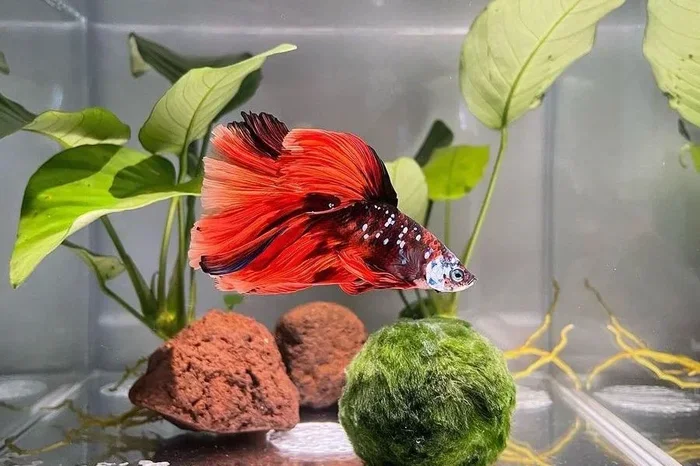
Raising bugs in your fish tank is one of the best ways to give your betta a natural, protein-rich diet. You can grow micro worms, brine shrimp, and daphnia right at home with simple setups. This guide walks you through every step, from choosing your bug culture to feeding your betta safely.
Raising bugs in a fish tank for betta food might sound strange at first. But many betta keepers swear by it. Live food brings out the best in your fish. It makes them more active, more colorful, and more willing to eat. If you have ever wondered how to give your betta a more natural diet, growing bugs is the answer.
The process is simpler than you think. You do not need a science lab or expensive gear. A few containers, some yeast, and a little patience are all you need. Whether you are a complete beginner or a seasoned hobbyist, raising bugs for your betta fish is a rewarding skill. This guide covers everything you need to know.
Betta fish are natural hunters. In the wild, they eat small insects, larvae, and tiny crustaceans. Store-bought flakes and pellets are convenient, but they do not fully match what bettas eat in nature. Live food fills that gap. It gives your fish the protein-rich diet they crave. Let us dive into how you can start your own bug culture at home.
Key Takeaways
- Live food boosts betta health: Bugs provide natural protein that keeps bettas active and colorful.
- Easy to start: You only need a few basic supplies like a culture container, yeast, and water.
- Multiple bug options work well: Micro worms, brine shrimp, and daphnia are all beginner-friendly.
- Proper water prep matters: Always condition your water before adding it to any bug culture. You can learn more about preparing water for betta fish here.
- Clean tanks make healthy bugs: Keeping your culture containers clean prevents mold and bacteria. Check out our guide on cleaning a betta fish tank for tips.
- Feed in moderation: Overfeeding live bugs can dirty the tank. Stick to a consistent betta feeding schedule.
📑 Table of Contents
Why Raise Bugs for Your Betta Fish?
You might be wondering why bother with live food when flakes work fine. The truth is, live food offers benefits that dry food simply cannot match. Let us look at why raising bugs is worth your time.
Natural Nutrition
Bugs are packed with protein and nutrients that bettas need to thrive. In the wild, bettas hunt for small insects and larvae near the water surface. When you feed them live food, you are mimicking their natural betta diet. This leads to better digestion, stronger immune systems, and brighter colors.
Flakes and pellets often lose nutrients during manufacturing. Live food, on the other hand, retains all its nutritional value. Your betta gets the full benefit of every meal.
Enrichment and Mental Stimulation
Betta fish are smart. They get bored with the same old food floating at the surface. Chasing live bugs gives them something to do. It stimulates their natural hunting instincts. A well-enriched betta is a happier and healthier betta.
If you want to learn more about keeping your betta mentally stimulated, check out our article on how to properly care for betta fish.
Cost Savings
Buying live food from a pet store adds up fast. A small container of brine shrimp can cost several dollars. When you grow your own bugs, the cost drops to almost nothing. A packet of yeast and a few containers can last you for months. Over time, you save a significant amount of money.
Best Bugs to Raise for Betta Food
Not all bugs are created equal when it comes to feeding bettas. Some are easier to raise, while others offer more nutritional value. Here are the best options for a home setup.
Micro Worms
Micro worms are the easiest bug to start with. They are tiny, white, and perfect for betta fish of all sizes. Even baby bettas can eat them easily. You culture micro worms in a small container with oatmeal and yeast.
They are ready to harvest in about two weeks. You just swipe a toothpick through the culture and drop the worms into the tank. Micro worms are a staple live food for betta keepers around the world.
Brine Shrimp
Brine shrimp are another excellent option. They are tiny crustaceans that hatch from eggs in salt water. Many betta keepers consider brine shrimp a superfood. They are rich in protein and very easy to digest.
You need a brine shrimp hatchery, which is a simple setup with a light, a saltwater container, and shrimp eggs. Within 24 to 48 hours, you will have baby shrimp ready to feed. Brine shrimp are great for bettas in bowl setups too.
Daphnia
Daphnia are tiny freshwater crustaceans, often called water fleas. They make an excellent live food source. Daphnia are rich in fiber, which helps with betta digestion. You can culture them in a separate container with pond water and green algae.
They reproduce quickly, so you will always have a steady supply. Just make sure to harvest them regularly to keep the culture healthy.
Fruit Flies
Fruit flies are a natural food source for bettas. In the wild, bettas often catch insects that fall on the water surface. You can culture fruit flies at home using a small container with banana or apple pieces. The flies hatch and multiply quickly.
They are a great treat for your betta. Just make sure the flies are small enough for your fish to eat comfortably.
How to Set Up a Bug Culture at Home
Setting up a bug culture is straightforward. You do not need a lot of space or equipment. Here is what you need to get started.
Supplies You Will Need
- Small plastic containers with lids (yogurt cups work great)
- Airline tubing for aeration
- Small air pump or a simple air stone
- Yeast (active dry yeast works best)
- Oatmeal or fish food as a culture medium
- Conditioner or treated water
- A small net or syringe for harvesting
Step-by-Step Setup Process
Follow these simple steps to create your first bug culture:
- Prepare your container. Clean the container thoroughly with warm water. Do not use soap, as it can harm your bugs.
- Add the culture medium. Mix a small amount of oatmeal or fish food with water to create a thin paste. Spread it across the bottom of the container.
- Add water. Use treated or conditioned water. Never use untreated tap water, as chlorine can kill your culture. Learn how to prepare water for betta fish properly before starting.
- Add yeast. A small pinch of yeast provides food for the bugs. Sprinkle it evenly over the culture medium.
- Set up aeration. Attach the airline tubing to a small air pump. Place the air stone in the container. Gentle bubbling keeps the culture oxygenated.
- Cover the container. Use a lid with small holes for airflow. This prevents contamination while allowing oxygen in.
- Wait and maintain. Keep the culture at room temperature. Feed it a tiny amount of yeast every few days. Within one to two weeks, your bug population will grow.
How to Harvest and Feed Bugs to Your Betta
Once your bug culture is established, you need to know how to harvest and feed properly. This is where many beginners make mistakes. Follow these tips for the best results.
Harvesting Micro Worms
Use a toothpick or small spatula to swipe across the surface of the culture. You will see tiny white worms clinging to the tool. Rinse them off into a small cup of clean water. Then use a pipette or syringe to drop them into your betta tank. Feed only what your betta can eat in two to three minutes.
Harvesting Brine Shrimp
Turn off the air pump and let the water settle for a few minutes. The baby shrimp will float to the top. Use a small net or turkey baster to scoop them out. Rinse them gently in clean water before adding them to the tank.
Feeding Frequency and Amount
Feed live bugs two to three times per week. This is enough to provide variety without overloading the tank. A good betta feeding schedule includes a mix of flakes, pellets, and live food. Overfeeding live bugs can dirty the water quickly, so always remove any uneaten food after a few minutes.
Common Mistakes to Avoid
- Overfeeding: Too many bugs at once can pollute the tank and cause ammonia spikes.
- Skipping water changes: Even with live food, you need regular tank maintenance. Dirty water leads to sick fish.
- Using untreated water: Always treat your water before adding it to any culture or tank.
- Neglecting the culture: A bug culture needs regular feeding and aeration to stay healthy.
After feeding live bugs, it is a good idea to do a partial water change to keep the tank clean. If you are new to tank maintenance, our guide on cleaning a betta fish tank for beginners can help you stay on track.
Keeping Your Bug Cultures Healthy
A healthy culture means a steady supply of food for your betta. Here are some tips to keep your bug cultures thriving.
Maintain the Right Temperature
Most bug cultures do well at room temperature, between 68 and 78 degrees Fahrenheit. Avoid placing them in direct sunlight or near heat sources. Stable temperatures help bugs reproduce faster and stay healthy.
If your room gets cold in winter, consider moving the culture to a warmer spot. You can also check out our article on how to keep water warm for betta fish for tips on maintaining warmth.
Prevent Mold and Contamination
Mold is the number one enemy of bug cultures. It can take over a culture quickly and kill your bugs. To prevent mold:
- Always wash your hands before handling the culture.
- Do not overfeed the culture. Excess food rots and invites mold.
- Keep the lid on tight but with small air holes.
- Replace the culture medium every few weeks.
Start Multiple Cultures
Never rely on just one culture. Bugs can die off unexpectedly. Start at least two or three cultures at different stages. This way, you always have a backup supply of live food ready for your betta.
Benefits of Live Food for Betta Fish Health
Feeding live bugs does more than just satisfy your betta’s hunger. It has real health benefits that can extend your fish’s life and improve its quality of life.
- Better digestion: Live food is easier to digest than processed flakes.
- Brighter colors: The natural nutrients in bugs enhance pigmentation.
- Stronger immune system: A varied diet boosts overall health and resistance to disease.
- Increased activity: Betta fish that eat live food are more alert and playful.
- Improved breeding behavior: Live food can encourage breeding in healthy bettas.
If you are planning to breed bettas, live food is especially important. It helps condition the fish for reproduction. You can find more tips on conditioning betta fish for breeding in our dedicated guide.
Common Questions About Raising Bugs for Betta Food
Can I raise bugs directly in my betta tank?
It is not recommended to raise bugs inside the main betta tank. Your betta will eat them all before they can reproduce. Keep the culture in a separate container. This way, you always have a steady supply ready to harvest.
How long does it take to start a bug culture?
Most bug cultures take one to two weeks to establish. Micro worms are the fastest, often ready in 10 to 14 days. Brine shrimp hatch within 24 to 48 hours from eggs. Daphnia take a bit longer, usually two to three weeks to build a solid population.
Is live food safe for betta fish?
Yes, live food is completely safe and often healthier than processed alternatives. Just make sure the bugs come from a clean culture. Never collect bugs from outside, as they may carry pesticides or parasites that can harm your fish.
What if my bug culture dies?
Do not panic. Cultures can fail for many reasons, including temperature changes or contamination. Start a new culture using the same steps. Keeping multiple cultures at different stages ensures you always have a backup plan.
Can I feed my betta only live food?
While live food is excellent, it should not be the only food. Bettas need a balanced diet that includes high-quality flakes or pellets. Use live bugs as a supplement two to three times per week alongside their regular meals.
Do I need a special tank for raising bugs?
No, you do not need a special tank. Simple plastic containers with lids work perfectly. Just make sure they are clean and have small holes for air. You can even use old yogurt cups or deli containers. Keep each bug type in its own container for the best results.
Conclusion
Raising bugs in a fish tank for betta food is one of the most rewarding things you can do as a betta keeper. It gives your fish a natural, protein-rich diet that supports their health and happiness. The process is simple, affordable, and fun. Whether you start with micro worms, brine shrimp, or daphnia, you will quickly see the difference in your betta’s energy and color.
Start small with one culture and expand as you gain confidence. Keep your cultures clean, feed them regularly, and always maintain a consistent betta feeding schedule. Your fish will thank you with vibrant colors, active behavior, and a long, healthy life. Give it a try today, and watch your betta thrive on the food you raised yourself.