How to Make Your Betta Fish Less Aggressive
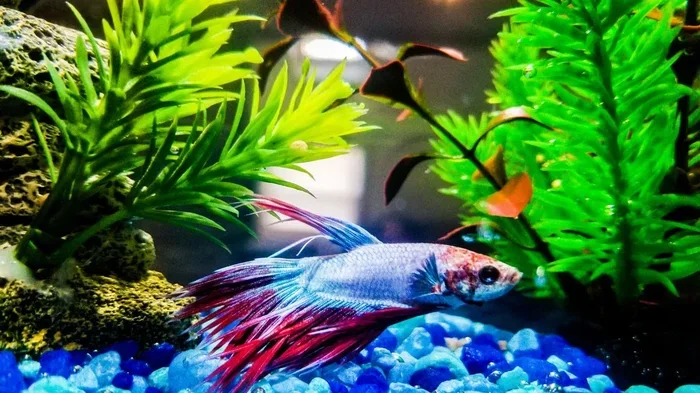
Making your betta fish less aggressive starts with understanding what triggers their territorial behavior in the first place. Betta fish aggression often results from small tanks, bright lights, or incompatible tank mates, but the right adjustments can transform a hostile fish into a calm companion. This guide shares proven strategies and practical tips to help your betta feel secure, reduce flaring, and create a harmonious aquarium for everyone.
How to Make Your Betta Fish Less Aggressive
If you own a betta fish, you have probably seen those dramatic flaring displays and thought, “Why is my fish so angry?” Betta fish aggression is one of the most common challenges fish keepers face. The good news is that you can absolutely take steps to make your betta fish less aggressive. With the right adjustments to their tank, routine, and environment, even the most territorial betta can become calm and relaxed.
In this guide, we will walk you through proven methods to reduce betta fish aggression naturally. You will learn what triggers hostile behavior, how to set up a tank that promotes peace, and simple daily habits that keep your fish happy. Whether you are a beginner or a seasoned aquarist, these tips will help you create a harmonious home for your betta fish and any tank mates you may have.
Understanding betta fish behavior is the first step toward a calmer aquarium. Let us dive into the reasons behind aggression and what you can do about it.
Key Takeaways
- Make your betta fish less aggressive with proper setup. Space and decor are key.
- Give each betta a 5-gallon tank. More room reduces territorial fights.
- Never place mirrors near the aquarium. Reflections trigger constant aggression.
- Choose peaceful tank mates carefully. Avoid bright, long-finned companions.
- Feed small amounts twice daily. A routine prevents food-related battles.
- Add plants and hiding spots. They break the line of sight.
- Keep water pristine and stable. Clean conditions lower stress levels.
📑 Table of Contents
Understanding Why Betta Fish Become Aggressive
Betta fish are naturally territorial creatures. In the wild, they claim small patches of water and defend them fiercely. This territorial betta behavior is deeply wired into their genetics. However, aggression in home aquariums often gets worse because of poor conditions and stress.
Here are the most common reasons your betta fish might be acting out:
- Small tank size — Bettas need space to swim and establish territory without constant confrontation.
- Reflections in the glass — Your betta may see its own reflection and think there is a rival invading its space.
- Overcrowding — Too many fish or too many decorations crammed together triggers betta fish territorial behavior.
- Poor water quality — Dirty water causes stress, and stressed fish become aggressive fish.
- Incompatible tank mates — Housing your betta with fish that flash colors or have long fins can spark constant fighting.
- Irregular feeding — Hungry or overfed bettas can become irritable and reactive.
Recognizing these triggers helps you address the root cause. Once you know what is driving the aggression, you can start making meaningful changes.
Optimize Your Betta Fish Tank Setup
The single biggest factor in reducing betta fish aggression is the tank environment. A well-designed aquarium gives your fish room to breathe, explore, and feel secure without feeling the need to fight for every inch of space.
Choose the Right Tank Size
Many people keep bettas in tiny bowls, and that is a recipe for stress and aggression. A 5-gallon tank is the minimum recommended size for a single betta. If you can go larger, a 10-gallon tank gives your fish even more room to establish a comfortable territory without feeling trapped.
Here is a quick comparison of tank sizes and their impact on betta fish temperament:
| Tank Size | Suitability for Betta | Aggression Level |
|---|---|---|
| 1-2 gallons | Not recommended | Very High |
| 5 gallons | Minimum acceptable | Moderate |
| 10 gallons | Ideal for single betta | Low |
| 20+ gallons | Great for community setups | Very Low |
Use Smart Decoration and Layout
Your betta fish tank layout plays a huge role in how your fish behaves. Plants, caves, and driftwood break up lines of sight and give your betta places to retreat. This reduces the feeling that every corner belongs to a rival.
When decorating, keep these tips in mind:
- Use live or silk plants to create natural hiding spots.
- Avoid sharp decorations that could injure your fish during flaring episodes.
- Place decorations on the sides and back of the tank to leave open swimming space in the center.
- Use a background on the outside of the tank to reduce reflections.
For more detailed guidance on creating the perfect habitat, check out our article on how to set up a fish tank for betta fish. A well-planned tank is the foundation of a calm and happy betta.
Maintain Excellent Water Quality
Dirty water is one of the biggest hidden causes of betta fish stress and aggression. Ammonia and nitrite spikes make your fish feel constantly threatened, which leads to flare-ups and hostile behavior.
Follow these betta fish care tips for clean water:
- Test your water parameters weekly with a reliable test kit.
- Perform 25-30% water changes every week.
- Use a gentle filter with adjustable flow — bettas hate strong currents.
- Keep the temperature between 78-80°F (25-27°C) for optimal comfort.
Keeping your tank clean also ties directly into how to keep your betta fish healthy. A clean tank is a calm tank.
Choose Compatible Tank Mates Carefully
If you want to add other fish to your betta’s home, choosing the right companions is critical. The wrong tank mates can trigger constant aggression, while the right ones can keep your betta active and curious.
Betta fish compatibility depends on several factors:
- Color and fin size: Avoid fish with bright colors or long flowing fins. Your betta will see them as rivals and attack constantly.
- Temperament: Choose peaceful, non-confrontational species that stay in their own area of the tank.
- Activity level: Fish that dart around frantically can stress out your betta and provoke defensive aggression.
Good tank mate options for bettas include corydoras catfish, neon tetras, kuhli loaches, and small shrimp species like cherry shrimp. These fish generally stay out of your betta’s way and do not trigger territorial responses.
For female bettas specifically, you may also want to read our article on are female bettas less aggressive to other fish than males to understand how gender affects temperament and compatibility choices.
Feeding Strategies to Reduce Aggression
What and how you feed your betta has a direct impact on its mood and behavior. An inconsistent feeding schedule or inappropriate diet can turn even a gentle betta into a grumpy, aggressive fish.
Feed the Right Diet
Betta fish nutrition matters more than most people realize. A diet high in protein keeps your fish healthy, but the type of food also affects behavior. Low-quality flakes filled with fillers can cause digestive issues, which lead to irritability.
Best food choices for a calm and healthy betta include:
- High-quality betta pellets with real fish meal as the first ingredient.
- Frozen or live bloodworms as an occasional treat.
- Daphnia and brine shrimp for variety and digestive health.
- Homemade betta fish food made from blended shrimp and vegetables.
For those interested in preparing meals at home, our guide on how to make betta fish food at home has simple recipes that will keep your fish nourished and content.
Establish a Consistent Feeding Routine
Feeding your betta at the same times each day creates a sense of security. When your fish knows food is coming, it stops feeling the need to compete or guard resources aggressively.
Follow these guidelines for a stress-free feeding routine:
- Feed your betta twice a day, once in the morning and once in the evening.
- Offer only what your fish can eat in two minutes. Overfeeding leads to obesity and tank pollution.
- Skip one feeding day per week to mimic natural fasting cycles and support digestion.
- Use a feeding ring or target feeding stick to keep food in one spot and reduce competition.
A well-fed betta is a calm betta. This is one of the simplest yet most overlooked betta fish care tips for managing aggression.
Create a Calming Environment
Beyond tank size and diet, the overall atmosphere of your aquarium plays a big role in your betta’s mood. Small environmental tweaks can significantly reduce betta fish aggression and promote a peaceful, relaxed fish.
Manage Lighting and Noise
Bettas are sensitive to their surroundings. Bright, flickering lights and loud noises near the tank can spike stress hormones and make your fish defensive. Here is how to create a soothing atmosphere:
- Use a soft LED light with a dimming option and keep it on a consistent day-night cycle.
- Place the tank in a quiet area away from televisions, speakers, and high-traffic zones.
- Avoid tapping on the glass or sudden movements near the tank.
- Consider adding a gentle background sound like a small aquarium air pump for white noise.
Add Enrichment and Mental Stimulation
Just like any pet, bettas need mental stimulation to stay happy. A bored betta is more likely to become aggressive out of frustration. You can enrich your fish’s environment in several ways:
- Place a betta hammock near the surface so your fish can rest and observe its surroundings.
- Use floating plants to create a natural canopy that makes your betta feel safe.
- Gently interact with your fish during feeding time to build trust and reduce fear-based aggression.
- Rotate decorations occasionally to give your betta a fresh environment to explore.
For more ideas on building a strong relationship with your fish, read our article on how to grow a bond with your betta fish. A bonded betta is a trusting betta, and trust leads to a much calmer temperament.
Monitor Your Betta’s Health Regularly
Sometimes aggression is a sign that something is wrong physically. A betta in pain from fin rot, ich, or swim bladder disease may lash out at anything nearby. Regular health checks help you catch problems early before they turn into behavioral issues.
Watch for these warning signs:
- Clamped fins or a hunched posture.
- Loss of appetite or sudden refusal to eat.
- White spots, redness, or frayed fins.
- Labored breathing or staying at the bottom of the tank.
If you notice any of these symptoms, address the health issue first. Once your betta feels better physically, the aggressive behavior usually fades on its own. For guidance on treating common illnesses, see our article on how to make your betta fish healthy again.
Key Takeaways
Making your betta fish less aggressive comes down to a few core principles. Give your fish enough space with a proper tank size. Keep the water clean and at the right temperature. Choose tank mates wisely and avoid triggers like reflections and bright lights. Feed a balanced diet on a consistent schedule. And always pay attention to your betta’s overall health and well-being.
Every betta has its own personality. Some are naturally more mellow, while others will always have a feisty side. But by following the tips in this guide, you can significantly reduce betta fish aggression and enjoy a peaceful, thriving aquarium. Start with one or two changes today and build from there. Your betta will thank you with calmer, happier behavior.
Remember that patience is key. Behavioral changes do not happen overnight. Give your adjustments time to take effect, observe how your fish responds, and make small tweaks as needed. With consistent care and attention, you will see a real difference in your betta fish temperament within just a few weeks.
Frequently Asked Questions
How to Make Your Betta Fish Less Aggressive?
You can reduce aggression by providing a spacious tank with plenty of hiding spots, maintaining clean water, and avoiding reflective surfaces that trigger territorial behavior. Adding plants and decorations gives your betta places to retreat, which helps them feel secure and less defensive.
Why Is My Betta Fish So Aggressive Toward Other Fish?
Betta fish are naturally territorial, especially males, and they may attack other fish that invade their space or have bright colors and flowing fins. Overcrowding, small tanks, and placing incompatible tank mates together can make this aggression much worse.
Does Tank Size Affect Betta Fish Aggression?
Yes, a tank that is too small causes stress and increases aggressive behavior in bettas. A tank of at least 5 gallons gives your fish room to swim and establish territories without feeling constantly threatened.
Can Aggressive Feeding Habits Make Betta Fish More Hostile?
Feeding your betta in a small, cramped space can increase competition and aggression during mealtime. Using a feeding ring or spreading food across the tank helps reduce this stress and encourages calmer behavior.
What Signs Show That Your Betta Fish Is Feeling Aggressive?
Common signs include flaring gills, chasing other fish, nipping at fins, and constantly patrolling the tank in an aggressive manner. Recognizing these behaviors early lets you take steps to calm your betta before the aggression escalates.
Will Adding Plants and Decorations Help Make Your Betta Fish Less Aggressive?
Absolutely, live or silk plants, caves, and driftwood create natural barriers that break up your betta’s line of sight and give them personal space. This reduces the constant feeling of being watched or threatened, which is one of the most effective ways to make your betta fish less aggressive over time.