How to Make Canned Fish Taste Better
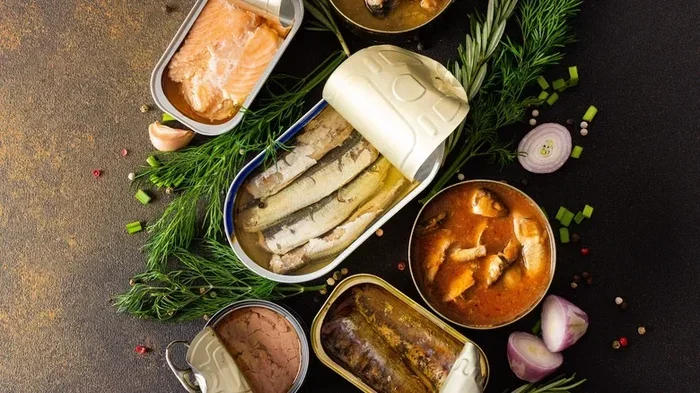
Learning how to make canned fish taste better is easier than you think. With the right seasonings, soaking methods, and simple recipes, you can transform cheap canned fish into restaurant-quality meals. Whether you use canned tuna, salmon, or sardines, these proven tips will elevate your fish flavor in minutes.
Let’s be honest. Canned fish gets a bad reputation. Many people think it tastes boring, metallic, or just plain awful. But here’s the thing. Learning how to make canned fish taste better can change everything. You can turn a cheap, shelf-stable protein into a delicious meal that rivals fresh fish. And the best part? It takes just minutes and costs very little.
Whether you love canned tuna, salmon, sardines, or anchovies, there are easy tricks that work wonders. You don’t need fancy ingredients or cooking skills. A few simple steps can remove the fishy taste and bring out the best in your canned catch. In this guide, we’ll walk you through every method that actually works.
If you want to make your canned fish taste amazing, you’re in the right place. We’ve tested these tips and gathered the best advice from home cooks and food experts. Let’s dive in and make your next canned fish meal something to look forward to.
Key Takeaways
- Soaking canned fish in milk or citrus removes the tinny taste and softens the texture.
- Strong seasonings like garlic, lemon, and herbs mask fishy odors and boost flavor.
- Simple cooking techniques such as pan-frying or baking make canned fish far more enjoyable.
- Budget-friendly recipes let you enjoy tasty fish meals without spending much money.
- Avoiding common mistakes like overcooking or skipping the draining step keeps canned fish tasting fresh.
📑 Table of Contents
- Why Does Canned Fish Taste So So-So?
- How to Make Canned Fish Taste Better: Top Methods
- Best Seasonings for Canned Fish
- Easy Recipes to Make Canned Fish Taste Amazing
- Common Mistakes That Ruin Canned Fish Flavor
- Quick Tips for the Best Canned Fish Meals
- Final Thoughts on Making Canned Fish Taste Better
Why Does Canned Fish Taste So So-So?
Before we fix the problem, let’s understand it. Canned fish goes through a processing method that affects its taste and texture. The fish is cooked inside the can, which can leave a slightly metallic or bland flavor. The packing liquid also plays a big role in how the final dish tastes.
Here are the main reasons canned fish gets a bad rap:
- Metallic taste from the can lining.
- Overcooked texture from the canning process.
- Preservatives and salt that mask natural flavor.
- Fish oils that oxidize during storage.
- Lack of freshness compared to just-caught fish.
The good news is that each of these issues has a simple fix. You just need to know what to do. And that’s exactly what this guide covers.
How to Make Canned Fish Taste Better: Top Methods
Drain and Rinse Your Canned Fish
This is the simplest step that many people skip. When you open a can of fish, the liquid inside often tastes salty or metallic. Draining it and giving the fish a quick rinse under cold water makes a huge difference. It washes away excess sodium and the tinny aftertaste that bothers so many people.
After rinsing, pat the fish dry with a paper towel. This step alone can make canned fish taste 50% better. It’s the foundation for every other tip in this guide.
Soak Canned Fish in Milk
If you want to remove that strong fishy smell, try soaking your canned fish in milk. This is a well-known trick that works beautifully. The milk proteins bind to the compounds that cause the fishy odor and taste. After just 10 to 15 minutes, your fish will smell and taste much milder.
This technique is especially helpful for canned salmon and sardines. Just place the drained fish in a bowl of milk, let it sit for a short while, then pat it dry before cooking. You can learn more about this method in our article on does soaking fish in milk make it taste better.
Add Acid to Brighten the Flavor
Acid is your best friend when it comes to improving canned fish. A squeeze of fresh lemon or lime juice cuts through the richness and adds a bright, fresh note. Vinegar works too, especially white wine vinegar or apple cider vinegar.
Try adding a splash of lemon juice to canned tuna right after draining it. The acid lifts the flavor and makes the fish taste lighter and more appetizing. This simple trick works for almost any type of canned fish.
Use Bold Seasonings and Spices
Canned fish needs help from seasonings. Plain canned fish on its own can taste flat. But add the right spices, and it transforms completely. Here are some great options:
- Garlic powder or fresh minced garlic adds depth.
- Paprika brings a smoky, sweet flavor.
- Old Bay seasoning is a classic pairing for seafood.
- Fresh dill or parsley adds a bright, herbal note.
- Black pepper and a pinch of cayenne add gentle heat.
- Soy sauce or sesame oil for an Asian-inspired twist.
Don’t be shy with your seasoning. Canned fish has a mild flavor that welcomes bold additions. The goal is to make canned fish taste better by complementing its natural taste, not hiding it completely.
Cook It Instead of Eating It Cold
Lots of people eat canned fish straight from the can. That’s fine in a pinch, but cooking it changes everything. Heating canned fish brings out its natural oils and creates a more enjoyable texture. Try pan-frying it with a little butter and garlic. Or bake it in the oven with some herbs and lemon slices.
Cooking also gives you more control over the final taste. You can add aromatics like onion, celery, or bell peppers while cooking. These ingredients add layers of flavor that cold canned fish just can’t match.
Best Seasonings for Canned Fish
Choosing the right seasoning can make or break your canned fish dish. Different fish pair better with different flavors. Here’s a quick guide to the best seasoning combos for popular canned fish types.
| Canned Fish | Best Seasonings | Best Cooking Method |
|---|---|---|
| Canned Tuna | Lemon juice, garlic, dill, capers | Pan-fry or mix into salads |
| Canned Salmon | Paprika, dill, lemon zest, pepper | Bake or form into patties |
| Canned Sardines | Hot sauce, garlic, olive oil, parsley | Grill or eat with crackers |
| Canned Anchovies | Tomato paste, garlic, olive oil | Melt into pasta or pizza |
| Canned Mackerel | Mustard, lemon, black pepper | Bake or flake into bowls |
The key is to match your seasoning to the fish type and the dish you’re making. A little experimentation goes a long way. Start with the combos above and adjust to your taste.
Easy Recipes to Make Canned Fish Taste Amazing
Canned Tuna Pasta
This is one of the fastest and most satisfying meals you can make. Cook your favorite pasta according to the package directions. While it boils, heat olive oil in a pan and sauté minced garlic for about one minute. Add the drained canned tuna and cook for two to three minutes. Toss in the pasta with a splash of pasta water, some lemon juice, and fresh parsley. Season with salt and pepper to taste. This simple dish proves that how to make canned fish taste better doesn’t require fancy techniques.
Canned Salmon Cakes
Canned salmon cakes are a crowd-pleaser. Drain a can of salmon and place it in a bowl. Add one egg, a quarter cup of breadcrumbs, a tablespoon of mayonnaise, and diced onion. Mix well and form into small patties. Heat oil in a skillet and cook the cakes for three to four minutes on each side until golden brown. These taste so good that most people won’t believe they started from a can.
Sardine Toast
Toast a slice of crusty bread. Spread a thin layer of butter or cream cheese on top. Lay a few canned sardines on the toast and drizzle with olive oil. Sprinkle with fresh lemon juice, cracked black pepper, and a pinch of red pepper flakes. This five-minute snack or light meal is packed with flavor and omega-3 fatty acids.
Common Mistakes That Ruin Canned Fish Flavor
Now that you know what to do, let’s talk about what not to do. Avoiding these common mistakes will keep your canned fish tasting its best.
- Not draining the fish properly. Excess liquid makes dishes soggy and adds a metallic taste.
- Overcooking the fish. Canned fish is already cooked. Heat it just enough to warm through and avoid a dry, rubbery texture.
- Skipping the seasoning step. Plain canned fish tastes bland. Seasoning is not optional, it’s essential.
- Using low-quality oil or liquid from the can. The packing liquid can taste off. Always drain and rinse first.
- Storing opened cans in the fridge. Transfer leftover fish to a sealed container immediately. Keeping it in the open can affect the taste and safety.
By steering clear of these mistakes, you’ll notice a big improvement in flavor every time you open a can.
Quick Tips for the Best Canned Fish Meals
Here are some bonus tips that take your canned fish game to the next level:
- Always use fresh ingredients alongside canned fish. Fresh lemon, garlic, and herbs make a noticeable difference.
- Mix canned fish with creamy ingredients like mayonnaise, sour cream, or Greek yogurt. Creaminess balances the strong fish flavor.
- Add crunch with toasted breadcrumbs, crushed crackers, or fried onions. Texture makes any dish more enjoyable.
- Let the fish rest after seasoning. Giving the fish 5 to 10 minutes with your seasoning lets the flavors meld together.
- Experiment with different cuisines. Canned fish works great in Mediterranean, Asian, and Latin American dishes. Try different flavor profiles to find your favorites.
These quick tips are easy to follow and they work every time. You’ll wonder why you ever ate canned fish without them.
Final Thoughts on Making Canned Fish Taste Better
How to make canned fish taste better comes down to a few simple steps. Drain and rinse your fish first. Soak it in milk if you want to reduce the fishy taste. Add bold seasonings and cook it properly. Avoid the common mistakes that ruin flavor. Follow these tips and canned fish becomes one of the most affordable and delicious proteins you can buy.
Remember, canned fish is a pantry staple for a reason. It’s convenient, nutritious, and long-lasting. With the right preparation, it’s also incredibly tasty. Try these methods next time you open a can and taste the difference for yourself. Your wallet and your taste buds will both thank you.
For more tips on improving fish flavor, check out our guide on how do you make fish taste better. And if you enjoy jarred fish products, our article on how to make jar gefilte fish taste better has additional flavor-boosting ideas you’ll love.
The secret to great canned fish is really quite simple. Treat it like fresh fish, season it well, and cook it with care. You’ll be amazed at what a difference these small steps make. Start today and turn your next canned fish meal into something truly delicious.
Frequently Asked Questions
Can I eat canned fish without cooking it?
Yes, canned fish is fully cooked during the canning process and safe to eat straight from the can. However, cooking it with seasonings and fresh ingredients dramatically improves the taste and texture.
What is the best way to remove the fishy taste from canned fish?
Soaking drained canned fish in milk for 10 to 15 minutes is one of the most effective methods. Rinsing the fish under cold water and adding lemon juice or vinegar also helps reduce the fishy flavor significantly.
Is canned fish healthy to eat regularly?
Yes, canned fish is packed with protein, omega-3 fatty acids, and essential vitamins. It’s an affordable and nutritious option that makes healthy eating easy and convenient for any budget.
How long can you keep opened canned fish in the fridge?
Transfer opened canned fish to a sealed container and use it within two to three days. Never store fish in the opened metal can, as it can affect the taste and safety of the product.
What canned fish is the easiest to cook with?
Canned tuna and canned salmon are the most versatile and beginner-friendly options. They work well in salads, pasta, casseroles, and patties, making them perfect for quick and easy meals.
Can you freeze canned fish after opening the can?
Yes, you can freeze opened canned fish in an airtight container for up to three months. Freezing helps preserve the flavor and texture, though it’s best to use it within that time frame for the best taste.