How to Care for Betta Fish Pdf
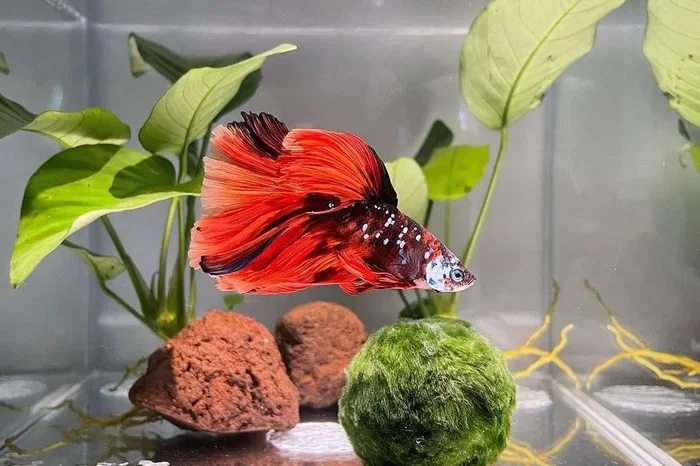
Our how to care for betta fish pdf guide covers everything you need to keep your betta healthy and happy. You will learn about tank setup, water parameters, feeding schedules, and common health issues. This beginner-friendly guide makes betta fish care simple and easy to follow.
Key Takeaways
- Right Tank Size: A minimum 5-gallon tank gives your betta fish room to thrive and stay active.
- Water Quality Matters: Keeping the water clean and properly conditioned is the foundation of betta fish care.
- Feeding Routine: Feed your betta small amounts twice a day to prevent overfeeding and health problems.
- Temperature Control: Maintain water temperature between 76-82°F for optimal betta fish health.
- Downloadable PDF Guide: A printable care reference makes it easy to track maintenance tasks and stay on schedule.
- Watch for Warning Signs: Early detection of common diseases can save your betta fish’s life.
📑 Table of Contents
- How to Care for Betta Fish Pdf: Your Complete Guide
- Why You Need a How to Care for Betta Fish Pdf
- Setting Up the Perfect Betta Fish Tank
- Water Maintenance and Quality
- Feeding Your Betta Fish the Right Way
- Common Betta Fish Health Issues
- Creating a Stress-Free Environment for Your Betta
- How to Keep a Betta Fish Care Schedule
- Expert Tips for Long-Term Betta Fish Health
- Conclusion
How to Care for Betta Fish Pdf: Your Complete Guide
If you own a betta fish or are thinking about getting one, you need a solid care plan. A how to care for betta fish pdf gives you a handy reference you can print and keep near your tank. It covers all the essentials in one easy-to-read document. Whether you are a complete beginner or a seasoned fish keeper, having a betta fish care guide on hand makes a big difference.
Betta fish are beautiful and hardy creatures. They come in stunning colors and flowing fins that catch the eye. But they still need proper care to stay healthy. A betta fish care pdf helps you remember the small but important details. Things like water temperature, feeding amounts, and tank setup can slip your mind without a reminder. That is exactly why a downloadable guide is so valuable.
In this guide, we will walk you through everything you need to know. We will cover tank setup, water maintenance, feeding, health tips, and more. You will also learn why a printable betta fish care sheet is a smart tool for any fish owner. Let us dive right in and make betta fish care simple.
Why You Need a How to Care for Betta Fish Pdf
A how to care for betta fish pdf is more than just a document. It is a practical tool that keeps you organized. Fish care involves many small tasks. Missing even one can affect your fish’s health. A betta fish care guide pdf gives you a checklist you can follow every day.
Here are some reasons why a PDF guide is so helpful:
- Easy to print: Keep it on your fridge or next to your tank for quick reference.
- Portable: Take it with you when you visit the pet store or talk to other fish keepers.
- No internet needed: You can access all the information anytime, even without Wi-Fi.
- Shareable: Pass it along to friends or family who also own betta fish.
- Organized: All the care steps are laid out in a clear, logical order.
When you properly care for betta fish, consistency is key. A PDF helps you stay consistent with your routine. It reminds you when to change the water, when to feed, and when to check the tank equipment. Over time, this simple habit can greatly improve your fish’s quality of life.
Setting Up the Perfect Betta Fish Tank
Choosing the Right Tank Size
Many people think betta fish can live in tiny bowls. This is a common myth. In reality, a betta fish needs space to swim and explore. A minimum tank size of 5 gallons is recommended. This gives your fish enough room to move around comfortably.
Here is a quick comparison of tank sizes:
- 1-2 gallons: Too small for long-term health. Stress and illness are common.
- 3-5 gallons: Acceptable minimum. Works well with proper maintenance.
- 5-10 gallons: Ideal size. Offers stability and room for enrichment.
- 10+ gallons: Excellent choice. Great for planted tanks and community setups.
If you are setting up a new tank, check out our guide on how to set up a fish tank for betta fish for step-by-step instructions. The right betta fish aquarium setup makes all the difference in your fish’s happiness and longevity.
Essential Equipment for Your Tank
You will need a few key items to keep your betta fish healthy. A good filter is essential. It keeps the water clean and removes harmful toxins. A betta fish tank heater is also important. Bettas are tropical fish and need warm water to thrive.
Here is a list of must-have equipment:
- Filter: Choose a gentle sponge filter. Strong currents can stress bettas.
- Heater: Set the temperature between 76-82°F for optimal health.
- Thermometer: Helps you monitor the water temperature daily.
- Dechlorinator: Removes harmful chemicals from tap water before adding it to the tank.
- Gravel or substrate: Provides a natural look and supports beneficial bacteria.
- Decorations and plants: Live or silk plants give your betta places to hide and rest.
Setting up the betta fish habitat correctly from the start saves you a lot of trouble later. Take your time and make sure everything is cycled before you add your fish. A well-set-up tank is the foundation of good betta fish care.
Water Maintenance and Quality
Understanding Water Parameters
Water quality is the single most important factor in betta fish health. Bettas are sensitive to changes in water conditions. Keeping the right parameters ensures your fish stays vibrant and active.
Here are the key water parameters you should monitor:
- Temperature: 76-82°F (24-28°C)
- pH Level: 6.5-7.5 (slightly acidic to neutral)
- Ammonia: 0 ppm (parts per million)
- Nitrite: 0 ppm
- Nitrate: Below 20 ppm
Testing your water regularly with a simple aquarium test kit takes only a few minutes. It gives you peace of mind and helps you catch problems early. If any parameter is off, you can take action before it affects your fish.
How Often to Change the Water
Regular water changes are a core part of how to care for betta fish. You should do a partial water change every week. Replace about 25-30% of the tank water with fresh, dechlorinated water. This removes built-up waste and keeps the betta fish tank clean.
For a deeper clean, you can do a larger water change once a month. Just make sure the new water is close to the same temperature as the tank water. Sudden temperature drops can shock your fish and lead to illness.
Need help with the process? Our article on how to do a water change for betta fish walks you through each step in detail. Clean water is the secret to a long and healthy life for your betta.
Feeding Your Betta Fish the Right Way
What to Feed Your Betta
Betta fish are carnivores. They need a diet rich in protein. High-quality betta pellets should be the staple of their diet. You can also offer frozen or live foods like brine shrimp and bloodworms as treats.
Here is a simple feeding guide:
- Staple food: Betta-specific pellets, fed twice a day.
- Treats: Frozen or live foods, offered 2-3 times per week.
- Portion size: Only give what your fish can eat in 2-3 minutes.
Overfeeding is one of the most common mistakes new betta owners make. Excess food sinks to the bottom and decays, polluting the water. This can lead to betta fish diseases and poor water quality. Stick to a consistent feeding schedule and your fish will thank you.
Signs of a Healthy Appetite
A healthy betta fish will eagerly accept food when you offer it. If your fish refuses to eat or seems disinterested, this could be a warning sign. Check the water parameters first. Poor water quality is often the cause of a betta fish losing its appetite. If the water looks good, monitor your fish closely for other symptoms of illness.
Common Betta Fish Health Issues
Spotting the Warning Signs
Even with the best care, betta fish can get sick. Knowing the signs of common health problems helps you act fast. Early detection is the key to successful treatment.
Watch out for these common symptoms:
- Clamped fins: Fins held close to the body often signal stress or illness.
- White spots: These may indicate ich, a common parasitic infection.
- Redness or swelling: Could be a sign of bacterial infection or injury.
- Lethargy: A betta that spends all day at the bottom may not be feeling well.
- Loss of color: Fading colors can indicate stress or poor water conditions.
If you notice any of these signs, test your water immediately. Often, a water change and slight adjustment to the tank conditions can resolve the issue. For more serious cases, you may need to use medication. Learn more about treating sick fish in our guide on how to care for sick betta fish.
Prevention Tips
Prevention is always better than cure. Keep your betta fish tank clean and maintain stable water parameters. Avoid sudden temperature changes. Quarantine any new fish before adding them to your main tank. These simple steps go a long way in keeping your betta healthy and happy.
Creating a Stress-Free Environment for Your Betta
Tank Mates and Social Needs
Betta fish are known for their territorial behavior. Male bettas, in particular, should not be housed together. They will fight and can seriously injure each other. However, bettas can sometimes live peacefully with certain peaceful community fish.
Good tank mates for bettas include:
- Neon tetras
- Corydoras catfish
- Ghost shrimp
- Snails (like mystery snails)
Always introduce tank mates carefully. Watch for signs of aggression from your betta. A stress-free betta fish habitat leads to a happier, more colorful fish.
Enrichment and Mental Stimulation
Betta fish are smarter than people give them credit for. They enjoy exploring their environment. Adding live plants, caves, and gentle decorations gives your betta things to investigate. This mental stimulation reduces stress and promotes natural behavior.
You can also try floating plants on the surface. Bettas love to rest on the leaves between swims. A well-decorated betta fish aquarium is a joy to look at and a healthy home for your fish.
How to Keep a Betta Fish Care Schedule
Consistency is the backbone of good betta fish maintenance. A daily and weekly routine helps you stay on top of things. Here is a simple schedule you can follow:
Daily Tasks
- Feed your betta twice a day with small amounts.
- Check the water temperature with your thermometer.
- Observe your fish for any signs of stress or illness.
Weekly Tasks
- Perform a 25-30% water change.
- Test water parameters using your aquarium test kit.
- Clean any algae buildup on the glass and decorations.
- Rinse filter media in removed tank water (never use tap water).
Monthly Tasks
- Do a deeper tank clean, including substrate vacuuming.
- Replace filter cartridges if needed.
- Review your betta fish care routine and adjust as necessary.
Print out this schedule and keep it with your how to care for betta fish pdf. Having a visible checklist keeps you accountable and ensures nothing gets missed. Over time, these tasks become second nature.
Expert Tips for Long-Term Betta Fish Health
Taking care of a betta fish is a rewarding experience. These little fish can live 3-5 years with proper care, and some even reach 7 years or more. The secret is consistency and attention to detail. Here are some expert tips to help your betta thrive:
- Never use soap or chemicals when cleaning your tank or decorations. Residue is toxic to fish.
- Use a water conditioner every time you add new water. It removes chlorine and chloramine safely.
- Keep the tank lid closed. Bettas are jumpers and can escape if given the chance.
- Avoid placing the tank in direct sunlight or near drafty windows. Temperature swings are harmful.
- Observe your fish daily. You know your betta best. Trust your instincts if something seems off.
Following these tips and using your betta fish care guide pdf puts you on the path to success. Your betta fish will reward you with vibrant colors and lively behavior every day.
Conclusion
Caring for a betta fish does not have to be complicated. With the right knowledge and a consistent routine, you can create a thriving environment for your fish. A how to care for betta fish pdf gives you all the tools you need in one convenient package. From tank setup to feeding, water changes to health monitoring, you now have the complete picture.
Remember, every betta fish deserves a clean home, proper nutrition, and a stress-free environment. Take the time to follow the steps in this guide. Your efforts will pay off with a happy, healthy fish that brings joy to your home for years to come. Start building your betta fish care routine today and enjoy the journey of being a great fish owner.
To learn more about how to properly care for betta fish, explore our full library of articles on betta fish care. We are here to help you every step of the way.
Frequently Asked Questions
What is a how to care for betta fish pdf used for?
A how to care for betta fish pdf serves as a printable reference guide that covers all the essential care steps. It helps you remember feeding schedules, water change routines, and tank maintenance tasks. Having it printed and posted near your tank makes daily care much easier.
How often should I change water for my betta fish?
You should do a partial water change of 25-30% every week. This removes waste buildup and keeps the betta fish tank clean. For best results, always use dechlorinated water at the same temperature as the tank.
Can betta fish live in a bowl without a filter?
While bettas can survive in a bowl, they thrive much better in a filtered tank of at least 5 gallons. A filter helps maintain stable water quality and reduces the frequency of water changes. A betta fish care guide will always recommend a filtered tank for long-term health.
What is the ideal water temperature for betta fish?
The ideal temperature range for betta fish is 76-82°F (24-28°C). Using a heater and thermometer helps you maintain this range consistently. Sudden temperature drops can stress your fish and make them vulnerable to illness.
How do I know if my betta fish is sick?
Common signs of illness include clamped fins, white spots, loss of appetite, and lethargy. Check your water parameters first, as poor water quality is often the root cause. If symptoms persist, consult a betta fish care guide or seek advice from a fish health specialist.
Where can I find a printable betta fish care pdf?
You can create your own betta fish care guide pdf by compiling the tips and schedules from this article. Many aquarium websites also offer free downloadable care sheets. Having a printable version makes it easy to reference your care routine anytime.