How to Care for Betta Fighting Fish
Learning how to care for betta fighting fish is easier than most people think. These stunning fish thrive when you give them the right tank, proper diet, and clean water. This guide covers everything you need to know, from setting up the perfect habitat to keeping your betta healthy long-term. Whether you are a beginner or experienced fish keeper, you will find practical tips to make your betta flourish.
Caring for a betta fighting fish can be one of the most rewarding experiences for a fish keeper. These colorful fish, also known as Siamese fighting fish, have captivated aquarium lovers for decades. But many people underestimate what it takes to keep a betta truly healthy and happy. The truth is, bettas need more than just a small bowl and a pinch of flakes. They need proper habitat, balanced nutrition, and consistent care. In this guide, we walk you through everything you need to know about betta fish care, step by step.
## What Is a Betta Fighting Fish?
Betta fighting fish belong to the species Betta splendens. They originate from the warm, shallow waters of Southeast Asia, particularly Thailand, Cambodia, and Vietnam. In the wild, bettas live in rice paddies, slow-moving streams, and floodplains. Their natural habitat shapes everything about how they behave in captivity.
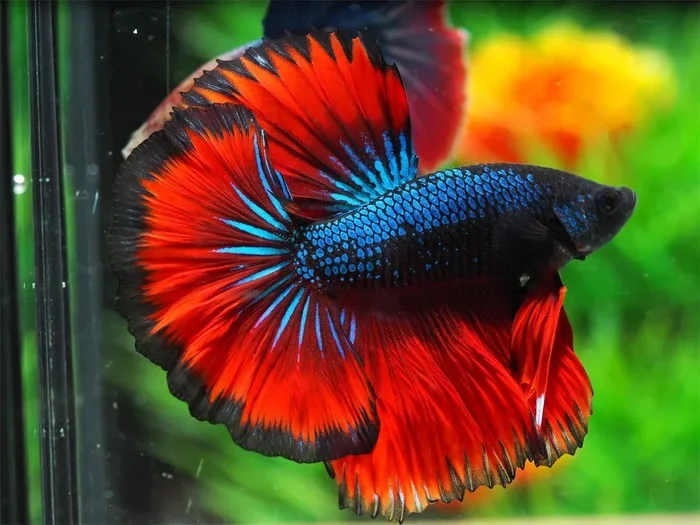
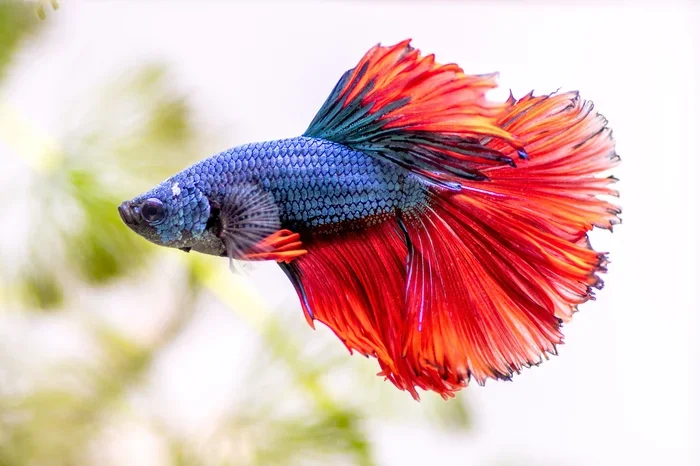
Male bettas are famous for their long, flowing fins and bright, iridescent colors. Females have shorter fins and duller coloring. Both sexes have a special organ called the labyrinth, which allows them to breathe atmospheric air. This unique adaptation means bettas can survive in low-oxygen water, but it does not mean they thrive in poor conditions.
Many people buy bettas because they look stunning and seem low-maintenance. However, proper betta fish care requires attention to detail. A well-cared-for betta can live three to five years, sometimes even longer. Understanding their natural needs is the first step toward giving them a great life.
## Setting Up the Perfect Tank for Your Betta Fighting Fish
The foundation of good betta care starts with the right tank setup. Many beginners make the mistake of keeping bettas in tiny bowls or vases. While bettas can survive in small spaces, they thrive in environments that give them room to explore.
### Tank Size Requirements
A minimum 5-gallon tank is the sweet spot for a single betta. This size provides enough space for swimming, exploring, and establishing a comfortable territory. Tanks smaller than 5 gallons are harder to keep stable. Water parameters fluctuate quickly in small volumes, which stresses your fish.
If you want to keep more than one betta, you need a larger tank with plenty of hiding spots. Male bettas should never be housed together. They will fight, and the results can be fatal. Female bettas can sometimes be kept in groups called sororities, but this requires careful planning and a tank of at least 10 gallons.
### Filtration and Heating
Bettas need a gentle filter. Strong currents stress them out because their long fins make them slow swimmers. Sponge filters work great for betta tanks. They provide mechanical and biological filtration without creating a strong flow.
A heater is equally important. Betta fighting fish need warm water between 76°F and 82°F. Room temperature water is almost always too cool. An adjustable aquarium heater lets you maintain a stable temperature. Sudden temperature drops weaken the immune system and make fish prone to illness.
### Décor and Plants
Bettas love places to hide and explore. Live plants like java fern, anubias, and Amazon sword plants create a natural feel. They also help keep the water clean by absorbing nitrates. Silk plants work well too, but avoid sharp plastic plants that can tear delicate fins.
Add caves, driftwood, or coconut hides to give your betta a sense of security. A well-decorated tank reduces stress and brings out natural behaviors. Your betta will spend hours exploring and building bubble nests among the plants.
### Cycling Your Tank
Before adding your betta, the tank must be fully cycled. Cycling establishes beneficial bacteria that break down toxic ammonia and nitrite. This process takes about four to six weeks. You can speed it up with bottled bacteria starters.
Never add a betta to an uncycled tank. Ammonia spikes are invisible killers. They damage gills and organs quickly. Learning how to properly care for betta fish starts with a stable, cycled aquarium.
## Feeding Your Betta Fighting Fish the Right Way
Diet plays a huge role in betta health and longevity. In the wild, bettas eat insects, larvae, and small crustaceans. Their diet is high in protein and varied. Replicating this in captivity is the key to a thriving fish.
### Best Foods for Bettas
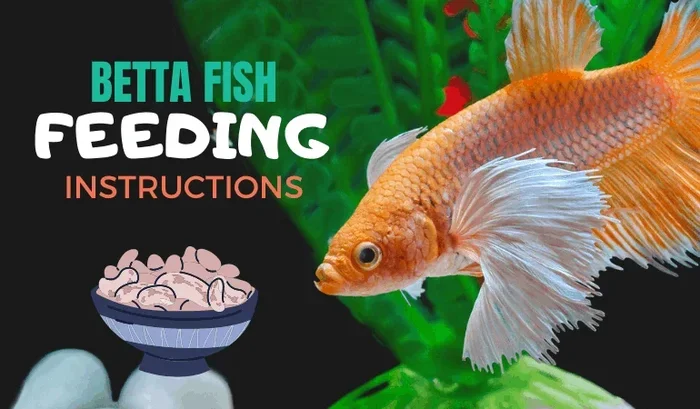
High-quality betta pellets should form the foundation of their diet. Look for pellets where the first ingredient is whole fish or fish meal. Brands formulated specifically for bettas provide the protein levels they need.
Supplement pellets with frozen or live foods like bloodworms, brine shrimp, and daphnia. These foods add variety and mimic natural feeding. Frozen foods are convenient and just as nutritious as live options.
### Feeding Schedule and Portions
Feed your betta two to three small meals per day. A good rule of thumb is to offer only what your fish can eat in two minutes. Overfeeding is one of the most common mistakes betta owners make. Excess food fouls the water and causes bloating, which can be fatal.
Skip one feeding day per week. This gives the digestive system a break and helps prevent constipation. Many betta keepers also use fasting days to observe their fish more closely and check for any health issues.
### Foods to Avoid
Flakes designed for tropical community fish lack the protein bettas need. They also dissolve quickly and cloud the water. Avoid feeding bread, crackers, or human food. These offer no nutritional value and can make your fish seriously sick.
## Keeping Your Betta Fighting Fish Healthy
Healthy bettas are active, alert, and display vibrant colors. A sick betta may become lethargic, lose its color, or stop eating. Knowing the signs of common health issues helps you act fast.
### Common Diseases
Fin rot is one of the most frequent problems betta owners face. It appears as ragged or discolored fins and is often caused by poor water quality. Treating fin rot early with water changes and medication usually leads to full recovery.
Ich, also called white spot disease, shows up as tiny white dots on the body and fins. It spreads quickly and thrives in stressed fish. Raising the temperature slowly to 82°F and using aquarium salt can help treat mild cases.
Bloat is another common issue, especially in bettas prone to constipation. Symptoms include a swollen belly and difficulty swimming. Feeding thawed peas (with the skin removed) can help relieve constipation naturally.
### Prevention Tips
The best medicine is prevention. Keep water clean through regular maintenance. Test water parameters weekly using an aquarium test kit. Ammonia and nitrite should always read zero, and nitrates should stay below 20 ppm.
Quarantine new fish before adding them to your main tank. This prevents the spread of diseases. Wash your hands before handling tank equipment to avoid introducing contaminants.
### When to See a Vet
If your betta does not improve with basic treatments, consider consulting a fish veterinarian or experienced aquarist. Many online communities and forums offer advice from seasoned betta keepers. Sometimes a professional diagnosis makes all the difference.
## Common Mistakes to Avoid When Caring for Betta Fighting Fish
Even well-meaning owners can make mistakes that harm their bettas. Understanding what not to do is just as important as knowing what to do.
### Keeping Bettas in Tiny Bowls
The image of a betta in a small glass bowl on a desk is everywhere in popular culture. But this setup is far from ideal. Tiny bowls lack filtration, heating, and enough space for swimming. They also make it difficult to maintain stable water parameters.
A proper tank with a filter and heater dramatically improves your betta’s quality of life. If you want to learn more about small-space setups, check out our guide on how to care for betta fish in a bowl for tips on doing it as safely as possible.
### Ignoring Water Changes
No matter how good your filter is, you need regular water changes. Filters remove debris and house beneficial bacteria, but they do not remove dissolved waste. A 25-30% water change every week keeps the environment clean and healthy.
Always use a water conditioner to neutralize chlorine and chloramine from tap water. Untreated tap water can damage gills and stress your fish. Learning how to do a water change for betta fish properly is one of the most valuable skills you can develop.
### Overcrowding the Tank
Bettas are territorial. Adding too many fish or incompatible tank mates creates stress and aggression. Even peaceful community fish can bother a betta with their bright colors and flowing fins.
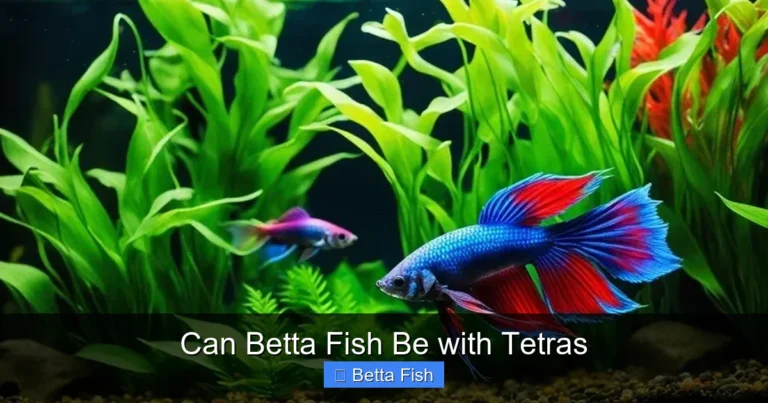
If you want tank mates, consider small, bottom-dwelling species like corydoras or kuhli loaches. Always research compatibility before adding new fish. A stressed betta is more likely to get sick and develop behavioral problems.
## Expert Insights on Betta Fighting Fish Care
Experienced betta keepers share a few insights that beginners often overlook. These small details can make a big difference in your fish’s life.
Bubble nesting is a natural behavior that shows a happy, healthy male betta. If your betta builds bubbles at the surface, it means he feels safe and comfortable. Not all bettas build nests, and that is normal too. Every fish has its own personality.
Betta fish respond to their environment. A well-planted tank with gentle flow and stable parameters encourages natural behaviors like exploring, hunting, and nest building. Adding a mirror occasionally can stimulate activity, but do not overdo it. Prolonged mirror exposure causes stress.
Water temperature stability matters more than the exact number. Fluctuations of even a few degrees can weaken the immune system. Use a reliable heater with a thermostat and place the thermometer away from the heater output.
## Final Thoughts on Betta Fighting Fish Care
Taking care of a betta fighting fish is a journey that rewards patience and attention. These beautiful creatures bring color, movement, and personality to any aquarium. By providing the right tank, proper diet, and clean water, you set your betta up for a long and healthy life.
Start with the basics and build from there. Every fish keeper learns over time, and mistakes are part of the process. What matters most is that you care enough to try. Your betta will thank you with vibrant colors and lively behavior.
Remember that every betta is different. Some are shy, some are bold. Some build elaborate nests, and some prefer to hide. Observing your fish and adjusting your care routine accordingly is the hallmark of a great fish keeper.
If you are new to the hobby, start small and focus on mastering the fundamentals. Proper care for your betta fighting fish does not have to be complicated. A little knowledge and consistent effort go a long way.
For more in-depth guidance on the basics, our article on how to properly care for betta fish covers essential topics in detail. And if you are wondering about the effort involved, our piece on are betta fish easy to care for offers honest insights for beginners.
Enjoy the process. Watching your betta thrive under your care is one of the simplest and most satisfying joys in the hobby.
Key Takeaways
- Tank Size Matters: A minimum 5-gallon tank gives your betta fighting fish room to swim and stay healthy.
- Water Quality Is Critical: Regular water changes and proper filtration keep ammonia and nitrite levels safe for your fish.
- Feeding Balance: Offer a varied diet of high-quality pellets, frozen foods, and occasional treats without overfeeding.
- Watch for Health Signs: Early detection of common diseases like fin rot and ich leads to faster treatment and better outcomes.
- Avoid Common Mistakes: Overcrowding, cold water, and poor diet are the top reasons bettas struggle in captivity.
- Bettas Need Warm Water: Maintaining a stable temperature between 76-82°F supports their immune system and overall well-being.
Frequently Asked Questions
How often should I feed my betta fighting fish?
Feed your betta two to three small meals per day. Offer only what your fish can eat within two minutes to prevent overfeeding and water pollution. One fasting day per week helps with digestion and overall health.
What size tank does a betta fighting fish need?
A minimum 5-gallon tank is recommended for a single betta. This size allows for stable water parameters, proper filtration, and enough swimming space. Smaller tanks are harder to maintain and can stress your fish.
Can betta fighting fish live with other fish?
Male bettas should never be housed with other male bettas due to aggression. Female bettas can sometimes live in groups with enough space and hiding spots. Peaceful bottom-dwelling species like corydoras can also be compatible tank mates in larger tanks.
Why is my betta fighting fish not eating?
A loss of appetite can signal stress, illness, or poor water quality. Check your water parameters first, especially ammonia and nitrite levels. If the water is clean and your fish still refuses food, consider offering different foods like frozen bloodworms or live brine shrimp to stimulate its appetite.
How do I keep the water warm for my betta fighting fish?
Use an adjustable aquarium heater set between 76°F and 82°F. A heater with a built-in thermostat maintains a stable temperature. Avoid placing the tank near drafts, windows, or heating vents that cause temperature fluctuations.
What are the signs that my betta fighting fish is sick?
Common signs include loss of color, lethargy, clamped fins, loss of appetite, and visible spots or ragged fins. If you notice any of these symptoms, test the water quality immediately and consider treatment options like water changes, aquarium salt, or medication depending on the issue.
=== CONCLUSION ===
Caring for a betta fighting fish is a fulfilling responsibility that anyone can master with the right knowledge. The key is to provide a properly sized tank, maintain clean water, feed a balanced diet, and watch for early signs of illness. By avoiding common mistakes like tiny bowls, overcrowding, and neglecting water changes, you give your betta the best chance at a long, healthy life.
Remember that every betta is unique, and part of the joy is learning what makes your individual fish happy. Take it one step at a time, keep learning, and enjoy the process. Your betta fighting fish will reward you with years of beauty and companionship.