How to Care for a Betta Fighting Fish
Caring for a betta fighting fish means understanding their needs for clean water, proper warmth, and a healthy diet. These stunning fish are more than just pretty faces — they need a well-planned environment to truly thrive. In this guide, you will learn exactly how to set up the perfect tank, choose the right food, and keep your betta healthy and happy for years to come.
Key Takeaways
- Tank Size Matters: A minimum of 5 gallons gives your betta room to swim and stay healthy.
- Water Quality Is Critical: Regular water changes and proper filtration keep ammonia and nitrite levels safe.
- Temperature Control Is Essential: Bettas need warm water between 76 and 82 degrees Fahrenheit to thrive.
- Diet Affects Everything: A varied diet of high-quality pellets and occasional treats supports long life.
- Know the Signs of Illness: Early detection of common betta diseases can save your fish’s life.
- Avoid Common Mistakes: Overfeeding, tiny bowls, and skipping water changes are the top killers of bettas.
📑 Table of Contents
- Why Betta Fighting Fish Need Proper Care
- Setting Up the Perfect Tank for Your Betta
- Water Quality and Maintenance
- Feeding Your Betta Fighting Fish
- Common Health Issues and How to Prevent Them
- Creating a Comfortable and Enriching Environment
- Common Mistakes to Avoid
- Final Thoughts on Caring for Your Betta Fighting Fish
Why Betta Fighting Fish Need Proper Care
Betta fighting fish are among the most popular pets in the world. Their flowing fins and vibrant colors make them stand out in any room. But there is so much more to these fish than just good looks. Proper betta fish care starts with understanding where they come from and what they need to survive.
In the wild, bettas live in warm, slow-moving waters across Southeast Asia. They are used to warm temperatures and clean environments. When you keep a betta at home, you are recreating that natural habitat. The better you replicate their ideal conditions, the healthier and happier your fish will be. How to care for a betta fish properly is not complicated, but it does require attention to detail.
Many people make the mistake of thinking bettas are low-maintenance. They toss the fish into a tiny bowl with no filter and forget about them. This is one of the fastest ways to shorten a betta’s lifespan. A well-cared-for betta can live five to seven years, sometimes even longer. That is a big commitment, and it starts with knowing the basics.
Understanding Your Betta’s Natural Habitat
Betta fish evolved in warm, shallow waters like rice paddies, marshes, and slow rivers. These environments are warm and stable. The water is often still or moves very slowly. Plants and leaf litter cover the bottom, giving bettas places to hide and explore. Understanding this helps you set up a tank that feels familiar and safe.
When you mirror these conditions in a home aquarium, your betta will show its true colors. It will be more active, eat better, and display natural behaviors like building bubble nests. A happy betta is a healthy betta. How to care for a betta fighting fish starts with respecting its origins and building a habitat that supports its needs.
Setting Up the Perfect Tank for Your Betta
The tank you choose is the foundation of your betta’s health. A proper setup makes everything else easier — from water maintenance to disease prevention. If you are new to fishkeeping, do not worry. Setting up a betta tank is simpler than it looks.
Tank Size: Bigger Is Always Better
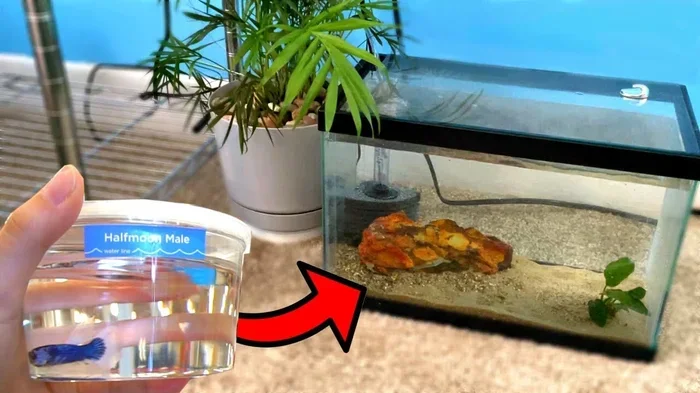
The single biggest mistake new betta owners make is using too small a container. Many pet stores sell bettas in tiny cups or bowls. This is not a suitable long-term home. A tank of at least 5 gallons is the minimum recommended size for a single betta. A larger tank, like a 10-gallon setup, gives your fish even more room to explore and stay active.
Small bowls may seem convenient, but they create unstable water conditions fast. Waste builds up quickly, temperature swings happen easily, and there is little room for beneficial bacteria to grow. If you want to give your betta the best life possible, invest in a proper tank. You can learn more about how to set up a fish tank for betta fish in our detailed guide.
Filtration and Heating Essentials
Betta fish need a filter, but they need one with gentle flow. Bettas are not strong swimmers, and a powerful filter can stress them out. Choose a sponge filter or adjust the flow on your filter so the water moves softly. The filter helps remove harmful toxins and keeps the water clean between water changes.
Heating is equally important. Bettas thrive in water temperatures between 76 and 82 degrees Fahrenheit. A small aquarium heater with a thermostat makes this easy to maintain. Room temperature water is almost always too cool for a betta. Without proper warmth, your fish can become sluggish, lose its appetite, and fall ill. A thermometer is a simple tool that helps you monitor the temperature every day.
Water Quality and Maintenance
Clean water is the single most important factor in betta health. Dirty water leads to stress, disease, and early death. Keeping your betta’s water clean does not have to be difficult, but it does need to be consistent.
How to Cycle Your Betta Tank
Before you add your betta to a new tank, you need to cycle it first. Cycling means growing beneficial bacteria that break down harmful substances like ammonia and nitrite. These toxins build up from fish waste and uneaten food. Without beneficial bacteria, they can reach deadly levels fast.
Cycling a tank takes about four to six weeks. You can speed up the process with bottled bacteria starters. Once the cycle is complete, your tank is a stable, safe home for your betta. Skipping this step is the number one cause of new fish losses. Patience here pays off enormously.
Regular Water Changes
Even with a cycled tank, regular water changes are essential. A 25 to 30 percent water change every week keeps the environment fresh and healthy. Use a gravel vacuum to remove debris from the substrate while you change the water.
Always treat new water with a water conditioner before adding it to the tank. Tap water contains chlorine and chloramine, which are harmful to bettas. How to do a water change for betta fish properly is one of the easiest ways to prevent health problems. You can read our full guide on how to do a water change for betta fish for step-by-step instructions.
Testing Water Parameters
Invest in a liquid test kit to check your water parameters regularly. You want to keep ammonia and nitrite at zero, and nitrates below 20 parts per million. pH should stay between 6.5 and 7.5. Testing takes only a few minutes each week, but it gives you a clear picture of what is happening in your tank. Catching a problem early can save your betta’s life.
Feeding Your Betta Fighting Fish
Diet plays a huge role in your betta’s health and lifespan. Bettas are carnivorous by nature. They need protein-rich food to thrive. Many generic fish foods are not enough to meet their nutritional needs. Choosing the right food and feeding it correctly makes a big difference.
Best Foods for Betta Fish
High-quality betta pellets should be the staple of your fish’s diet. Look for pellets with a high protein content and minimal fillers. Brands that list fish meal or whole ingredients near the top of the list are usually good choices. You can also offer variety with frozen or live foods like bloodworms, brine shrimp, and daphnia.
Variety keeps your betta interested in food and provides a wider range of nutrients. However, treats like bloodworms should only be given a few times a week. They are high in fat and should not replace a balanced staple diet. Overfeeding is one of the most common mistakes betta owners make. Excess food rots in the tank, fouling the water quickly.
Feeding Schedule and Portions
Feed your betta two small meals per day. Each meal should be about the size of your betta’s eye. Remove any uneaten food after a few minutes to keep the water clean. Some owners skip one day per week to give the digestive system a rest. This can help prevent constipation and bloating, which are common issues in bettas.
Watch your fish during feeding time. A healthy betta will eat eagerly and have a good appetite. If your fish stops eating or seems disinterested in food, it could be a sign of stress or illness. Pay attention to these changes and investigate further.
Common Health Issues and How to Prevent Them
Betta fish are hardy, but they are not immune to disease. Knowing the signs of common health problems helps you act quickly and give your fish the best chance of recovery. Prevention is always better than treatment, and a clean tank with stable conditions goes a long way.
Recognizing the Signs of Illness
Watch for these common warning signs in your betta:
- Clamped fins: Fins held close to the body instead of spread out.
- Loss of color: Fading or dull appearance.
- Loss of appetite: Refusing food for more than a day.
- Lethargy: Staying at the bottom or hiding more than usual.
- White spots: A sign of ich, a common parasitic infection.
- Bulging eyes: May indicate dropsy or a bacterial infection.
- Ragged fins: Could be fin rot or physical damage.
If you notice any of these symptoms, test your water parameters first. Poor water quality is the root cause of most betta health problems. If the water is clean and the symptoms persist, you may need to treat your fish with medication. How to care for sick betta fish requires patience and prompt action. Our guide on how to care for sick betta fish covers treatment options in detail.
Prevention Through Good Husbandry
The best medicine is prevention. Keep the water clean, maintain stable temperatures, and feed a balanced diet. Avoid overcrowding the tank, and be careful with tank mates. Bettas are generally solitary fish and can be aggressive toward other fish with bright colors or long fins. A peaceful community tank is possible, but it takes careful planning and the right species choices.
Creating a Comfortable and Enriching Environment
A bare-bottom tank with nothing in it is not a great home for a betta. These fish are curious and active. They enjoy exploring their surroundings, and a well-decorated tank reduces stress and encourages natural behavior.
Decorations and Plants
Live plants are excellent for a betta tank. They help filter the water, produce oxygen, and provide natural hiding spots. Plants like java fern, anubias, and Amazon sword grow well in betta tanks and require minimal care. If live plants are not an option, silk plants work well too. Avoid plastic plants with sharp edges, which can tear your betta’s delicate fins.
Add some caves, driftwood, or smooth rocks to give your betta places to explore and rest. Bettas love to rest on flat surfaces near the bottom of the tank. A gentle sponge filter with an air stone can provide a soft current that your betta will enjoy swimming through.
Lighting for Your Betta Tank
Betta fish do not need intense lighting. A standard LED aquarium light on a timer works well. Keep the light on for 8 to 10 hours per day. Too much light can stress your fish and encourage algae growth. A consistent day-night cycle helps your betta feel secure and maintain a healthy rhythm.
If you are wondering whether your tank light is too bright, bettas prefer moderate, soft lighting. Strong lights can make them feel exposed and anxious. Adjust the intensity or add floating plants to diffuse the light naturally.
Common Mistakes to Avoid
Even well-meaning betta owners make mistakes. Here are the most common ones to watch out for:
- Keeping your betta in a bowl: Bowls are too small to maintain stable water conditions. Always use at least a 5-gallon tank.
- Skipping the tank cycle: Adding your betta to an uncycled tank exposes it to toxic ammonia from day one.
- Overfeeding: Excess food pollutes the water fast. Feed small amounts twice a day and remove leftovers.
- Using cold tap water directly: Always condition and temperature-match water before adding it to the tank.
- Ignoring water changes: Even with a filter, weekly water changes are essential for removing accumulated waste.
- Adding aggressive tank mates: Fin-nippers and aggressive fish cause stress and physical harm to bettas.
Avoiding these mistakes puts you on the path to success. A little knowledge goes a long way when it comes to how to properly care for betta fish. Each step you take in the right direction adds to your betta’s quality of life and longevity.
Final Thoughts on Caring for Your Betta Fighting Fish
Caring for a betta fighting fish is a rewarding experience that brings beauty and calm to your home. These fish are more resilient than people think, but they still depend on you to provide a safe and healthy environment. When you get the basics right — proper tank size, clean water, stable temperature, and good nutrition — your betta will thrive.
Start with the essentials and build from there. You do not need to do everything at once. Focus on cycling your tank, maintaining water quality, and feeding a balanced diet. As you grow more confident, you can explore enriching decorations, live plants, and even breeding. The journey of caring for a betta is one of continuous learning and enjoyment.
Remember that every betta is an individual. Some are shy, some are bold. Some eat eagerly, while others are picky. Pay attention to your fish’s unique personality and adjust your care accordingly. The effort you put in will be repaid with years of color, movement, and companionship from your beautiful betta fighting fish.
Frequently Asked Questions
What is the best tank size for a betta fighting fish?
A 5-gallon tank is the minimum recommended size for a single betta. Larger tanks, like 10 gallons, provide even more stable water conditions and room for your fish to swim. Avoid keeping bettas in bowls or containers smaller than 3 gallons, as these make it very difficult to maintain water quality.
How often should I change my betta’s water?
Perform a 25 to 30 percent water change every week. This removes waste buildup and refreshes essential minerals in the water. Always treat new water with a conditioner and match the temperature before adding it to the tank. Consistent water changes are one of the most important parts of how to care for a betta fish properly.
Can betta fish live with other fish?
Bettas can sometimes live with peaceful, non-aggressive tank mates like corydoras or small tetras. However, avoid fish with bright colors or long fins, as bettas may see them as rivals. Always research compatibility carefully and provide plenty of hiding spaces to reduce tension in the tank.
What temperature should a betta tank be kept at?
Betta water temperature should stay between 76 and 82 degrees Fahrenheit. Use a reliable aquarium heater with a thermostat to maintain a stable temperature. Sudden temperature drops or swings can stress your betta and weaken its immune system, making it vulnerable to disease.
How do I know if my betta fish is happy?
A happy betta will have vibrant colors, spread fins freely, and show interest in food. It will swim actively around the tank and may build bubble nests at the surface. A healthy appetite, smooth movements, and curiosity about its environment are all signs of a content and well-cared-for betta.
What should I feed my betta fighting fish?
High-quality betta pellets should form the base of your fish’s diet. Supplement with frozen or live foods like bloodworms and brine shrimp a few times a week for variety. Avoid overfeeding, and remove any uneaten food within a few minutes. A balanced diet supports strong immunity, bright colors, and a long lifespan.