How to Buy a Good Betta Fish
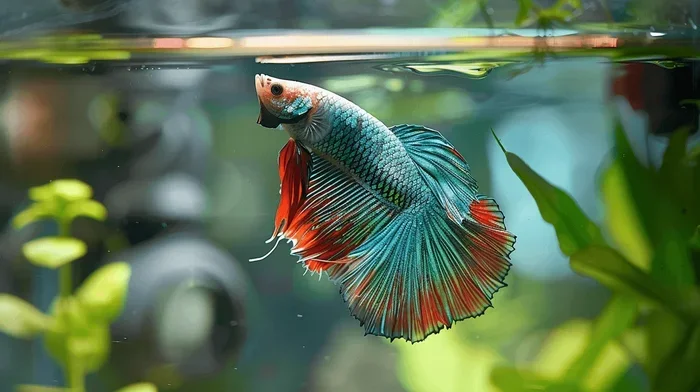
Buying a good betta fish starts with knowing what to look for. This guide covers everything from choosing a healthy fish at a store to setting up the right tank and water conditions. You will learn simple steps to bring home a happy, vibrant betta that thrives for years.
Key Takeaways
- Look for bright colors and active behavior: A healthy betta fish should have vivid colors and move around with energy.
- Check the fins and body carefully: Avoid fish with torn fins, bloating, or white spots on their body.
- Set up the tank before bringing your fish home: A proper betta fish tank with filtered water makes a huge difference.
- Buy from a reputable source: Whether online or in-store, choosing a trusted seller reduces health risks.
- Quarantine new fish before adding them to your main tank: This protects your existing fish from diseases like ich.
- Know the different betta varieties: Understanding veiltail, crowntail, and plakat types helps you pick the right fish.
- Water quality matters just as much as the fish itself: Proper betta fish water care starts the moment you bring your new pet home.
📑 Table of Contents
- How to Buy a Good Betta Fish: Your Complete Guide
- Understanding Betta Fish Before You Buy
- Where to Buy a Betta Fish
- What to Look for When Choosing Your Betta
- Setting Up the Right Home Before You Buy
- Bringing Your New Betta Fish Home
- Common Mistakes to Avoid When Buying a Betta Fish
- After the Purchase: Ongoing Care for Your New Betta
- Final Thoughts on How to Buy a Good Betta Fish
How to Buy a Good Betta Fish: Your Complete Guide
Buying a betta fish might seem simple on the surface. But picking out a healthy, happy fish takes a little know-how. Many people walk into a pet store and grab the first colorful fish they see. That approach often leads to disappointment. A sick fish can bring stress, extra costs, and heartbreak.
A good betta fish starts with knowing what healthy looks like. You need to check the colors, the fins, the behavior, and the environment the fish has been kept in. This guide walks you through every step of the process. By the end, you will feel confident choosing the perfect betta for your home.
How to buy a good betta fish is a question many new owners ask. The answer is simpler than you think. It all comes down to observation, preparation, and a little patience. Let us dive into the details.
Whether you are buying from a local fish store or browsing how to buy a betta fish online, the principles stay the same. You want a fish that is vibrant, alert, and free from disease. Let us break it all down.
Understanding Betta Fish Before You Buy
Before you visit a store or click “buy” online, it helps to know a bit about bettas. These beautiful fish are also called Siamese fighting fish. They come from warm, slow-moving waters in Southeast Asia. Understanding their natural habitat helps you pick a healthy fish and set up the right home.
Different Betta Varieties to Consider
Betta fish come in many shapes, colors, and tail types. Each variety has its own charm. Here are some popular types you might encounter:
- Veiltail: The most common type. Known for its long, flowing tail that hangs down like a veil.
- Crowntail: Has spiky, crown-like fins. Very popular among fish keepers.
- Plakat: Shorter fins and a more athletic build. Looks closer to wild bettas.
- Halfmoon: Tail spreads out to form a perfect half-circle. Stunning to look at.
- Double Tail: Has two separate tails instead of one. Rare and beautiful.
Knowing these varieties helps you make an informed choice. Some types need extra fin care. Others are hardier and better for beginners. Pick the one that fits your experience level and your setup.
What Makes a Betta Fish Healthy?
A healthy betta fish should have bright, vivid colors. The fins should be intact without tears or fraying. The body should be smooth and plump, not bloated or thin. The fish should respond to movement near the tank and swim actively.
Watch for these warning signs of an unhealthy fish:
- Faded or dull colors
- Clamped fins (fins held close to the body)
- White spots or fuzzy patches on the body
- Labored breathing or gasping at the surface
- Lethargy or refusal to eat
- Bulging eyes or swollen belly
If you notice any of these signs, look elsewhere. A healthy betta fish selection saves you time, money, and heartache down the road.
Where to Buy a Betta Fish
You have several options when it comes to buying a betta fish. Each option has its pros and cons. Let us look at the most common places people buy bettas.
Local Fish Stores
Local fish stores are often the best place to buy a betta in person. You can see the fish up close. You can check the water conditions in the store tanks. A good local store keeps their fish in clean, warm water. They also separate male bettas properly to prevent fighting.
When you visit a local store, watch how the staff treats the fish. Are the tanks clean? Is the water clear? Do the fish look active? These small details tell you a lot about the store’s care standards.
Online Retailers
Buying a betta fish online opens up more variety. You can find rare colors and tail types that local stores do not carry. But buying online comes with risks. The fish travels in a small bag. Stress during shipping can weaken the fish.
If you decide to buy online, choose a seller with strong reviews. Look for sellers who ship with heat packs and oxygenated bags. Read return policies carefully. A reputable seller will replace fish that arrive dead or sick.
Many people also ask, can I buy a good live betta fish online? The answer is yes, but only from trusted sources. Do your research before placing an order.
Big Box Pet Stores
Large chain pet stores are convenient. But the conditions for bettas are not always ideal. These stores often keep bettas in small cups with crowded conditions. The water quality may be poor. Fish kept in these conditions are more likely to be stressed or sick.
If you buy from a big box store, inspect the fish carefully. Choose a fish that looks bright and active. Avoid any fish kept in dirty or cloudy water. And ask the staff how often they change the water in the display cups.
What to Look for When Choosing Your Betta
This is the most important part of the whole process. Knowing what to look for separates a smart buyer from an unlucky one. Take your time and observe each fish before making a choice.
Check the Colors and Fins
A good betta fish should have vibrant, rich colors. The fins should be full and flowing without tears or nips. Bright reds, blues, greens, and purples are all desirable. Some bettas have beautiful patterns that combine multiple colors.
Look closely at the tail. A healthy tail should spread naturally. Avoid fish with torn or ragged fins. Small tears can heal, but大面积 damage may indicate poor care or disease.
Observe the Behavior
A healthy betta is an active fish. It should swim around the tank with purpose. It should respond when you tap gently on the glass or approach the tank. A betta that hides in the corner or sits at the bottom doing nothing may be sick or stressed.
Watch for flaring behavior too. Male bettas flare their fins when they see another male or their reflection. Some flaring is normal. But constant, exhausted flaring can be a sign of stress.
Examine the Body Shape
A healthy betta has a streamlined, slightly plump body. The scales should lie flat against the body. A bloated or thin body can signal digestive issues or malnutrition. Look for symmetry in the body. Unevenness or curves may indicate internal problems.
Also check the fins on both sides. They should match in size and shape. Uneven fins can result from injury or fin rot. A fish with fin rot needs treatment before it becomes a serious problem.
Know the Gender Before You Buy
Understanding the difference between male and female bettas helps you make better choices. Males have longer, more dramatic fins and brighter colors. Females have shorter fins and a small white spot called an egg spot on their underside.
If you plan to keep multiple bettas, knowing the gender is critical. Male bettas should never be housed together. They will fight, and the results can be fatal. Some people ask how to tell the gender of a betta fish before making a purchase. Getting this right prevents costly mistakes.
Setting Up the Right Home Before You Buy
One of the biggest mistakes new betta owners make is buying the fish before setting up the tank. A betta needs a proper home ready to go. This means the tank, filter, heater, and water are all prepared in advance.
Tank Size and Setup
A common myth says bettas can live in tiny bowls. This is simply not true. A betta fish tank should be at least 5 gallons. Larger tanks are even better. A bigger tank provides more stable water conditions and gives your fish room to swim.
Set up your tank with a gentle filter. Bettas prefer slow water flow because their long fins make them weak swimmers. A sponge filter works great for this. Add a heater to keep the water between 76 and 82 degrees Fahrenheit. Bettas are tropical fish and need warm water to stay healthy.
If you are new to fish keeping, check out how to set up a fish tank for betta fish for a detailed walkthrough. A proper setup before you bring your fish home makes all the difference.
Water Quality Matters
Clean water is essential for a healthy betta. Before you buy your fish, make sure you understand how to maintain good water quality. How to take care of betta fish water is a topic every owner should master. Regular water changes, proper cycling, and testing parameters keep your fish happy.
Betta fish prefer slightly acidic to neutral water with a pH between 6.5 and 7.5. The water should be free of chlorine and chloramine. Use a water conditioner every time you add new water to the tank.
Bringing Your New Betta Fish Home
The moment you bring your new betta home is exciting. But how you handle the transition matters a lot. A stressful move can weaken the fish and make it sick. Follow these steps for a smooth arrival.
The Acclimation Process
Do not dump the bag water directly into your tank. Instead, float the sealed bag in your tank for 15 to 20 minutes. This lets the water temperatures equalize. Then, slowly add small amounts of your tank water to the bag over the next 20 minutes.
After about 40 minutes total, use a net to gently transfer the fish into your tank. Discard the bag water. This slow process prevents shock from temperature or pH changes.
Quarantine Your New Fish
Quarantining a new betta is one of the smartest things you can do. Keep the new fish in a separate tank for two to four weeks. This lets you observe it for any signs of disease. If the fish gets sick, you treat it without risking your other fish.
Quarantine also reduces stress. The new fish gets time to adjust to its surroundings without competition or aggression from tank mates. Once the fish looks healthy and active, you can consider adding it to your main setup.
Common Mistakes to Avoid When Buying a Betta Fish
Even well-meaning buyers make mistakes. Here are the most common ones to watch out for:
- Buying the first fish you see: Always compare multiple fish before choosing. The best one might not be the first you look at.
- Ignoring the store conditions: A store with dirty tanks or sick fish is a red flag. The health of the store fish reflects how they are cared for.
- Skipping the tank setup: Never buy a betta before the tank is fully cycled and ready. A fish added to an unprepared tank can die within days.
- Overcrowding the tank: Bettas are territorial. Do not add too many fish to a small tank. A crowded tank causes stress and fights.
- Buying on impulse: Take your time. A rushed decision often leads to a sick fish and a disappointed owner.
- Neglecting water testing: Even after you bring your fish home, test the water regularly. Ammonia and nitrite spikes can be deadly.
Avoiding these mistakes puts you ahead of most new betta owners. Preparation and patience are your best tools.
After the Purchase: Ongoing Care for Your New Betta
Buying the fish is only the beginning. Keeping your betta healthy and happy requires ongoing attention. Here are a few things to focus on after the purchase.
Feed your betta a high-quality diet. Betta pellets are a great staple food. You can supplement with frozen or live foods like bloodworms and brine shrimp. Feed small amounts twice a day. Overfeeding is one of the most common mistakes new owners make.
Perform regular water changes. A 25 percent water change every week works well for a 5-gallon tank. Use a gravel vacuum to remove waste from the substrate. Clean water is the foundation of good betta fish care.
Watch your fish daily. Notice any changes in behavior, appetite, or appearance. Catching problems early makes treatment much easier. If you ever notice white spots, clamped fins, or loss of color, act quickly. Early intervention can save your fish’s life.
Remember that bettas can live three to five years with proper care. Some even live longer. Your commitment to good husbandry directly affects how long and how well your betta thrives.
Final Thoughts on How to Buy a Good Betta Fish
Buying a good betta fish is a rewarding experience when you do it right. Take the time to choose a healthy fish from a reputable source. Set up the proper tank and water conditions before the fish arrives. Observe carefully, avoid common mistakes, and commit to ongoing care.
A well-chosen betta fish brings beauty, calm, and joy to any home. The effort you put into selecting and caring for your fish pays off in a vibrant, active companion that can live for years. Follow the steps in this guide, and you will be well on your way to becoming a confident and successful betta fish owner.
Whether you are a complete beginner or looking to improve your setup, the principles remain the same. Choose wisely, prepare well, and care with intention. Your betta fish will thank you for it.
Frequently Asked Questions
How do I know if a betta fish is healthy before buying?
Look for bright colors, intact fins, and active swimming behavior. The fish should respond to movement and eat readily. Avoid any fish with faded colors, torn fins, white spots, or lethargy. These are signs of illness or poor care.
Can I buy a good betta fish online?
Yes, you can buy a good betta fish online if you choose a reputable seller. Look for sellers with strong reviews, proper shipping methods with heat packs, and clear return policies. Buying online gives you access to rarer varieties, but inspect the fish carefully when it arrives.
What size tank does a betta fish need?
A betta fish tank should be at least 5 gallons. Larger tanks provide more stable water conditions and room for your fish to swim. A 5-gallon tank is the minimum recommended size for a single betta fish to thrive long-term.
How can I tell if a betta fish is male or female?
Male bettas have longer, more colorful fins and a more streamlined body. Females have shorter fins and a small white egg spot on their underside. Knowing the gender helps you avoid housing two males together, which can lead to fatal fights.
What should I feed my new betta fish?
Feed your betta high-quality betta pellets as a staple. Supplement with frozen or live foods like bloodworms and brine shrimp a few times a week. Feed small amounts twice a day and avoid overfeeding, which can cause bloating and water quality issues.
How long do betta fish live with proper care?
With proper care, betta fish typically live three to five years. Some well-cared-for bettas live even longer. Regular water changes, a balanced diet, and a clean tank environment are the keys to maximizing your betta fish lifespan.