How to Bread Betta Fish

Learning how to bread betta fish is an exciting journey that requires patience, the right setup, and solid knowledge. This guide covers everything from choosing healthy fish and setting up a breeding tank to caring for fragile fry. You will walk away with practical steps you can use right away.
Breeding betta fish can feel overwhelming at first. But with the right approach, anyone can learn how to bread betta fish successfully. The process is fascinating to watch and deeply rewarding. You get to see new life enter your aquarium and raise tiny fry from day one.
This guide breaks everything down into simple, easy-to-follow steps. Whether you are a beginner or have some experience, you will find useful tips here. We cover tank setup, fish selection, the breeding process, and fry care. Let us dive right in.
Key Takeaways
- Choose healthy adults: Select a vibrant male and a well-conditioned female betta fish for the best breeding results.
- Tank setup matters: A properly heated and filtered breeding tank with gentle water flow makes all the difference.
- Water quality is critical: Use treated water at the right temperature to trigger natural spawning behavior.
- Watch for bubble nests: A male betta building a bubble nest is a clear sign he is ready to breed.
- Fry care requires attention: Feed baby betta fish tiny, frequent meals and keep the water clean.
- Avoid common mistakes: Do not overcrowd the tank or skip water preparation steps.
📑 Table of Contents
Understanding Betta Fish Breeding Basics
Before you start, it helps to understand the basics of betta fish breeding. Betta fish, also known as Siamese fighting fish, are bubble nest builders. The male creates a nest on the water surface using saliva and bubbles. The female releases eggs, and the male collects them to place in the nest.
Breeding betta fish requires specific conditions. The water must be warm, clean, and stable. Both the male and female need to be healthy and well-fed. Understanding betta fish behavior during breeding will help you spot the right signs early.
What You Need to Know About Betta Fish Spawning
Betta fish spawning happens when the female releases eggs and the male fertilizes them. This usually occurs in the early morning hours. The male wraps his body around the female to squeeze out the eggs gently. He then collects the eggs and places them in the bubble nest.
Not all betta fish will breed on command. Some pairs need time to get used to each other. Patience is key. Never force the process or keep fish together for too long if they show aggression.
Key Terms to Know
- Bubble nest: A cluster of bubbles the male builds to hold eggs.
- Spawning: The act of releasing and fertilizing eggs.
- Fry: Baby betta fish that hatch from eggs.
- Conditioning: Feeding fish high-quality food before breeding.
- Egg spot: A small white dot on the female’s belly that shows she is ready.
Setting Up the Breeding Tank
A proper breeding tank is the foundation of success. You cannot bread betta fish in a messy or cold tank. The environment needs to feel safe and calm for both fish.
Start with a tank that holds at least five gallons. A smaller tank makes it easier to monitor the fish. Use a sponge filter for gentle water flow. Strong filters can blow apart the bubble nest. Make sure the tank has a lid to keep humidity high, which helps the bubble nest stay intact.
Temperature and Water Conditions
The water temperature should sit between 78 and 82 degrees Fahrenheit. Use an aquarium heater to maintain a steady temperature. Sudden drops in heat can stress the fish and stop the breeding process.
Before adding any fish, prepare the water carefully. Use a water conditioner to remove chlorine and chloramine. Test the pH and aim for a range between 6.5 and 7.0. Clean, treated water gives your fish the best chance of spawning.
Tank Setup Checklist
- Five-gallon tank or larger
- Sponge filter with gentle flow
- Adjustable aquarium heater
- Thermometer to monitor temperature
- Soft lighting or dim conditions
- Floating plants or Styrofoam for bubble nest support
- Tightly fitting tank lid
Choosing the Right Male and Female Betta Fish
Picking the right fish is one of the most important steps. Not every betta fish pair will breed successfully. You need healthy, mature fish with good coloring and strong appetites.
Choose a male betta fish that is between four and twelve months old. He should build bubble nests regularly. Look for bright colors and flowing fins. A healthy male will show interest in the female by flaring and building nests.
The female should also be in great condition. She needs a visible egg spot on her underside. Knowing the age of a female betta fish helps you pick one that is mature enough to breed. She should be slightly smaller than the male and have a rounder belly.
Conditioning the Fish Before Breeding
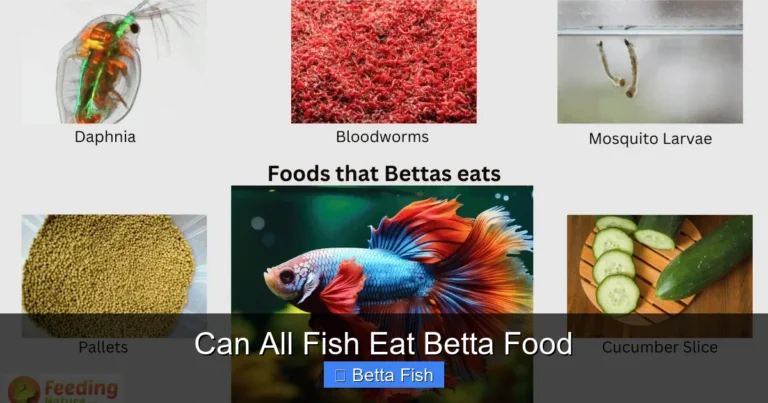
Conditioning means feeding both fish high-quality food for one to two weeks before breeding. Use live or frozen foods like brine shrimp and bloodworms. This boosts their nutrition and triggers breeding readiness.
Feed the fish two to three times a day in small amounts. Watch for signs of readiness. The female’s belly will swell, and the male will build more bubble nests. Once both fish look healthy and active, you are ready to introduce them.
The Breeding Process Step by Step
The actual breeding process is exciting but needs careful handling. Follow these steps to give your betta fish the best chance of success.
Step 1: Introduce the Fish Slowly
Place the male and female in the breeding tank using a clear divider or jar first. Let them see each other for one to two days. This helps them get used to each other without direct contact. Watch for signs of aggression. Some flaring is normal, but chasing or fin nipping means you need to separate them.
Step 2: Remove the Divider
If both fish seem calm, remove the divider. The male will start building or reinforcing his bubble nest. The female may show vertical stripes on her body, which means she is ready to spawn.
Allow the fish to interact naturally. The male will wrap around the female to collect eggs. This process may happen several times over a few hours. Do not disturb the tank during this time.
Step 3: Remove the Female After Spawning
Once the female stops releasing eggs, remove her from the tank immediately. The male becomes protective of the eggs and fry. He may harm the female if she stays too long. Use a soft net to transfer her to a separate container.
The male will now focus on tending the bubble nest. He will pick up any fallen eggs and place them back in the nest. Do not interfere with this process.
Step 4: Wait for the Eggs to Hatch
Betta fish eggs typically hatch within 24 to 48 hours. The male will continue to guard the nest and pick up any fry that fall. Keep the tank dim and quiet during this period. Avoid making sudden movements near the tank.
After hatching, the fry will absorb their yolk sacs for the first two to three days. They do not need food yet. Once the yolk sacs are gone, you will need to start feeding them.
Caring for Betta Fish Fry
Raising betta fish fry is a delicate task. The tiny babies need very specific care to survive. This is where many new breeders face challenges, so preparation is essential.
Feeding the Fry
Start feeding the fry within 24 hours after the yolk sacs disappear. Offer infusoria or liquid fry food as the first meal. As they grow, you can introduce baby brine shrimp and micro worms. Feed the fry small amounts three to four times a day.
Overfeeding is a common mistake. Uneaten food will dirty the water quickly and harm the fry. Remove any leftover food after each feeding session.
Water Maintenance for Fry
Keep the water clean by performing small, frequent water changes. Replace about 10 to 15 percent of the water every day. Use water at the same temperature as the tank. Maintaining warm water is especially important for young fry, as cold water can slow their growth.
A turkey baster works well for removing debris without sucking up the tiny fry. Be gentle and patient during water changes.
Growth and Development
Betta fish fry grow quickly in the first few weeks. You will start to see color appearing around four to six weeks old. By two months, the fry will begin to look like small versions of adult betta fish.
At around three months old, you can start separating the fry into individual containers. Males will become territorial and may fight each other. Each fry needs its own space to grow safely.
Common Mistakes to Avoid When Breeding Betta Fish
Even experienced breeders make mistakes. Knowing what to avoid will save you time, money, and heartbreak.
Skipping Water Preparation
Never skip the step of treating and conditioning the water. Tap water contains chemicals that can harm both adult fish and eggs. Always use a conditioner and let the water reach the right temperature before adding fish to the tank.
Using the Wrong Tank Size
A tank that is too large or too small can cause problems. A tank under five gallons makes it hard to maintain stable conditions. A tank over ten gallons may make it difficult for the male to find and tend the eggs. Stick to a five to ten gallon breeding tank for the best results.
Ignoring Aggression Between Fish
Some pairs simply do not get along. If the female is being chased relentlessly or the male shows extreme aggression, separate them immediately. Forcing a breeding attempt with an incompatible pair can lead to injury or death.
Overfeeding the Fry
Fry have tiny stomachs. Too much food will pollute the water and cause health issues. Feed small amounts frequently rather than one large meal. Watch the fry after feeding to make sure they are eating properly.
Not Having a Plan for the Fry
A single breeding pair can produce 50 to 300 fry. Before you start breeding, make sure you have a plan for caring for all of them. You can rehome excess fry to local fish clubs or online communities. Having a plan prevents overcrowding and keeps your fish healthy.
Key Takeaways
Breeding betta fish is a rewarding experience that teaches you a lot about fish care. The process requires attention to detail, patience, and a willingness to learn. Every breeding attempt gives you new knowledge and confidence.
Start with healthy fish, set up the right environment, and follow each step carefully. Do not get discouraged if your first attempt does not go perfectly. Breeding is a learning journey. Each cycle teaches you something new about your fish and their needs.
Remember that proper betta fish care before, during, and after breeding makes all the difference. Keep the water clean, the temperature stable, and the fish well-fed. With these foundations in place, you will be well on your way to successfully bread betta fish and raising healthy fry.
Take your time, enjoy the process, and celebrate every small success along the way. Happy breeding!
Frequently Asked Questions
How long does it take for betta fish eggs to hatch?
Betta fish eggs typically hatch within 24 to 48 hours after spawning. The male betta fish will guard the bubble nest and pick up any eggs that fall. Once hatched, the fry will absorb their yolk sacs for the first two to three days before needing external food.
Can you bread betta fish in a community tank?
No, breeding betta fish in a community tank is not recommended. The male betta fish may harm other fish, and the fry need very specific conditions to survive. Always use a separate breeding tank with controlled water parameters and gentle filtration for the best results.
What should I feed betta fish fry?
Start with infusoria or liquid fry food for the first week. After that, introduce baby brine shrimp and micro worms. Feed the fry small amounts three to four times a day. Overfeeding is one of the biggest risks to fry health, so remove uneaten food promptly.
How do I know if my female betta fish is ready to breed?
A ready female betta fish will show a visible egg spot on her underside and a rounder belly. She may also develop vertical stripes along her body. Her appetite should remain strong, and she should be active and responsive. Checking her age can also help confirm she is mature enough to breed.
Why did my male betta fish stop building a bubble nest?
Several factors can cause this. Stress, poor water quality, incorrect temperature, or an incompatible female may all be to blame. Make sure the water is warm and clean, and try introducing a different female. Sometimes giving the male a break and reconditioning him with good food helps restore his breeding behavior.
Is breeding betta fish profitable?
Breeding betta fish can be profitable if you raise rare or color morph varieties. However, it requires significant time, space, and resources. Most hobbyists breed betta fish for the love of the hobby rather than profit. The real reward is watching the full breeding cycle and raising healthy fry from start to finish.
=== CONCLUSION ===
Learning how to bread betta fish opens up a whole new world of aquarium keeping. From setting up the perfect breeding tank to caring for tiny fry, every step matters. Follow the guidelines in this guide, stay patient, and pay close attention to your fish.
The key to success lies in preparation and consistent care. Keep your water clean, your temperature stable, and your fish healthy. With time and practice, you will become confident in your ability to breed betta fish successfully. Enjoy the journey and the amazing results it brings.