How Old Is My Baby Betta Fish

Figuring out how old your baby betta fish is can feel tricky, but there are clear signs to look for. From size and color to fin development and behavior, each growth stage tells you something important about your fish’s age. This guide walks you through everything you need to know about baby betta fish age, growth patterns, and care tips to keep your little one healthy.
Key Takeaways
- Age can be estimated by size, color, and fin development: Baby bettas grow quickly and show visible changes every week.
- Newborn bettas are tiny: They start at just a few millimeters and grow to full size in a few months.
- Diet changes with age: Baby bettas need different food than adult bettas to support healthy growth.
- Water quality matters a lot: Keeping the tank clean and warm helps your baby betta thrive.
- Behavioral signs reveal age: Activity level, appetite, and social behavior shift as bettas mature.
- Knowing the age helps with care decisions: Feeding schedules, tank setup, and breeding plans all depend on age.
- Watch for health warning signs: If your baby betta looks unwell, check for common sickness symptoms early.
📑 Table of Contents
How Old Is My Baby Betta Fish?
So you just brought home a tiny betta fish, and you are wondering, how old is my baby betta fish? It is a great question, and one that many new fish owners ask. The truth is, figuring out the exact age of a betta fish is not always easy. But there are some reliable clues you can look for. Things like size, color, fin length, and behavior all give you hints about your fish’s age.
Understanding your baby betta fish age matters more than you might think. It affects what you feed them, how you set up their tank, and even how you keep them healthy. A young betta has very different needs than an adult. This guide breaks it all down in simple terms so you can give your little fish the best care possible.
Whether your betta came from a pet store or a breeder, knowing its age helps you plan ahead. You will learn what to expect at each stage and how to spot the differences between a newborn and a few-weeks-old fish. Let us dive right in.
Why Does Age Matter for Betta Fish?
Age shapes almost everything about your betta’s care. Young bettas grow fast and need more protein-rich food. They also need warmer water and very clean tanks. An older betta, on the other hand, may need softer food and a more stable environment. If you do not know the age, you might overfeed, underfeed, or miss early signs of illness.
Also, if you are planning to breed your fish, knowing the age is essential. Betta fish need to reach a certain maturity before breeding. Breeding too early can harm the fish and lead to weak fry. So age really is one of the most important pieces of the puzzle when it comes to betta care.
Baby Betta Fish Growth Stages
Betta fish go through several clear growth stages. Each stage comes with its own set of changes. Here is a simple breakdown of what to expect.
Stage 1: Newborn (0 to 2 Weeks Old)
When your betta fish is brand new, it is called a fry. At this stage, your baby betta is incredibly tiny, often less than a quarter of an inch long. They are almost transparent, which means you can see their little organs. They do not have full color yet, and their fins are just small nubs.
During this time, the fry live off their yolk sac. They do not need external food yet. After the yolk sac is absorbed, usually around day 3 to 5, you can start offering infusoria or very fine baby brine shrimp. Keep the water very clean and warm, around 80 to 82 degrees Fahrenheit.
Stage 2: Early Development (2 to 4 Weeks Old)
By week two, your baby betta fish starts to show some real color. The fins begin to grow longer, and the body becomes more defined. At this point, they are still very small, usually around a half inch long. They will start swimming more actively and hunting for food.
You can now feed them crushed betta pellets or microworms. Feed small amounts several times a day. Baby betta fish development at this stage is rapid, so you will notice changes almost every day. This is also when you should start thinking about moving them to their own small tank if they are not already.
Stage 3: Juvenile (4 to 8 Weeks Old)
Between four and eight weeks, your betta enters the juvenile stage. The colors become much more vibrant, and the fins look more like what you would expect from a betta. Males start to show off their long flowing fins, while females have shorter, more compact fins.
At this stage, your fish is about one inch long. They are eating regularly and swimming with more confidence. You can feed them small betta pellets or frozen bloodworms. This is also the stage where you can start to tell the gender of your fish more easily.
Stage 4:接近 Maturity (8 to 12 Weeks Old)
By around eight to twelve weeks, your betta is approaching full maturity. The colors are rich and bright, and the fins are fully developed. Males will start building bubble nests, which is a clear sign they are reaching breeding age.
At this point, your fish is about 2 to 3 inches long. You can switch to a regular adult feeding schedule, feeding once or twice a day. Betta fish growth stages are mostly complete by this time, though some fish may continue to fill out for a few more months.
How Big Should a Baby Betta Fish Be?
Size is one of the best clues for figuring out how old is my baby betta fish. Here is a simple reference table to help you estimate age based on size.
| Age | Size | What to Expect |
|---|---|---|
| 0 to 2 weeks | Less than 1/4 inch | Transparent body, tiny fin nubs, no color yet |
| 2 to 4 weeks | About 1/2 inch | Color starting to show, fins growing longer |
| 4 to 8 weeks | About 1 inch | Vibrant colors, defined fins, active swimmer |
| 8 to 12 weeks | 2 to 3 inches | Near full size, bubble nest building (males) |
| 3 to 4 months | 3 to 4 inches | Full adult size, mature coloring |
Keep in mind that every fish is different. Some bettas grow faster than others depending on genetics, diet, and water conditions. If your fish seems smaller than expected, do not panic. As long as they are eating well and active, they are probably just on their own timeline.
Signs Your Betta Fish Is Still a Baby
It is not always easy to tell if your fish is still young. Here are the most reliable signs that your betta is still in its baby phase.
- Bright, vivid colors that seem to change daily: Baby bettas often shift in color as they grow. If your fish looks different from last week, that is normal.
- Long, flowing fins that keep getting longer: Fin growth is one of the clearest age indicators. Babies have short fins that gradually become dramatic.
- Small body size under 2 inches: If your fish is still quite tiny, it is likely a juvenile.
- High energy and constant swimming: Young bettas are curious and active. They explore every corner of the tank.
- Frequent eating and quick digestion: Baby bettas have fast metabolisms and need to eat more often than adults.
- Bubble nest building in males: This is a sign of sexual maturity, which usually happens around 8 to 12 weeks.
If your fish shows none of these signs, it might be a young adult rather than a baby. That is perfectly fine too. The care is similar, just with slightly larger portions of food.
How to Care for a Baby Betta Fish
Caring for a young betta is a rewarding experience, but it does require some extra attention. Here is what you need to know.
Setting Up the Right Tank
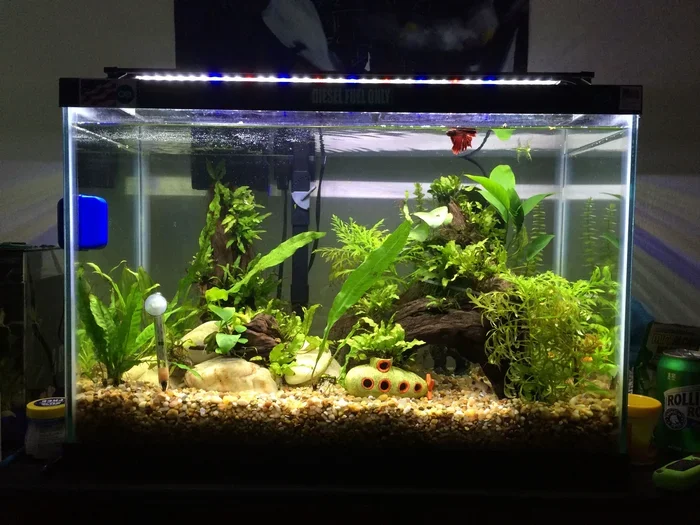
A baby betta needs a tank that is at least 5 gallons. Smaller tanks can cause stress and health problems. Make sure the water is warm, between 78 and 80 degrees Fahrenheit. Use a gentle filter to avoid strong currents that can tire out a small fish. Keeping the tank at the right temperature is one of the most important things you can do for a young betta.
Feeding Your Baby Betta
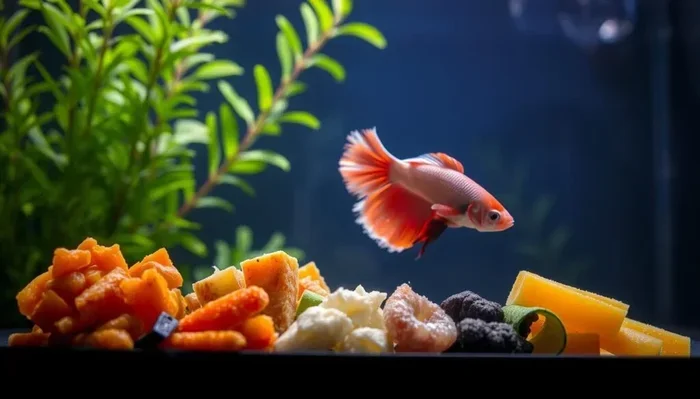
Young bettas need protein-rich food to grow properly. Offer small amounts of food 3 to 4 times a day. Good options include:
- Baby brine shrimp
- Crushed betta pellets
- Microworms
- Frozen bloodworms (thawed and chopped small)
Avoid overfeeding. Baby bettas have tiny stomachs, and excess food can dirty the water quickly. Remove any uneaten food after a few minutes. If you want more detailed feeding guidance, check out how to feed your betta fish properly.
Keeping the Water Clean
Clean water is essential for a growing betta. Do partial water changes of about 25% every week. Use a gentle siphon to avoid sucking up your small fish. Test the water parameters regularly, and make sure ammonia and nitrite levels stay at zero. Poor water quality is one of the leading causes of illness in young bettas.
If you notice your baby betta acting strangely, it could be a sign of stress or sickness. Learn how to spot early signs of illness so you can act fast and keep your fish healthy.
When Does a Betta Fish Stop Growing?
Most betta fish reach their full size by about 3 to 4 months old. At that point, they are typically 3 to 4 inches long. However, some bettas may continue to fill out and develop richer colors for up to 6 months.
After the growth slows down, your fish enters its adult phase. The care routine shifts slightly. You feed once or twice a day instead of multiple small meals. The tank can stay the same, but you might want to add more decorations and hiding spots since adult bettas like to explore.
If you are curious about how long your betta might live overall, check out how long a betta fish life span typically is. With good care, bettas can live 3 to 5 years, and sometimes even longer.
Quick Tips for Tracking Your Betta’s Age
- Take a photo every week to track color and size changes over time.
- Keep a simple log of feeding amounts and water changes.
- Compare your fish’s size to the growth table above.
- Watch for bubble nest building as a maturity sign in males.
- Ask the breeder or pet store for any records they might have.
Common Mistakes People Make with Baby Bettas
- Overfeeding: This is the number one mistake. Baby bettas only need tiny portions. Too much food leads to dirty water and health problems.
- Using too strong a filter: A powerful filter can create currents that exhaust a small betta. Use a sponge filter on low settings.
- Keeping them in too small a tank: Even babies need at least 5 gallons. Tiny bowls stunt growth and cause stress.
- Ignoring water changes: Young fish are more sensitive to water quality. Regular partial changes make a big difference.
- Not separating males early: Male bettas become territorial as they mature. Separate them before they start showing aggression.
Expert Insights on Betta Fish Age
Experienced betta keepers agree that age estimation is part science and part observation. While the growth stages give you a solid framework, every fish has its own personality and pace. Some bettas are fast growers and reach full size in just a couple of months. Others take their time and develop more slowly.
The key is to focus on health rather than exact age. A well-fed, active, and colorful betta is a happy betta, regardless of whether it is 4 weeks old or 4 months old. Pay attention to what your fish is telling you through its behavior, appetite, and appearance. That is the best age guide you will ever have.
If you ever notice your betta acting differently, such as not moving much or not eating, it is worth investigating further. Sometimes age-related changes can look like illness, and vice versa. Understanding why your betta is not moving can help you figure out whether it is a normal behavior or a cause for concern.
Final Thoughts
So, how old is my baby betta fish? By now, you have a clear picture of the answer. You know the growth stages, the size benchmarks, and the behavioral signs that tell you where your fish stands. You also know how to care for a young betta properly, from feeding to tank setup to water maintenance.
Remember, every betta fish is unique. Use the guidelines in this article as a general roadmap, but always trust your own observations. Your fish will show you what it needs if you pay attention. With the right care and a little patience, your baby betta will grow into a healthy, vibrant adult that brings joy to your home for years to come.
Start applying these tips today, and you will be well on your way to becoming a confident betta fish owner. Your little fish is lucky to have someone who cares enough to learn about its age and needs. That is the foundation of great fish keeping.
Frequently Asked Questions
How can I tell if my betta fish is still a baby?
Look for bright colors that change often, small body size under 2 inches, long fins that keep growing, and high energy levels. Baby bettas also eat frequently and have fast metabolisms. If your fish shows these signs, it is likely still in its juvenile or baby stage.
What should I feed a baby betta fish?
Feed baby bettas small amounts of protein-rich food 3 to 4 times a day. Good options include baby brine shrimp, crushed pellets, microworms, and thawed bloodworms. Always remove uneaten food to keep the water clean.
At what age do betta fish reach full size?
Most betta fish reach their full size of 3 to 4 inches by about 3 to 4 months old. Some may continue to develop richer colors and fill out for up to 6 months. Growth speed depends on genetics, diet, and water conditions.
Can I keep a baby betta fish in a small bowl?
No, even baby bettas need at least a 5-gallon tank. Small bowls limit growth, cause stress, and make it harder to maintain clean water. A properly sized tank with a gentle filter gives your baby betta the best start in life.
Why is my baby betta fish not eating?
Baby bettas may stop eating if the water is too cold, if they are stressed, or if they are not feeling well. Check the water temperature first, then look for other signs of illness. If the problem persists, consider consulting a fish health resource or vet.
How long do betta fish usually live?
With proper care, betta fish typically live 3 to 5 years. Some well-cared-for bettas can live even longer. Feeding a balanced diet, keeping the water clean, and maintaining stable temperatures all contribute to a longer, healthier life for your fish.