How Often Should You Feed a Femal Betta Fish
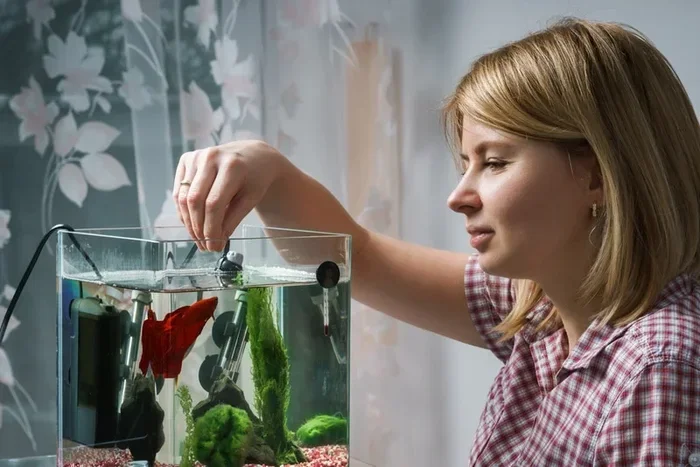
Knowing how often should you feed a femal betta fish is the key to keeping her healthy and happy. A female betta fish needs small meals one to two times a day, just like her male counterpart. The right feeding schedule prevents overfeeding, bloating, and water quality problems. This guide covers everything from portion sizes to the best food choices for your female betta.
Owning a female betta fish is a rewarding experience. These colorful little fish bring life and beauty to any aquarium. But one question every betta owner faces is figuring out the right feeding schedule. Many new fish keepers worry about whether they are feeding their betta enough — or too much. Understanding how often should you feed a femal betta fish makes all the difference in her health and longevity.
Unlike some pets, betta fish have small stomachs and simple dietary needs. You do not need complex equipment or expensive supplements. A basic routine of the right food at the right time keeps your female betta thriving. This guide walks you through everything you need to know about feeding your female betta fish the right way.
Key Takeaways
- Feed your female betta fish once or twice a day with small portions that she can eat in two minutes.
- Overfeeding is the most common mistake and can lead to serious health and water quality issues.
- A balanced diet of pellets, flakes, and occasional treats keeps your betta healthy and colorful.
- Watch for signs of overfeeding like bloating, lethargy, and uneaten food sinking to the bottom.
- Consistency matters more than quantity — a regular feeding schedule helps your betta thrive.
- Fasting one day a week can support your betta’s digestive health and prevent constipation.
- Adjust feeding based on your betta’s age, activity level, and water temperature for the best results.
📑 Table of Contents
Understanding Your Female Betta Fish’s Dietary Needs
Before you set a schedule, it helps to understand what your female betta fish actually needs to eat. Bettas are carnivorous fish by nature. In the wild, they eat small insects, larvae, and tiny crustaceans. This means their diet should be rich in protein. Female bettas have slightly different needs than males, but the core principles remain the same.
Why Diet Matters for Female Bettas
A proper betta fish diet supports vibrant colors, strong fins, and a healthy immune system. Poor nutrition leads to dull coloring, slow growth, and frequent illness. Your female betta also needs the right nutrients to maintain her energy levels and stay active. Fish feeding routine plays a huge role in her overall well-being. When you get the diet right, you will notice a big difference in her behavior and appearance.
Betta fish have a short digestive tract. This means they process food quickly and do not need large meals. Betta fish portion control is essential because their stomachs are roughly the size of their eye. Keeping this in mind helps you avoid the trap of overfeeding, which is the number one cause of health problems in captive bettas.
The Role of Protein in a Betta’s Diet
Protein should make up the bulk of your female betta’s meals. High-quality betta fish pellets are formulated to meet this need. Look for pellets where the first ingredient is whole fish or fish meal. Betta fish nutrition also benefits from occasional treats like bloodworms, brine shrimp, and daphnia. These provide variety and extra nutrients that pellets alone may not offer.
It is important to note that bettas are not omnivores. They do not need vegetables or plant-based foods as a staple. Some owners feed their bettas peas or lettuce, but these should only be occasional treats. Female betta care focuses on a meat-based diet that mirrors what they would eat in their natural habitat.
How Often Should You Feed a Female Betta Fish
The short answer is once or twice a day. This is the standard recommendation from most betta fish experts and experienced aquarists. But the full answer depends on a few factors like your betta’s age, activity level, and the temperature of her water. Let us break this down so you can find the perfect feeding frequency for betta fish in your home.
Feeding Schedule for Adult Female Bettas
For a healthy adult female betta, feeding once or twice daily works best. If you feed twice a day, give smaller portions at each meal. If you feed once, make sure the single meal is enough to satisfy her without overloading her stomach. Most experts recommend spacing meals about 12 hours apart if you feed twice daily.
How often to feed a betta fish can also depend on your lifestyle. If you prefer a simple routine, once a day is perfectly fine. Many experienced fish keepers feed their bettas in the morning and skip the evening meal. The key is consistency. Bettas thrive on routine, and a predictable fish feeding schedule reduces stress and improves appetite.
Feeding Schedule for Female Betta Fry and Juveniles
Young female bettas have different needs than adults. Baby betta fish need more frequent meals to support their rapid growth. Feed betta fry two to three times a day with very small portions. As they grow, you can gradually reduce the frequency. By the time they reach adulthood, the once or twice daily routine becomes the norm.
Juvenile bettas between three and six months old benefit from slightly more protein-rich food. This supports their development and helps build strong fins and vivid colors. How often should you feed a femal betta fish at this stage should be slightly more frequent than for adults, but always in small amounts.
How Water Temperature Affects Feeding Frequency
Water temperature plays a bigger role than most people realize. Bettas are tropical fish and need warm water between 76 and 82 degrees Fahrenheit. In warmer water, a betta’s metabolism speeds up, and she may need slightly more food. In cooler water, her metabolism slows, and she needs less.
If your tank is on the cooler side, consider feeding once a day. If it stays warm and stable, twice a day is ideal. Monitoring your tank temperature helps you adjust the feeding schedule naturally throughout the year.
How Much Food Is the Right Amount?
Knowing how often to feed is only half the battle. You also need to get the portion size right. How many pellets to feed a betta fish is a question many owners struggle with, and the answer is simpler than you think.
The Two-Minute Rule
The best guideline for portion control is the two-minute rule. Offer your female betta only as much food as she can eat within two minutes. Start with two to three pellets per feeding. If she finishes them quickly and still looks hungry, you can add one or two more. If food is left uneaten after two minutes, you have given too much.
Overfeeding a betta fish is easy to do, especially with pellets that expand in water. Uneaten food sinks to the bottom and decays, which spikes ammonia levels in the tank. This can make your betta sick and damage your filter. Keeping portions small protects both your fish and your water quality.
How Much Flakes Should You Feed?
If you use flakes instead of pellets, the portion size is a bit different. A pinch of flakes about the size of your fish’s eye is a good starting point. Betta fish flakes tend to dissolve faster than pellets, so your betta may eat more quickly. Watch her eat and remove any uneaten flakes within five minutes to keep the water clean.
Some owners mix pellets and flakes to add variety to their betta’s diet. This is fine as long as the total portion stays small. Variety in betta fish feeding keeps mealtime interesting and ensures a broader range of nutrients.
How Often Should You Feed Betta Fish Treats
Treats like bloodworms, brine shrimp, and daphnia should be given in moderation. These are high in protein and make excellent betta fish supplements. However, they should not replace your betta’s staple diet. Offer treats two to three times a week as a special addition to her regular meals.
Live or frozen treats are better than freeze-dried options because they retain more nutrients and moisture. If you use freeze-dried treats, soak them in tank water for a few minutes before feeding. This prevents them from expanding inside your betta’s stomach, which can cause bloating and discomfort.
Best Foods for Your Female Betta Fish
Not all fish food is created equal. The quality of food you choose directly impacts your betta’s health, color, and lifespan. Let us look at the best options for feeding your female betta.
High-Quality Betta Pellets
Betta pellets are the foundation of a good diet. Look for pellets specifically formulated for bettas. These should list whole fish or fish meal as the first ingredient. Avoid pellets that are filled with fillers like wheat flour or corn starch. Good pellets float, which suits bettas perfectly since they are surface feeders.
When you first introduce a new brand of pellets, watch your betta closely. Some fish are picky eaters and may need time to adjust. You can also try soaking pellets for a few seconds before feeding to help them sink slightly if your betta prefers eating at mid-level.
Freeze-Dried and Frozen Foods
Freeze-dried bloodworms and frozen brine shrimp are excellent supplements. They are packed with protein and most bettas love them. Use these as treats rather than staple food, since they lack the full range of nutrients your betta needs daily. Betta fish feeding guide experts recommend keeping treats to no more than 10 percent of the total diet.
Live Foods for Bettas
Live foods are the closest thing to what bettas eat in the wild. Mosquito larvae, daphnia, and small worms are all great options. Live foods encourage natural hunting behavior and provide excellent nutrition. However, they can carry parasites or bacteria if not sourced from a reputable supplier. Betta fish health depends partly on the safety of the food you offer.
Flakes vs. Pellets: Which Is Better?
Both flakes and pellets can work well for bettas. Pellets are generally preferred because they hold their shape better and do not cloud the water as quickly. Flakes are convenient and widely available, but they can lose nutritional value once the container is opened. Comparing betta food options shows that pellets tend to be the more reliable choice for most owners.
Common Feeding Mistakes to Avoid
Even the best intentions can lead to mistakes when feeding your betta fish. Here are the most common errors and how to avoid them.
Overfeeding
This is the number one mistake new betta owners make. It is easy to think your fish is hungry every time you look at the tank. But bettas are opportunistic eaters and will beg for food even when they are full. Can you feed a betta fish too much? Absolutely, and the consequences are serious. Overfeeding leads to bloating, constipation, swim bladder issues, and poor water quality from uneaten food.
A good rule of thumb is to skip a feeding if you are unsure. Bettas can easily go 24 hours without food without any harm. In fact, a weekly fasting day can benefit their digestive system and help prevent constipation.
Feeding the Wrong Foods
Not all fish food is suitable for bettas. Goldfish food, tropical flakes meant for community tanks, and human food like bread or crackers can harm your betta. Can you feed a betta fish goldfish food? No, it lacks the protein bettas need and can cause nutritional deficiencies. Stick to foods specifically designed for bettas to ensure proper betta fish nutrition.
Inconsistent Feeding Times
Irregular feeding schedules can stress your betta and disrupt her natural rhythms. Try to feed your fish at the same times every day. This helps regulate her appetite and makes it easier to monitor how much she is eating. Consistent betta fish care includes a reliable feeding routine that your fish can count on.
Ignoring Uneaten Food
Leaving uneaten food in the tank is a quick path to poor water quality. Decaying food releases ammonia and nitrites that are toxic to your betta. Always remove any uneaten food within five minutes of feeding. A small net or turkey baster works great for this task. Keeping the tank clean between water changes starts with proper feeding habits.
Signs You Are Feeding Your Female Betta Correctly
How do you know if your feeding approach is working? A well-fed female betta shows clear signs of good health. Here is what to look for.
First, your betta should have a healthy appetite. She should eat eagerly when food is offered and finish within two minutes. Second, her body should look plump but not bloated. A healthy betta has a smooth, rounded body without any distension or swelling. Third, her colors should be vibrant and her fins should be flowing and intact.
Watch her behavior too. A well-fed betta is active and curious. She explores her tank, builds bubble nests, and responds to your presence. If your betta seems lethargic, refuses food, or has a swollen abdomen, it may be time to reassess your feeding habits. Adjusting portions or frequency can often resolve these issues quickly.
Betta fish care also includes regular observation. Spend a few minutes each day watching your fish during feeding time. This helps you catch any changes in appetite or behavior early, which makes treatment easier if something goes wrong.
Conclusion
How often should you feed a femal betta fish is a simple question with a straightforward answer: once or twice a day with small portions. The right feeding schedule combined with high-quality food and careful portion control keeps your female betta healthy, colorful, and active. Remember to avoid overfeeding, offer variety, and stay consistent with your routine. Your betta fish depends on you for her meals, and getting it right is one of the best things you can do for her well-being. Start with the tips in this guide and watch your female betta thrive.
Frequently Asked Questions
How many times a day should I feed my female betta fish?
Feed your female betta fish once or twice a day with small portions. If feeding twice, space the meals about 12 hours apart. Each meal should be small enough that your betta can finish it within two minutes.
Can I feed my female betta fish every other day?
Feeding every other day is not recommended for adult female bettas. They need daily nutrition to maintain their health and energy levels. However, a once-weekly fasting day can be beneficial for digestion.
What happens if I overfeed my female betta fish?
Overfeeding causes bloating, constipation, and swim bladder problems in bettas. Uneaten food also decays in the tank, which spikes ammonia levels and can make your fish seriously ill. Always feed small portions and remove any leftovers.
Is it okay to feed my female betta fish only pellets?
Pellets can form the base of a healthy diet, but adding variety with occasional treats like bloodworms or brine shrimp is beneficial. A mix of pellets and supplemental foods ensures your betta gets a broader range of nutrients.
How do I know if my female betta fish is eating enough?
A healthy female betta eats eagerly, finishes her food within two minutes, and maintains a plump, smooth body shape. Her colors should be vibrant and she should be active and alert. Changes in appetite are an early sign to watch for.
Should I change the amount I feed based on water temperature?
Yes, warmer water increases your betta’s metabolism, which may mean slightly more food. Cooler water slows her metabolism, so you should reduce portions. Keeping the tank at a stable 76 to 82 degrees Fahrenheit helps maintain a consistent feeding routine.