How Much Water Does a Male Betta Fish Need

A male betta fish needs at least 5 gallons of water to live a healthy, happy life — smaller tanks lead to stress and illness. Proper water volume helps maintain stable temperature, supports beneficial bacteria, and gives your betta room to swim and explore. Understanding how much water your betta needs is the single most important step in keeping your fish vibrant and active for years to come.
How Much Water Does a Male Betta Fish Need
If you have a male betta fish at home, you might wonder about the right amount of water for him. How much water does a male betta fish need? The answer isn’t as simple as just filling a bowl. Your betta needs enough space to swim, explore, and stay healthy. Getting the water volume right is one of the most important parts of betta fish care. In this guide, I’ll walk you through everything you need to know about tank size, water quality, and setup so your fish thrives.
Many people still believe bettas can live in tiny cups or bowls. That idea is outdated and harmful. A male betta needs a properly sized aquarium with clean, warm water. When you get the water volume correct, you create a happy, stress-free environment. This leads to better color, more energy, and a longer betta fish lifespan. Let’s dive into the details.
Key Takeaways
- Minimum 5 gallons: A single male betta fish needs at least a 5-gallon tank to thrive.
- Larger is better: Bigger tanks make water maintenance easier and significantly improve your betta’s health.
- Weekly water changes: Replace 25-30% of the water each week to keep the environment clean.
- Use water conditioner: Always treat tap water to remove harmful chlorine and chloramine before adding it.
- Keep temperature stable: Maintain water temperature between 76-82°F for optimal male betta health and activity.
- Avoid small bowls: Tiny containers and overcrowding drastically shorten a male betta fish lifespan.
📑 Table of Contents
The Ideal Water Volume for a Male Betta Fish
So, what is the minimum amount of water your male betta really needs? The short answer is that a 5-gallon tank is the smallest recommended size for a single male betta. However, bigger is always better. A 10-gallon tank gives your fish more room to swim and explore, which reduces stress and promotes natural behavior.
The reason water volume matters so much comes down to water quality. In a small tank, toxins like ammonia and nitrates build up fast. Even with a good filter, you’ll need to perform frequent water changes. In a larger tank, the water stays more stable, and your betta stays healthier. Think of it this way: more water means a bigger buffer against mistakes.
Minimum vs. Recommended Tank Size
Here is a quick comparison of common tank sizes for male bettas:
- 1-gallon bowl: Not recommended. Too small for long-term health.
- 3-gallon tank: Bare minimum. Only suitable with very frequent maintenance.
- 5-gallon tank: The minimum standard for a healthy male betta.
- 10-gallon tank: Recommended. Gives your fish room to thrive.
- 20-gallon tank: Ideal if you want to add peaceful tank mates.
When you ask how much water does a male betta fish need, the 5-gallon mark is the starting point. But if you have space for a 10-gallon tank, your betta will thank you with vibrant colors and lively behavior.
Why Tank Size Matters for Your Betta
Tank size affects more than just how much water your betta swims in. It impacts every aspect of his daily life, from stress levels to feeding routines. Many new fish owners make the mistake of choosing the smallest tank possible. This can lead to health problems and a shorter life for your fish.
Swimming Space and Natural Behavior
Male bettas are active swimmers. In the wild, they live in rice paddies, slow-moving streams, and floodplains. They need enough room to swim freely from one end of their habitat to the other. A cramped tank restricts this natural movement and can cause your betta to become lethargic or depressed.
A larger tank also gives your fish places to explore. You can add plants, caves, and other decorations that mimic his natural betta habitat. These enrichments keep him mentally stimulated and reduce boredom. Without enough swimming space, even the most colorful betta will fade and lose interest in his surroundings.
The Nitrogen Cycle and Water Stability
Larger water volumes make it easier to maintain the nitrogen cycle. This is the biological process that breaks down harmful waste in your tank. In a small tank, a single mistake, like overfeeding, can spike ammonia levels dangerously fast. In a bigger tank, the same mistake has a much smaller impact because the waste gets diluted across more water.
This is why understanding how much water does a male betta fish need goes hand in hand with understanding the nitrogen cycle. A 5-gallon tank or larger gives you a stable environment where beneficial bacteria can establish and do their job properly. You can learn more about maintaining water quality in our guide on how to take care of a betta male fish.
Water Quality and Parameters
Volume alone won’t keep your betta healthy. You also need to maintain proper water parameters. Even in a perfectly sized tank, poor water quality can make your fish sick. Let’s look at the key factors you need to monitor.
Temperature Requirements
Male bettas are tropical fish and need warm water to stay healthy. The ideal temperature range is between 78°F and 80°F (25°C to 27°C). Cold water slows down their metabolism and weakens their immune system. Too-hot water can cause stress and oxygen depletion.
Invest in a reliable aquarium heater and a thermometer. Check the temperature daily, especially during seasonal changes. For a deeper dive into temperature specifics, see our article on what temp water does a betta fish need. Keeping the water temperature stable is just as important as hitting the right number.
pH and Hardness
Betta fish prefer slightly acidic to neutral water. Aim for a pH between 6.5 and 7.5. Water hardness should be moderate, around 3 to 4 dGH. Most tap water in the United States falls within these ranges, but it is always a good idea to test your water before adding it to the tank.
You can pick up a simple water test kit at any pet store. Test your water weekly to catch any imbalances early. Small shifts in pH or hardness might not seem like a big deal, but over time they can wear down your fish’s health and shorten his betta fish lifespan.
Ammonia, Nitrite, and Nitrate Levels
These three compounds are the backbone of aquarium water quality. Ammonia and nitrite are toxic to bettas, even in small amounts. Nitrate is less harmful but should still stay below 20 ppm (parts per million). A fully cycled tank will convert ammonia into nitrite and then into nitrate through beneficial bacteria.
Keep ammonia and nitrite at zero at all times. Aim for nitrate below 10 ppm for the best results. Regular water changes are the primary way to control these levels. If you are unsure how to do this properly, check our guide on how to change a betta fish water for step-by-step instructions.
Setting Up the Perfect Tank for a Male Betta
Now that you know the right water volume and parameters, let’s talk about setting up the tank. A good setup makes maintenance easier and keeps your betta happy and healthy.
Filtration
Yes, bettas can live without a filter, but a filter makes a huge difference. A gentle sponge filter is the best choice for male bettas. It provides biological filtration without creating strong water flow. Bettas are slow swimmers and hate being pushed around by powerful currents.
When choosing a filter, look for one rated for at least double your tank size. So if you have a 5-gallon tank, choose a filter rated for 10 gallons. This allows you to turn the flow down to a gentle level. The filter helps maintain water quality between water changes, which means less work for you and a healthier environment for your fish.
Heating
As mentioned earlier, a heater is essential for male bettas. Choose an adjustable heater with a built-in thermostat. A 25-watt heater works well for 5-gallon and 10-gallon tanks. For larger tanks, you may need a 50-watt heater.
Place the heater near the filter output so the warm water circulates evenly. Avoid placing it right next to the thermometer, as this can give you a false reading. Consistent water temperature is one of the easiest ways to support your betta’s immune system and overall health.
Decorations and Plants
Your tank setup should include plenty of hiding spots and plants. Live plants are ideal because they absorb nitrates and produce oxygen. Silk plants are a good alternative if you are not ready to care for live plants. Avoid sharp plastic decorations that can tear your betta’s delicate fins.
Add a few caves or hiding spots where your fish can rest. Bettas love to claim territory, and having plenty of cover helps reduce aggression and stress. A well-decorated tank also looks beautiful and makes you proud of your betta tank setup.
Common Mistakes People Make With Betta Water
Even experienced fish keepers sometimes make mistakes when it comes to water volume and maintenance. Here are the most common errors I see, along with tips on how to avoid them.
Using a Bowl or Vase
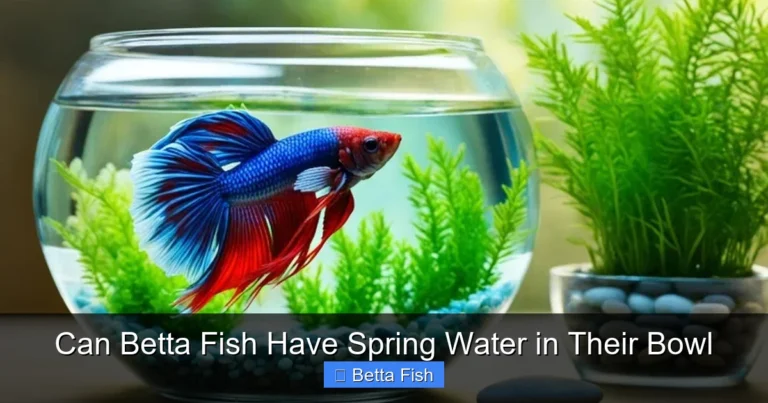
This is the number one mistake. Bowls and vases look cute, but they offer almost no room for your betta to thrive. The tiny water volume means toxins build up instantly. Your fish may survive for a while in a bowl, but his quality of life will be poor, and his lifespan will likely be much shorter than it could be.
If you currently keep your betta in a bowl, consider upgrading to at least a 5-gallon tank. The difference in your fish’s behavior and appearance will surprise you.
Overcrowding the Tank
Some people think adding more fish to a betta tank makes it more interesting. But male bettas are territorial and aggressive toward other bettas. They can also stress out smaller, colorful fish that resemble them. Stick to one male betta per tank unless you have a large aquarium with careful planning.
If you want to add tank mates, research carefully and choose peaceful species that enjoy similar water conditions. A 10-gallon tank or larger gives you more options for safe companions.
Skipping Water Changes
No matter how big your tank is, you still need regular water changes. Even the best filter cannot remove all dissolved waste. Plan to change 20 to 30 percent of the water every week for a cycled tank. For smaller tanks, you may need to change water more frequently.
Always use a water conditioner to remove chlorine and chloramine from tap water before adding it to the tank. These chemicals are harmless to humans but toxic to fish. Learn the proper technique in our article on how to do a water change for a betta fish.
Maintaining Clean Water Over Time
Once your tank is set up, the work is not done. Consistent maintenance is what keeps your male betta healthy for years. A routine makes this easy and prevents problems before they start.
Weekly Maintenance Routine
Here is a simple weekly routine to keep your tank in great shape:
- Test the water for ammonia, nitrite, nitrate, and pH.
- Remove 20 to 30 percent of the water using a gravel vacuum.
- Replace the removed water with treated, temperature-matched water.
- Check the heater and filter to make sure everything is working.
- Wipe down the inside glass to remove algae buildup.
- Feed your betta a small amount of high-quality food.
Sticking to this routine takes only about 15 to 20 minutes per week. Over time, it becomes second nature. Consistent maintenance is the secret to a thriving betta habitat and a happy fish.
Recognizing Signs of Poor Water Quality
Your betta will tell you when something is wrong with the water. Watch for these warning signs:
- Clamped fins or staying in one spot
- Loss of color or faded appearance
- Refusing to eat
- Gasping at the water surface
- White spots or unusual growths on the body
If you notice any of these symptoms, test your water immediately. In most cases, a water change and parameter adjustment will resolve the issue quickly. Catching problems early is the key to protecting your fish.
When to Upgrade Your Tank
As your confidence grows, you may want to upgrade to a larger tank. A 10-gallon or 20-gallon tank opens up new possibilities for aquascaping and tank mates. A bigger tank also requires less frequent maintenance because the water stays more stable.
If you are wondering about the right tank size for your situation, read our detailed guide on how big does a betta fish tank need to be. It covers everything from starter tanks to advanced setups.
Final Thoughts on Water Volume for Male Bettas
Getting the right amount of water for your male betta is the foundation of proper fish care. A 5-gallon tank is the minimum, but a 10-gallon tank gives your fish a much better quality of life. Beyond volume, you need to maintain proper water parameters, including temperature, pH, and ammonia levels. Regular water changes and consistent maintenance keep the environment safe and stable.
Remember that how much water does a male betta fish need is not just about the number on the tank label. It is about creating a healthy, enriching space where your fish can swim, explore, and thrive. Take the time to set up your tank correctly, stay on top of maintenance, and you will be rewarded with a beautiful, active betta that brings joy to your home for years to come.
If you are just starting out or looking to improve your current setup, every small step counts. Upgrade your tank, invest in a good filter and heater, and commit to a weekly routine. Your male betta deserves the best, and now you have the knowledge to give it to him.
Frequently Asked Questions
How Much Water Does a Male Betta Fish Need?
A male betta fish needs at least 5 gallons of water to thrive and stay healthy. This amount gives him enough room to swim, explore, and establish his territory comfortably. While some people keep bettas in smaller bowls, a 5-gallon tank is the minimum recommended size for long-term health.
Can a Male Betta Fish Live in a Small Bowl?
Technically yes, but a small bowl is not ideal for a male betta fish. Bowls under 3 gallons restrict movement, cause stress, and make it harder to maintain stable water conditions. A larger tank with proper filtration will help your betta live a longer, happier life.
How Often Should You Change the Water in a Male Betta Fish Tank?
You should do a 25-30% water change every week for a male betta fish tank. This routine helps remove waste, excess food, and harmful chemicals that build up over time. Always use a water conditioner to neutralize chlorine and chloramine before adding fresh water.
What Size Tank Is Best for a Male Betta Fish?
A 5-gallon tank is the sweet spot for most male betta fish, but bigger is always better. Tanks between 5 and 10 gallons give your betta plenty of space to swim and explore. Larger tanks also make it easier to keep water parameters stable and balanced.
Does a Male Betta Fish Need a Filter?
Yes, a male betta fish benefits greatly from a gentle filter in the tank. Filters help remove harmful toxins and keep the water clean between water changes. Just make sure the filter flow is not too strong, since bettas prefer calm water.
How Much Water Should a Male Betta Fish Tank Hold?
A male betta fish tank should hold a minimum of 5 gallons of water. This is the standard recommendation from most aquarium experts and pet stores. Keeping your betta in a properly sized tank reduces stress and supports his overall well-being.