Can Betta Fish Eat Carrots
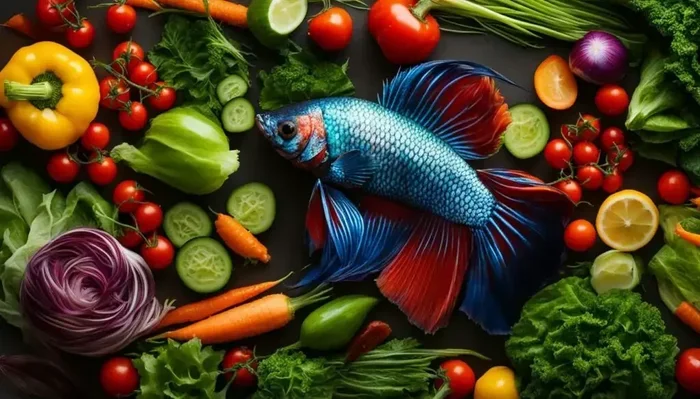
Yes, betta fish can eat carrots in small amounts. Carrots offer valuable nutrients like beta carotene and fiber that support your betta’s health. Always cook and soften carrots before feeding, and offer them as an occasional treat rather than a staple food.
Key Takeaways
- Carrots are safe for betta fish: When prepared correctly, carrots make a healthy occasional treat for your betta.
- Cook carrots before feeding: Raw carrots are too hard and can cause choking or digestive issues.
- Beta carotene is a key benefit: This nutrient supports your betta’s coloration and overall immune health.
- Feed in moderation: Carrots should only be a small part of your betta’s diet, not the main course.
- Watch for overfeeding signs: Uneaten carrot pieces can dirty the tank, so remove leftovers promptly.
- Variety matters: Combine carrots with other vegetables and proteins for a balanced betta fish diet.
📑 Table of Contents
- Can Betta Fish Eat Carrots? The Complete Guide
- Nutritional Benefits of Carrots for Betta Fish
- How to Safely Prepare Carrots for Your Betta
- How Often Should You Feed Carrots to Your Betta?
- Other Vegetables Your Betta Can Eat
- Common Mistakes When Feeding Vegetables to Bettas
- Signs Your Betta Is Enjoying and Tolerating Carrots Well
- Can Betta Fish Eat Carrots? Final Verdict
Can Betta Fish Eat Carrots? The Complete Guide
Many betta fish owners wonder whether can betta fish eat carrots. The short answer is yes. Carrots are safe for bettas and can add valuable nutrients to their diet. But there’s more to it than just tossing a carrot chunk into the tank.
Bettas are omnivorous fish that need a mix of protein and plant matter to stay healthy. In the wild, they eat small insects, larvae, and bits of plant material. Carrots can complement this natural diet when prepared the right way. They are not a replacement for high-quality betta pellets or flakes, but they work well as an occasional supplement.
This guide covers everything you need to know about feeding carrots to your betta. You will learn about the nutritional benefits, the right preparation methods, how often to feed them, and what mistakes to avoid. Whether you are a new betta owner or a seasoned hobbyist, you will find practical tips here.
Nutritional Benefits of Carrots for Betta Fish
Carrots bring a lot to the table when it comes to betta fish nutrition. Let us break down what makes this vegetable a good treat option.
Beta Carotene and Color Enhancement
Carrots are rich in beta carotene, which is a natural pigment that can enhance your betta’s colors. Bettas are already known for their vibrant reds, blues, and greens. Feeding small amounts of beta carotene-rich foods can make those colors pop even more. This is one of the main reasons aquarists turn to carrots as a supplement.
Fiber for Digestive Health
Carrots contain a fair amount of dietary fiber. Fiber helps your betta’s digestive system run smoothly. It can prevent constipation, which is a common issue in bettas that eat too many dry foods. A healthy digestive system means better nutrient absorption and overall well-being for your fish.
Vitamins and Minerals
Carrots also provide important vitamins and minerals. These include:
- Vitamin A: Supports eye health and immune function.
- Vitamin K: Helps with blood clotting and bone health.
- Potassium: Aids muscle function and heart health.
- Vitamin C: Boosts the immune system and reduces stress.
While bettas get most of their nutrients from their regular pellets or flakes, adding small amounts of carrot can fill in nutritional gaps. Think of it as a healthy snack rather than a meal replacement.
How to Safely Prepare Carrots for Your Betta
Preparing carrots correctly is essential. Raw carrots are too hard for bettas to chew or digest. Follow these steps to make carrots safe and appealing for your fish.
Step 1: Choose the Right Carrot
Pick a fresh, organic carrot if possible. Organic carrots have fewer pesticide residues, which is safer for your fish. Wash the carrot thoroughly under running water to remove any dirt or chemicals.
Step 2: Cook the Carrot
Boil or steam the carrot until it is very soft. You should be able to easily pierce it with a fork. Cooking breaks down the tough cell walls in the carrot, making it much easier for your betta to eat. Avoid adding any salt, oil, or seasoning during cooking.
Step 3: Cut Into Small Pieces
Once the carrot is cooked and cooled, cut it into tiny pieces. Bettas have small mouths, so the pieces should be no bigger than a grain of rice. Very small strips or thin rounds work best. You can also mash a small piece of soft carrot into a paste if your betta seems hesitant.
Step 4: Feed in Moderation
Drop one or two small pieces into the tank. Watch your betta eat. Remove any uneaten portions after a few hours. Uneaten vegetables can decompose quickly and raise ammonia levels in the water, which is harmful to your fish.
Quick Tips for Preparation
- Always let cooked carrots cool to room temperature before adding them to the tank.
- Start with a tiny amount to see how your betta reacts.
- Peel the carrot to remove the outer skin, which can be tough to digest.
- Blanching works too: Briefly soaking the carrot in hot water can soften it enough for feeding.
How Often Should You Feed Carrots to Your Betta?
Carrots should be treated as an occasional treat, not a daily staple. A good rule of thumb is to offer carrot once or twice a week. This gives your betta the benefits without overwhelming their digestive system.
Here is a simple feeding schedule you can follow:
- Monday: Regular betta pellets or flakes.
- Wednesday: A small piece of cooked carrot.
- Friday: Regular pellets or flakes.
- Sunday: Another small piece of cooked carrot or a different vegetable like zucchini.
Remember that bettas have small stomachs. Overfeeding, even with healthy vegetables, can lead to bloating and other health issues. Always remove uneaten food promptly to keep your tank water clean.
Other Vegetables Your Betta Can Eat
Carrots are not the only vegetable that works well for bettas. If your fish enjoys carrot, you can rotate in other safe options too. Adding variety keeps mealtimes interesting and provides a wider range of nutrients.
Some great vegetable options include:
- Zucchini: Soft and easy to digest. Slice it thin and cook it until tender.
- Spinach: Rich in iron and vitamins. Blanch briefly and offer a small leaf.
- Peas: Shelled and boiled peas are a betta favorite. They also help with constipation.
- Cucumber: Light and refreshing. Remove the seeds and offer a thin slice.
For more ideas on vegetables, check out our guide on what vegetables betta fish can eat. You can also read about whether tomatoes are safe for bettas if you are looking for other fruit and veggie options.
Mixing different vegetables with your betta’s regular diet ensures they get a broad spectrum of nutrients. Rotate between two or three vegetables each week. This approach mirrors the variety they would encounter in their natural habitat.
Common Mistakes When Feeding Vegetables to Bettas
Even well-meaning betta owners make mistakes when introducing new foods. Here are some common errors to avoid.
Feeding Raw Vegetables
This is the biggest mistake. Raw carrots and other hard vegetables can be nearly impossible for bettas to chew. They can also block the digestive tract. Always cook vegetables until they are very soft before offering them to your fish.
Overfeeding
It is easy to get carried away, especially when you see your betta eating eagerly. Too much vegetable matter can cause bloating, constipation, and poor water quality. Stick to small amounts and keep the feeding schedule consistent.
Skipping Tank Maintenance After Feeding
Vegetable pieces decompose faster than pellets. If you leave uneaten food in the tank, it will foul the water quickly. Always check the tank a few hours after feeding and remove anything your betta did not eat.
Relying on Vegetables Alone
Bettas need protein to thrive. Vegetables are supplements, not replacements for their core diet of protein-rich pellets, flakes, or live foods like wax worms. Make sure the majority of your betta’s diet comes from quality protein sources.
Signs Your Betta Is Enjoying and Tolerating Carrots Well
Not every betta will take to carrots right away. Some fish are picky eaters. Here are signs that your betta is doing well with this new food:
- Eager swimming to the surface when you drop in the carrot piece.
- Eating the carrot within a few minutes.
- No bloating or discomfort in the hours following the meal.
- Normal waste production and regular bowel movements.
- Bright, vibrant colors that seem to improve over time.
If your betta ignores the carrot, do not worry. Not every fish will like every vegetable. Try offering a smaller piece or mixing it with a food they already enjoy. You can also try different vegetables to find what your betta prefers.
Can Betta Fish Eat Carrots? Final Verdict
So, can betta fish eat carrots? Absolutely yes. Carrots are a safe, nutritious, and colorful treat for your betta when prepared and fed correctly. They offer beta carotene for color, fiber for digestion, and a range of vitamins that support overall health.
The key is moderation and proper preparation. Cook the carrots until soft, cut them into tiny pieces, and offer them no more than once or twice a week. Always remove uneaten portions to keep your tank water clean and healthy.
Pair carrots with a balanced diet of high-quality pellets, protein-rich foods, and other safe vegetables. This approach gives your betta the best chance at a long, healthy, and colorful life. Your fish will thank you with vibrant displays and energetic swimming.
Start small, observe your betta’s reaction, and adjust from there. Feeding vegetables like carrots is a simple way to boost your betta’s diet and add variety to mealtimes. Your betta fish will enjoy the change, and you will feel great knowing you are giving them the best care possible.
Frequently Asked Questions
Can baby betta fish eat carrots?
It is best to avoid feeding carrots to baby bettas. Their mouths and digestive systems are very small and still developing. Stick to finely crushed pellets or live foods like baby brine shrimp for young bettas. You can introduce vegetables like carrots once they are fully grown.
Do betta fish like the taste of carrots?
Some bettas take to carrots right away, while others may ignore them at first. Bettas are individuals with their own preferences. Try offering a tiny piece and see how your fish responds. You can also mix a small amount of carrot with their regular food to encourage them to try it.
Can carrots make my betta fish sick?
Carrots are not toxic to bettas. However, feeding too much or giving raw carrots can cause digestive problems like bloating or constipation. Always cook the carrots, keep portions small, and feed them only occasionally to avoid any health issues.
Is it better to boil or steam carrots for betta fish?
Both methods work well. Boiling is faster and softens the carrot quickly. Steaming preserves slightly more nutrients but takes a bit longer. Either method is fine as long as the carrot is cooked until very soft. Never add salt, butter, or oil.
Can I feed my betta carrot juice instead of pieces?
It is better to feed small pieces of soft carrot rather than juice. Juice can cloud the water and lacks the fiber that makes carrots beneficial. Solid pieces also give your betta something to forage and nibble on, which is more natural and engaging for them.
What other root vegetables can betta fish eat?
Bettas can eat small amounts of cooked sweet potato and pumpkin. These root vegetables are soft when cooked and offer different nutrients. Always introduce new foods slowly and in tiny amounts. Watch your betta for any signs of digestive discomfort after trying something new.