Can Betta Fish Change Gender
Can betta fish change gender? The short answer is yes and no — bettas can display both male and female traits, but true full gender change is rare. Betta fish have fascinating biology that sometimes makes it hard to tell males from females. Understanding betta gender helps you provide better care and avoid common aquarium mistakes.
Have you ever wondered if your betta fish could switch genders? Maybe you bought a fish labeled as male, but now it looks different. Or perhaps you noticed something unusual in your aquarium that made you question everything you thought you knew about betta gender.
The truth is, betta fish gender is a topic that confuses many fish keepers. These beautiful creatures are full of surprises, and their biology is more complex than most people realize. In this guide, we will break down everything you need to know about whether bettas can change gender, how to tell males from females, and what factors might influence these changes.
Whether you are a beginner or a seasoned aquarist, understanding betta fish behavior and biology will help you provide a better home for your aquatic pet. Let us dive right in.
Key Takeaways
- Betta fish rarely change gender: True sex change is uncommon, but hormonal and environmental factors can cause temporary shifts in appearance and behavior.
- Gender identification can be tricky: Young bettas often look similar, making it difficult to determine sex until they reach maturity.
- Color and behavior play a role: Males typically display brighter colors and longer fins, while females have shorter fins and a visible egg spot.
- Tank conditions matter: Water quality, temperature, and stress levels can influence how your betta looks and behaves.
- Know your fish: Regular observation helps you catch early signs of health issues or unexpected changes in your betta.
- Proper care prevents problems: Maintaining clean water and a suitable environment keeps your betta healthy and reduces stress-related changes.
📑 Table of Contents
Understanding Betta Fish Biology
Betta fish, also known as Betta splendens, belong to the gourami family. They are native to Southeast Asia and thrive in warm, slow-moving waters. Their vibrant colors and flowing fins make them one of the most popular freshwater aquarium fish in the world.
Like most fish, bettas have a biological sex determined at birth. However, their external appearance can shift depending on several factors. This is where things get interesting. The line between male and female bettas is not always as clear-cut as you might think.
How Gender Is Determined in Bettas
In most cases, betta fish gender is determined by chromosomes. Male bettas carry one Z and one W chromosome, while females carry two Z chromosomes. This genetic setup is similar to some other fish species.
However, environmental factors can sometimes influence how these genes express themselves. For example, water temperature and stress levels can affect hormone production. This means that even though a betta’s genetic sex does not change, its outward appearance and behavior might shift under certain conditions.
If you want to learn more about how genetics and environment interact in bettas, check out our article on can betta fish change their gender for a deeper dive into the science.
Can Betta Fish Change Gender?
This is the big question, and the answer is not a simple yes or no. True gender change — where a fish completely transforms from one sex to another — is extremely rare in bettas. However, there are situations where a betta may display traits of both male and female, or where its appearance shifts over time.
Most experts agree that what people often call “gender change” in bettas is actually a misunderstanding. The fish might have been misidentified from the start, or it could be experiencing a natural shift in appearance due to age or hormonal changes.
Some aquarists have reported cases where a betta that appeared female began developing male traits like longer fins and more intense color. This usually happens when the fish is the only one in the tank and may be triggered by stress or the absence of a mate. To read about similar topics, visit our page on do betta fish change gender.
What Triggers Apparent Gender Shifts?
Several factors can make a betta look like it is changing gender:
- Hormonal fluctuations: Changes in hormone levels can cause a betta to develop traits of the opposite sex temporarily.
- Age and maturity: Young bettas often look very similar. As they mature, their true gender becomes more apparent.
- Stress and environment: Poor water conditions can trigger behavioral and physical changes that mimic gender shifts.
- Misidentification: Many bettas are incorrectly sexed at pet stores, leading owners to believe a gender change occurred later.
It is important to remember that these shifts are usually cosmetic. The fish does not truly change its biological sex. Instead, it is adapting to its surroundings in ways that can surprise even experienced fish keepers.
How to Identify Male vs. Female Betta Fish
Knowing how to tell a male betta from a female betta is essential for any fish owner. The differences become more obvious as the fish matures, but even young bettas show some signs.
Physical Differences
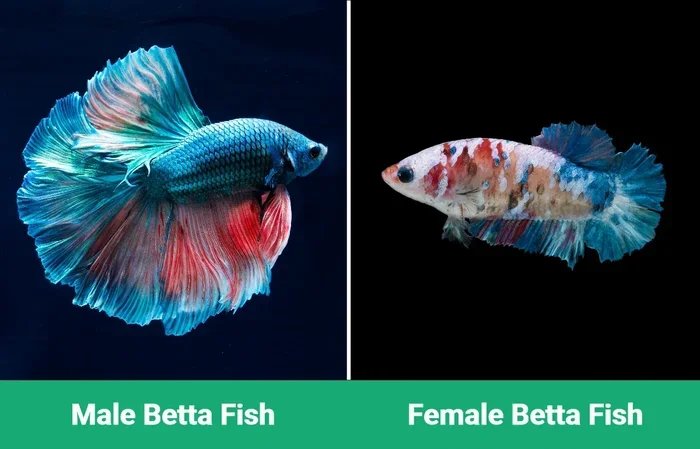
Male bettas are the show-offs of the fish world. They have long, flowing fins and vibrant, intense colors. Their bodies are sleek and streamlined, and they tend to flare their gills frequently.
Female bettas, on the other hand, have shorter fins and a more rounded body shape. Their colors are usually less intense. One key identifying feature is the egg spot, a small white dot on the underside of the female’s belly. This spot is where eggs are released during spawning.
| Feature | Male Betta | Female Betta |
|---|---|---|
| Fin Length | Long, flowing fins | Short, rounded fins |
| Color Intensity | Bright and vivid | Muted or subtle |
| Body Shape | Sleek and narrow | Round and plump |
| Egg Spot | Absent or faint | Visible white dot |
| Flaring Behavior | Frequent and dramatic | Less frequent |
Behavioral Differences
Behavior also plays a role in identifying your betta’s gender. Males are more aggressive and territorial. They will build bubble nests at the surface of the water, which is a clear sign of a healthy male. Females can also be aggressive, especially when kept together, but they are generally less territorial than males.
If you are unsure about your fish’s gender, observing its behavior over time will give you clues. You can also check out our guide on can betta fish change colors to understand how color shifts might affect your gender identification.
Factors That Influence Betta Fish Appearance and Behavior
Several external factors can influence how your betta looks and acts. Understanding these can help you provide the best possible care and avoid unnecessary worry about gender changes.
Water Quality and Temperature
Clean water is essential for every betta. Ammonia and nitrite levels should always be at zero, and nitrate levels should stay below 20 parts per million. Temperature plays a huge role too. Bettas thrive in water between 76 and 82 degrees Fahrenheit.
When water conditions drop below standard, stress sets in. A stressed betta may lose color, become lethargic, or display unusual behavior. These changes can sometimes be mistaken for gender shifts. Using the right water, such as treated tap water, is critical. Learn more about safe water options in our article on can you use tap water for your betta fish.
Diet and Nutrition
What you feed your betta directly affects its health and appearance. A diet rich in protein helps maintain vibrant colors and strong fins. High-quality betta pellets, frozen bloodworms, and brine shrimp are excellent choices.
Overfeeding is a common mistake that can lead to health problems. A healthy diet supports stable hormones, which in turn helps maintain consistent gender traits. If you want to know more about feeding habits, our article on can you over feed a betta fish covers this topic in detail.
Tank Mates and Social Environment
Bettas are often kept alone because of their territorial nature. However, they can sometimes live with other fish if the tank is set up correctly. The social environment affects stress levels, which in turn influences appearance and behavior.
A lonely betta might display unusual behaviors like flaring at its own reflection or building excessive bubble nests. On the other hand, a well-planted tank with suitable tank mates can keep your betta calm and healthy. Check out our guide on can your betta fish live with other fish for tips on compatible tank setups.
Common Myths About Betta Gender Change
The internet is full of stories about bettas changing gender, but not all of them are true. Let us debunk some of the most common myths.
Myth 1: Bettas Can Fully Switch Sex
This is the biggest misconception. While bettas can show both male and female characteristics at different times, a complete sex change is not something that occurs naturally in this species. What looks like a gender change is almost always a misidentification or a temporary shift in appearance.
Myth 2: All Color Changes Mean Gender Change
Bettas change color for many reasons, including age, stress, illness, and mood. A betta turning pale does not mean it is changing gender. Color change is a normal part of betta biology and is influenced by many factors beyond sex.
Myth 3: Female Bettas Cannot Build Bubble Nests
While male bettas are the primary bubble nest builders, females can occasionally build small nests too. This behavior does not mean the fish has changed gender. It is simply a natural response to environmental cues and hormonal fluctuations.
How to Care for Your Betta Regardless of Gender
Whether your betta is male or female, proper care is the foundation of a happy, healthy fish. Here are some essential tips every betta owner should follow.
Tank Size and Setup
A minimum tank size of 5 gallons is recommended for a single betta. Larger tanks are always better because they provide more stable water conditions. Add plants, hiding spots, and gentle filtration to create a comfortable environment.
Regular Maintenance
Perform partial water changes every week, replacing about 25 percent of the tank water. Vacuum the gravel to remove waste and uneaten food. Test the water parameters regularly using a reliable test kit.
Monitor Health Daily
Spend a few minutes each day watching your betta. Look for changes in appetite, energy levels, color, and fin condition. Early detection of problems leads to better outcomes. If you notice anything unusual, test your water and check the temperature first before assuming anything serious.
When to Consult a Veterinarian
If your betta shows sudden and dramatic changes in appearance or behavior, it might be time to seek professional help. A fish veterinarian can perform tests to determine if there is an underlying health issue. Sometimes what looks like a gender change is actually a sign of disease or nutritional deficiency.
Do not panic if you notice something unusual. Many changes are reversible with proper care and adjustments to the tank environment. Keeping a log of your betta’s behavior and appearance can help you and your vet identify patterns and causes more easily.
Final Thoughts
The question of whether betta fish can change gender does not have a simple answer. While true gender change is rare, bettas can display shifting traits that make gender identification confusing at times. Understanding the biology, behavior, and environmental factors that influence your betta is the key to being a confident and caring fish owner.
Keep your water clean, feed a balanced diet, and observe your fish daily. These simple steps will help you enjoy a long and rewarding relationship with your betta fish. Remember, whether your fish is male or female, it deserves a happy and healthy home.
If you found this guide helpful, share it with fellow fish keepers and explore our other articles for more tips on betta care and aquarium management.
Frequently Asked Questions
Can a female betta fish turn into a male?
No, a female betta cannot fully transform into a male. However, hormonal changes or stress can cause a female to develop some male-like traits, such as brighter colors or longer fins. These shifts are temporary and do not represent a true gender change.
How can I tell if my betta fish is male or female?
Look for key physical signs like fin length, color intensity, body shape, and the presence of an egg spot. Males have longer fins and brighter colors, while females are rounder with a visible white dot on their underside. Behavioral clues like bubble nest building also help identify males.
Why does my betta fish look different from when I first bought it?
Bettas change appearance as they age, and their colors can shift based on stress, diet, and water quality. Young bettas often look very similar regardless of gender, so differences become more noticeable as the fish matures.
Is it normal for betta fish to change color?
Yes, color changes are completely normal. Bettas can change color due to age, mood, temperature, and health. If the change is sudden or accompanied by other symptoms, check your water parameters and consult a vet if needed.
Can stress cause a betta to show gender-related changes?
Stress can cause hormonal fluctuations that lead to temporary physical and behavioral changes. While these shifts do not mean your betta has changed gender, they can make it harder to identify its sex. Maintaining clean water and a stable environment reduces stress significantly.
What should I do if I think my betta’s gender was misidentified?
Observe your fish over several weeks. Look for consistent signs like fin growth, color patterns, and behavior. If you are still unsure, consult a fish veterinarian or an experienced aquarist. Misidentification is very common, especially with young bettas.