Are Betta Fish Considered Tropical Fish

Yes, betta fish are indeed tropical fish that thrive in warm, freshwater environments native to Southeast Asia. Understanding their tropical nature helps you create the perfect habitat, choose the right tank mates, and feed them appropriately for a long, healthy life.
You may have heard people say betta fish are tropical fish. But what does that really mean for you and your pet? If you own a betta or are thinking about getting one, understanding whether are betta fish considered tropical fish matters more than you might think.
The answer is a clear yes. Betta fish come from warm, shallow waters in Southeast Asia. They need heat, specific water conditions, and a tropical environment to truly thrive. In this guide, we will walk through everything you need to know about keeping your betta in a tropical setup. You will learn about their origins, water requirements, tank setup, diet, and compatible tank mates.
Whether you are a new betta owner or a seasoned hobbyist, this article will give you practical advice you can use today. Let us dive right in.
Key Takeaways
- Betta fish are tropical freshwater fish that originate from the warm waters of Southeast Asia, including Thailand, Cambodia, and Vietnam.
- They need warm water temperatures between 76 and 82 degrees Fahrenheit to stay healthy and active.
- A tropical aquarium setup with a heater, filter, and live plants mimics their natural habitat perfectly.
- Betta fish can live with certain tropical fish, but careful selection of tank mates is essential for peace.
- Feeding betta fish tropical fish food can work, but their diet should mainly consist of protein-rich betta-specific pellets.
- Common myths exist about bettas surviving in small bowls, but they truly need proper tropical conditions to flourish.
📑 Table of Contents
What Exactly Are Betta Fish?
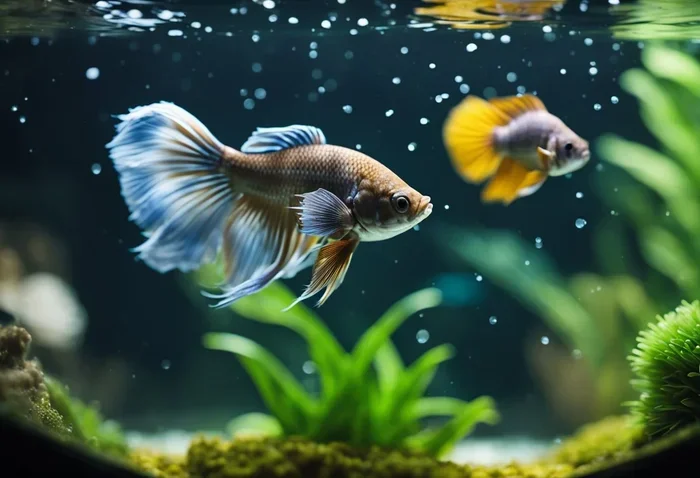
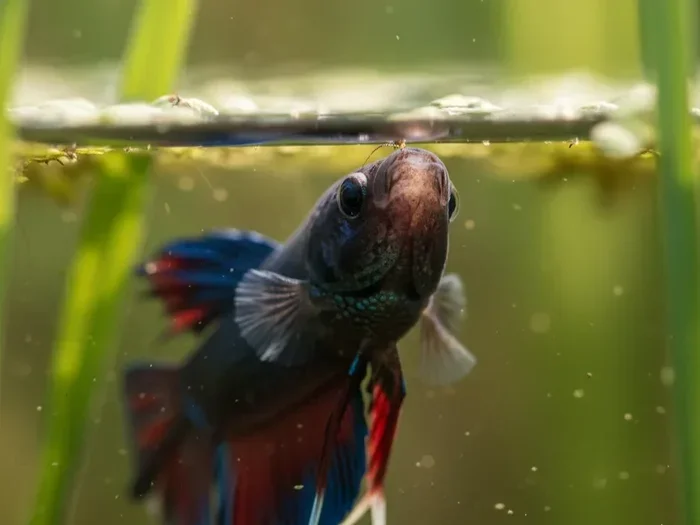
Betta fish, also known as Siamese fighting fish, belong to the gourami family. They are small freshwater fish known for their flowing fins and bright colors. People love them for their personality and vibrant appearance.
But where do they come from? Betta fish are native to the warm, shallow waters of Thailand, Cambodia, Vietnam, and surrounding regions. They live in rice paddies, flood plains, and slow-moving streams. These are all tropical environments with warm temperatures year-round.
The Natural Habitat of Betta Fish
In the wild, bettas live in warm water that stays between 75 and 86 degrees Fahrenheit. They are used to calm, shallow waters with plenty of plant cover. Their natural habitat is very different from a coldwater tank or an unheated bowl.
This is why are betta fish considered tropical fish is such an important question. Their entire biology is built for warm, tropical conditions. When you keep them in cold water, they become stressed and prone to disease.
The Tropical Origins of Betta Fish
Betta fish have a long history in tropical regions. The word “tropical” refers to areas near the equator where the climate is warm and humid year-round. This is exactly where bettas evolved over thousands of years.
Understanding their tropical roots helps you make better decisions about their care. You cannot treat a betta like a goldfish or a coldwater species. They need warmth, stable temperatures, and a tropical water environment.
Why Tropical Origin Matters for Care
When you know where a fish comes from, you understand what it needs. Betta fish adapted to warm, slow-moving waters with lots of vegetation. Their bodies work best in these conditions.
Here are some key points about their tropical origins:
- Warm water is essential for their metabolism and immune system.
- Stable temperatures prevent stress and illness.
- Tropical plant life in their natural habitat gives them hiding spots and comfort.
- Slow-moving water mimics the streams and rice paddies they come from.
If you want your betta to live a long, healthy life, you must recreate these tropical conditions in your home aquarium.
Betta Fish and Tropical Water Conditions
Now that you know bettas are tropical fish, let us talk about what that means for their water setup. Water conditions make or break a betta’s health. Getting this right is the single most important thing you can do as an owner.
Ideal Temperature Range
The best temperature for betta fish is between 76 and 82 degrees Fahrenheit. This range keeps them active, hungry, and healthy. If the water drops below 74 degrees, your betta may become sluggish and develop fin rot or other illnesses.
Using a tropical aquarium heater is not optional. It is a must-have. Even if your room feels warm, the water temperature can drop overnight. A reliable heater keeps things steady.
Water Parameters for Tropical Betta Fish
Beyond temperature, bettas need clean, filtered water with the right pH. Here are the basic parameters you should aim for:
- pH level: 6.5 to 7.5
- Water hardness: Soft to moderately hard
- Ammonia: 0 ppm
- Nitrite: 0 ppm
- Nitrate: Below 20 ppm
Using a betta water conditioner helps remove chlorine and heavy metals from tap water. This is especially important when you are setting up a tropical conditioned water environment for your fish.
Why Heated Tanks Make a Difference
Some people think bettas can live in small, unheated bowls. This is a myth. While bettas can survive in less-than-ideal conditions, they will not thrive. A heated tank with proper filtration gives your betta the best chance at a long, vibrant life.
Think of it this way. Would you want to live outside in the cold without a jacket? Neither does your betta. A tropical fish tank setup with a heater is the kindest thing you can provide.
How to Set Up a Tropical Tank for Your Betta
Setting up a tropical tank for your betta is easier than you might think. You do not need a huge aquarium or expensive equipment. A few key items make all the difference.
Step-by-Step Tank Setup
Here is a simple guide to creating a tropical home for your betta:
- Choose a tank of at least 5 gallons. Bigger is always better. A 5-gallon tank gives your betta room to swim and explore.
- Install a tropical aquarium heater. Set it to maintain 78 degrees Fahrenheit. This is the sweet spot for most bettas.
- Add a gentle filter. Bettas do not like strong currents. Choose a sponge filter or adjust the flow to be very low.
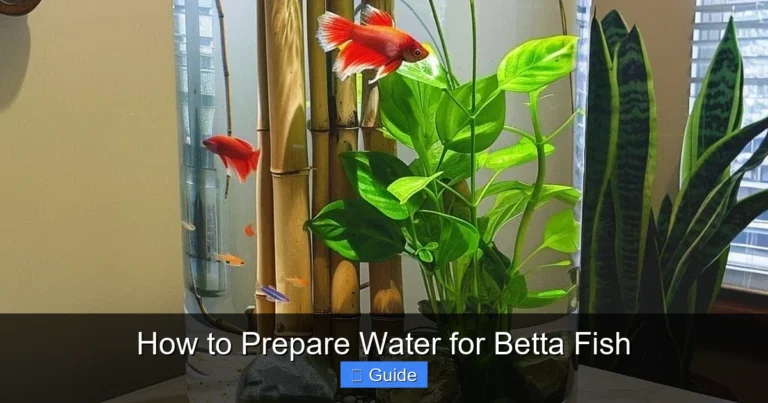
- Add live or silk plants. Plants give your betta hiding spots and make the tank feel natural. Check if spider plants are safe for betta fish before adding any greenery.
- Use a soft substrate. Sand or fine gravel works well and is gentle on their fins.
- Cycle the tank before adding your betta. This establishes beneficial bacteria that keep the water clean.
Quick Tips for a Healthy Tropical Betta Tank
- Test the water weekly with a liquid test kit.
- Do 25 percent water changes every week.
- Keep the tank away from cold drafts and direct sunlight.
- Use a thermometer to monitor temperature daily.
- Add a lid. Bettas are jumpers and can escape from open tanks.
Following these steps ensures your betta lives in a proper tropical fish environment that supports its health and happiness.
Can Betta Fish Live With Other Tropical Fish?
This is one of the most common questions among betta owners. The short answer is yes, but with important caveats. Not all tropical fish get along with bettas, and not all bettas get along with other fish.
Best Tropical Tank Mates for Bettas
Some tropical fish species make excellent companions for bettas. These include:
- Corydoras catfish — peaceful bottom dwellers that stay out of your betta’s way.
- Neon tetras — small, colorful fish that do well in warm water.
- Snails — mystery snails and nerite snails are great algae eaters.
- Harlequin rasboras — peaceful and active without being nippy.
Before adding any tank mates, research each species carefully. You want fish that share the same tropical water conditions and temperament.
Fish to Avoid With Bettas
Some tropical fish are not good companions for bettas. Avoid fin-nippers like tiger barbs and aggressive species like cichlids. Also, avoid keeping two male bettas together. They will fight.
If you are unsure about compatibility, check our guide on can you put betta fish with other tropical fish for more detailed advice on choosing the right tank mates.
Feeding Your Tropical Betta Fish
Diet plays a huge role in your betta’s health. As a tropical fish, your betta needs protein-rich food that matches its natural diet. In the wild, bettas eat insects, larvae, and small crustaceans.
What Should You Feed Your Betta?
The best diet for a betta includes:
- High-quality betta pellets — these are formulated specifically for bettas and provide balanced nutrition.
- Frozen or live bloodworms — a great treat that mimics their natural food.
- Daphnia — small crustaceans that are excellent for digestive health.
- Brine shrimp — another nutritious treat that adds variety.
You might wonder, can betta fish eat tropical fish food? The answer is sometimes. Some tropical flakes and pellets work, but they may not have enough protein for a betta’s needs. Always check the ingredients and choose food with a high protein content.
Feeding Schedule and Tips
Feed your betta twice a day, giving only what they can eat in two minutes. Overfeeding is one of the most common mistakes new betta owners make. It leads to bloating, poor water quality, and health problems.
Skip one feeding day per week. This helps your betta’s digestive system stay healthy and clean.
Common Myths About Betta Fish and Tropical Classification
There are many myths floating around about betta fish. Let us clear up some of the most common ones so you can give your fish the best care possible.
Myth 1: Bettas Can Live in Cold Water
This is flat-out false. Bettas are tropical fish and need warm water. Cold water slows their metabolism, weakens their immune system, and shortens their lifespan. A heater is not a luxury, it is a necessity.
Myth 2: Bettas Can Survive in Tiny Bowls
While bettas can technically survive in small containers, they will not thrive. A 5-gallon tank is the minimum recommended size. Larger tanks provide more stable water conditions and room for exercise.
Myth 3: Bettas Do Not Need Filtration
Betta fish produce waste just like any other fish. Without filtration, ammonia builds up quickly and can make your betta seriously ill. A gentle sponge filter is perfect for betta tanks.
Myth 4: Bettas Are Low-Maintenance Fish
Betta fish need regular care, just like any other pet. They need clean water, proper temperature, and a nutritious diet. Treating them as low-maintenance leads to unhappy, unhealthy fish.
If you want to learn more about what makes bettas tropical fish and how they differ from other species, read our article on are betta fish tropical freshwater fish for a deeper dive into this topic.
Conclusion
So, are betta fish considered tropical fish? Absolutely. Betta fish are tropical freshwater fish that need warm water, stable conditions, and a well-planned aquarium to live their best life. From their origins in the warm streams of Southeast Asia to their needs in a home aquarium, everything points to one conclusion: bettas thrive in tropical environments.
By providing a heated tank, proper filtration, and the right diet, you give your betta the conditions it needs to flourish. Choose compatible tropical tank mates, feed high-quality food, and maintain clean water. Your betta will reward you with vibrant colors, active behavior, and a lifespan of three to five years or more.
Remember, a happy betta is a well-cared-for betta. Treat their tropical nature with respect, and you will have a beautiful, lively companion for years to come.
Frequently Asked Questions
Are betta fish tropical or freshwater fish?
Betta fish are both tropical and freshwater. They come from warm, freshwater habitats in Southeast Asia. This means they need heated tropical water conditions and cannot survive in cold or saltwater environments.
Can I feed my betta tropical fish flakes?
You can, but tropical flakes may not provide enough protein for a betta’s needs. Betta-specific pellets are a better staple food. You can use tropical flakes as an occasional supplement, but they should not be the main diet.
What temperature should a betta fish tank be?
The ideal temperature is between 76 and 82 degrees Fahrenheit. Using a tropical aquarium heater keeps the water steady and prevents temperature swings that can stress your fish.
Can betta fish live with other tropical fish?
Yes, bettas can live with certain peaceful tropical fish. Good tank mates include corydoras catfish, neon tetras, and snails. Always research compatibility and avoid aggressive or fin-nipping species.
Do betta fish need a heater in their tank?
Yes, betta fish need a heater. They are tropical fish that require warm water to stay healthy. Without a heater, the water temperature can drop too low, leading to stress, illness, and a shortened lifespan.
Why are betta fish called tropical fish?
Betta fish are called tropical fish because they naturally live in warm, tropical regions of Southeast Asia. Their bodies are adapted to warm water temperatures and humid climates, making them true tropical species that need heated aquarium environments.