How Many Times Do Betta Fish Need to Be Fed
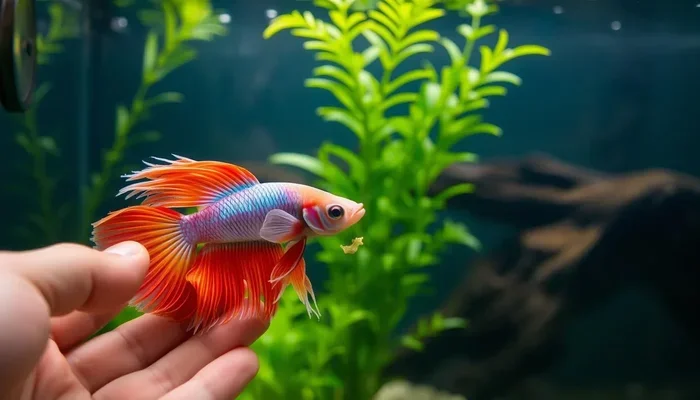
Betta fish need to be fed 1 to 2 times per day with small portions. A proper betta fish feeding schedule prevents overfeeding and keeps your fish healthy. Most experts recommend feeding your betta in the morning and evening, but adjusting based on age and appetite is key.
You love your betta fish. You want to give it the best life possible. But when it comes to how many times do betta fish need to be fed, there is a lot of confusing advice out there. Some people say once a day. Others say twice. And then there are those who overfeed and wonder why their fish gets sick.
The truth is simple. Feeding your betta the right amount at the right frequency makes a huge difference. It affects energy levels, color, lifespan, and overall health. In this guide, we break down everything you need to know about betta fish feeding schedule and portion control.
Key Takeaways
- Feed betta fish 1 to 2 times daily: This is the standard recommendation for adult bettas.
- Small portions matter: Only give what your betta can eat in 2 to 3 minutes to avoid overfeeding.
- Adjust for age: Baby bettas need more frequent meals, while older fish do well with once-daily feedings.
- Watch for hunger signs: Understanding your betta’s appetite helps you avoid both underfeeding and overfeeding.
- Skip a day occasionally: Fasting once a week helps prevent digestive issues like bloating and constipation.
📑 Table of Contents
- How Many Times Do Betta Fish Need to Be Fed?
- Best Feeding Schedule for Betta Fish
- How Much Food Should You Give Each Feeding?
- What to Feed Your Betta Fish
- Common Feeding Mistakes to Avoid
- Special Feeding Considerations
- How to Know If Your Feeding Schedule Is Working
- Final Thoughts on Betta Fish Feeding Frequency
How Many Times Do Betta Fish Need to Be Fed?
The short answer is one to two times per day for adult betta fish. This is the gold standard that most fish keepers and veterinarians agree on. But like many things in fish care, the full picture has a few important details.
Feeding your betta twice a day works well for most healthy adult fish. A morning feeding and an evening feeding mimics their natural eating patterns in the wild. Betta fish are tropical fish that graze throughout the day, so splitting meals into two smaller portions is ideal.
If you are new to betta keeping, start with once a day. You can always increase to twice a day once you understand your fish’s appetite and behavior. The key is consistency. A regular feeding routine helps your betta feel secure and stay healthy.
Why Feeding Frequency Matters
Feeding frequency is not just about hunger. It directly affects your fish’s digestive system and overall well-being. Betta fish have small stomachs. Their stomach is roughly the size of their eye. This means they cannot handle large meals or frequent heavy feedings.
Overfeeding is one of the biggest mistakes new fish owners make. It leads to bloating, constipation, and poor water quality. Uneaten food decays in the tank, which spikes ammonia levels. This can make your betta seriously ill or even kill it.
Underfeeding is less common but still a concern. A betta that does not get enough nutrition will lose color, become lethargic, and weaken over time. Finding the right balance is the goal.
Best Feeding Schedule for Betta Fish
Creating a consistent betta fish feeding schedule is one of the simplest things you can do for your fish. Here is a breakdown of what works best for different situations.
Morning Feeding
Feed your betta in the morning, ideally around the same time each day. This is when their metabolism is most active. A small portion of betta fish pellets or flakes works perfectly for a morning meal. Give them only what they can finish in about two minutes.
Evening Feeding
The evening feeding should happen about 8 to 12 hours after the morning meal. This creates a natural gap that mimics the wild cycle. Many experienced fish keepers prefer the evening feeding because it is easier to watch your betta eat and make sure all the food is consumed.
Weekly Fasting Day
Here is a pro tip that many beginners do not know. Skip one feeding per week. This gives your betta’s digestive system a chance to process any remaining food. It helps prevent bloating and keeps the tank cleaner. Sunday is a popular choice for a weekly fasting day.
| Feeding Option | Frequency | Best For |
|---|---|---|
| Once Daily | 1 time per day | Senior bettas or busy owners |
| Twice Daily | 2 times per day | Healthy adult bettas |
| Three Times Daily | 3 times per day | Baby bettas (fry) only |
| Weekly Fast | 1 skip day per week | All adult bettas |
How Much Food Should You Give Each Feeding?
Portion control is just as important as feeding frequency. Too much food at once can cause serious problems. Too little will leave your fish hungry and malnourished.
The general rule is simple. Give your betta an amount equal to the size of its eyeball. This is roughly 2 to 3 pellets or a small pinch of flakes. If you are using betta fish pellets, soak them in tank water for a few seconds before adding them to the tank. This prevents them from expanding in your fish’s stomach, which can cause bloating.
Signs You Are Overfeeding
Watch for these warning signs that you are giving too much food:
- Food left uneaten after 5 minutes
- Cloudy or dirty tank water shortly after feeding
- Your betta looks bloated or has a swollen belly
- Your betta stops eating or shows no interest in food
- Excess waste or algae growth in the tank
Signs You Are Underfeeding
On the other side, here is what underfeeding looks like:
- Your betta is very thin or has a sunken belly
- Loss of vibrant color
- Lethargy and lack of energy
- Your betta constantly begging for food at the glass
- Slow growth in younger fish
If you notice any of these signs, adjust your portions slightly. Small changes make a big difference over time.
What to Feed Your Betta Fish
Not all fish food is created equal. Bettas are carnivorous fish that need a protein-rich diet. Choosing the right betta fish food is essential for their health and longevity.
Betta Pellets
High-quality betta pellets are the staple of most betta diets. Look for pellets where the first ingredient is whole fish or fish meal. Avoid pellets filled with fillers like wheat or corn. A good pellet should float, which is perfect for bettas since they feed at the surface.
Betta Flakes
Flakes are another option, but they can be messier. They dissolve quickly and can cloud the water if not eaten fast. If you use flakes, choose a high-quality brand made for tropical fish and feed small amounts.
Live and Frozen Foods
Live and frozen foods make excellent treats. Bloodworms, brine shrimp, and daphnia are all great choices. These foods are rich in protein and mimic what bettas eat in their natural habitat. Use them as occasional supplements, not as a primary diet, since they lack complete nutrition on their own.
Quick Tip: You can also feed your betta betta flakes as a variety, but always check that the flakes are safe for bettas specifically. Some general tropical flakes do not meet the protein needs of bettas.
Common Feeding Mistakes to Avoid
Even experienced fish keepers sometimes make mistakes when feeding their bettas. Here are the most common errors and how to avoid them.
Overfeeding
This is the number one mistake. Bettas have tiny stomachs and will eat until they make themselves sick if given the chance. It is not cute when a betta bloats up. It is dangerous. Always remove uneaten food within five minutes to keep your tank water clean and your fish healthy.
Feeding Too Often
Some owners think feeding more equals better care. This is not true. Feeding three or more times a day for an adult betta can lead to obesity and digestive problems. Stick to the recommended feeding frequency of once or twice daily.
Ignoring Tank Water Quality After Feeding
Leftover food breaks down quickly and releases harmful ammonia. This is why many people ask about how many times to change water for betta fish. Regular water changes work hand in hand with proper feeding. If you feed your betta twice a day, you should be doing partial water changes at least once a week.
Skipping Days Without a Plan
Skipping a day on purpose for fasting is good. Skipping a day because you forgot is not a problem occasionally. But making a habit of forgetting to feed will hurt your fish. Set a daily alarm or tie feeding to a routine like brushing your teeth.
Special Feeding Considerations
Not all bettas are the same. Age, health, and living conditions all affect how often and how much you should feed your fish.
Feeding Baby Bettas (Fry)
Baby betta fish need more frequent meals than adults. Feed fry 3 to 4 times per day with very small amounts of specially formulated fry food or crushed pellets. Their metabolism is fast and they need constant fuel to grow properly.
If you are raising betta fry, you might also want to learn how many fry do betta fish have so you can plan your feeding schedule and tank setup accordingly.
Feeding Sick or Recovering Bettas
A sick betta may lose its appetite. If your fish is unwell, do not force feed it. Instead, offer small amounts of easily digestible food like soaked pellets or live brine shrimp. Sometimes a salt bath for betta fish can help with recovery, but always research proper dosing first.
Feeding Betta Fish in Community Tanks
If your betta shares a tank with other fish, feeding becomes trickier. Other fish may eat the betta’s food before the betta gets to it. Watch during feeding time to make sure your betta actually eats. You may need to target-feed your betta using a small container or feeding ring.
If you are considering adding other fish to the tank, check whether can betta flakes be fed to other fish or if your betta’s diet needs to stay separate.
How to Know If Your Feeding Schedule Is Working
A good feeding schedule produces a healthy, vibrant betta fish. Here are the signs that your routine is on track:
- Your betta has bright, vivid colors
- Your betta is active and swims with energy
- Your betta has a rounded but not bloated belly
- Your betta eagerly eats at feeding time
- Your tank water stays clean between water changes
If your betta shows any of these signs, you are doing a great job. Keep up the good work and continue refining your routine as you get to know your fish better.
Final Thoughts on Betta Fish Feeding Frequency
Feeding your betta fish the right number of times each day is one of the most important parts of betta fish care. Stick to a routine of once or twice daily with small portions. Watch your fish closely and adjust as needed. Remember to include a weekly fasting day to support digestion.
Your betta depends on you for everything. Getting the feeding schedule right shows your fish that you care. Keep learning, keep observing, and your betta will thrive.
If you want to dive deeper into betta care, check out how many times a day to feed a betta fish for even more detailed guidance. You can also explore how many pellets to feed betta fish daily for specific portion guidance. And for tips on keeping your betta healthy through proper tank maintenance, read about how many times to change water for betta fish.
Frequently Asked Questions
Can I feed my betta fish three times a day?
Feeding three times a day is generally too much for an adult betta. It can lead to overfeeding, bloating, and poor water quality. Stick to once or twice a day for healthy adult bettas. Only baby bettas or fry need more frequent feedings.
What happens if I overfeed my betta fish?
Overfeeding causes bloating, constipation, and a swollen belly in bettas. Uneaten food also decays in the tank, which spikes ammonia levels and harms water quality. This can lead to serious health problems or even death if not corrected.
How do I know if my betta fish is hungry?
A hungry betta may swim to the top of the tank and beg for food at the glass. However, bettas also learn to associate their owner with food, so this behavior does not always mean they are truly hungry. Stick to your scheduled portions and do not give in to begging between meals.
Can I feed my betta fish once a day?
Yes, feeding once a day is perfectly fine for most adult bettas. Some owners prefer a single daily feeding in the evening. If you choose once-daily feeding, make sure the portion is enough to satisfy your betta but not so large that it causes digestive issues.
Should I feed my betta fish right after a water change?
It is best to wait at least an hour after a water change before feeding. Water changes can stress your betta, and feeding during stress can lead to uneaten food and poor water quality. Let your fish settle in first, then offer a small meal.
What is the best time of day to feed betta fish?
The best times are early morning and early evening. This creates a natural rhythm that matches a betta’s active periods. Consistency matters more than the exact time, so pick times you can stick to every day.