How Many Gallons Does a Betta Fish
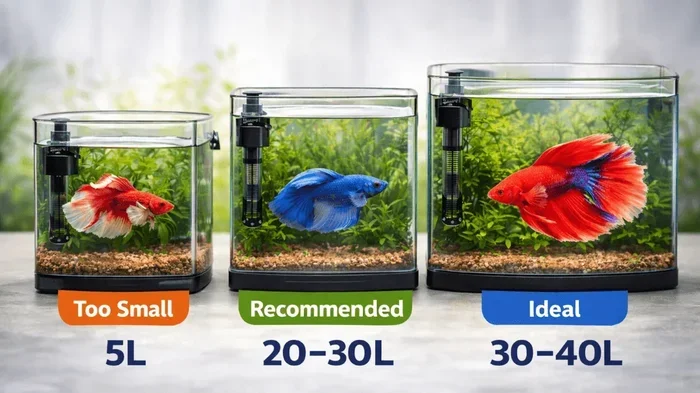
A betta fish needs at least 5 gallons of water to live a healthy, happy life. Many beginners mistakenly keep bettas in tiny bowls, but the right tank size makes a huge difference in your fish’s lifespan and well-being. This guide covers everything from minimum tank requirements to the ideal setup for your betta fish habitat.
So, how many gallons does a betta fish actually need? If you have been searching for this question, you are not alone. Thousands of new fish keepers ask this every single day. The answer might surprise you, especially if you have seen bettas kept in tiny cups at the pet store.
The truth is that a betta fish gallon requirement is much higher than most people think. Those small bowls and vases? They are not suitable. A betta needs proper space to swim, explore, and stay healthy. In this guide, we will walk you through everything you need to know about choosing the right betta fish tank size. You will learn the minimum, the ideal, and why it all matters for your fish.
Key Takeaways
- Minimum tank size: A betta fish needs at least 5 gallons to thrive, not the tiny bowls often sold in pet stores.
- Bigger is better: A 10-gallon tank or larger gives your betta more room to swim and explore, reducing stress.
- Tank shape matters: Choose a tank with enough surface area for gas exchange, not just height.
- Small tanks need more maintenance: Smaller volumes mean water parameters fluctuate faster, requiring frequent testing and changes.
- Common mistake: Keeping a betta in a bowl under 1 gallon drastically shortens its lifespan and causes health problems.
- Setup matters: Proper filtration, heating, and cycling are just as important as the tank size itself.
📑 Table of Contents
Why Tank Size Matters for Your Betta Fish
Many people think bettas can live in tiny containers because they are sold that way. But the reality is very different. A betta fish habitat needs enough room for stable water conditions, natural movement, and mental stimulation. Bettas are active swimmers, even though they are not the fastest ones.
When you keep a betta in a space that is too small, several problems arise quickly. Ammonia builds up fast. Temperature swings become common. Your fish gets stressed, which weakens its immune system. Over time, this leads to illness and a much shorter life.
Think of it this way. Would you want to live in a closet your whole life? Your betta feels the same way about a tiny bowl. Giving it enough space is one of the kindest things you can do as a pet owner.
The Minimum Tank Size for a Betta
The absolute minimum tank size for betta fish is 5 gallons. This is the smallest volume that can hold a stable nitrogen cycle. It gives you enough water to dilute waste products and keeps parameters from crashing overnight.
However, 5 gallons is the bare minimum, not the goal. If you can go bigger, you should. A 10-gallon tank is widely considered the sweet spot for a single betta. It gives your fish room to swim in all directions and makes maintaining water quality much easier.
Common Myths About Betta Fish Tank Size
There are a lot of myths floating around about betta fish and small spaces. Let us bust a few of the most common ones right now.
Myth 1: Bettas live in puddles in the wild, so small tanks are fine. This is misleading. While bettas do live in shallow waters in Thailand, those waters are actually quite large in total area. A puddle might be shallow, but it stretches across a wide rice paddy. Your home aquarium needs to replicate that kind of space, not a tiny cup.
Myth 2: Bettas are fine in a 1-gallon bowl. This is simply false. A 1-gallon bowl cannot cycle properly. Waste accumulates almost instantly. Even with frequent water changes, the water quality stays unstable. Most bettas in bowls develop health problems within months.
Myth 3: Bettas do not need a filter. This is another dangerous myth. Even in a properly sized tank, a gentle filter helps maintain water quality. It removes debris and supports beneficial bacteria that break down toxins. Without a filter, you will need to do very frequent water changes, which stresses the fish.
Ideal Tank Size for a Betta Fish
If you want to give your betta the best life possible, aim for a 10-gallon tank or larger. This size offers several real advantages over smaller setups.
First, a larger volume of water dilutes waste more effectively. Your water parameters stay more stable from day to day. Second, a 10-gallon tank allows you to add a gentle filter and a small heater without taking up too much swimming space. Third, it gives you room to add some live plants, which make your betta feel more natural and comfortable.
For multiple bettas or a community tank, you need even more space. Never house two male bettas together. A male and female pair requires at least 10 gallons, and even then, you need plenty of hiding spots and plants to break up their line of sight.
Tank Size Comparison Chart
Here is a quick comparison of different tank sizes and what they mean for your betta.
| Tank Size | Suitable for Betta? | Stability | Maintenance Level |
|---|---|---|---|
| 1 gallon (bowl) | No | Very poor | Very high |
| 3 gallons | Not ideal | Poor | High |
| 5 gallons | Minimum acceptable | Moderate | Moderate |
| 10 gallons | Ideal | Good | Low to moderate |
| 20 gallons | Excellent | Very good | Low |
As you can see, the bigger the tank, the easier it is to maintain. A 20-gallon tank is fantastic if you have the space. The water stays stable longer, and you have more flexibility with decoration and equipment.
How Much Space Does a Betta Fish Really Need
The question of how much space does a betta fish really need comes down to more than just gallons. It is about creating an environment where your fish can express natural behaviors. Bettas like to explore, rest, and swim freely.
A cramped tank limits all of this. Your betta may stop moving as much. It might hide constantly or seem lethargic. These are signs of stress, not a “calm” personality. A stressed betta is a sick betta over time.
When setting up your tank, think about the footprint. A long, low tank gives more surface area than a tall, narrow one. Surface area matters because that is where oxygen exchange happens. Your betta breathes air from the surface, so more surface area means better oxygen levels in the water.
If you are still unsure about your setup, check out our guide on how much space a betta fish really needs for deeper insights into creating the perfect environment.
Setting Up the Perfect Betta Fish Tank
Once you know the right size, the next step is setting up the tank properly. A bigger tank only works if you set it up correctly. Here is what you need to focus on.
First, cycle the tank before adding your fish. Cycling means building up beneficial bacteria that convert toxic ammonia into less harmful substances. This process takes 4 to 6 weeks. Do not skip it. Adding a betta to an uncycled tank is one of the fastest ways to kill your fish.
Second, invest in a gentle filter. Bettas do not like strong currents. Choose a filter with a adjustable flow or sponge filter. The filter should keep the water clean without making your betta struggle against the flow.
Third, use a heater. Bettas are tropical fish. They need water temperatures between 76 and 82 degrees Fahrenheit. A small aquarium heater keeps the temperature stable, which is essential for your betta’s health and immune system.
Fourth, add plants and hiding spots. Live plants like java fern or anubias are great choices. They improve water quality and give your betta places to rest and explore. Fake plants work too, as long as the leaves are soft and not rough.
If you want a step-by-step walkthrough for the full setup, our article on how to set up a fish tank for betta fish covers everything in detail.
Quick Tips for Betta Tank Setup
- Always use a water conditioner to remove chlorine and chloramine from tap water.
- Test your water parameters weekly, especially ammonia, nitrite, and nitrate.
- Do 25 to 30 percent water changes every week to keep the tank clean.
- Place the tank away from direct sunlight and drafts to avoid temperature swings.
- Do not overcrowd the tank with decorations that leave no swimming room.
How Many Gallons for a Betta Fish: The Bottom Line
So, how many gallons for a betta fish? The answer is clear. At minimum, 5 gallons. Ideally, 10 gallons or more. Anything smaller puts your fish at risk for health problems and a shortened lifespan.
The right gallons for betta fish depend on your goals and budget. A 5-gallon tank is a great starting point for beginners. A 10-gallon tank gives you more room to grow as a fish keeper. And a 20-gallon tank is perfect if you want a beautiful, stable display.
Remember that tank size is just one piece of the puzzle. You also need proper filtration, heating, cycling, and regular maintenance. But getting the size right is the foundation. Everything else builds on top of it.
If you are still wondering whether your current setup is big enough, take a hard look at your tank. Is it at least 5 gallons? Does it have a filter and a heater? Is the water temperature stable? If you answered no to any of these, it is time to upgrade.
Your betta fish deserves a home where it can truly thrive. Not a cramped bowl, not a tiny vase. A real tank with clean, warm, well-oxygenated water. Give your betta that gift, and you will be rewarded with a colorful, active, and healthy companion for years to come.
For more details on choosing the right setup, you can also read our guide on how big a betta fish tank needs to be to make sure you are making the best choice for your fish.
Frequently Asked Questions
Can a betta fish live in a 1-gallon bowl?
A betta fish can technically survive in a 1-gallon bowl, but it will not thrive. The water quality becomes toxic very quickly, and the fish experiences constant stress. A 1-gallon setup dramatically shortens a betta’s lifespan and leads to health problems like fin rot and ich.
Is a 5-gallon tank enough for a betta fish?
Yes, a 5-gallon tank is the minimum acceptable size for a single betta fish. It provides enough water volume to maintain stable parameters and allows for basic equipment like a filter and heater. However, a 10-gallon tank is strongly recommended for a healthier, happier fish.
How big should a betta tank be for two bettas?
You should never house two male bettas together. A male and female pair needs at least 10 gallons, with plenty of plants and hiding spots to reduce aggression. Even then, monitoring their behavior closely is essential for their safety.
Does tank size affect a betta fish’s lifespan?
Yes, tank size directly affects a betta’s lifespan. Bettas kept in proper-sized tanks with stable water conditions can live 3 to 5 years, sometimes longer. Those kept in tiny bowls often die within months due to stress, poor water quality, and disease.
What is the best tank shape for a betta fish?
A long, rectangular tank is best for bettas. It provides more surface area for oxygen exchange and gives your fish more horizontal swimming space. Bettas are not strong swimmers and prefer to glide through open water rather than climb tall tanks.
Do betta fish need a filter if the tank is big enough?
Yes, betta fish need a filter regardless of tank size. A gentle filter removes debris and supports beneficial bacteria that break down harmful toxins. Without a filter, you will need to perform very frequent water changes to keep the water safe for your fish.
=== CONCLUSION ===
Choosing the right gallons for betta fish is one of the most important decisions you will make as a betta owner. A minimum of 5 gallons is essential, and 10 gallons is the ideal target for a healthy, happy fish. Avoid the temptation of tiny bowls and small vases. Your betta deserves a proper home with stable water, gentle filtration, and enough space to swim and explore. Invest in the right tank size, set it up properly, and you will enjoy the companionship of your betta for many years to come.