How Many Chromosomes Do Betta Fish Have
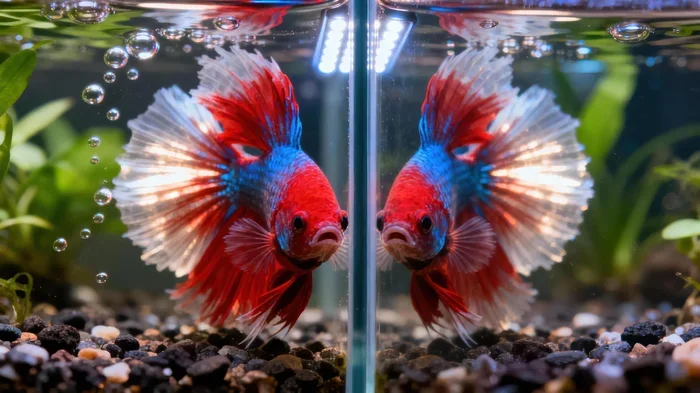
Betta fish have 48 chromosomes arranged in 24 pairs. This chromosome count plays a big role in their color, fin shape, and overall health. Understanding betta fish genetics helps aquarium owners make better choices for breeding and care.
Have you ever wondered about the tiny building blocks inside a betta fish that make it look the way it does? The answer lies in chromosomes. These are thread-like structures found inside every cell of a living organism. They carry the instructions for everything from a fish’s vibrant colors to its flowing fins. If you have ever asked yourself how many chromosomes do betta fish have, you are in the right place. This guide breaks it all down in a simple and friendly way.
Betta fish, also known as Siamese fighting fish, are among the most popular aquarium fish in the world. Their dazzling colors and elegant fins captivate fish keepers of all ages. But beneath that beauty is a fascinating genetic world. The betta fish chromosome count tells us a lot about how these fish grow, develop, and pass traits to their young. Whether you are a beginner or a seasoned hobbyist, understanding this topic adds a whole new layer of appreciation for these amazing creatures.
In this article, we will explore the basics of fish genetics, look at the exact number of chromosomes bettas carry, and discuss why this matters for breeding and care. We will also compare bettas to other fish species and answer some common questions. By the end, you will have a clear picture of how betta fish DNA shapes the fish you see swimming in your tank.
Key Takeaways
- Betta fish have 48 chromosomes: This is the total number found in their cells, organized into 24 pairs.
- Chromosomes control key traits: Things like color, fin length, and body shape are all influenced by genetic factors.
- Breeding connects to chromosomes: Understanding betta fish genetics helps breeders produce healthy offspring with desired traits.
- Fish species vary in chromosome count: Different aquarium fish have different numbers, and bettas fall in a typical range.
- Genetic health matters: Proper care and breeding practices support strong genetic diversity in betta fish.
📑 Table of Contents
- What Are Chromosomes and Why Do They Matter?
- How Many Chromosomes Do Betta Fish Have?
- The Role of Chromosomes in Betta Fish Traits
- Chromosomes and Betta Fish Breeding
- How Do Betta Fish Chromosomes Compare to Other Fish?
- Common Mistakes People Make With Betta Fish Genetics
- Expert Insights on Betta Fish Chromosomes
- Key Takeaways
- Conclusion
What Are Chromosomes and Why Do They Matter?
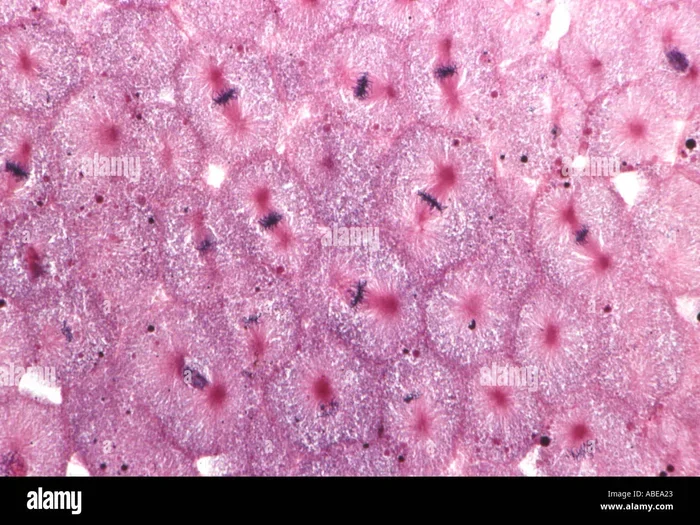
Chromosomes are like tiny instruction manuals inside every living cell. They are made of a substance called DNA. This DNA contains genes, and genes determine traits. Think of chromosomes as a cookbook. Each recipe in that book tells the cell how to build a specific part of the fish. Without these instructions, life would not work.
Every organism has a set number of chromosomes. Humans have 46. Dogs have 78. The number varies widely across the animal kingdom. For fish, the count can differ a lot from one species to another. The chromosome number in betta fish is just one piece of the puzzle, but it is an important one.
How Chromosomes Work in Fish
Fish chromosomes come in pairs. A betta fish gets one chromosome from each parent. This means half come from the mother and half from the father. When a betta fish reproduces, these pairs split apart and recombine. This process creates genetic variation. That is why no two betta fish look exactly alike, even from the same parents.
The way chromosomes shuffle during reproduction is what gives rise to different color patterns, fin types, and body shapes. This is the foundation of betta fish genetics. It is also the reason why breeders carefully select parent fish. They want to pass on the best traits to the next generation.
How Many Chromosomes Do Betta Fish Have?
The short answer is that betta fish have 48 chromosomes. These are organized into 24 pairs. This number is written as 2n = 48 in scientific terms. The “2n” simply means the fish has two sets of chromosomes, one from each parent.
This count places bettas within a normal range for freshwater fish. Many popular aquarium species share a similar number. The betta fish genome contains all the genetic information needed to build and maintain a healthy fish. Researchers have studied this genome to learn more about fish biology and inherited traits.
What Do These Chromosomes Control?
Each of the 48 chromosomes carries hundreds or even thousands of genes. These genes are responsible for a wide range of traits. Here are some of the key things controlled by betta fish chromosomes:
- Body color: Reds, blues, greens, and even metallic shades all come from genetic instructions.
- Fin length and shape: The dramatic fins of a crowntail or plakat are coded in DNA.
- Body size: Chromosomes influence how big a betta can grow.
- Pattern types: Marble, butterfly, and dragon scale patterns are all hereditary.
- Behavioral traits: Even temperament and aggression levels can have a genetic component.
Understanding this helps explain why certain traits run in families. When you breed bettas, you are working directly with their genetic inheritance. The chromosomes carry the blueprint for every visible feature.
The Role of Chromosomes in Betta Fish Traits
Every betta fish you see in a pet store is the result of its genetic makeup. The chromosomes inside each cell work together to create the fish you admire. But not all traits are purely genetic. Environment plays a role too. Water quality, diet, and tank conditions all affect how a fish develops. However, the foundation is always the DNA.
Color and Pattern Genetics
Betta fish are famous for their stunning colors. The genes on their chromosomes dictate which pigments get produced. Some bettas carry genes for bright red coloration. Others carry genes for deep blue or iridescent green. When two fish breed, their chromosomes mix. This mixing can create entirely new color combinations.
Marble bettas, for example, have a special genetic trait that causes unpredictable color changes. This trait comes from a specific section of their chromosomes. Breeders love this because it produces unique and beautiful patterns in every generation.
Fin Types and Their Genetic Basis
The many fin types in bettas are another product of their chromosomes. Here is a quick look at some popular varieties:
- Veil tail: The most common type. Long, flowing fins that droop downward.
- Crown tail: Fins with a spiky, crown-like appearance.
- Plakat: Shorter fins that resemble wild bettas.
- Half moon: Fins that spread out to form a perfect half circle.
- Double tail: A split tail that gives the fish a striking look.
Each of these fin types is linked to specific genes on the chromosomes. Selective breeding amplifies these traits over time. This is how breeders develop the elaborate fins we see today.
Chromosomes and Betta Fish Breeding
If you are interested in breeding bettas, understanding chromosomes is essential. The breeding process is all about passing genetic information from parent to offspring. When a male and female betta come together, their chromosomes combine. The result is a unique mix of traits in each fry.
How many fry do betta fish have is a common question among breeders. The answer depends on many factors, including the health and genetics of the parents. Healthy chromosomes lead to healthier fry. Genetic diversity also plays a big role in the survival rate of baby fish.
Why Genetic Diversity Matters
When bettas are bred from a narrow genetic pool, problems can arise. Inbreeding reduces genetic diversity. This can lead to weaker immune systems and birth defects. On the other hand, breeding fish with diverse chromosomes produces stronger, more vibrant offspring.
Responsible breeders always pay attention to the genetic background of their fish. They select pairs that complement each other. This approach helps maintain healthy betta fish genetics over many generations.
How Breeding Connects to Chromosome Count
During reproduction, betta fish lay eggs. The female releases eggs and the male fertilizes them. Each egg receives half the chromosomes from the mother, and the sperm provides the other half. This means each fry ends up with the full set of 48 chromosomes.
This process is the same one that answers the question do betta fish lay eggs or have live birth. Bettas are egg layers, and the genetics of each egg are shaped by the chromosome contribution from both parents. The resulting genetic variation is what makes every fry unique.
How Do Betta Fish Chromosomes Compare to Other Fish?
Betta fish do not have the highest or lowest chromosome count among fish. Many popular aquarium species have similar numbers. Here is a quick comparison to put things in perspective:
| Fish Species | Chromosome Number |
|---|---|
| Betta fish | 48 (24 pairs) |
| Goldfish | 100 (50 pairs) |
| Guppy | 46 (23 pairs) |
| Zebrafish | 50 (25 pairs) |
| Angelfish | 60 (30 pairs) |
As you can see, the betta fish chromosome number of 48 falls right in the middle of the range. Goldfish have many more, while guppies have slightly fewer. This comparison shows that chromosome counts vary widely, even among common aquarium fish.
These differences reflect millions of years of evolution. Each species developed a chromosome count that works best for its survival. For bettas, 48 chromosomes provides all the genetic instructions needed for a healthy and vibrant fish.
What This Means for Aquarium Hobbyists
You do not need to be a scientist to appreciate the importance of chromosomes. Simply knowing that your betta fish carry 48 chromosomes helps you understand why they look the way they do. It also helps you make better decisions when choosing fish for your tank. Look for fish that appear healthy and vibrant. These are signs of good genetic health.
If you plan to breed bettas, start with fish from diverse backgrounds. This supports genetic diversity and leads to stronger offspring. Avoid breeding closely related fish whenever possible. Your future fry will thank you for it.
Common Mistakes People Make With Betta Fish Genetics
Many aquarium hobbyists overlook the role of genetics. Here are a few common mistakes to avoid:
- Ignoring genetic health: Always research the lineage of fish before breeding. Poor genetics lead to weak fry.
- Overbreeding: Breeding too often without rest periods stresses the fish and reduces genetic quality.
- Neglecting water quality: Even the best genetics cannot overcome poor tank conditions. Clean water supports healthy gene expression.
- Assuming all traits are genetic: Some changes in appearance come from diet or environment, not chromosomes.
- Skipping quarantine: Introducing sick fish to a breeding tank can spread disease and compromise the genetic health of offspring.
Avoiding these mistakes keeps your betta fish healthy and your breeding program on track. Good genetics start with good care.
Expert Insights on Betta Fish Chromosomes
Scientists who study fish genetics agree that the betta fish DNA is remarkably well-mapped for a popular aquarium species. Research continues to uncover new details about how specific genes influence traits. This knowledge benefits both hobbyists and professional breeders.
One expert insight worth noting is that betta fish share many genetic similarities with other members of the gourami family. Their chromosome pairs have been studied to understand inherited diseases and physical traits. This research helps breeders make informed decisions and avoid passing on harmful genetic traits.
Another important point is that environmental factors can influence how genes are expressed. A betta fish with perfect chromosomes may still look dull if kept in poor conditions. Proper nutrition, clean water, and appropriate tank mates all support healthy gene expression.
Do betta fish have to mate for their chromosomes to combine? Yes, sexual reproduction is how genetic material mixes. However, understanding this process helps breeders control which traits appear in the next generation. Careful pairing leads to better results over time.
Key Takeaways
- Betta fish have 48 chromosomes: These are arranged in 24 pairs and carry all the genetic instructions for the fish.
- Chromosomes control visible traits: Color, fin shape, body size, and patterns are all determined by genes on these chromosomes.
- Breeding relies on chromosome mixing: Each fry receives half its chromosomes from the mother and half from the father.
- Genetic diversity is crucial: It leads to healthier, more vibrant fish and reduces the risk of inherited problems.
- Care supports genetics: Good water quality, proper diet, and responsible breeding practices help chromosomes express their full potential.
- Betta fish genetics are fascinating: Understanding them deepens your appreciation for these beautiful creatures.
Conclusion
The answer to how many chromosomes do betta fish have is 48. These 48 chromosomes, arranged in 24 pairs, hold the complete genetic blueprint for every betta fish. From their brilliant colors to their elegant fins, chromosomes are the reason bettas look so stunning. Understanding this basic fact opens the door to a deeper appreciation of fish biology and the art of breeding.
Whether you are a casual hobbyist or an ambitious breeder, knowing about betta fish genetics gives you an edge. It helps you choose healthier fish, breed more responsibly, and care for your aquarium with greater knowledge. The next time you watch your betta swim gracefully through the water, remember the incredible genetic story happening inside every one of its cells.
Take what you have learned and apply it. Your betta fish will benefit from the extra care and attention that comes with understanding their genetic needs. And who knows? You might just discover a new color pattern or fin type in your next generation of fry.
Frequently Asked Questions
Do betta fish have more chromosomes than guppies?
Yes, betta fish have 48 chromosomes while guppies have 46. The difference is small, but it reflects the unique genetic makeup of each species. Both fish are popular choices for home aquariums and share many care requirements.
Can chromosomes affect the color of a betta fish?
Absolutely. The genes located on betta fish chromosomes directly control pigment production. This is why certain color traits are passed from parents to offspring. Selective breeding works by choosing fish with the best color-related genes.
How does chromosome count relate to how many eggs betta fish lay?
While the chromosome count does not directly determine the number of eggs, healthy genetics play a role in overall reproductive success. Bettas with strong genetic backgrounds tend to produce more viable eggs and healthier fry. Learn more about how many eggs betta fish lay for a complete picture.
Are betta fish chromosomes similar to other fish species?
They are similar in structure but differ in number. Many freshwater aquarium fish have chromosome counts in the range of 40 to 100. The betta fish count of 48 is typical for small tropical species. Each number has evolved to suit the specific needs of that species.
What happens if a betta fish has a chromosome abnormality?
Chromosome abnormalities can lead to developmental issues or health problems. Affected fish may show unusual physical features or reduced vitality. Responsible breeders avoid pairing fish that may carry genetic defects to protect the health of future generations.
How can I support healthy genetics in my betta fish tank?
Start by purchasing fish from reputable breeders. Provide excellent water quality and a balanced diet. Avoid inbreeding if you plan to breed. You can also learn more about how many fry betta fish have to better understand the breeding process and set realistic expectations.