How Long Is a Betta Fish’s Lifespan

The average betta fish lifespan ranges from 3 to 5 years, but with proper care, some bettas can live up to 7 years or more. Understanding the betta fish lifespan depends on several key factors including tank size, water quality, diet, and genetics. This guide covers everything you need to know about helping your betta live its longest, healthiest life.
So you just got a beautiful betta fish and want to know how long is a betta fish’s lifespan? Or maybe your betta has been with you for a while and you want to give them the best life possible. Either way, you are in the right place.
The betta fish lifespan is a topic every fish owner should understand. On average, bettas live between 3 and 5 years. But here is the exciting part. With the right care, some bettas push past that range and live 6 or even 7 years. It all comes down to what you do as an owner.
Many people think bettas are cheap, short-lived fish. That is a myth. Bettas are actually pretty tough when they are kept in the right conditions. The problem is that most bettas suffer because their owners do not know what they need. This guide will change that. You will learn exactly what affects how long your betta lives and what steps you can take today.
Key Takeaways
- Average lifespan: Most betta fish live between 3 and 5 years with good care.
- Tank size matters: A 5-gallon tank or larger significantly improves longevity.
- Water quality is critical: Clean, warm water reduces stress and prevents disease.
- Diet affects longevity: A varied, high-quality diet keeps bettas healthy longer.
- Genetics play a role: Some bettas are simply bred to live longer and healthier lives.
- Common mistakes shorten life: Overcrowding, poor diet, and dirty water are the biggest killers.
📑 Table of Contents
Understanding the Average Betta Fish Lifespan
When people search how long does a betta fish live, they usually want a straight answer. The honest answer is that it depends. But let us start with the basics.
The average lifespan of a betta fish is about 3 to 5 years. This is what you can expect in most home aquariums. However, the number varies a lot based on several factors we will cover below.
Male bettas tend to be the ones sold in pet stores. They have long, flowing fins and bright colors. Female bettas are also popular and can live just as long. The male betta fish lifespan and female lifespan are very similar when both are well cared for.
Why Some Bettas Live Longer Than Others
You might wonder why one betta lives 3 years and another lives 7. It comes down to a mix of things. Genetics, environment, diet, and overall care all play a role. Bettas that come from good breeding lines often start with a health advantage. But even a betta with average genetics can live a long, happy life if the owner takes good care of them.
Another big factor is where the betta was bought. Bettas from reputable breeders often come in healthier condition than those from big box stores. A healthy start sets the tone for a longer life.
Factors That Affect How Long a Betta Fish Lives
Several things directly influence how long is a betta fish’s lifespan. Let us break them down one by one so you know exactly what matters most.
Tank Size and Setup
This is the number one mistake new betta owners make. They keep their betta in a tiny cup or a 1-gallon bowl. A betta fish live in a 5 gallon tank or bigger will almost always outlive one kept in a smaller container. Here is why.
- More space means cleaner water. Toxins build up faster in small tanks.
- Bettas need room to swim. A cramped tank causes stress.
- Larger tanks are easier to maintain. Water parameters stay more stable.
If you want your betta to thrive, aim for at least a 5-gallon tank. A 10-gallon tank is even better. This gives your fish room to explore and stay active, which directly supports a longer betta fish lifespan.
Water Quality and Temperature
Bettas are tropical fish. They need warm, clean water to stay healthy. The ideal temperature range is between 76 and 82 degrees Fahrenheit. Cold water slows a betta down and weakens their immune system.
Water quality is just as important. Ammonia and nitrite should always be at zero. Nitrate should stay below 20 parts per million. Regular water changes, about 25 to 30 percent weekly, make a huge difference. A good filter helps too, but make sure the flow is not too strong since bettas do not like powerful currents.
Diet and Nutrition
What you feed your betta has a direct impact on their health and longevity. A betta fish diet should be varied and high quality. Pellets made specifically for bettas should be the staple food. But you can also offer frozen or live foods like bloodworms and brine shrimp as treats.
Overfeeding is a common problem. Bettas have small stomachs. Feed them 2 to 3 pellets twice a day. Remove any uneaten food after a few minutes. A balanced diet keeps their organs healthy and their colors vibrant.
Stress and Environment
Stressed bettas get sick more often. And sick bettas do not live as long. Things that cause stress include:
- Too-small tanks
- Aggressive tank mates
- Bright lights all the time
- Loud noises near the tank
- Sudden changes in water temperature
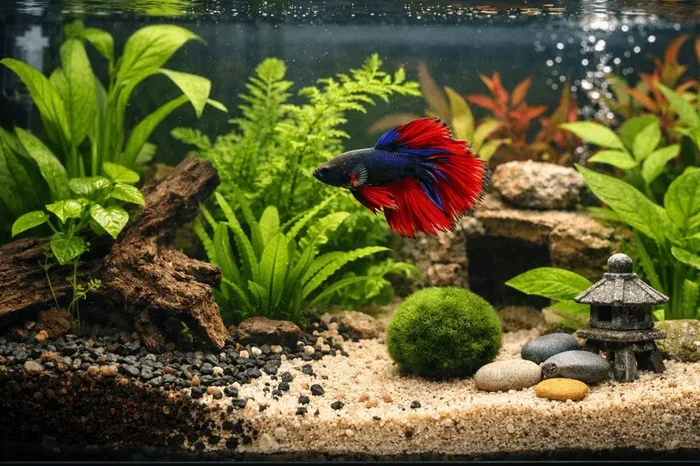
Keep your betta’s environment calm and stable. Add plants, both real or silk, to give them hiding spots. A stress-free betta is a longer-living betta.
Common Health Issues That Shorten a Betta’s Life
Even with the best care, bettas can get sick. Knowing the warning signs helps you act fast. The earlier you catch a problem, the better the chance of recovery.
Fin Rot
Fin rot is one of the most common betta diseases. It causes the fins to look ragged or discolored. Poor water quality is usually the culprit. The good news is that fin rot is treatable. A water change and, in some cases, medication can clear it up quickly.
Columnaris
Columnaris is a bacterial infection that shows up as white patches on the body or fins. It spreads fast and can be deadly if not treated. Keeping water clean and reducing stress are the best ways to prevent it.
Swim Bladder Disease
Swim bladder disease makes it hard for a betta to swim properly. They might float sideways or struggle to stay upright. This condition is often caused by overfeeding or constipation. Feeding a small piece of pea can help, but persistent cases need attention.
If you ever notice something is off with your fish, do not wait. Acting quickly can add months or even years to your betta’s life. If you are unsure about symptoms, check our guide on how do you know a betta fish is dying for helpful signs to watch for.
How to Help Your Betta Fish Live Longer
Now that you know what affects the betta fish lifespan, let us talk about what you can actually do. These practical tips are easy to follow and make a real difference.
1. Set Up a Proper Tank
A 5-gallon tank is the minimum for a single betta. Add a gentle filter and a heater. Keep the temperature steady around 78 degrees Fahrenheit. Add some live or silk plants for comfort and hiding spots.
2. Keep the Water Clean
Test your water regularly with a liquid test kit. Do weekly water changes. Vacuum the gravel during each change to remove waste buildup. Clean water is the foundation of a long betta fish lifespan.
3. Feed a Balanced Diet
Use high-quality betta pellets as the main food. Rotate in frozen or live foods a few times a week. Avoid feeding only flakes, as they lack the nutrition bettas need. And never overfeed.
4. Watch for Early Signs of Illness
Check on your betta every day. Look for changes in color, appetite, swimming behavior, or fins. Catching problems early gives your betta the best chance of recovery. If your fish does get sick, learn how to help a betta fish that is sick with proper treatment steps.
5. Keep the Tank Peaceful
Bettas are solitary fish. They do not need tank mates, and many do better without them. Avoid keeping two male bettas together. If you want other fish, choose peaceful species that do not nip at betta fins.
Betta Fish Lifespan Stages
Understanding the different stages of a betta’s life helps you provide the right care at every age.
Baby and Juvenile Stage (0 to 6 months): This is when bettas grow quickly. They need warm, clean water and small, frequent feedings. A how long a betta fish live journey starts here, and getting the basics right from day one sets them up for success.
Young Adult Stage (6 months to 2 years): This is the prime of a betta’s life. Their colors are vivid, and they are active and curious. Keep their environment stimulating with plants and gentle water flow.
Adult Stage (2 to 5 years): As bettas age, they may become less active. Their colors might fade slightly. This is normal. Continue providing excellent care and monitor for any health changes.
Senior Stage (5+ years): Some bettas reach their senior years. At this stage, they need extra attention. Watch their appetite closely and keep the water pristine. If you notice any signs of decline, consult a fish vet or experienced aquarist.
Want to learn more about tracking your betta’s age? Our article on can you tell how old a betta fish is has helpful tips for identifying your fish’s age and life stage.
Comparison: Bettas in Different Tank Sizes
| Tank Size | Average Lifespan | Water Stability | Stress Level |
|---|---|---|---|
| 1 gallon or less | 1 to 2 years | Poor | High |
| 3 to 5 gallons | 3 to 5 years | Moderate | Low to moderate |
| 5 to 10 gallons | 4 to 6 years | Good | Low |
| 10+ gallons | 5 to 7+ years | Excellent | Very low |
The table makes it clear. Bigger tanks lead to longer, healthier lives. If your betta is currently in a small container, upgrading to a larger tank is one of the best things you can do for their betta fish lifespan.
Expert Insights on Betta Longevity
Experienced aquarists agree on a few key principles for maximizing a betta’s life. First, consistency is everything. Bettas thrive on routine. Feed them at the same times each day. Do water changes on a regular schedule. Keep the temperature stable.
Second, do not ignore small changes. A slight change in behavior or appearance can be an early warning sign. Experienced owners catch these signals and respond quickly. This proactive approach is what separates bettas that live 3 years from those that live 6 or 7.
Third, invest in good equipment. A reliable heater, a gentle filter, and a quality test kit go a long way. These tools take the guesswork out of betta care and give you confidence that your fish is living in the best possible conditions.
For more detailed information on betta care fundamentals, check out our article on how long can a betta fish live for additional tips and insights.
Conclusion
So, how long is a betta fish’s lifespan? The answer is in your hands. With the right tank, clean water, a good diet, and a little attention every day, your betta can live a full and happy life of 5 years or more. Some even reach 7 years with excellent care.
The betta fish lifespan is not just a number. It is a reflection of the care you provide. Every water change, every feeding, every check on your fish adds up. You have the power to give your betta the best life possible.
Start with the basics. Get the tank size right. Keep the water clean. Feed well. Watch closely. These simple steps make all the difference. Your betta depends on you, and with the knowledge you now have, you are ready to give them a long and healthy life.
Frequently Asked Questions
How long do betta fish live on average?
Most betta fish live between 3 and 5 years on average. With excellent care, some bettas reach 6 or 7 years. The key factors are tank size, water quality, diet, and genetics.
Can a betta fish live 10 years?
It is very rare for a betta to live 10 years. The longest recorded betta lifespans are around 7 to 8 years with exceptional care. Most bettas live in the 3 to 5 year range.
Does tank size really affect how long a betta fish lives?
Yes, absolutely. Larger tanks provide more stable water conditions, which reduces stress and prevents disease. A betta in a 5-gallon tank or larger will generally live longer than one in a small bowl.
What is the oldest a betta fish has ever lived?
The oldest documented betta fish lived to around 9 or 10 years in captivity. This is extremely rare and required near-perfect care, including pristine water, optimal diet, and a stress-free environment.
Do male and female betta fish live the same length of time?
Generally yes. Male and female bettas have similar lifespans when both are well cared for. However, male bettas are often kept in worse conditions in pet stores, which can affect their overall lifespan compared to females kept in proper tanks.
How can I tell if my betta fish is aging?
Signs of aging in bettas include reduced activity, faded colors, loss of appetite, and slower swimming. These are normal changes. You can learn more about aging signs in our guide on how to tell if a betta fish is dying to help you distinguish normal aging from illness.