How Long Do Tetra Betta Fish Live
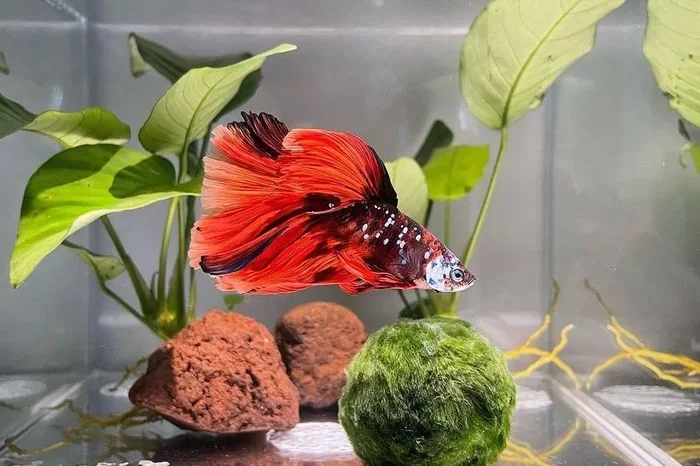
So, how long do tetra betta fish live? On average, tetra betta fish live between 3 to 5 years, but with the right care, some can reach 7 years or more. Their lifespan depends heavily on tank conditions, diet, water quality, and genetics. This guide covers everything you need to know to give your tetra betta the longest, healthiest life possible.
If you have a tetra betta fish or are thinking about getting one, you probably want to know how long do tetra betta fish live. It is a great question, and the answer is more detailed than you might think. The truth is, several factors play a role in determining the lifespan of these beautiful fish.
Tetra bettas are a unique and eye-catching variety that combines traits from both betta and tetra fish. They are colorful, active, and full of personality. But like all pets, they need proper care to live a long and healthy life. In this guide, we will walk you through everything you need to know about the tetra betta fish lifespan, from tank setup to feeding habits.
Whether you are a beginner or a seasoned fish keeper, this article will give you practical tips to help your tetra betta thrive. Let us dive right in.
Key Takeaways
- Average Lifespan: Tetra betta fish typically live 3 to 5 years with proper care.
- Tank Conditions Matter: Clean water, stable temperature, and adequate space significantly extend their life.
- Diet Plays a Key Role: A varied, nutrient-rich diet keeps tetra bettas healthy and active longer.
- Genetics Influence Longevity: Sourcing from reputable breeders gives your fish a better genetic start.
- Common Health Issues: Knowing the signs of common diseases helps you act fast and save your fish.
- Stress Reduces Lifespan: Avoid overcrowding, aggressive tank mates, and sudden water changes.
📑 Table of Contents
- Understanding the Tetra Betta Fish Lifespan
- Ideal Tank Setup for a Long Tetra Betta Life
- Best Diet for Extending Your Tetra Betta’s Life
- Common Health Issues That Shorten Lifespan
- How to Maximize Your Tetra Betta’s Lifespan
- Comparing Tetra Betta Lifespan to Other Betta Varieties
- Signs Your Tetra Betta Is Aging
- Expert Insights on Tetra Betta Longevity
- Common Mistakes That Shorten Tetra Betta Lifespan
- Conclusion
Understanding the Tetra Betta Fish Lifespan
So, how long do tetra betta fish live on average? Most tetra bettas live between 3 and 5 years in captivity. However, some well-cared-for fish have been known to reach 6 or even 7 years old. The key difference between a fish that lives 3 years and one that lives 7 comes down to care.
What Affects the Lifespan of a Tetra Betta?
Several factors directly impact how long your tetra betta will live. Understanding these can help you make better decisions for your fish.
- Water Quality: Clean, well-filtered water is essential. Poor water quality leads to stress and disease.
- Tank Size: A cramped tank causes stress and limits movement. How long do betta fish live in a tank depends a lot on the space they have.
- Diet: A balanced diet keeps the immune system strong and the body healthy.
- Temperature Stability: Bettas are tropical fish. They need consistent warm water to stay healthy.
- Genetics: Fish from reputable breeders tend to have stronger genetics and live longer.
- Stress Levels: Loud noises, bright lights, and aggressive tank mates all shorten lifespan.
Each of these factors plays a role. You cannot control genetics, but you can absolutely control the other five. And that is great news for you and your fish.
Ideal Tank Setup for a Long Tetra Betta Life
The tank you set up for your tetra betta is the foundation of its health. A proper setup can add years to your fish’s life. So, let us talk about what a good tank looks like.
Tank Size Recommendations
Many people keep bettas in tiny bowls, but this is a mistake. A 5-gallon tank is the minimum recommended size for a single betta. Larger tanks, like 10 or 20 gallons, are even better. They provide more stable water parameters and more swimming space.
Did you know that how long do betta fish live in a 5 gallon tank can be significantly longer than in smaller containers? A 5-gallon tank allows for proper filtration and heating, which are both critical for your fish’s health.
Water Parameters to Monitor
Keeping the right water parameters is one of the most important things you can do. Here are the basics:
- Temperature: Keep water between 76°F and 82°F (24°C to 28°C).
- pH Level: Aim for a pH between 6.5 and 7.5.
- Ammonia and Nitrite: Both should be at 0 ppm.
- Nitrate: Keep below 20 ppm.
Use a reliable aquarium thermometer and test kit to monitor these levels regularly. Small changes can make a big difference in your fish’s health and tetra betta fish lifespan.
Filtration and Heating
A gentle sponge filter is ideal for tetra bettas. Strong filters create too much current, which stressed bettas. As for heating, a small aquarium heater rated for your tank size will keep the water at a stable, comfortable temperature.
Best Diet for Extending Your Tetra Betta’s Life
What you feed your tetra betta directly affects how long it lives. A poor diet leads to malnutrition, organ failure, and a shortened life. On the other hand, a varied and nutritious diet keeps your fish strong and vibrant.
What Should You Feed a Tetra Betta?
Tetra bettas are carnivorous by nature. They need protein-rich food to thrive. Here are the best food options:
- High-Quality Betta Pellets: These are specially formulated for bettas and should be the staple of their diet.
- Frozen or Live Foods: Brine shrimp, bloodworms, and daphnia are excellent treats that mimic natural prey.
- Flake Food: Some bettas enjoy flakes, but pellets are generally more nutritious.
Feed your tetra betta small amounts twice a day. Overfeeding is a common mistake that can lead to constipation and bloating, both of which shorten tetra betta fish lifespan. A good rule of thumb is to feed only what your fish can eat in two minutes.
Feeding Schedule Tips
Consistency matters. Try to feed your fish at the same times each day. This helps with digestion and reduces stress. Also, skip one feeding day per week. This gives the digestive system a chance to process any remaining food and stay healthy.
Quick Tip: Rotate between different food types throughout the week. Variety ensures your tetra betta gets all the nutrients it needs.
Common Health Issues That Shorten Lifespan
Even with the best care, tetra bettas can face health problems. Knowing the signs of common diseases helps you catch them early and treat them effectively.
Fin Rot
Fin rot is one of the most common issues bettas face. It causes the fins to look ragged, discolored, or to melt away. Poor water quality is usually the culprit. Regular water changes and a clean tank are the best prevention.
Ich (White Spot Disease)
Ich appears as small white spots on the body and fins. It is caused by a parasite that thrives in stressed fish. Maintaining stable water temperature and reducing stress are key to preventing ich.
Swim Bladder Disease
Swim bladder disease makes it hard for fish to swim properly. It is often caused by overfeeding or constipation. Feeding peas (with shells removed) can help relieve this issue.
How to Keep Your Tetra Betta Healthy
Prevention is always better than cure. Here are some simple habits that keep your fish healthy:
- Perform partial water changes every week (25% is ideal).
- Vacuum the gravel to remove waste and uneaten food.
- Quarantine new fish before adding them to your main tank.
- Watch for changes in behavior, appetite, or appearance.
- Keep the tank away from direct sunlight and drafts.
Being proactive about health is one of the best ways to ensure your tetra betta lives a full, happy life.
How to Maximize Your Tetra Betta’s Lifespan
Now that you understand the factors that affect lifespan, let us talk about actionable steps you can take right now to help your fish live longer.
Provide Mental Stimulation
Bettas are intelligent fish. They get bored in empty tanks. Adding plants, caves, and gentle decorations gives them things to explore. A stimulated fish is a happier and healthier fish. How long do betta fish live can increase when they have an enriching environment.
Choose the Right Tank Mates
Tetra bettas can be territorial. Avoid keeping them with aggressive fish. Good tank mates include snails, shrimp, and peaceful community fish like corydoras. Always monitor interactions closely when introducing new fish.
Maintain a Consistent Routine
Fish thrive on routine. Keep a regular schedule for feeding, water changes, and tank maintenance. Stability reduces stress, and reduced stress leads to a longer life.
Buy from Reputable Sources
Where you buy your tetra betta matters. Fish from reputable breeders or trusted stores are more likely to be healthy and have strong genetics. Avoid fish that look sick or are kept in poor conditions at the store.
Taking these steps shows your tetra betta that you care. And a cared-for fish will reward you with years of beauty and companionship.
Comparing Tetra Betta Lifespan to Other Betta Varieties
You might wonder how the tetra betta fish lifespan compares to other betta types. The truth is, most betta varieties live similar lifespans when given proper care. The differences usually come down to genetics and breeding practices.
| Betta Variety | Average Lifespan | Key Care Factor |
|---|---|---|
| Tetra Betta | 3 to 5 years | Stable water parameters |
| Standard Betta | 2 to 5 years | Proper tank size |
| Crowntail Betta | 3 to 4 years | Fin care and cleanliness |
| Plakat Betta | 3 to 5 years | Active swimming space |
| Female Betta | 3 to 5 years | Peaceful environment |
As you can see, the tetra betta falls right in the middle of the range. With excellent care, it can reach the upper end and beyond.
Signs Your Tetra Betta Is Aging
Just like all living creatures, tetra bettas show signs of aging. Recognizing these signs helps you adjust their care to keep them comfortable in their later years.
- Fading Colors: The vibrant colors may dull slightly as the fish ages.
- Slower Movement: Older fish tend to swim less and rest more.
- Reduced Appetite: A slight decrease in appetite is normal with age.
- Fin Wear: Fins may show more wear and tear over time.
If you notice sudden changes, however, do not assume it is just aging. Always check water quality first, as sudden changes in behavior often point to water problems rather than age.
Expert Insights on Tetra Betta Longevity
Experienced fish keepers agree that the single biggest factor in extending how long do tetra betta fish live is water quality. Regular maintenance, proper filtration, and consistent parameters create an environment where tetra bettas can truly thrive.
Many experts also recommend adding live plants to the tank. Plants naturally filter the water, produce oxygen, and provide hiding spots. They reduce stress and create a more natural habitat for your fish.
Another expert tip is to avoid tapping on the tank glass. Bettas can hear vibrations, and constant tapping causes chronic stress. Over time, chronic stress weakens the immune system and shortens lifespan.
Common Mistakes That Shorten Tetra Betta Lifespan
There are several mistakes that many fish keepers make without realizing the damage. Here are the most common ones:
- Keeping the fish in a bowl: Bowls lack filtration and heating. They drastically shorten lifespan.
- Overfeeding: This leads to obesity, constipation, and poor water quality.
- Skipping water changes: Toxins build up quickly in small tanks.
- Ignoring temperature swings: Fluctuating temperatures stress the fish and weaken their immune system.
- Adding aggressive tank mates: Constant harassment causes chronic stress.
Avoiding these mistakes alone can add years to your tetra betta’s life. Simple changes make a huge difference.
Conclusion
So, how long do tetra betta fish live? With the right care, your tetra betta can live a full and healthy life of 3 to 5 years, and sometimes even longer. The secret lies in providing clean water, a proper diet, a stable environment, and plenty of enrichment.
Remember that every fish is different. Genetics play a role, but your care makes the biggest difference. By following the tips in this guide, you are giving your tetra betta the best possible chance at a long and happy life.
Start with small changes if you need to. Even improving one thing, like your water change schedule, can have a big impact. Your tetra betta depends on you, and the effort is absolutely worth it. A well-cared-for tetra betta is a joy to watch and a companion that brings color and calm to your home for years to come.
Frequently Asked Questions
What is the average lifespan of a tetra betta fish?
The average lifespan of a tetra betta fish is 3 to 5 years. With excellent care, some tetra bettas can live up to 7 years. The key factors include water quality, diet, tank size, and genetics.
Can tetra betta fish live longer than 5 years?
Yes, tetra betta fish can live longer than 5 years. Fish that receive optimal care, a nutritious diet, and live in a well-maintained tank have the best chance of reaching 6 or 7 years old. Consistency in care is the most important factor.
Why is my tetra betta fish not living as long as expected?
Poor water quality, small tank size, overfeeding, and stress are the most common reasons. If your fish lives in a bowl or an uncycled tank, its lifespan will likely be shorter. Upgrading to a proper 5-gallon tank with a filter and heater can make a big difference.
Does tank size really affect how long do tetra betta fish live?
Yes, tank size has a significant impact. Larger tanks provide more stable water parameters, better filtration, and more swimming space. A 5-gallon tank is the minimum, but a 10-gallon or 20-gallon tank is even better for long-term health.
What should I feed my tetra betta to help it live longer?
Feed a high-quality betta pellet as the staple, supplemented with frozen or live foods like brine shrimp and bloodworms. Avoid overfeeding and skip one feeding day per week to keep the digestive system healthy.
How can I tell if my tetra betta is stressed?
Signs of stress include clamped fins, loss of color, rapid breathing, hiding constantly, and loss of appetite. Stress is often caused by poor water quality, aggressive tank mates, or sudden changes in the environment. Fixing these issues quickly can restore your fish’s health and extend its life.