How Long Do Bettas Live in Fish Bowls
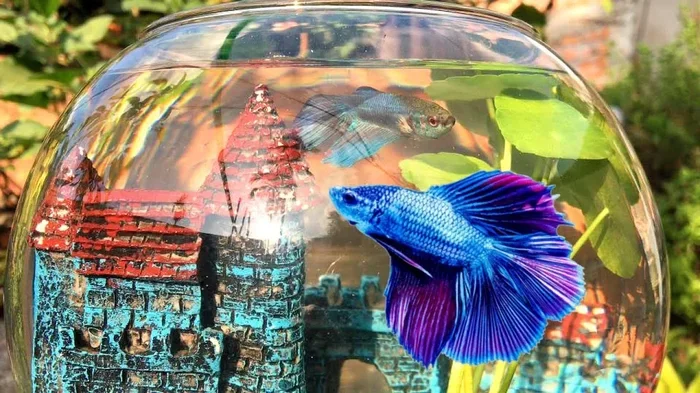
So, how long do bettas live in fish bowls? The truth might surprise you — most bettas in bowls live only 1 to 3 years, while those in proper tanks can reach 5 years or more. A fish bowl restricts movement, limits oxygen, and makes water quality hard to maintain. Choosing the right habitat is the single biggest factor in your betta fish lifespan.
You might have seen those tiny betta fish floating in colorful bowls at the pet store. They look beautiful. They look peaceful. And it is easy to assume they will be just fine living in that little glass bubble forever. But here is the hard truth — a fish bowl is one of the worst homes you can offer a betta fish.
If you have ever wondered how long do bettas live in fish bowls, the answer is shorter than you might hope. Most bettas kept in bowls live only one to three years. In contrast, bettas in properly set up tanks often reach five years or more. That gap is huge, and it comes down to one simple fact: bowls cannot support the conditions bettas need to thrive.
This guide breaks down everything you need to know about betta fish lifespan in bowls. We will cover why bowls fall short, what you can do to improve conditions, and how to give your betta the best life possible — no matter what container you use.
Key Takeaways
- Bettas in bowls typically live 1–3 years: Limited space and poor water quality shorten their lifespan significantly.
- A 5-gallon tank is the minimum: Larger tanks with filtration and heating give bettas the best chance at a long, healthy life.
- Fish bowls trap toxins quickly: Without filtration, ammonia builds up fast and stresses your fish.
- Water changes alone are not enough: A proper cycle and stable parameters matter just as much as bowl size.
- Bettas can live longer in the wild: Natural habitats provide space and clean water that bowls simply cannot replicate.
- Small containers are not inherently evil: With diligent maintenance, a betta can survive in a bowl — but it won’t thrive.
📑 Table of Contents
- How Long Do Bettas Live in Fish Bowls?
- Why Fish Bowls Shorten Betta Fish Lifespan
- Fish Bowl vs Tank: A Side-by-Side Comparison
- The Ideal Habitat for Betta Fish
- Tips to Extend Your Betta’s Life in Any Container
- Common Mistakes Bettas Owners Make with Bowls
- Expert Insights on Betta Fish Longevity
- Conclusion
How Long Do Bettas Live in Fish Bowls?
The honest answer to this question depends on several factors. But the general rule is simple: the smaller and more cramped the container, the shorter the betta fish lifespan. In a standard fish bowl with no filter and no heater, you are looking at an average of one to three years. Some bettas might push past that, but it is rare.
Compare that to bettas kept in a properly cycled 5-gallon tank or larger. Those fish regularly live four to five years. Some even hit the six-year mark with excellent care. The difference is not magic. It comes down to water quality, space, temperature stability, and stress levels.
If you are curious about how long betta fish live in general, the answer is typically three to five years in good conditions. But a bowl pulls that number down fast. The environment directly affects every part of your betta’s health — from its immune system to its energy levels to its ability to show off those gorgeous fins.
What Research Tells Us About Bowl Survival
Studies on fish welfare consistently show that confined spaces cause chronic stress. Stressed fish get sick more often. They heal slower. They eat less. Over time, that stress shortens their entire life. A bowl offers almost no room for swimming, no stable temperature, and no way to process waste effectively.
Even pet stores know this. Have you ever noticed how long do pet stores keep betta fish in those little cups? Not very long. They rotate them out quickly because the conditions are not sustainable for long-term health. That should tell you something right there.
Why Fish Bowls Shorten Betta Fish Lifespan
There are several reasons why a bowl is bad news for a betta. Let us break them down one by one so you understand exactly what is happening inside that glass.
Limited Space Causes Stress
Bettas are active fish. They like to swim, explore, and claim territory. A bowl gives them almost none of that. When a betta cannot move freely, it becomes stressed. Chronic stress weakens the immune system. A weakened immune system opens the door to diseases like fin rot, ich, and fungal infections.
Think about it this way. Imagine being told you could never leave a tiny room for the rest of your life. You would feel trapped and anxious. That is what a bowl feels like for a betta fish.
Poor Water Quality
This is the biggest killer. In a bowl, there is no filter to remove waste. No beneficial bacteria to break down ammonia. No way to maintain stable water parameters. Ammonia and nitrite build up fast, even in a small bowl with just one fish.
Bettas are sensitive to water quality. Even small spikes in ammonia can damage their gills, stress their organs, and eventually lead to death. You might not see the water get dirty, but the invisible toxins are building up every single day.
Temperature Instability
Bettas are tropical fish. They need warm water, ideally between 76 and 82 degrees Fahrenheit. A bowl sitting on a windowsill or in a room with fluctuating temperatures cannot maintain that range. Cold water slows their metabolism. Hot water drops oxygen levels. Both scenarios shorten a betta’s life.
If you want to learn more about how temperature affects betta health, check out our article on how long betta fish live in a tank for a deeper look at ideal tank conditions.
Lack of Oxygen
Bettas breathe atmospheric air, which is one reason they survive in low-oxygen water. But that does not mean they thrive in it. A bowl has a tiny surface area, which limits gas exchange. Oxygen levels drop, carbon dioxide builds up, and your betta struggles to breathe — even though it can technically gulp air from the surface.
Fish Bowl vs Tank: A Side-by-Side Comparison
Let us put the numbers side by side so you can see the difference clearly.
| Factor | Fish Bowl | Proper Tank (5+ Gallons) |
|---|---|---|
| Average Lifespan | 1–3 years | 4–6 years |
| Water Filtration | None | Hang-on or sponge filter |
| Temperature Control | Unstable | Heater maintains 76–82°F |
| Swimming Space | Very limited | Enough room to explore |
| Water Quality | Hard to maintain | Stable with regular testing |
| Stress Levels | High | Low to moderate |
| Ease of Maintenance | Frequent water changes | Weekly partial changes |
As you can see, the comparison is not even close. A proper tank gives your betta everything it needs to live a full, healthy life. A bowl gives it barely enough to survive — and even that requires a lot of effort from you.
If you have been considering whether can bettas live in fish bowls, the answer is technically yes. But the real question should be whether they should. And the answer to that is a clear no — if you care about giving your fish the best life possible.
The Ideal Habitat for Betta Fish
So what does a betta need to truly thrive? Let us walk through the basics of setting up a proper home.
Tank Size Matters
The minimum recommended tank size for a single betta is 5 gallons. This gives the fish enough room to swim, explore, and establish a comfortable territory. A 10-gallon tank is even better. It provides more stable water parameters and room for a filter and heater.
If you are currently keeping your betta in a bowl, even upgrading to a 3-gallon tank will make a noticeable difference. Every extra gallon counts when it comes to water stability and your betta’s overall well-being.
Filtration and Heating
A gentle sponge filter keeps the water clean without creating too much flow — bettas hate strong currents. A small aquarium heater maintains the warm, stable temperatures your betta needs. Together, these two items are the foundation of a healthy betta habitat.
Plants and Hiding Spots
Bettas love places to hide and rest. Live or silk plants give them something to explore and nap on. Avoid sharp plastic plants that can tear their delicate fins. A few caves or decorations also help your betta feel safe and reduce stress.
Tips to Extend Your Betta’s Life in Any Container
Maybe you cannot upgrade your betta’s bowl right now. That is okay. Here are some practical steps you can take today to give your fish a better life — no matter what it is living in.
- Do frequent water changes. Replace 50% of the water every 3 to 4 days. Use dechlorinated water at the right temperature.
- Test the water regularly. A simple liquid test kit for ammonia, nitrite, and nitrate goes a long way. You cannot fix what you cannot see.
- Keep the water warm. Use a small heater if possible. Room temperature water is almost always too cold for a betta.
- Feed high-quality food. Pellets made for bettas are better than flakes. Feed small amounts twice a day and remove uneaten food.
- Watch for signs of stress. Clamped fins, loss of color, lethargy, and rapid breathing all signal that something is wrong.
- Plan for an upgrade. Even a small tank is a huge improvement over a bowl. Start saving or researching options now.
Quick Tips
- Always let new water sit for 24 hours before adding it to the bowl to remove chlorine.
- Never use soap or chemicals to clean a fish bowl.
- A betta in a bowl needs more attention than one in a filtered tank.
- If you notice algae buildup, it means excess nutrients are in the water.
Common Mistakes Bettas Owners Make with Bowls
Even well-meaning betta owners make mistakes that shorten their fish’s life. Here are the most common ones to avoid.
Skipping Water Changes
This is the number one killer. Many bowl owners think a small bowl does not need frequent maintenance. The opposite is true. Without filtration, waste builds up fast, and the water becomes toxic within days.
Overfeeding
Bettas have small stomachs. Overfeeding leads to constipation, bloating, and dirty water. Feed only what your betta can eat in two minutes, twice a day.
Using the Wrong Bowl
Not all bowls are created equal. Round bowls have poor surface-to-volume ratios, which means less oxygen exchange. A wider, shallower container performs slightly better, but it still cannot match a proper tank.
Ignoring Temperature
Room temperature is not a betta temperature. Most homes sit around 68 to 72 degrees Fahrenheit, which is too cold. Cold water makes bettas sluggish and more prone to illness.
If you want to understand why people keep bettas in small spaces in the first place, our article on why do betta fish live in small bowls explains the history and reasoning behind this common practice.
Expert Insights on Betta Fish Longevity
Experienced aquarists and fish veterinarians agree on one thing: the container is only part of the equation. How you maintain the environment matters just as much. A 5-gallon bowl with no filter and no heater is not much better than a 1-gallon bowl.
Dr. Jessie Sanders, a certified aquatic veterinarian, has stated that the biggest factor in betta longevity is stable water quality. Consistent parameters, regular maintenance, and appropriate tank size all contribute to a longer, healthier life for your fish.
The takeaway is clear. If you want your betta to live as long as possible, give it the best environment you can. That means a proper tank, not a bowl. And if a bowl is your only option right now, commit to the maintenance routine outlined above.
For a broader look at betta lifespan across different environments, check out our article on how long do betta fish live to understand the full picture.
Conclusion
So, how long do bettas live in fish bowls? The short answer is not long enough. A bowl limits your betta’s lifespan to roughly one to three years, while a proper tank can double or even triple that. The difference comes down to water quality, space, temperature, and stress.
Every betta deserves a home where it can thrive, not just survive. If you are currently keeping your betta in a bowl, now is the time to make a change. Even a small upgrade can add years to your fish’s life and give you a more rewarding pet-owning experience.
Your betta fish lifespan is in your hands. Give it the space, the clean water, and the warm temperature it needs, and you will be rewarded with a vibrant, healthy companion for years to come.
Frequently Asked Questions
Can a betta fish live in a fish bowl long-term?
A betta can survive in a fish bowl, but it will not thrive long-term. Without filtration, heating, and enough space, most bowl-kept bettas develop health problems within their first year. The stress and poor water quality significantly shorten their lifespan compared to tank-kept bettas.
How often should I change the water in a betta fish bowl?
You should change at least 50% of the water every 3 to 4 days. In a small bowl with no filter, waste builds up very quickly. Frequent partial water changes are the best way to keep ammonia and nitrite levels low and your betta healthy.
What is the longest a betta fish has ever lived in a bowl?
There are rare reports of bettas living 4 or even 5 years in bowl-like conditions, but these cases are exceptions. Those fish usually had very dedicated owners who performed near-daily water changes and kept the water temperature stable. Most bettas in bowls do not reach that age.
Is a 1-gallon bowl better than a 3-gallon bowl for a betta?
Yes, a 3-gallon bowl is better than a 1-gallon bowl. More water volume means more dilution of waste, more stable temperature, and more oxygen. However, neither is ideal. A 5-gallon tank with a filter and heater is the minimum standard for a healthy betta.
Do bettas prefer bowls or tanks?
Bettas do not have a preference — they simply respond to their environment. In a bowl, they are often stressed, lethargic, and prone to illness. In a proper tank with stable conditions, they are active, colorful, and display natural behaviors. The difference in their quality of life is obvious.
Why do pet stores sell bettas in bowls if they are harmful?
Pet stores sell bettas in bowls because bowls are cheap, take up little space, and look attractive to customers. The store is not responsible for the long-term health of the fish once it leaves the shelf. This practice continues because of consumer demand and low costs, not because it is good for the fish.