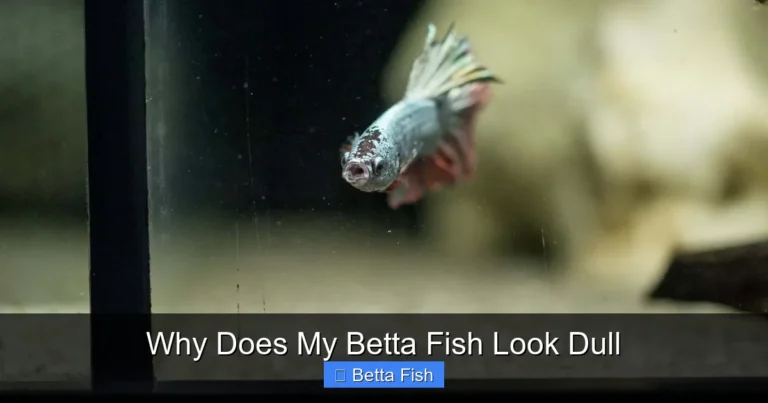
How Do You Keep a Betta Fish Happy

Keeping a betta fish happy starts with the right tank setup, warm clean water, and a balanced diet. These colorful fish thrive when they have enough space to swim, gentle filtration, and plenty of hiding spots to explore. By understanding their natural needs and providing a stimulating environment, you can ensure your betta stays healthy, active, and full of personality for years to come.
Key Takeaways
- Tank Size Matters: Provide a heated, filtered tank of at least 5 gallons for your betta.
- Feed Smart: Offer a high-quality diet in small portions twice daily to prevent overfeeding.
- Maintain Temperature: Keep water steady between 76–82°F to reduce stress and boost health.
- Create Comfort: Add gentle plants and hiding spots for a natural, calming environment.
- Clean Water: Perform weekly 25% water changes to keep the habitat toxin-free.
- Choose Tank Mates Wisely: Avoid aggressive companions and select peaceful species for harmony.
- Observe Daily: Watch your betta for signs of illness or unusual behavior.
📑 Table of Contents
- Why Keeping Your Betta Fish Happy Matters More Than You Think
- Setting Up the Perfect Betta Tank
- Feeding Your Betta for Optimal Happiness
- Enrichment and Play: Keeping Your Betta Entertained
- Maintaining Water Quality and Health
- Common Mistakes That Make Betta Fish Unhappy
- Final Thoughts on Keeping Your Betta Fish Happy
Why Keeping Your Betta Fish Happy Matters More Than You Think
So you want to know how do you keep a betta fish happy? Great question. These colorful little creatures are so much more than just a pretty face swimming in a bowl. A happy betta fish is a healthy betta fish. And a healthy betta lives longer, shows off brighter colors, and actually interacts with you. That is a win-win for you and your finned friend.
Unfortunately, many bettas live boring or even stressful lives. They sit in tiny cups at pet stores. They get kept in bowls with no filters. They eat the same old flakes every single day. None of that makes for a content betta. The good news? A few simple changes can completely transform your fish’s world. You can unlock a whole new level of betta wellness without a degree in fish science.
In this guide, you will learn everything about how do you keep a betta fish happy. We will cover tank setup, diet, enrichment, water quality, and common mistakes. By the end, you will have a clear action plan. Let us dive right in.
Setting Up the Perfect Betta Tank
Your betta’s environment shapes almost everything. The tank you choose directly affects your fish’s mood, energy, and overall health. If you really want to understand how do you keep a betta fish happy, this is where it all starts.
Tank Size Matters More Than You Think
Here is a shocker. A betta fish can survive in a tiny cup. But surviving and thriving are two very different things. A 5-gallon tank is the sweet spot for most bettas. It gives them room to explore. It also makes it easier to keep water quality stable.
Some hobbyists go even bigger. A 10-gallon tank works great too. Just make sure you do not pair your betta with aggressive tankmates. More on that later. The point is this: give your betta space. A cramped fish is a stressed fish.
Add Live Plants and Decorations
Betta fish love to explore. They also like to hide and rest. Adding betta plants like java fern or anachris gives them both. Live plants also help filter the water naturally. They absorb harmful toxins and produce oxygen.
Soft silk plants work well too. Just avoid sharp plastic decorations. Your betta has delicate fins. A rough edge can tear them. That leads to infection and stress. Nobody wants that.
Use a Gentle Filter and Heater
You might wonder about can you keep a betta fish without a filter. Technically yes. But a filter keeps the water cleaner and your betta much healthier. Choose a gentle filter. Betta fins get caught in strong currents easily.
A heater is also important. Bettas are tropical fish. They need a stable water temperature between 76°F and 82°F. Without a heater, your betta gets sluggish and more prone to illness. A simple adjustable heater makes a huge difference.
Feeding Your Betta for Optimal Happiness
Food is more than just fuel. It is one of the easiest ways to boost your betta’s happiness. A well-fed betta shows off vibrant colors and active behavior. So what does a happy betta diet look like?
High-Quality Pellets Should Be the Staple
Skip the cheap flakes. They often float and mess up the water. Instead, go with high-quality betta pellets. Brands like Fluval Bug Bites or Hikari Betta Bio-Gold are solid choices. These pellets sink slowly. Your betta can grab them easily.
Feed small amounts twice a day. Two to three pellets per feeding works for most bettas. Overfeeding is one of the biggest mistakes new fish owners make. uneaten food rots and tanks the water fast.
Treats and Variety Keep Things Exciting
Just like us, bettas enjoy a little variety. Freeze-dried bloodworms, brine shrimp, and daphnia make excellent treats. Offer these once or twice a week. They mimic what bettas eat in the wild. This keeps your fish mentally stimulated and physically healthy.
For more details on feeding schedules and portions, check out this helpful guide on how often to feed a betta fish. It covers everything from hatchling feeding to adult routines.
Watch for Overfeeding Signs
Here is a quick reality check. If your betta’s belly looks bloated or the water gets cloudy after feeding, you are overdoing it. Cut back. A healthy betta always has a sleek body. Its belly should be slightly rounded, not puffy.
Enrichment and Play: Keeping Your Betta Entertained
This section is honestly my favorite. Most people do not realize betta fish can get bored. Yep. These little guys have personalities. And a bored betta is an unhappy betta. So how do you add some fun to their day?
Train Your Betta to Do Tricks
Yes, you read that right. Betta training is totally a thing. You can teach your fish to follow your finger, swim through a hoop, or even play soccer. Start with simple targets. Use a feeding ring or your finger as a cue. Reward them with a treat when they respond.
Training sessions should be short. Two to five minutes is plenty. It stimulates their brain and strengthens the bond between you and your fish. It is genuinely entertaining to watch too.
Mirror Play (In Moderation)
Placing a small mirror near your betta can trigger their natural curiosity. They will often flare their fins and display bold behavior. This is normal and healthy in short bursts. But do not leave a mirror in the tank permanently. Constant confrontation causes chronic betta stress.
Limit mirror sessions to two or three minutes. Then remove it. Think of it like a fun peek-a-boo game, not an endless argument.
Toys and Interactive Decorations
Floating logs, tunnels, and even small hoops designed for bettas are available online. These encourage exploration. Some bettas enjoy pushing floating balls around. Others like resting on moss balls. Try a few options and see what your fish responds to. Every betta has unique preferences.
Maintaining Water Quality and Health
Let me be real with you. Water quality is the single biggest factor in betta health. Even a beautifully decorated tank can become toxic fast. Regular maintenance keeps everything safe and comfortable.
Do Regular Water Changes
Swap out 25 to 50 percent of the water every week. Use a gravel vacuum to remove debris at the same time. Always treat new water with a water conditioner. Tap water contains chlorine that is harmful to fish. A simple dechlorinator solves this problem in seconds.
For step-by-step guidance, read about how to change betta fish water properly. Getting the process right protects your fish from unnecessary stress.
Test Your Water Regularly
Buy a liquid test kit. It checks for ammonia, nitrite, and nitrate. Ammonia and nitrite should always be at zero. Nitrate should stay below 20 ppm. These numbers tell you whether your tank is cycling correctly and staying safe.
Do not rely on test strips. They are less accurate. A liquid kit costs a little more but gives you real peace of mind.
Watch for Signs of a Sick Betta
Early detection saves lives. Keep an eye out for these red flags:
- Clamped fins held close to the body
- Fading or dull colors
- Labored breathing or rapid gill movement
- White spots or cotton-like growths
- Swimming sideways or struggling to float
If you notice any of these, act fast. Quarantine your fish if possible. Adjust the water temperature slightly. Many common illnesses respond well to early treatment. For detailed advice, check out resources on how to cure a sick betta fish and catch problems before they spiral.
Common Mistakes That Make Betta Fish Unhappy
Even well-meaning owners sometimes make choices that hurt their bettas. Let us look at the most common betta care mistakes and how to fix them.
Keeping Bettas in Small Bowls
This is probably the biggest offender. Those cute little vases and bowls look nice. But they offer almost nothing for your fish. No room to swim. No proper filtration. No stable heating. A betta in a bowl rarely lives more than a year or two. In a proper tank, they can live three to five years easily.
Putting Bettas With the Wrong Tankmates
Not every fish gets along with bettas. Their fins look like food to some species. Avoid housing bettas with guppies, tetras, or tiger barbs. These fish either nip at fins or become bullies themselves. If you want to add companions, research carefully. Can you keep a betta with other fish? Sometimes yes, but only with the right species like corydoras snails or ghost shrimp.
Ignoring Behavioral Cues
Your betta tells you how it feels every day. A fish that constantly hides may feel unsafe. A fish that flares at everything may be stressed. A fish that stops eating may be sick. Pay attention. These betta behavior signs are your best communication channel.
Neglecting Tank Maintenance
Skipping water changes leads to a toxic environment fast. Do not wait until something goes wrong. Stay ahead of it. A consistent maintenance schedule is the backbone of a happy betta life.
Overcrowding the Tank
More decorations are not always better. Too many plants and items limit swimming space. Your betta needs open areas to patrol. Keep decorations on the sides and leave the center clear. This also makes water changes easier.
| Mistake | Impact on Betta | Quick Fix |
|---|---|---|
| Small bowl or vase | Stunted growth, stress, short lifespan | Upgrade to at least a 5-gallon tank |
| Wrong tankmates | Fin damage, aggression, constant stress | Research compatibility before adding any fish |
| Overfeeding | Bloated belly, poor water quality | Feed 2-3 pellets twice daily only |
| No water changes | Toxic water, disease, early death | Change 25-50% of water weekly |
| Ignoring behavior | Missed illness, prolonged stress | Observe your betta daily for changes |
Final Thoughts on Keeping Your Betta Fish Happy
So there you have it. You now know how do you keep a betta fish happy from tank setup to feeding to playtime. The secret really is not complicated. Give your betta space. Keep the water clean. Feed quality food. Add enrichment. And watch your fish closely for any warning signs.
A happy betta fish is one that lives in a well-maintained environment with a caring owner. These fish may be small, but they deserve a great life. They show personality. They respond to you. They light up a room with their colors. Return the favor by giving them the best care possible.
Start with one change today. Maybe it is upgrading the tank. Maybe it is adjusting the feeding schedule. Whatever step you take, your betta will thank you. A thriving betta makes every effort worthwhile. Now go give your fish the happy life it deserves.
Frequently Asked Questions
How Do You Keep a Betta Fish Happy?
To keep your betta fish happy, provide a clean tank of at least 5 gallons with a gentle filter and a heater set between 76°F and 82°F. Add soft plants, hiding spots, and open swimming space to mimic their natural habitat. Regular water changes and a consistent feeding schedule go a long way in keeping your betta healthy and content.
What Makes a Betta Fish Happy in a Tank?
A happy betta fish thrives in a well-maintained environment with warm, clean water and plenty of gentle movement. Live or silk plants, smooth decorations, and a calm tank setup reduce stress and encourage natural behavior. Avoid sharp plastic ornaments and strong currents, as these can make your betta feel anxious and unsafe.
How Can I Tell If My Betta Fish Is Happy?
A happy betta fish will have bright, vibrant colors, a healthy appetite, and active swimming patterns throughout the day. You may also notice your betta building bubble nests, which is a strong sign of comfort and well-being. Lethargy, faded colors, or clamped fins are warning signs that something in the tank needs attention.
What Tank Size Is Best for Keeping a Betta Fish Happy?
A tank of at least 5 gallons is the minimum recommended size to keep a betta fish happy and healthy. Larger tanks, such as 10 gallons, provide more stable water parameters and extra swimming room that bettas truly enjoy. Small bowls or cups restrict movement and cause stress, which can shorten your fish’s lifespan significantly.
Do Betta Fish Need Toys or Decorations to Stay Happy?
Yes, betta fish enjoy having decorations like caves, tunnels, and broad-leaf plants to explore and rest on. Floating logs and gentle hammocks give your betta places to hide and nap, which helps them feel secure. Just make sure all decorations have smooth edges to prevent damage to their delicate fins.
How Often Should I Feed My Betta Fish to Keep It Happy?
Feeding your betta fish once or twice a day with a small amount of high-quality pellets or frozen food keeps them happy without overfeeding. Remove any uneaten food within a few minutes to maintain clean water and prevent health issues. A varied diet with occasional treats like bloodworms or brine shrimp adds excitement and nutrition to their meals.