How Do I Take Care of My Baby Betta Fish

Taking care of a baby betta fish requires the right tank setup, consistent feeding, clean water, and close attention to health. Baby bettas, also called betta fry, need warm water, small frequent meals, and a carefully maintained environment to grow strong. This guide walks you through every step of how do i take care of my baby betta fish, from day one to full maturity.
Raising a baby betta fish is one of the most rewarding experiences for any aquarium hobbyist. These tiny, colorful creatures may look delicate, but with the right care, they can thrive and grow into stunning adult fish. If you have just brought home a baby betta or are planning to breed them, knowing the basics of how do i take care of my baby betta fish is essential.
Many new fish keepers feel overwhelmed at first. The good news is that baby betta fish care does not have to be complicated. With a few simple steps, you can create a safe and healthy environment for your little one. This guide covers everything you need to know, from setting up the tank to feeding schedules and common health concerns.
Are baby betta fish hard to take care of? The honest answer is that they need more attention than adult bettas. Their tiny bodies are more sensitive to water changes, temperature shifts, and food size. But once you understand their needs, the process becomes second nature. Let us dive into the details.
## Understanding Your Baby Betta Fish
Before you bring your baby betta home, it helps to understand what makes them different from adult fish. Betta fry are incredibly small when they first hatch. They are usually less than a quarter of an inch long. Their organs are still developing, and their immune systems are not fully formed yet.
### What Makes Baby Bettas Different
Baby bettas need a more controlled environment than adult fish. Here are the key differences:
- Size: They are tiny and can easily get lost in large tanks or sucked into filters.
- Diet: They need much smaller food particles than adult bettas.
- Temperature Sensitivity: They are more vulnerable to temperature fluctuations.
- Immune System: Their immune systems are still developing, making them prone to illness.
Understanding these differences helps you set up the right environment from day one. A betta fish tank setup for fry requires special considerations that differ from adult tanks.
### The First Few Weeks
The first two to four weeks of a baby betta’s life are the most critical. During this time, they are adjusting to their new surroundings and growing rapidly. You will need to be very careful about water quality and feeding. Even small mistakes can have a big impact on their survival.
## Setting Up the Perfect Tank for Your Baby Betta
Creating the right home for your baby betta is the foundation of good care. A poorly set up tank can lead to stress, illness, and even death. The good news is that setting up a proper tank is not difficult or expensive.
### Tank Size and Setup
Many people wonder what size tank a baby betta needs. While adult bettas do well in 5-gallon tanks, baby bettas can start in smaller containers. However, a 5-gallon tank with proper equipment works best for long-term growth.
- Minimum Tank Size: 3-5 gallons for a single baby betta.
- Filter: Use a sponge filter with an air stone. This prevents the baby fish from being sucked in.
- Heater: A small aquarium heater keeps the water at a stable 78-80°F.
- Lighting: Standard LED aquarium lights work fine. Keep the light on for 8-10 hours a day.
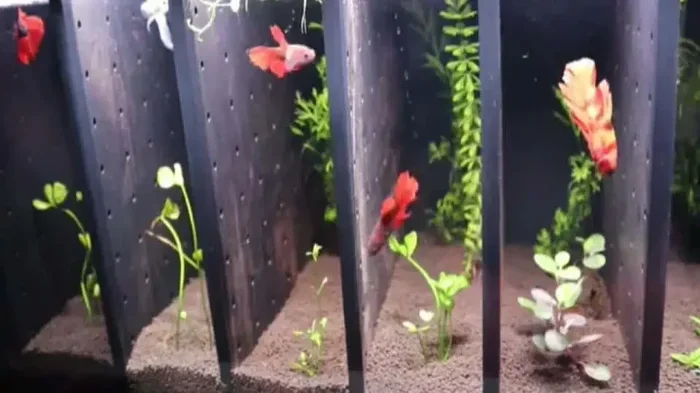
- Hiding Spots: Add live or silk plants so the fry feels safe and secure.
Avoid gravel or rough substrates. Baby bettas are so small that they can injure themselves on sharp surfaces. A bare-bottom tank or very fine sand is the safest choice for raising betta fish in their early stages.
### Water Parameters
Clean, warm water is the most important factor in baby betta care. The water parameters should be stable and consistent.
- Temperature: 78-80°F (25.5-26.5°C)
- pH Level: 6.5-7.5
- Ammonia: 0 ppm
- Nitrite: 0 ppm
- Nitrate: Below 20 ppm
Use a reliable test kit to check these parameters regularly. Betta fish water care is especially important for fry because even small spikes in ammonia can be fatal. Always let new water sit for 24 hours before adding it to the tank to remove chlorine.
## Feeding Your Baby Betta Fish
Feeding is one of the most important parts of baby betta fish care. Baby bettas have tiny stomachs and need to eat frequently. But overfeeding can be just as dangerous as underfeeding.
### What to Feed Baby Bettas
Newborn betta fry cannot eat regular betta pellets or flakes. The food must be small enough for them to swallow. Here are the best food options:
- Infusoria: These are tiny organisms found in tank water. They are the perfect first food for newly hatched fry.
- Baby Brine Shrimp: One of the best live foods for growing betta fry. It is packed with protein.
- Microworms: Small enough for newborn bettas and easy to culture at home.
- Crushed Betta Pellets: Once the fry is a few weeks old, you can start offering finely crushed pellets.
- Liquid Fry Food: Commercial liquid foods designed for betta fry work well in the early stages.
### Feeding Schedule
Baby bettas need to eat more often than adult fish. Their metabolism is fast, and they are constantly growing.
- Week 1-2: Feed 4-5 times a day with infusoria or liquid food.
- Week 3-4: Introduce microworms and baby brine shrimp. Feed 3-4 times a day.
- Week 5+: Gradually transition to crushed pellets. Feed 2-3 times a day.
How often do I feed my betta fish changes as they grow. Always remove any uneaten food after a few minutes to keep the water clean. A betta fish feeding schedule helps you stay consistent and prevents overfeeding.
### How Much to Feed
A good rule of thumb is to offer only what the fry can eat in two minutes. Baby bettas have very small stomachs. Overfeeding leads to cloudy water, which can cause health problems. If you are unsure, it is better to underfeed slightly than to overfeed.
## Water Quality and Maintenance
Keeping the water clean is essential for the health of your baby betta. Dirty water is the number one cause of illness in fry. A simple maintenance routine goes a long way.
### Daily Tasks
Every day, spend a few minutes checking on your baby betta’s tank.
- Check the water temperature with a thermometer.
- Look for any uneaten food and remove it.
- Observe the fry for any signs of illness or unusual behavior.
- Make sure the filter and heater are working properly.
### Weekly Water Changes
Baby betta tanks need more frequent water changes than adult tanks because waste builds up quickly in small volumes.
- Weeks 1-4: Change 20-30% of the water every 2-3 days.
- Weeks 5-8: Change 20% of the water twice a week.
- After 2 months: Weekly 25% water changes are usually sufficient.
Always use a turkey baster or small siphon to remove debris from the bottom of the tank. Match the temperature of the new water to the tank water to avoid shocking your baby betta.
## Common Health Issues and How to Prevent Them
Even with the best care, baby bettas can sometimes get sick. Knowing the warning signs helps you act quickly and give your fish the best chance of recovery.
### Signs of a Sick Baby Betta
Watch for these common symptoms in your fry:
- Lethargy: The fish is not moving much or stays at the bottom of the tank.
- Loss of Color: The bright colors fade or the fish looks pale.
- Clamped Fins: The fins stay close to the body instead of spreading out.
- Not Eating: The fry refuses food for more than a day.
- White Spots: These could be signs of ich or a fungal infection.
If you notice any of these signs, how can I tell if my betta fish is sick becomes the next important question. Early intervention makes a huge difference in treatment success.
### Prevention Tips
The best way to keep your baby betta healthy is through prevention.
- Maintain stable water parameters at all times.
- Do not overfeed. Remove uneaten food promptly.
- Quarantine any new plants or decorations before adding them to the tank.
- Keep the tank away from drafts, direct sunlight, and heat sources.
- Wash your hands before handling tank equipment.
### When to Seek Help
If your baby betta shows persistent signs of illness despite good water quality and feeding, it may be time to consult a professional. Some fish diseases progress quickly in fry, so do not wait too long before taking action.
## Growth and Development Milestones
Watching your baby betta grow is one of the most exciting parts of fish keeping. Understanding what to expect at each stage helps you provide the right care at the right time.
### Week-by-Week Growth
- Week 1: The fry is still attached to the yolk sac and does not need external food yet.
- Week 2: The fry starts swimming freely and begins looking for food.
- Week 3-4: The body starts to show color. The fins begin to develop.
- Week 5-8: The fry looks more like a small adult betta. The tail and fins grow longer.
- Month 3-4: The fish is now considered a juvenile. It can eat the same food as an adult, in smaller pieces.
- Month 6+: The betta reaches full size and color maturity.
### When Can You Move Them to a Bigger Tank?
Once your baby bettas reach about one inch in length, they can be moved to a larger tank. This usually happens around 2-3 months of age. Make sure the new tank has the same stable water parameters to avoid stressing the fish.
## Expert Tips for Raising Healthy Baby Bettas
Raising betta fry is a journey that requires patience and attention to detail. Here are some expert tips that can make a real difference.
### Start with Clean Water
Always cycle your tank before adding baby bettas. A cycled tank has beneficial bacteria that help break down waste. This keeps ammonia and nitrite levels at zero, which is critical for fry survival.
### Be Patient with Growth
Every baby betta grows at its own pace. Some may reach full size in four months, while others take six or more. Do not compare your fish to others. Focus on providing consistent, high-quality care.
### Keep Records
It helps to keep a simple log of feeding times, water changes, and any health observations. Over time, this record becomes a valuable tool for understanding what works best for your baby bettas.
### Handle with Care
Baby bettas are fragile. Avoid netting them whenever possible. If you need to move them, use a small cup to transfer them gently. Rough handling can cause stress or physical injury.
## Conclusion
Taking care of a baby betta fish is a fulfilling experience that rewards you with beautiful, healthy fish as they grow. From setting up the right tank and maintaining clean water to feeding a proper diet and watching for health issues, every step matters. Remember that how do i take care of my baby betta fish comes down to consistency, patience, and attention to detail.
The first few weeks are the most challenging, but as you get into a routine, it becomes easier. Your baby betta will reward your efforts by growing into a vibrant, active fish that brings joy to your home. Stay committed to their care, and you will enjoy the journey from tiny fry to full-grown betta.
Start today with the right setup, a good feeding plan, and a watchful eye. Your little betta will thank you with years of color and companionship.
Key Takeaways
- Tank Size Matters: A small but filtered tank (5+ gallons) keeps baby bettas safe and stress-free.
- Water Temperature Is Critical: Maintain 78-80°F to support healthy growth and prevent illness.
- Feed Frequently in Small Amounts: Baby bettas need 3-4 small meals daily for proper development.
- Water Quality Must Be Monitored: Regular water changes and parameter testing prevent common diseases.
- Watch for Health Warning Signs: Early detection of illness leads to faster treatment and better outcomes.
- Patience Is Key: Baby bettas take several months to reach full size and color.
Frequently Asked Questions
How do I take care of a baby betta fish for beginners?
Start with a small tank of at least 3-5 gallons, add a sponge filter and heater, and maintain the water temperature at 78-80°F. Feed your baby betta small amounts 3-4 times a day and perform regular water changes. Keep the water clean and watch for signs of illness.
What should I feed my baby betta fish?
Baby bettas need very small food particles. Start with infusoria or liquid fry food in the first week, then introduce microworms and baby brine shrimp. After a few weeks, you can offer finely crushed betta pellets. Always remove uneaten food to keep the water clean.
How often should I change the water in my baby betta tank?
During the first four weeks, change 20-30% of the water every 2-3 days. After the first month, you can reduce water changes to twice a week. Always match the temperature of new water to the tank water to avoid shocking your baby betta.
How can I tell if my baby betta fish is sick?
Look for signs like lethargy, loss of color, clamped fins, not eating, or white spots on the body. If you notice any of these symptoms, check your water parameters immediately and consider treating the tank with appropriate medication. Early detection is key to successful treatment.
Can I keep multiple baby bettas in the same tank?
It is best to keep baby bettas separated, especially males. Male bettas are territorial and may fight, even at a young age. Female bettas can sometimes be kept in small groups, but you should provide plenty of hiding spots and monitor their behavior closely.
How long does it take for a baby betta fish to reach full size?
Most baby bettas reach full size and color maturity within 5-6 months. However, some may take up to 8 months depending on their genetics, diet, and care conditions. Provide consistent, high-quality care and be patient throughout their growth journey.