How Do Betta Fish Have Babies
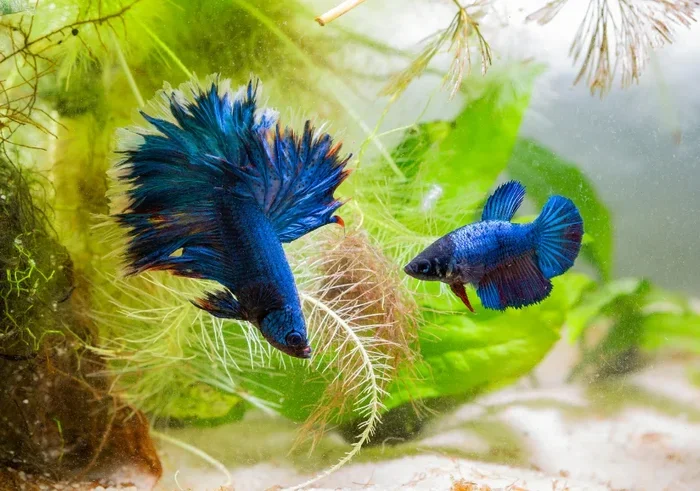
Betta fish are egg-layers that reproduce through a unique process involving courtship and bubble nest building. The male fertilizes and protects the eggs until they hatch into betta fry. Understanding how do betta fish have babies helps you raise healthy babies successfully.
Key Takeaways
- Betta fish lay eggs: Female bettas produce eggs that the male fertilizes externally, not live birth.
- Bubble nests are essential: Males build foam nests on the water surface to keep eggs safe and oxygenated.
- Spawning process is quick: The actual mating and egg release typically happens within a few hours.
- Fry need special care: Baby bettas require separate tanks, fine food, and warm water to survive.
- Parental roles differ: Males guard the nest while females should be removed after spawning.
- Common mistakes kill fry: Poor water quality and incorrect temperatures are the top killers of betta fry.
📑 Table of Contents
How Do Betta Fish Have Babies?
Betta fish are among the most popular aquarium fish in the world. Their bright colors and flowing fins make them a favorite for hobbyists everywhere. But when it comes to how do betta fish have babies, many owners find themselves confused. Unlike mammals, bettas do not give live birth. Instead, they follow a fascinating egg-laying process that involves bubble nests, courtship displays, and careful parental care.
Understanding the breeding process is important whether you are a curious beginner or a seasoned aquarist. Knowing what to expect helps you support your fish through every stage. It also helps you avoid common mistakes that can harm or kill fry. In this article, we break down the entire breeding cycle from mating to raising healthy babies.
We will cover everything from how male and female bettas prepare for breeding to what happens after the eggs hatch. By the end, you will feel confident about supporting your bettas through reproduction. Let us dive right in.
The Breeding Process Explained
How Betta Fish Reproduce
How do betta fish have babies in simple terms? The process starts with courtship. A male betta displays bright colors and builds a bubble nest. The female follows with her own signals. When both are ready, they engage in a unique mating embrace called the “spawning embrace.” During this phase, the female releases eggs and the male fertilizes them externally.
This is very different from live-bearing fish like guppies. Bettas are egg-scatterers or more specifically, they are bubble nest builders. The male collects the eggs in his foam nest underneath at the water surface. This nest provides oxygen and protection for the developing embryos.
Preparing for Breeding
Before breeding begins, both fish need proper conditions. Here is what you need to set up:
- A separate breeding tank of at least 10 gallons
- Warm water between 78 and 82 degrees Fahrenheit
- A sponge filter for gentle water flow
- Live or silk plants for the female to hide
- A male betta ready to build a bubble nest
Never drop a female straight into a male tank without preparation. Introduce them gradually through a clear divider. This lets both fish see each other without physical contact at first. It reduces stress and aggression significantly.
Building the Bubble Nest
Why Bubble Nests Matter
The bubble nest is one of the most important parts of how do betta fish have babies. A male betta blows tiny bubbles coated with a waxy substance. These bubbles float to the surface and form a foam cluster. This structure holds the eggs after spawning. Without it, eggs would sink and drown.
The nest also allows gas exchange. Oxygen from the air reaches the eggs through the bubbles. This is critical because betta eggs need constant aeration to develop properly. A healthy nest can hold anywhere from a few dozen to several hundred eggs depending on the female.
Signs of a Ready Male
Watch for these signals that your male is building a nest:
- Bubbles gathered at the water surface
- Increased nest maintenance and repair
- Bright color displays near the surface
- Flaring at reflections or the female
A well-built nest looks like a floating foam platform. It might be small at first but grows larger as the male prepares. Never disturb or break the nest. This can stress the male and cause him to abandon it entirely.
The Spawning Process
How Betta Fish Mate
Once the bubble nest is ready and the female shows signs of readiness, it is time for spawning. The male wraps his body around the female in a tight embrace. This is called the “nuptial embrace” or “spawning embrace.” During this embrace, the female releases her eggs. The male simultaneously releases milt, or sperm, to fertilize them.
This process repeats several times over a period of one to three hours. Each embrace releases a small batch of eggs. The male catches each egg and places it into the bubble nest. It is a busy and intense period for both fish.
Egg Production and Fertilization
A female betta can produce between 100 and 500 eggs per spawning session. The exact number depends on her size, age, and health. Younger and larger females tend to produce more eggs. After all eggs are released and fertilized, the female should be removed from the breeding tank immediately.
Why remove her? The male can become aggressive after spawning. He may attack the female if she lingers. Additionally, females sometimes eat eggs if left too long. Removing her protects both the remaining eggs and her own safety.
Caring for Betta Eggs and Fry
Egg Development Timeline
After spawning, the eggs stay in the bubble nest for about 24 to 48 hours. During this time, the male watches over them constantly. He occasionally picks up fallen eggs and places them back in the nest. The eggs start to show eye spots within 24 hours. This is a clear sign that development is on track.
Here is a quick reference table for egg development stages:
| Time Frame | Development Stage |
|---|---|
| 0-12 hours | Eggs settle in nest, embryos begin dividing |
| 12-24 hours | Eye spots become visible |
| 24-36 hours | Organs start forming, movement increases |
| 36-48 hours | Fry ready to hatch and drop from nest |
Hatching and First Days
Once the fry hatch, they drop from the bubble nest into the water. At this point, they are very small and vulnerable. The male continues to watch over them. He picks up any fry that sink and blows them back toward the surface. This parental care is remarkable to witness.
For the first two to three days, the fry live off their yolk sacs. Do not feed them during this period. They do not need external food yet, and adding food can pollute the water. After the yolk sacs are absorbed, you can start offering infusoria or liquid fry food.
Raising Healthy Fry
After the first few days, fry need frequent small feedings. Here is a feeding schedule that works well:
- Days 3-5: Infusoria or liquid fry food, fed 3-4 times daily
- Days 5-7: Microworms or vinegar eels, fed 2-3 times daily
- Weeks 2-3: Baby brine shrimp, fed 2 times daily
- Weeks 3-4: Crushed flake food mixed with live food
Water quality is absolutely critical during this phase. Perform small water changes of 10-15% every other day. Keep the temperature stable at around 80 degrees Fahrenheit. Use a sponge filter to avoid sucking up tiny fry. These steps give your betta fry the best start in life.
Common Mistakes When Breeding Bettas
Skipping the Separation Step
One of the biggest mistakes is keeping the male and female together after spawning. As mentioned, the male becomes territorial. He may chase and injure the female. In some cases, he may even kill her. Always have a plan to remove the female safely once eggs are released.
Ignoring Water Conditions
Clean, warm, and stable water is non-negotiable for breeding. Ammonia and nitrite spikes can kill eggs and fry quickly. Test your water regularly. Use a reliable liquid test kit rather than test strips for accuracy. Cycle your breeding tank before attempting any betta breeding project.
Feeding Fry Too Early or Too Late
Timing feedings matters. As noted, fry need their yolk sacs to absorb first. Starting food too early creates a mess. Waiting too long leads to starvation. Watch the fry closely. Once the yolk sac disappears and they start swimming actively, it is feeding time.
Using a Tank That Is Too Small
A tiny breeding tank causes stress and poor water quality. Aim for at least 10 gallons. This gives the male space to build a proper nest. It also gives you room for maintenance without disturbing the fry too much.
Expert Tips for Successful Betta Breeding
Set Up a Dedicated Breeding Tank
Never try to breed in a community tank. Other fish will eat the eggs and stress the parents. A dedicated breeding tank gives you full control over conditions. Keep it simple with a heater, sponge filter, and a few plants. That is all you need.
Choose Healthy Parents
Select males and females that are active, colorful, and free of disease. Avoid fish with torn fins or lethargic behavior. Healthy parents produce stronger fry. Genetic diversity also matters, so try not to breed closely related fish if possible.
Monitor the Male Closely
After spawning, check the nest daily. A healthy male maintains the nest and guards the eggs. If the nest collapses, he may try to rebuild. If he ignores the eggs entirely, the batch may be lost. Sometimes removing the male and hand-raising the fry is necessary if he fails as a parent.
Be Patient
Breeding takes time and not every attempt succeeds. Do not get discouraged if your first batch does not make it. Learn from each experience. Over time, you will develop the skills and confidence to raise healthy fry consistently.
Conclusion
So how do betta fish have babies? They go through an incredible process of courtship, bubble nest building, spawning, and dedicated parental care. Unlike live-bearing fish, bettas lay eggs that the male fertilizes and protects in a floating foam nest. The entire cycle from mating to free-swimming fry takes roughly one week under ideal conditions.
Betta breeding can be a rewarding experience for any aquarist. But it requires preparation, patience, and attention to detail. Follow the steps outlined in this guide, avoid common mistakes, and give your fish the best environment possible. With the right care, you can watch tiny fry grow into beautiful, vibrant adult bettas. Start applying what you have learned today and enjoy the journey of raising healthy betta babies.
Frequently Asked Questions
How do betta fish have babies without a male?
Female bettas can produce eggs without a male, but those eggs will not be fertilized. The female may release them on her own or absorb them. Unfertilized eggs will never develop into fry. A male is required for successful fertilization and hatching.
How long does it take for betta eggs to hatch?
Betta eggs typically hatch within 24 to 48 hours after spawning. The exact timing depends on water temperature and the health of the parents. Warmer water speeds up development, while cooler temperatures slow it down. Keep the temperature stable around 80 degrees for best results.
Do male betta fish care for their babies?
Yes, male bettas are devoted fathers. They build bubble nests, guard the eggs, and even retrieve fry that fall from the nest. They fan the eggs to provide oxygen. However, you should still monitor the tank closely in case the male becomes overwhelmed or aggressive toward the fry.
Can betta fish have live babies instead of eggs?
No, betta fish do not have live babies. They are egg-layers. The female releases eggs during spawning and the male fertilizes them externally. Some fish species give live birth, but bettas are not one of them. If you see a betta with a swollen belly, she is likely carrying eggs, not live fry.
How many babies do betta fish have at once?
A female betta can release between 100 and 500 eggs per spawning session. The number depends on her size, age, and overall health. Not all eggs will survive to adulthood. Survival rates depend heavily on water quality, feeding, and parental care during the early stages.
What should I do if my betta fry die shortly after hatching?
Most fry deaths come from poor water quality, incorrect temperature, or improper feeding. Test your water immediately and perform a partial water change. Make sure the temperature stays steady at 78 to 82 degrees. Feed appropriately sized food like infusoria or baby brine shrimp. Give the fry clean, warm water and they will have a much better chance of survival.