How Do Betta Fish Go to the Bathroom
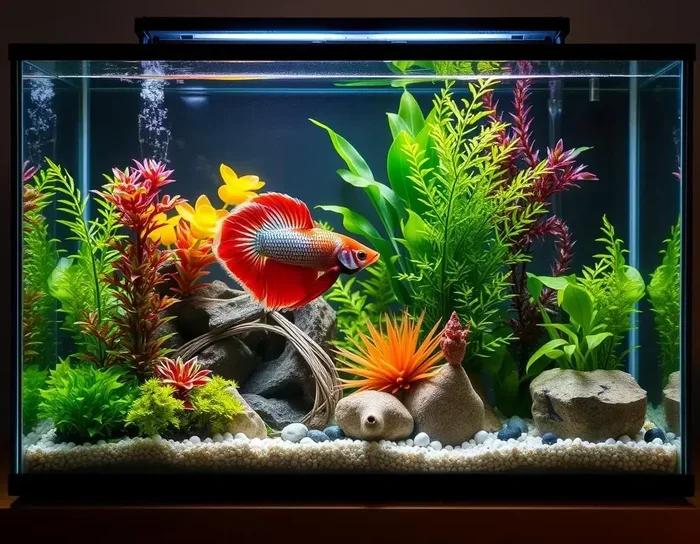
Betta fish go to the bathroom just like every other living creature. They produce waste through their gills and a small opening called the vent. Understanding how betta fish eliminate waste helps you keep their tank clean, reduce harmful toxins, and support better betta fish health every single day.
Have you ever wondered how do betta fish go to the bathroom? It is a question most fish keepers ask at some point, and it is a really important one. The answer is simpler than you might think, and knowing it can make you a much better betta owner.
Your betta fish produces waste just like you do. But instead of using a toilet, bettas rely on their gills, organs, and a tiny opening to get rid of what their body does not need. Fish waste includes ammonia, solid feces, and other byproducts that build up in the water. If you do not manage this waste properly, it can make your fish very sick.
In this guide, we will walk through everything you need to know about betta fish excretion and bathroom habits. You will learn where the waste comes from, what healthy waste looks like, and exactly how to keep your tank clean. Let us get right into it.
Key Takeaways
- Betta fish excrete waste through their gills and a vent: This is how they remove ammonia and other byproducts from their body.
- Regular water changes are essential: They help dilute and remove waste buildup that can harm your fish.
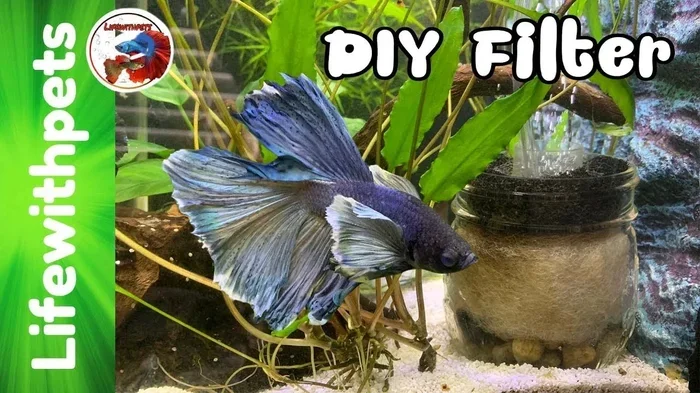
- A good filter makes a big difference: It traps debris and supports beneficial bacteria that break down fish waste.
- Overfeeding leads to more waste: Feeding your betta the right amount keeps the tank cleaner longer.
- Watch your betta’s waste for health clues: Color, texture, and frequency can signal if something is wrong.
- Live plants help absorb waste: They act as natural filters and improve overall water quality.
- A consistent maintenance schedule keeps things simple: Small routine tasks prevent big problems down the road.
📑 Table of Contents
- How Betta Fish Digest Food and Produce Waste
- What Does Betta Fish Waste Look Like?
- Why Waste Removal Matters for Tank Water Quality
- How to Manage and Remove Betta Fish Waste
- How Feeding Habits Affect Waste Production
- Common Mistakes That Lead to Waste Buildup
- Expert Insights on Betta Fish Waste and Health
- Conclusion
How Betta Fish Digest Food and Produce Waste
Understanding betta digestion is the first step to understanding bathroom habits. When your betta eats food, it travels through the digestive tract. Nutrients get absorbed along the way, and whatever is left over becomes waste. This waste exits through the vent, which is a small opening located near the tail of the fish.
But that is not the only way bettas produce waste. Their gills also play a huge role. Gills remove ammonia from the bloodstream and release it into the water. This is called ammonia excretion, and it happens constantly. Even when your betta is sleeping, the gills are working to clear toxins from the body.
The Role of the Vent
The vent is a multi-purpose opening on your betta. It is used for waste elimination, and in female bettas, it also plays a role in egg release. The solid waste your betta passes through the vent is usually small and may sink to the bottom of the tank. You might notice it right after feeding time.
If you want to reduce the amount of waste your betta produces, feeding the right amount is key. Overfeeding is one of the biggest mistakes new fish keepers make. Excess food either goes uneaten or passes through the fish undigested, both of which increase waste in the tank.
What Does Betta Fish Waste Look Like?
Knowing what healthy betta waste looks like helps you spot problems early. Normal waste is usually small, round, and may be brown or dark green in color. It should hold its shape fairly well and sink slowly to the bottom of the tank.
Here is a quick breakdown of what to expect:
- Healthy waste: Small, firm, brown or dark green, sinks to the bottom.
- Undigested food in waste: Could mean your betta is eating too fast or the food is too large.
- White or clear stringy waste: May indicate constipation or a dietary issue.
- Very dark or black waste: Could be a sign of internal issues or overfeeding.
Pay attention to changes in waste. If the texture, color, or amount changes suddenly, it may be time to review your betta’s diet or check the water quality in the tank. Fish waste removal becomes much easier when you know what normal looks like.
When to Be Concerned
If you notice your betta not producing waste for more than a day or two, that could be a sign of constipation or a blockage. On the other hand, if the waste is very loose or stringy, your fish may have a digestive issue. In either case, betta fish health depends on catching these signs early.
Why Waste Removal Matters for Tank Water Quality
Here is where things get really important. Betta waste contains ammonia, which is toxic to fish even in small amounts. In a natural environment, dilute water and helpful aquarium bacteria break down this ammonia. But in a home aquarium, waste builds up fast if you do not manage it properly.
The nitrogen cycle is the process that converts harmful ammonia into less toxic substances. First, ammonia turns into nitrite, and then nitrite becomes nitrate. While nitrate is less harmful, it still needs to be removed through regular water changes and good tank maintenance.
How Ammonia Affects Your Betta
High ammonia levels can cause serious health problems. Your betta may show signs like gasping at the surface, loss of appetite, or faded colors. In severe cases, ammonia poisoning can be fatal. This is why tank maintenance is not optional, it is essential.
A good aquarium filter helps by trapping solid waste and providing a home for beneficial bacteria. However, a filter alone cannot do all the work. You still need to perform regular water changes to keep things in balance.
If you are new to fish keeping, learning how to do a water change for a betta fish is one of the most valuable skills you can develop. It directly removes waste and refreshes the tank environment.
How to Manage and Remove Betta Fish Waste
Keeping waste under control does not have to be complicated. With a simple routine, you can make sure your betta stays healthy and the tank stays clean. Here are the best ways to handle fish tank maintenance when it comes to waste.
1. Perform Regular Water Changes
The single most effective way to remove waste is through water changes. Aim for a 25 to 30 percent water change every one to two weeks. This dilutes nitrates and removes floating debris. If you want a step-by-step guide, check out our article on how to do a water change for a betta fish for detailed instructions.
2. Do Not Overfeed Your Betta
Feeding your betta once or twice a day with small amounts is enough. Any food left uneaten will rot in the water and create more waste. If you are unsure about feeding frequency, our guide on how often do you need to feed a betta fish can help you set the right schedule.
3. Use a Gravel Vacuum
A gravel vacuum sucks up solid waste hiding in the substrate. This is especially useful because bettas often drop food and waste to the bottom. Doing this during water changes makes a big difference in keeping the tank clean.
4. Add Live Plants
Live plants absorb ammonia and nitrates naturally. They act as a secondary filtration system and help keep the water cleaner between water changes. Some great low-maintenance options for betta tanks include java fern, anubias, and live moss.
5. Clean Your Filter Regularly
A clogged filter cannot do its job properly. Rinse filter media in old tank water (never tap water) once a month to keep it working efficiently. This supports the nitrogen cycle and helps break down waste effectively.
Quick Tips for Waste Management
- Always test your water for ammonia and nitrates weekly.
- Remove uneaten food within five minutes of feeding.
- Do not clean the tank too aggressively, as this can remove beneficial bacteria.
- Keep the tank size appropriate, at least 5 gallons for a single betta.
How Feeding Habits Affect Waste Production
What you feed your betta directly impacts how much waste it produces. High-quality betta pellets produce less waste than cheap filler-heavy foods. Look for foods where protein is the first ingredient and avoid brands loaded with fillers like corn or wheat.
Betta fish get food off the bottom of the tank, which means any uneaten food sits there and decomposes. This adds to the waste load and raises ammonia levels. To prevent this, feed only what your betta can eat in two to three minutes.
If you notice your betta leaving food behind, try feeding smaller portions more frequently. Some owners also soak dry food before feeding to help with digestion and reduce waste output. These small changes add up over time and make a noticeable difference in tank cleanliness.
Common Mistakes That Lead to Waste Buildup
Even experienced fish keepers make mistakes sometimes. Here are the most common ones that lead to excessive waste and poor water quality:
- Overfeeding: This is the number one cause of waste buildup. Extra food rots and releases ammonia fast.
- Skipping water changes: Even the best filter cannot replace the need for fresh water.
- Cleaning too much at once: Washing all filter media at once kills beneficial bacteria and disrupts the nitrogen cycle.
- Ignoring uneaten food: Food left in the tank decays quickly and pollutes the water.
- Using the wrong tank size: A too-small tank dilutes waste less effectively and becomes toxic faster.
Avoiding these mistakes keeps your betta healthy and your maintenance routine simple. Remember, consistent small efforts beat occasional big cleaning sessions every time.
Expert Insights on Betta Fish Waste and Health
Experienced fish keepers agree that waste management is the foundation of good betta care. A healthy betta in a clean tank will be more active, show brighter colors, and live longer. Many common health issues, from fin rot to ich, are linked to poor water quality caused by waste buildup.
If you ever notice your betta spending a lot of time at the surface or acting unusually, poor water conditions could be the cause. Understanding why betta fish go to the surface can sometimes point back to waste-related water quality issues. Always check your water parameters first before assuming the worst.
One more thing worth mentioning, how often do you need to feed a betta fish is directly tied to waste production. Feeding the right amount at the right frequency keeps both your fish and the tank in balance. It is a simple habit that pays off big time.
Conclusion
So, how do betta fish go to the bathroom? Through their gills and vent, they constantly eliminate waste that needs to be managed in your aquarium. From understanding betta fish excretion to setting up a solid maintenance routine, you now have the knowledge to keep your betta healthy and happy.
The key takeaways are simple. Feed the right amount, perform regular water changes, use a good filter, and watch your betta’s waste for signs of trouble. These small daily habits create a clean, safe environment where your betta can thrive.
Take what you have learned today and put it into practice. Your betta will thank you with vibrant colors, active behavior, and a long, healthy life. A clean tank is a happy tank, and a happy tank starts with understanding how your fish goes to the bathroom.
Frequently Asked Questions
Do betta fish poop?
Yes, betta fish do poop. They pass solid waste through a small opening called the vent, located near the tail. The waste is usually small, dark, and sinks to the bottom of the tank.
How often should I clean my betta fish tank to remove waste?
A 25 to 30 percent water change every one to two weeks is usually enough. This removes built-up waste and keeps ammonia and nitrate levels safe for your betta.
Can betta fish waste make them sick?
Not the waste itself, but the ammonia it releases into the water can be very harmful. High ammonia levels from waste buildup can cause serious health problems or even death if not addressed.
Why is there so much waste in my betta tank?
The most common reason is overfeeding. Uneaten food rots in the water and adds to the waste load. Feeding smaller amounts more frequently helps reduce excess waste significantly.
Do live plants help reduce betta fish waste?
Yes, live plants absorb ammonia and nitrates naturally. They act as a secondary filtration system and help keep the water cleaner between water changes and filter maintenance.
What does it mean if my betta is not pooping?
A lack of waste production for more than a day or two could signal constipation or a digestive issue. Try feeding a small piece of blanched pea or fasting your betta for 24 hours to help things move along.