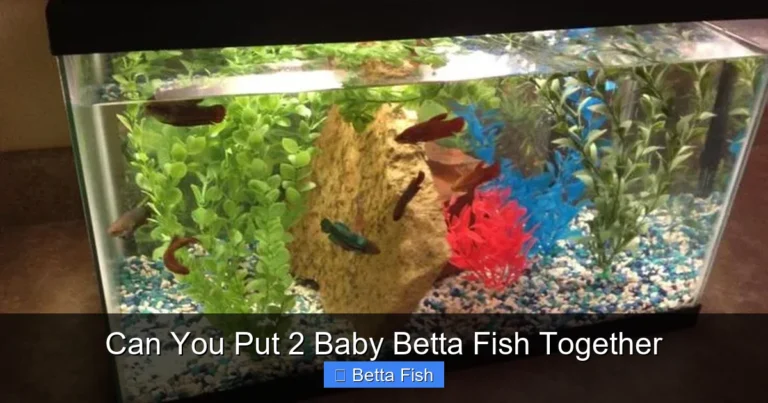
How Digficult Is Betta Fish Owning
Betta fish owning is easier than most people think, but it still requires consistent care and attention. You need the right tank size, clean water, proper temperature, and a good feeding routine. This guide covers everything a beginner needs to know about betta fish care and keeping your fish healthy and happy.
So you are thinking about getting a betta fish. Maybe you saw one at a pet store and fell in love with those bright colors and flowing fins. Or maybe a friend has one and it looks so peaceful. Either way, the big question is: how hard is it really? The truth is that betta fish owning is not as tough as some people make it sound. With the right information, anyone can keep a betta fish healthy and happy.
But let us be real for a second. Betta fish are not like those little plastic bowls they sell at the grocery store. They need proper care, a clean environment, and the right food. If you skip the basics, your fish will get sick fast. This guide walks you through everything you need to know. We will cover tank setup, feeding, health signs, and the most common mistakes new owners make.
Key Takeaways
- Easy to Moderate Difficulty: betta fish owning is manageable for beginners who follow basic care guidelines.
- Tank Setup Matters: A proper tank with the right temperature and filtration makes a huge difference in your fish’s health.
- Feeding Is Simple: Betta fish eat easily available food, and overfeeding is the most common mistake.
- Watch for Sick Signs: Knowing how to spot early warning signs keeps your fish safe and healthy.
- Low Cost Overall: betta fish cost is affordable, especially when you set up a proper tank from the start.
- Happy Fish Show Behavior: A healthy betta will be active, colorful, and curious about its surroundings.
📑 Table of Contents
How Hard Is Betta Fish Owning Really?
The difficulty of betta fish owning depends on what you already know about fish care. If you have never kept a fish before, there is a small learning curve. But bettas are actually one of the hardier freshwater fish. They can survive in a range of conditions that would kill other species. That does not mean you should neglect them, though.
Here is the honest answer. betta fish care is easy to moderate in difficulty. You do not need a science degree or expensive equipment. You do need to stay consistent with basic tasks. Think of it like caring for a houseplant. It is not hard, but it does need regular attention.
What Makes Betta Fish Owning Easy
There are several reasons why bettas are a great choice for beginners:
- They do not need a huge tank. A 5-gallon tank is the minimum recommended size. This is much smaller than most other freshwater fish need.
- They eat simple food. Pellets and frozen bloodworms are easy to find and store.
- They are hardy fish. Bettas can tolerate minor water changes better than many other species.
- They are beautiful and active. Watching a betta swim around its tank is genuinely relaxing and rewarding.
- betta fish cost is low. The fish itself is affordable, and the setup does not break the bank.
What Makes Betta Fish Owning Challenging
Now for the harder parts. betta fish owning does come with responsibilities that some people underestimate:
- Water quality is critical. Betta fish are sensitive to ammonia and nitrate buildup. You need to test and change the water regularly.
- Temperature control matters. Bettas need warm water between 76 and 82 degrees Fahrenheit. Cold water can make them very sick.
- Overfeeding is a real risk. Many new owners give their betta too much food, which leads to bloating and dirty water.
- They need stimulation. A boring tank with no plants or hiding spots can stress your fish out.
Setting Up the Right Tank for Your Betta
The most important part of betta fish owning is getting the tank right. A bad setup will cause problems no matter how well you feed or care for your fish. The good news is that setting up a proper betta tank is not complicated or expensive.
Tank Size and Shape
Many people still believe the myth that bettas thrive in tiny cups or bowls. This is completely wrong. A betta fish tank should be at least 5 gallons. A 10-gallon tank is even better because it gives you more room for error with water parameters. The shape does not matter much, but longer tanks are better than tall ones because bettas swim horizontally.
Here is a quick comparison of tank sizes:
- 1-3 gallons: Too small. Only acceptable for temporary quarantine.
- 5 gallons: The minimum for a single betta. Manageable for beginners.
- 10 gallons: Ideal size. Easier to maintain stable water conditions.
- 20 gallons or more: Great if you want to add peaceful tank mates.
Filtration and Heating
Betta fish need a filter and a heater, even though some pet stores skip these. A gentle sponge filter works best because bettas do not like strong currents. For heating, a small aquarium heater set to 78 degrees Fahrenheit keeps the water in the perfect range. What Is The Ideal Temperature For Betta Fish is a great resource if you want to understand the temperature needs in more detail.
Feeding Your Betta Fish the Right Way
Feeding is one of the simplest parts of betta fish owning, but it is also where most mistakes happen. Betta fish are carnivores. They need protein-rich food. In the wild, they eat insects and larvae. In your home, you can replicate this with high-quality betta pellets.
What to Feed Your Betta
Here are the best food options for your betta:
- Betta-specific pellets: These are the staple food. Look for pellets where the first ingredient is fish meal or shrimp.
- Frozen bloodworms: A great treat once or twice a week. They are packed with protein.
- Freeze-dried bloodworms: Convenient and easy to store. Soak them before feeding.
- Brine shrimp: Another excellent treat that bettas love.
How Often and How Much
Feed your betta 2 to 3 pellets twice a day. That is it. Many owners make the mistake of dumping a handful of food in the tank. Uneaten food rots and poisons the water. If your betta spits out food, wait a few minutes and try again. Some bettas are picky eaters at first, but they usually come around.
Quick Tip: Skip one feeding day per week. This helps your betta’s digestive system and keeps the tank cleaner.
How to Keep Your Betta Fish Healthy
Prevention is always easier than treatment. A big part of betta fish owning is staying on top of your fish’s health before problems start. Healthy bettas are active, colorful, and curious. They explore the tank, build bubble nests, and respond when you approach the glass.
Signs of a Healthy Betta
Your betta is doing well if you notice these signs:
- Bright, vivid colors and smooth fins
- Active swimming throughout the tank
- Eating eagerly at feeding time
- Building bubble nests at the surface
- Exploring the entire tank, not hiding all the time
Signs Your Betta Is Sick
Fish owners need to watch for warning signs. If anything looks off, act fast. Here are common signs that your betta is not feeling well:
- Clamped fins: Fins held close to the body instead of spread out.
- Loss of color: Fading or dull patches on the body.
- Not eating: Skipping more than one or two feedings is a red flag.
- Lethargy: Sitting at the bottom of the tank or barely moving.
- White spots on the body: This is a common sign of ich, a parasitic infection.
If you notice any of these signs, check your water parameters first. Poor water quality causes most betta health issues. How Do You Know If Your Betta Fish Is Sick covers this topic in depth and can help you identify problems early.
Water Maintenance Schedule
Keeping the water clean is the single most important thing you can do for your betta. Here is a simple weekly routine:
- Test the water for ammonia, nitrite, and nitrate levels.
- Remove 25 to 30 percent of the water and replace it with dechlorinated water at the same temperature.
- Clean the glass if algae is building up.
- Check that the heater and filter are working properly.
Do a full water change only once a month. Frequent full changes can actually stress your fish by removing beneficial bacteria from the tank.
Common Mistakes New Betta Owners Make
Every new betta fish owner makes mistakes at some point. The good news is that most of them are easily avoidable. Learning from other people’s errors saves you time, money, and most importantly, your fish.
Mistake 1: Keeping Them in Too Small a Tank
The tiny vase or bowl that pet stores sell for bettas is not a home. It is a storage container. Bettas need at least 5 gallons of space to thrive. A small tank causes stress, which leads to illness and a shorter betta fish life span.
Mistake 2: Overfeeding
Bettas have small stomachs, about the size of their eye. It is very easy to overfeed them. Excess food decays in the water and raises ammonia levels fast. This is the number one cause of early death in pet bettas.
Mistake 3: Ignoring Water Temperature
Room temperature water is usually too cold for bettas. Without a heater, your fish’s metabolism slows down, they become sluggish, and their immune system weakens. A cheap aquarium heater solves this problem completely.
Mistake 4: Not Cycling the Tank
Tank cycling means building up beneficial bacteria that break down waste. Skipping this step causes ammonia spikes that can kill your fish within days. Always cycle your tank before adding your betta.
Mistake 5: Keeping Aggressive Tank Mates
Bettas are called fighting fish for a reason. Male bettas are territorial and will fight other male bettas. Even some peaceful fish can nip at betta fins. Always research tank mates carefully before adding anything to the tank.
Is Betta Fish Owning Worth It?
After reading through all of this, you might be wondering if betta fish owning is really worth the effort. The answer is a strong yes. Betta fish are stunning, interesting, and surprisingly interactive. They recognize their owners, they build bubble nests, and they have distinct personalities. A well-cared-for betta can live 3 to 5 years, sometimes even longer.
The beauty of betta fish is that they do not demand your constant attention. They are low-maintenance compared to dogs or cats. You do not need to walk them or play with them. A few minutes each day for feeding and a weekly water change is all it takes to keep them thriving.
If you are a complete beginner, start small. A 5-gallon tank with a heater, filter, and a few plants is all you need. Add your betta, stick to a feeding schedule, and watch your fish flourish. The satisfaction of keeping a healthy, colorful betta is incredibly rewarding.
Remember that every fish is different. Some bettas are bold and active, while others are shy and prefer to hide. This is normal. Give your fish time to adjust to its new home, and you will be rewarded with a beautiful companion for years to come.
Final Thoughts on Betta Fish Owning
Betta fish owning is a wonderful hobby that fits easily into a busy lifestyle. It is not hard, but it does require consistency and a little bit of knowledge. Set up the right tank, feed properly, keep the water clean, and watch for signs of illness. Follow these simple steps and your betta will live a long, healthy, and happy life. Start your betta fish care journey today, and you will wonder why you did not do it sooner.
Frequently Asked Questions
Is betta fish owning hard for beginners?
No, betta fish owning is one of the easiest types of fish keeping for beginners. Bettas are hardy fish that tolerate minor mistakes better than most species. As long as you follow basic care guidelines, you will do great.
How much does it cost to own a betta fish?
The initial setup costs between 30 and 60 dollars for a proper 5-gallon tank with a heater and filter. Ongoing costs for food and water conditioner are very low, usually under 10 dollars per month. Overall, betta fish cost is quite affordable compared to most pets.
How long do betta fish live in captivity?
With proper care, betta fish typically live 3 to 5 years. Some well-cared-for bettas have been known to live even longer. The key factors are clean water, proper temperature, and a good feeding routine.
Can betta fish live alone?
Yes, betta fish are best kept alone. Male bettas are especially territorial and will fight other males. Female bettas can sometimes be kept in small groups, but this requires a larger tank and careful planning.
Do betta fish need a heater?
Yes, betta fish need a heater to maintain water temperature between 76 and 82 degrees Fahrenheit. Room temperature water is usually too cold and can cause health problems over time. A small aquarium heater is inexpensive and essential.
What is the biggest mistake new betta owners make?
The biggest mistake is keeping bettas in tanks that are too small. Many people buy those tiny cups or bowls sold at pet stores, but bettas need at least 5 gallons to thrive. A small tank leads to poor water quality and a stressed, unhealthy fish.
=== CONCLUSION ===
Betta fish owning is a rewarding and accessible hobby for people of all experience levels. It is not difficult, but it does require you to be consistent with basic care tasks. Set up a proper tank, maintain clean water, feed the right amount, and watch for signs of illness. Your betta fish will reward you with years of color and companionship. Start with the basics, keep learning, and enjoy the journey of being a betta fish owner.